
Acting
Brandão Filho
Born — Died
1910-01-06 — 1998-03-22
Place of birth
Espírito Santo do Pinhal, São Paulo, Brazil
Known for
Acting
Credits
27 titles
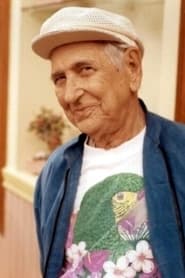
Moacyr Augusto Soares Brandão (Espírito Santo do Pinhal, January 6, 1910 — Rio de Janeiro, March 22, 1998), better known as Brandão Filho, was a Brazilian actor and comedian.
Known for
 8.0
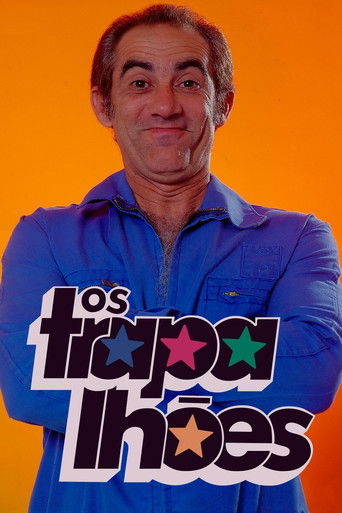
Os Trapalhões was a Brazilian comedy group and also a Brazilian television series created by Wilton Franco. Its members were Dedé Santana, Zacarias, Mussum and their leader Didi Mocó, that was played by Renato Aragão. The name Trapalhões is derived from the Portuguese verb atrapalhar, which means the opposite of helping, to do something the wrong way or to Those that confuse. The name is translated "Tramps" in English DVD subtitles. It was aired by Rede Globo from 1977 to 1999. On March 18, 1990, Zacarias died due to respiratory failure, but the group and the series didn't come to an end until July 29, 1994, when Mussum died due to an unsuccessful heart transplant.
The Trapalhões
1977
 9.0
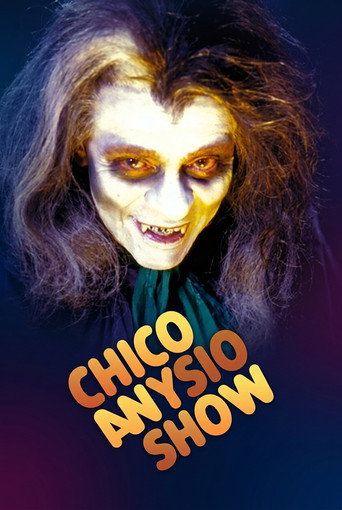
No synopsis available yet.
Chico Anysio Show
1982
 7.0
After an accident, Marcela arrives in São Paulo and decides to assume a new identity. Torn between love, she plunges into a world that is not her own.
Plumas & Paetês
1980
 7.9
Sassá Mutema is a farm laborer who becomes the target of the city's powerful figures' cruelty. With Clotilde's support, he discovers that it's possible to start a new life alongside a great love.
O Salvador da Pátria
1989
 NR
No synopsis available yet.
Balança Mas Não Cai
1968
 9.6
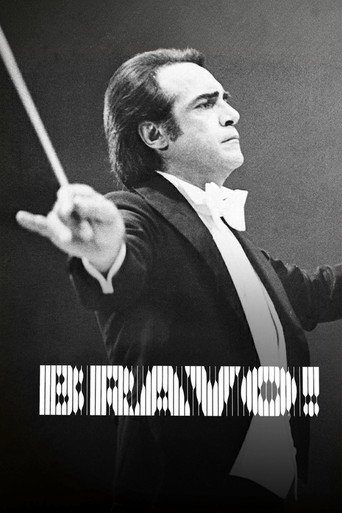
A widowed conductor rediscovers love when he meets a young woman from the countryside, but doubts about his music make him question his competence and distance himself from the woman he loves.
Bravo!
1975
Film credits
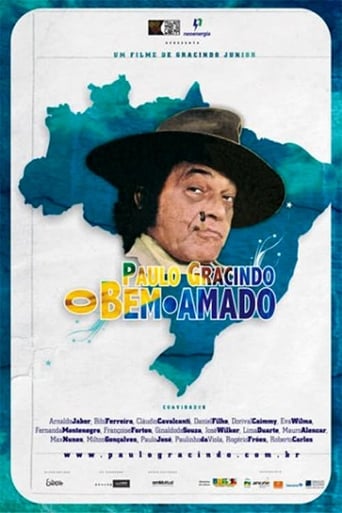

1980s · 2 titles
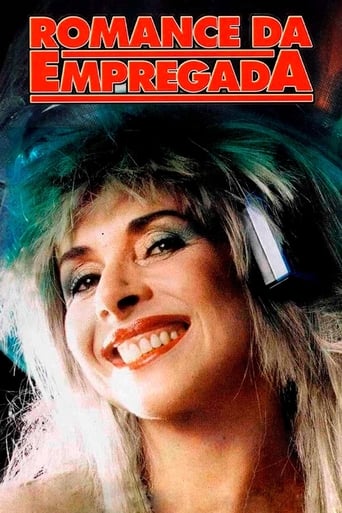

1970s · 2 titles


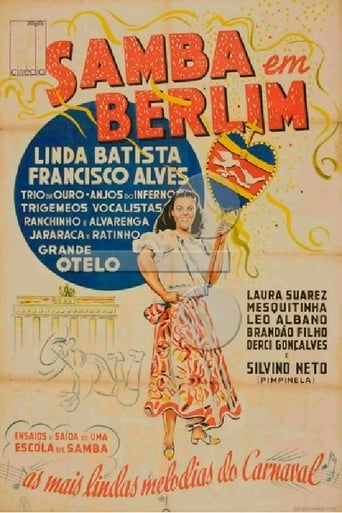
1950s · 1 titles


Series credits
8.0Os Trapalhões was a Brazilian comedy group and also a Brazilian television series created by Wilton Franco. Its members were Dedé Santana, Zacarias, Mussum and their leader Didi Mocó, that was played by Renato Aragão. The name Trapalhões is derived from the Portuguese verb atrapalhar, which means the opposite of helping, to do something the wrong way or to Those that confuse. The name is translated "Tramps" in English DVD subtitles. It was aired by Rede Globo from 1977 to 1999. On March 18, 1990, Zacarias died due to respiratory failure, but the group and the series didn't come to an end until July 29, 1994, when Mussum died due to an unsuccessful heart transplant.
The Trapalhões
1977
9.0No synopsis available yet.
Chico Anysio Show
1982
7.0After an accident, Marcela arrives in São Paulo and decides to assume a new identity. Torn between love, she plunges into a world that is not her own.
Plumas & Paetês
1980
7.9Sassá Mutema is a farm laborer who becomes the target of the city's powerful figures' cruelty. With Clotilde's support, he discovers that it's possible to start a new life alongside a great love.
O Salvador da Pátria
1989
NRNo synopsis available yet.
Balança Mas Não Cai
1968
9.6A widowed conductor rediscovers love when he meets a young woman from the countryside, but doubts about his music make him question his competence and distance himself from the woman he loves.
Bravo!
1975
 8.3
Saramandaia is a Brazilian telenovela originally written by Dias Gomes in 1976. It's considered remarkable because of the Magic Realism (used by the author to subtly criticize the Military Regime of the time) and had 160 chapters. The story centers on the name change that the city undergoes, promoted by the younger citizens and reviled by the older ones. It also focuses on the lives of the city's quirky residents.
Saramandaia
1976
 9.4
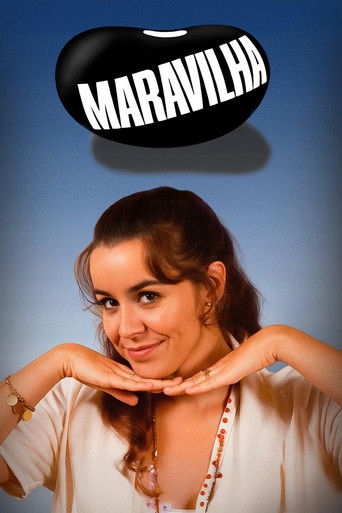
Romantic and dreamy, Eliana works at a five-star hotel and becomes involved with unrequited love, a bumbling gang, and a complex police story.
Feijão Maravilha
1979
 6.7
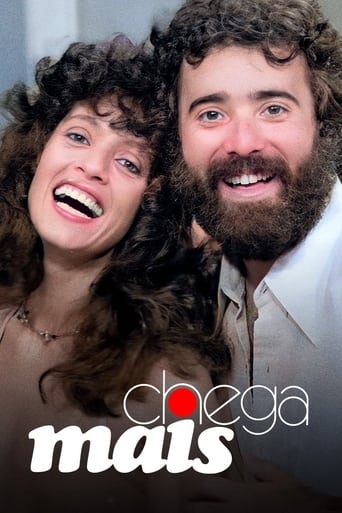
No synopsis available yet.
Chega Mais
1980
 7.5
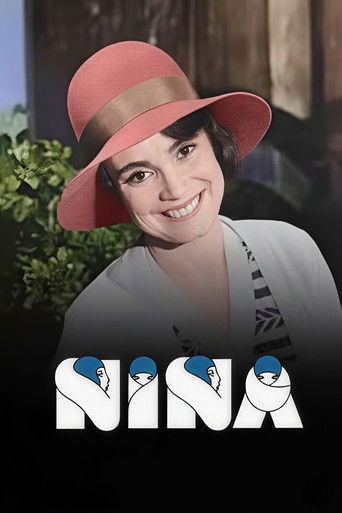
No synopsis available yet.
Nina
1977
 10.0
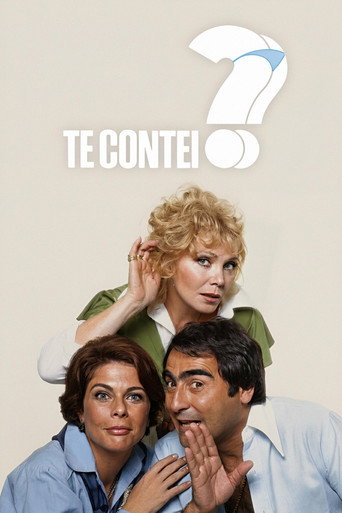
Sabrina is a wealthy young woman who hides her compulsion to steal from her parents – Hilda and Fred – and also conceals the fact that she rents a room at Lola's boarding house in the Rio de Janeiro suburbs, where she pretends to be a modest young woman looking for work. The parallel plots of the story unfold through these two distinct worlds in which Sabrina lives.
Te Contei?
1978
 7.7
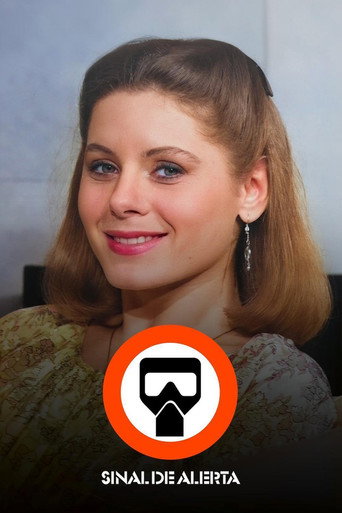
No synopsis available yet.
Sinal de Alerta
1978
 7.5
No synopsis available yet.
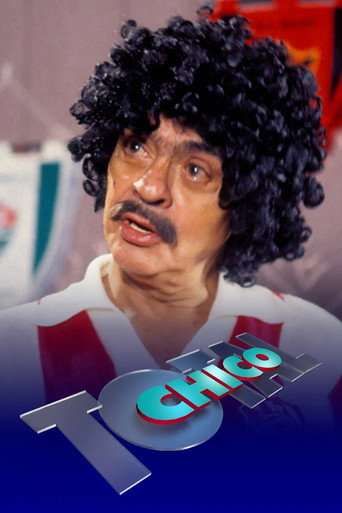
Chico Total
1981
 8.0
No synopsis available yet.
A Grande Família
1972
No synopsis available yet.
Estados Anysios de Chico City
1991
 8.6
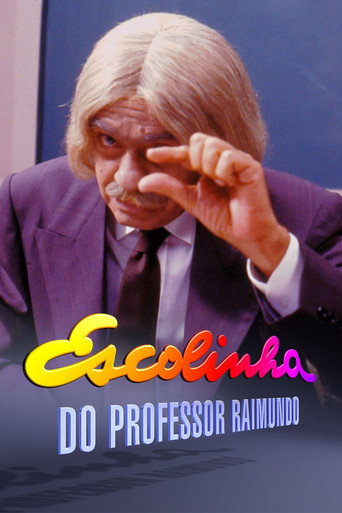
'Escolinha do Professor Raimundo' was a comedy program starring Chico Anysio, the unforgettable Professor Raimundo Nonato, and which brought together some of the biggest names in Brazilian comedy. Marked by informality and improvisation, the School was a landmark, immortalized catchphrases like "And the salary, huh?" and paved the way for new and established talents. Created in 1952 by radio host and comedian Haroldo Barbosa for Rádio Mayrink Veiga, the School arrived on TV five years later as a segment of the program Noites Cariocas, on TV Rio. For 38 years, the School was a segment hosted by Chico Anysio in various comedy programs. In 1990, it premiered as an independent program on Globo and became a classic of Brazilian television.
Escolinha do Professor Raimundo
1990
 7.8
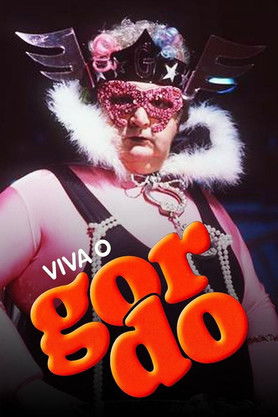
No synopsis available yet.
Viva o Gordo
1981