

Art
Tõnu Virve
Born — Died
1946-06-18 — 2019-10-01
Place of birth
Rõuge, Võru County, Estonian SSR, USSR [now Estonia]
Known for
Art
Credits
10 titles
Tõnu Virve (June 18, 1946 Rõuge – October 1, 2019 Tallinn) was an Estonian theatre and film designer and artist, producer and director. In 1974 he graduated from the Estonian State Art Institute in theatre decoration speciality. 1975–1980 he was the principal artist at Estonian Youth Theatre. 1980–1990 he was an artist-director at Tallinnfilm. In 1990 he established the independent film studio Freyja Film (ERSFF).
Known for
 NR
The documentary depicts monuments and heritage artwork that have been closely related to the history of the Republic of Estonia. Estonian sculptors, former political prisoners, social scientists and art historians share their memories in the film. Why do we need our monuments? What kind of attitude has been towards Estonian monuments and heritage artwork during the changing times in local history? Memorial columns can be victims of ideology. Estonia has been governed by several state authorities during the 20th century, all of them have left their own monuments. The destiny of numerous military monuments in East-Europe has become a current issue.
Monument
2008
 NR
Based on the novella "Mustaja Love" by Estonian writer Arvo Valton. Residents of large modern cities are often unfamiliar with their neighbors, even though they have lived under the same roof for many years. The film's protagonists, a man and a woman who dream of having a family and children, live very close to each other. They could easily have met and fallen in love. All their dreams could have come true, but the meeting of two lonely hearts never happened.
Two
1987
 8.0
The highlight of Elsbet's and Albert's day is their son's visit. Every day, the old couple serves festive dinner to Lucas in a cozy dining room decorated with lots of flowers. Lucas is content only when the best food and expensive drinks are served. He patronizingly accepts his parents' care and enjoys eating one delicacy after another until he will finally feel sick. The parents have to prove that the food is not poisoned; so they have to taste all the food that they usually won't share with their son.
Luukas
1992
 7.0
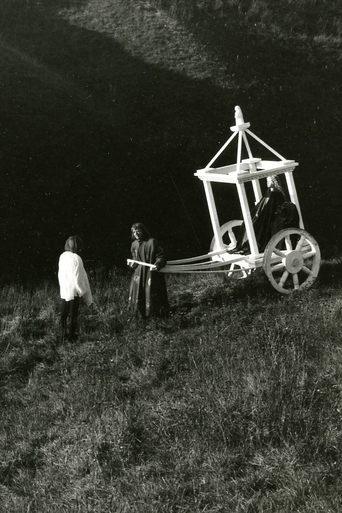
A historical costume drama where the fragments of the adventurous lives of Bernt Notke, one of the most influential Late Gothic painters, and carpenter Michel Sittow are brought together by the story of the panel painting "Danse Macabre" by Notke and the way the painting reached Tallinn, Estonia from Lübeck.
Surmatants
1991
 NR
The documentary portrays artist Evald Okas: an exceptional painter and a diverse graphic artist, a virtuoso drawing artist and creator of thousands of ex libris. Okas was a honorary member of Florence Art Academy, author of numerous book illustrations and master of papercuts, he has practised glass painting and ceramic art. He has been called as the Picasso of Estonian art. 94-year-old Okas tells the story of his colourful life, casts light upon his artwork and reveals the secrets of his principles of working. Tireless artist radiates zest for life and reflects affection towards creative life and looks back at his life with warm humour. Hotblooded passion of creation has never left the grand master.
Evald Okas
2009
Behind the camera
NRThe documentary depicts monuments and heritage artwork that have been closely related to the history of the Republic of Estonia. Estonian sculptors, former political prisoners, social scientists and art historians share their memories in the film. Why do we need our monuments? What kind of attitude has been towards Estonian monuments and heritage artwork during the changing times in local history? Memorial columns can be victims of ideology. Estonia has been governed by several state authorities during the 20th century, all of them have left their own monuments. The destiny of numerous military monuments in East-Europe has become a current issue.
Monument
2008
NRBased on the novella "Mustaja Love" by Estonian writer Arvo Valton. Residents of large modern cities are often unfamiliar with their neighbors, even though they have lived under the same roof for many years. The film's protagonists, a man and a woman who dream of having a family and children, live very close to each other. They could easily have met and fallen in love. All their dreams could have come true, but the meeting of two lonely hearts never happened.
Two
1987
8.0The highlight of Elsbet's and Albert's day is their son's visit. Every day, the old couple serves festive dinner to Lucas in a cozy dining room decorated with lots of flowers. Lucas is content only when the best food and expensive drinks are served. He patronizingly accepts his parents' care and enjoys eating one delicacy after another until he will finally feel sick. The parents have to prove that the food is not poisoned; so they have to taste all the food that they usually won't share with their son.
Luukas
1992
7.0A historical costume drama where the fragments of the adventurous lives of Bernt Notke, one of the most influential Late Gothic painters, and carpenter Michel Sittow are brought together by the story of the panel painting "Danse Macabre" by Notke and the way the painting reached Tallinn, Estonia from Lübeck.
Surmatants
1991
NRThe documentary portrays artist Evald Okas: an exceptional painter and a diverse graphic artist, a virtuoso drawing artist and creator of thousands of ex libris. Okas was a honorary member of Florence Art Academy, author of numerous book illustrations and master of papercuts, he has practised glass painting and ceramic art. He has been called as the Picasso of Estonian art. 94-year-old Okas tells the story of his colourful life, casts light upon his artwork and reveals the secrets of his principles of working. Tireless artist radiates zest for life and reflects affection towards creative life and looks back at his life with warm humour. Hotblooded passion of creation has never left the grand master.
Evald Okas
2009