
Directing
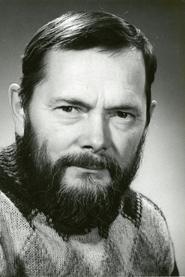
Rein Maran
Born
1931-09-13 (95)
Place of birth
Tartu, Tartu County, Estonia
Known for
Directing
Credits
28 titles
Rein Maran (born September 13, 1931, in Tartu) is an Estonian cinematographer, director, and professor, most notable for teaching at Tallinn University. In 1972, he graduated from a cinematography school. In 1967 he joined Tallinnfilm, and later Eesti Telefilm. On his initiative, he established the Stodom photo group and, in 1989, the Tallinn Photo Club. He is part the Estonian Filmmakers Union, and was its chairman from 1989 to 1993. Since 1996, he teaches at Tallinn University, as part of the culture faculty of film and video training. He has created a series of films about nature, which is also reflected in folk traditions. Maran has also worked with other directors, movies, and document…
Known for
 NR
NRThere are more than 800 known grove sites in Estonia, the ancient holy places of nature. Groves were protected by the religious customs of rural people and its natural environment stayed intact. This way, every grove formed into an original ecosystem due to local conditions of climate, water and soil. Many groves are well-preserved today, some of them, however, are completely gone except a few landscape marks left behind of its existence. The main value of Estonian nature gradually opens up - the variety of the nature surrounding us. Unfortunately, we are not always able to understand the value as the source of balance and inner force. In today's fast-paced lifestyle, it is worth perceiving the Finno-Ugric boreal life and its richness.
Charm of Sacred Groves
2013
 NR
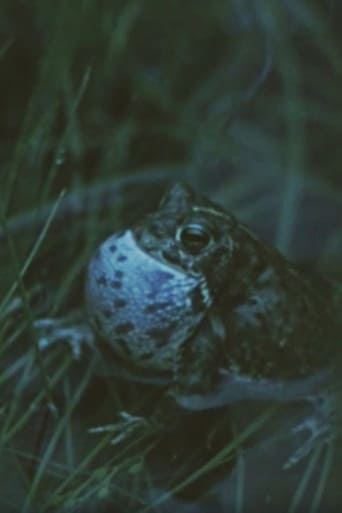
NRToad, the primeval inhabitant of the earth. One of the first living creatures who dared to venture from sea to land and some of whose species are now finding their way to the books of endangered species. Who are they really, these witch's creatures?
Vicious Animal
1982
 NR
NRInteresting and fancy spring tournaments are commencing on the beach meadows. The male ruffs gather here for their spectacular and complex lekking. It is the content of their life. The male bird's plumage beats the cleverest fashion designer's fantasies. We can distinguish the main players, showing off their bright collars, from their satellites and the rejected. In contrast to many other lekking games, the ruffs' lekking has lost its combative character and become completely ritualistic.
Ruffs
1976
 4.5
4.5A wonderful story about how brothers, who came to the forestry during the summer holidays, raised a crane, wolf cubs and other forest animals. The boys learned to love to value and respect both nature itself and its inhabitants, and also realized the responsibility of man for the safety of flora and fauna.
Forestback Summer
1979
A lot remains to be found out about the spirit bird of ancient Estonians, the crane. Rein Maran's magical camera and the informativity that surprises us in his films time and again have produced a science film with a high artistic value.
Sookured
1983
 NR
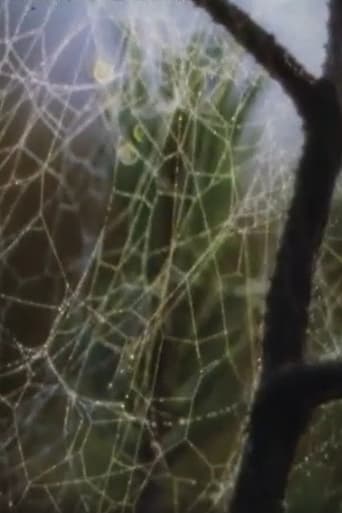
NRAranei - spiders on web threads, leaves of grass and tree bark that may remain unnoticed and misunderstood from the height of the human eye.
Aranei
1979
Film credits
Behind the camera
NRThere are more than 800 known grove sites in Estonia, the ancient holy places of nature. Groves were protected by the religious customs of rural people and its natural environment stayed intact. This way, every grove formed into an original ecosystem due to local conditions of climate, water and soil. Many groves are well-preserved today, some of them, however, are completely gone except a few landscape marks left behind of its existence. The main value of Estonian nature gradually opens up - the variety of the nature surrounding us. Unfortunately, we are not always able to understand the value as the source of balance and inner force. In today's fast-paced lifestyle, it is worth perceiving the Finno-Ugric boreal life and its richness.
Charm of Sacred Groves
2013
NRThere are more than 800 known grove sites in Estonia, the ancient holy places of nature. Groves were protected by the religious customs of rural people and its natural environment stayed intact. This way, every grove formed into an original ecosystem due to local conditions of climate, water and soil. Many groves are well-preserved today, some of them, however, are completely gone except a few landscape marks left behind of its existence. The main value of Estonian nature gradually opens up - the variety of the nature surrounding us. Unfortunately, we are not always able to understand the value as the source of balance and inner force. In today's fast-paced lifestyle, it is worth perceiving the Finno-Ugric boreal life and its richness.
Charm of Sacred Groves
2013
NRThere are more than 800 known grove sites in Estonia, the ancient holy places of nature. Groves were protected by the religious customs of rural people and its natural environment stayed intact. This way, every grove formed into an original ecosystem due to local conditions of climate, water and soil. Many groves are well-preserved today, some of them, however, are completely gone except a few landscape marks left behind of its existence. The main value of Estonian nature gradually opens up - the variety of the nature surrounding us. Unfortunately, we are not always able to understand the value as the source of balance and inner force. In today's fast-paced lifestyle, it is worth perceiving the Finno-Ugric boreal life and its richness.
Charm of Sacred Groves
2013
NRToad, the primeval inhabitant of the earth. One of the first living creatures who dared to venture from sea to land and some of whose species are now finding their way to the books of endangered species. Who are they really, these witch's creatures?
Vicious Animal
1982
NRToad, the primeval inhabitant of the earth. One of the first living creatures who dared to venture from sea to land and some of whose species are now finding their way to the books of endangered species. Who are they really, these witch's creatures?
Vicious Animal
1982
NRInteresting and fancy spring tournaments are commencing on the beach meadows. The male ruffs gather here for their spectacular and complex lekking. It is the content of their life. The male bird's plumage beats the cleverest fashion designer's fantasies. We can distinguish the main players, showing off their bright collars, from their satellites and the rejected. In contrast to many other lekking games, the ruffs' lekking has lost its combative character and become completely ritualistic.
Ruffs
1976
NRInteresting and fancy spring tournaments are commencing on the beach meadows. The male ruffs gather here for their spectacular and complex lekking. It is the content of their life. The male bird's plumage beats the cleverest fashion designer's fantasies. We can distinguish the main players, showing off their bright collars, from their satellites and the rejected. In contrast to many other lekking games, the ruffs' lekking has lost its combative character and become completely ritualistic.
Ruffs
1976
4.5A wonderful story about how brothers, who came to the forestry during the summer holidays, raised a crane, wolf cubs and other forest animals. The boys learned to love to value and respect both nature itself and its inhabitants, and also realized the responsibility of man for the safety of flora and fauna.
Forestback Summer
1979
4.5A wonderful story about how brothers, who came to the forestry during the summer holidays, raised a crane, wolf cubs and other forest animals. The boys learned to love to value and respect both nature itself and its inhabitants, and also realized the responsibility of man for the safety of flora and fauna.
Forestback Summer
1979
A lot remains to be found out about the spirit bird of ancient Estonians, the crane. Rein Maran's magical camera and the informativity that surprises us in his films time and again have produced a science film with a high artistic value.
Sookured
1983
NRAranei - spiders on web threads, leaves of grass and tree bark that may remain unnoticed and misunderstood from the height of the human eye.
Aranei
1979
 NR
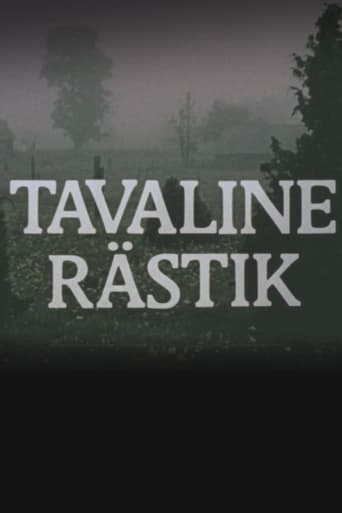
NRThe common European adder, the only venomous snake native to Estonia, has often been feared and hated among the people. "Tavaline rästik" attempts to see behind the fears and introduce this unique reptile.
The Common Viper
1978
NRThe common European adder, the only venomous snake native to Estonia, has often been feared and hated among the people. "Tavaline rästik" attempts to see behind the fears and introduce this unique reptile.
The Common Viper
1978
 NR
NREstonian primitive and untouched bogs and folk songs. Composer Lepo Sumera, singer Anne Maasik.
Rabade Vaikuses
1976
NREstonian primitive and untouched bogs and folk songs. Composer Lepo Sumera, singer Anne Maasik.
Rabade Vaikuses
1976
A documentary film showing works exhibited at the national student art exhibition in the Tallinn Art Hall. The film features folk music arrangements by Veljo Tormis and Edgar Arro.
Põlvest põlve
1974
 NR
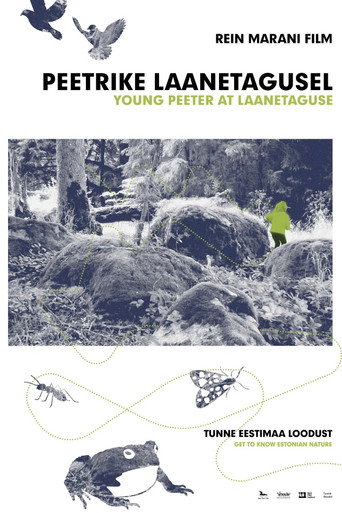
NRThis family film is a story of a child’s explorations of nature and first notices of the surrounding biodiversity. Young Peeter is like a guide taking the viewer to the environment teeming with life – from the broadest and most general view to the finest details, from the largest creatures to the smallest ones. The viewer will find themselves discovering, through his eyes, all possible kinds of miraculous creatures in the grass, on plants, in shrubs and in sky-reaching trees, sharing his astonishment and joy of first discovery. The film is not a fruit of the filmmakers’ fantasy. It is based on watching the behaviour of little humans in natural environments. Every little boy or girl can discover their own „Laanetaguse“ right where they are, in every country home or summer home, every village, town or park – wherever there is a patch of greenery still left.
Young Peeter At Laanetaguse
2018
 NR
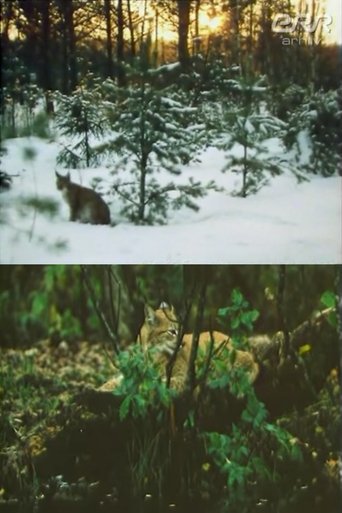
NRRein Maran's film about one of the most beautiful and mysterious animals in our forests. Maran was assisted by cameraman Tõnu Talpsep, artist Ants Säde, sound cameraman Enn Säde, composer Urmas Sisask and others.
The Story of Ilves
1988
 NR
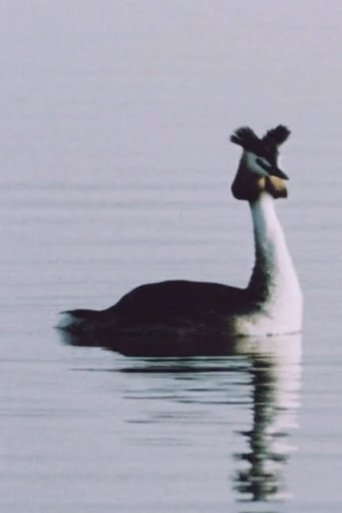
NROne summer, the life cycle of one great crested grebe couple. Screenwriter, director and cinematographer Rein Maran.
Ühe armastuse lugu
1982
NROne summer, the life cycle of one great crested grebe couple. Screenwriter, director and cinematographer Rein Maran.
Ühe armastuse lugu
1982
 NR
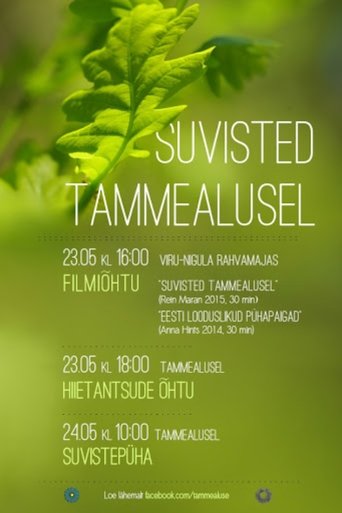
NREvery year, the local people gather with their guests in Samma village in Virumaa near Tammealuse hiie to celebrate the beginning of summer. Memories bring us the knowledge of summer holidays as an important and joyful spring holiday for the rural people, which has been celebrated in Estonia through the ages to greet the coming summer. The summer holidays or summers included many traditional activities - tidying up the home and its surroundings, decorating with birches, going to the sauna. The party itself took place at the nearest ski resort, where a swing and a campfire were erected. The whole family came here. Various rituals were sung, danced, swung, played, eaten and performed. Something has come of this today. The film brings a part of it to the viewers.
Suvisted Tammealusel
2015
 NR
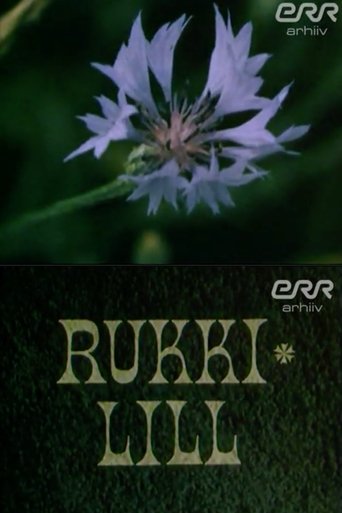
NRCornflower - a common weed in a rye field ... A modest bouquet of cornflowers, which is repeatedly given to survivors, mating couples and all those who want to be modestly and dignified. Rye flowers also commemorate the deceased. The image of a cornflower almost always appears on the rosy rugs of Muhu and Western Estonia, and elsewhere in the embroidery of folk costumes. The cornflower is the national flower of Estonia - a symbol of a rich life.
Rye Flower
1989
A documentary about the multitude of insect, bird and animal species in the nature.
Elulõim
1986
 NR
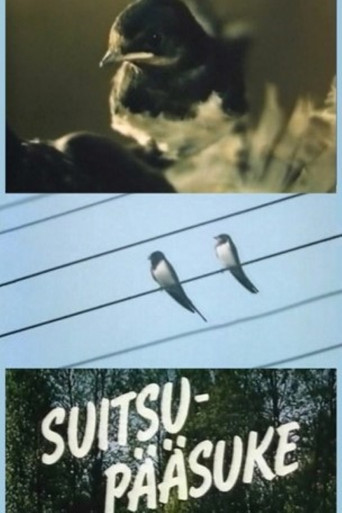
NRThe author Rain Maran introduces us to the national symbol of the country, the village swallow, as well as to the urban swallow and the coastal swallow, or shorebird. The music for the film was written by Urmas Sizask.
Village Swallow
1990
NRThe author Rain Maran introduces us to the national symbol of the country, the village swallow, as well as to the urban swallow and the coastal swallow, or shorebird. The music for the film was written by Urmas Sizask.
Village Swallow
1990
A poetic feature film about Estonian nature, briefly about cities, industry and agriculture.
Ilus on maa
1984
A poetic feature film about Estonian nature, briefly about cities, industry and agriculture.
Ilus on maa
1984