
Writing
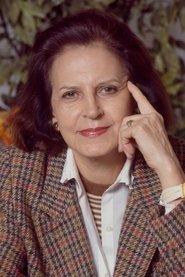
Lygia Fagundes Telles
Born — Died
1918-04-19 — 2022-04-03
Place of birth
São Paulo, São Paulo, Brazil
Known for
Writing
Credits
8 titles
Lygia Fagundes da Silva Telles (née de Azevedo Fagundes; 19 April 1918 – 3 April 2022), also known as "the lady of Brazilian literature" and "the greatest Brazilian writer" while alive, was a Brazilian novelist and writer, considered by academics, critics and readers to be one of the most important and notable Brazilian writers in the 20th century and the history of Brazilian literature. In addition to being a lawyer, Lygia was widely represented in postmodernism, and her works portrayed classic and universal themes such as death, love, fear and madness, as well as fantasy. Born in São Paulo, and educated as a lawyer, she began publishing soon after she completed high school and simultaneou…
Known for
 NR
NRA reflection on books and culture through testimonies and images from the Rio de Janeiro's National Library. In this work commissioned by the Ministry of Culture, the director forgoes voice-over in favor of a polyphonic discourse, combining more informative speeches from representatives of institutions with speeches by, for example, Sérgio Sant'Anna and Lygia Fagundes Telles, who express, in a different tone, their passion and vocation for books.
Biblioteca Nacional
1997
 4.4
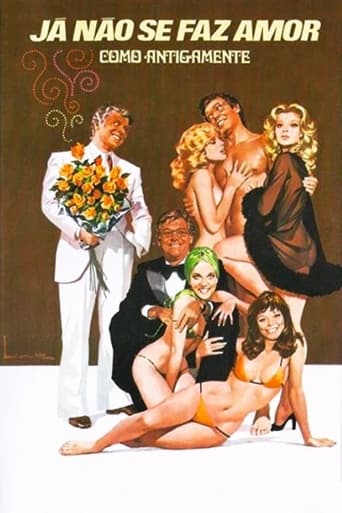
4.4Film in three segments. In the first, father is suspicious about his son's masculinity. The second one shows a Don Juan-like guy who, at church for his own wedding, cannot remember who the bride might be. In the third, a rich husband tries to find the tattooed man he saw escaping through his wife's bedroom window.
Já Não Se Faz Amor Como Antigamente
1976
 7.0
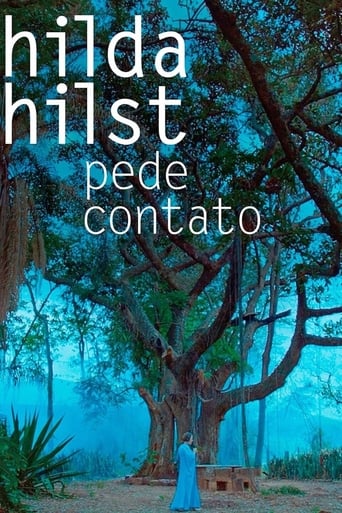
7.0Documentary about the poet, writer and playwright Hilda Hilst, considered by critics as one of the most important voices of the Portuguese language of the twentieth century. Through the use of personal sound and image files, interviews, meetings and fictional interventions, we will seek the memory and the presence of Hilda Hilst in her daily life at Casa do Sol, the farm where she lived in Campinas.
Hilda Hilst Pede Contato
2018
 NR
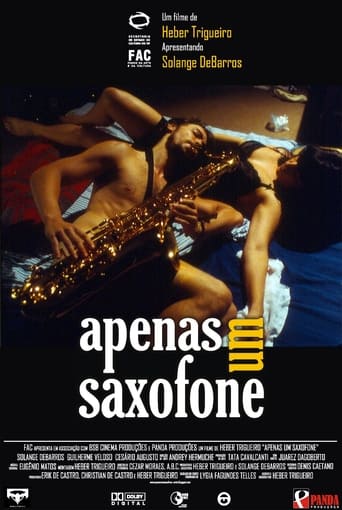
NRNo synopsis available yet.
Apenas um Saxofone
2008
 5.9
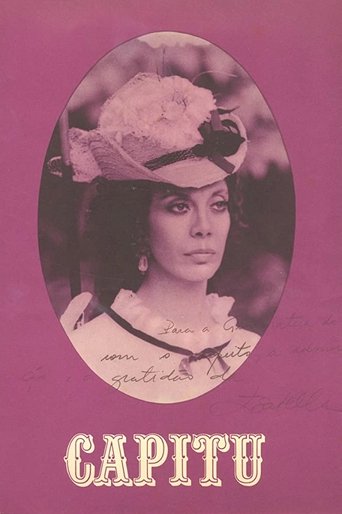
5.9Adaptation of Machado de Assis’s classic novel “Dom Casmurro”. Bentinho and Capitu are friends since childhood and end up marrying. But Bentinho destroys his life when he starts suspecting Capitu has an affair with his best friend and that his son is not really his.
Capitu
1968
 NR
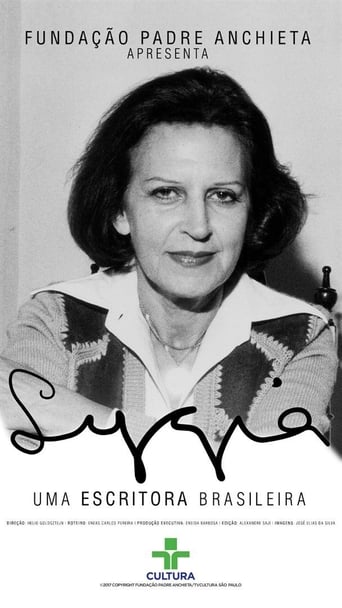
NRNo synopsis available yet.
Lygia, Uma Escritora Brasileira
2017
Film credits
2010s · 2 titles
7.0Documentary about the poet, writer and playwright Hilda Hilst, considered by critics as one of the most important voices of the Portuguese language of the twentieth century. Through the use of personal sound and image files, interviews, meetings and fictional interventions, we will seek the memory and the presence of Hilda Hilst in her daily life at Casa do Sol, the farm where she lived in Campinas.
Hilda Hilst Pede Contato
2018
NRNo synopsis available yet.
Lygia, Uma Escritora Brasileira
2017
2000s · 2 titles
 10.0
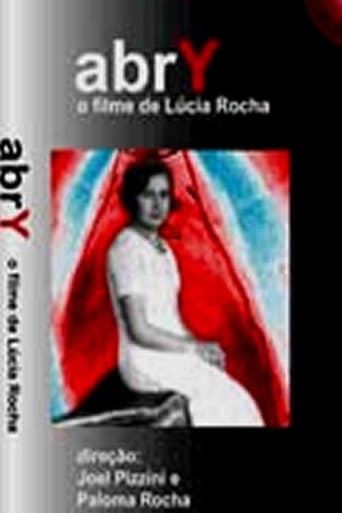
10.0At 84 years of age, Lúcia Rocha admitted herself to a hospital in São Paulo to undergo heart tests. Upon receiving the news about the risk to her life, Lúcia, laconic, tells the doctor: 'Then open it'. This is the second time she has undergone bypass surgery. From this gesture, the documentary Abry was born (with y, sign of the unconscious, according to the nomenclature invented by his son, Glauber Rocha). To relate her memories, she invites filmmaker Joel Pizzini, who offers his mini camera as an instrument to amplify Lúcia's imagination. Abry is a poetic dive into Lúcia Rocha's fabulous universe, reconstructing her trajectory in Brazilian cinema through sounds, images and characters with whom she lived closely.
Abry
2003
 NR
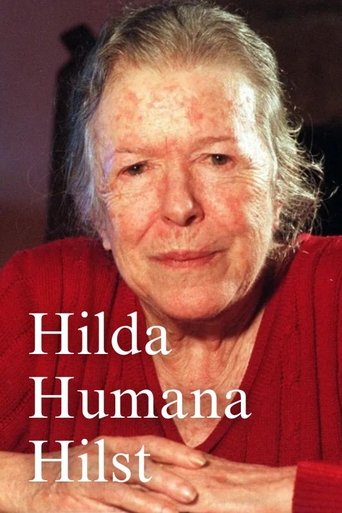
NR"Hilda Humana Hilst" is a documentary that explores the life and work of writer Hilda Hilst, one of the most enigmatic figures in Brazilian literature. Combining interviews, archival footage, and testimonials from friends and scholars, the film outlines the author's journey, from her poetic and theatrical works to her more experimental writings. In addition to addressing her literary production, the film also delves into her philosophical and spiritual aspects and the influence she had on her contemporaries.
Hilda Humana Hilst
2002
Behind the camera
4.4Film in three segments. In the first, father is suspicious about his son's masculinity. The second one shows a Don Juan-like guy who, at church for his own wedding, cannot remember who the bride might be. In the third, a rich husband tries to find the tattooed man he saw escaping through his wife's bedroom window.
Já Não Se Faz Amor Como Antigamente
1976
NRNo synopsis available yet.
Apenas um Saxofone
2008
5.9Adaptation of Machado de Assis’s classic novel “Dom Casmurro”. Bentinho and Capitu are friends since childhood and end up marrying. But Bentinho destroys his life when he starts suspecting Capitu has an affair with his best friend and that his son is not really his.
Capitu
1968