
Writing
Gorō Tanada
Born — Died
1913-10-23 — 1989-10-24
Known for
Writing
Credits
40 titles
Japanese screenwriter.
Known for
 6.6
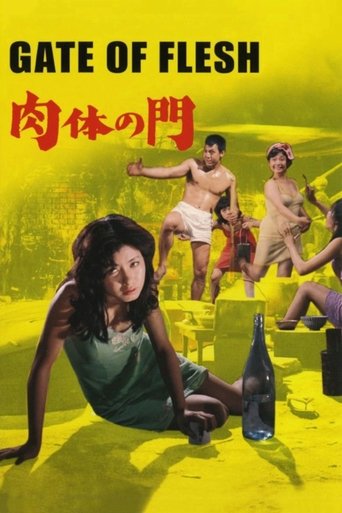
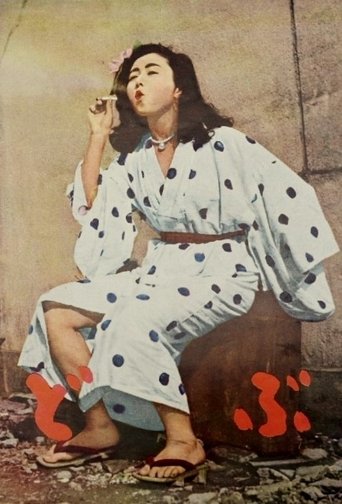
In the shady black markets and bombed-out hovels of post–World War II Tokyo, a tough band of prostitutes eke out a dog-eat-dog existence, maintaining tenuous friendships and a semblance of order in a world of chaos. But when a renegade ex-soldier stumbles into their midst, lusts and loyalties clash, with tragic results. With Gate of Flesh, visionary director Seijun Suzuki delivers a whirlwind of social critique and pulp drama, shot through with brilliant colors and raw emotions.
Gate of Flesh
1964
 NR
Film by Buichi Saitô
Hana no unga
1956
 NR
No synopsis available yet.
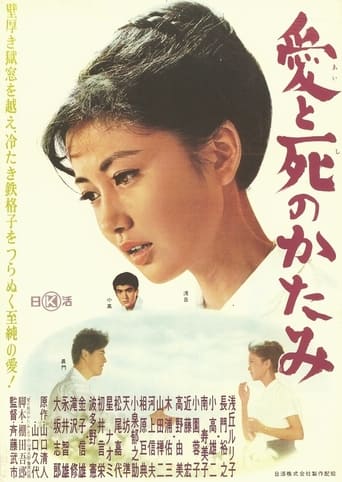
Ai to shi no katami
1962
 7.0
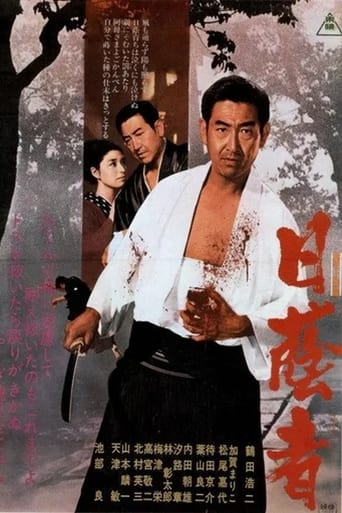
With his penultimate film, Uchida revisited one of his popular prewar titles, 1936’s Theatre of Life, an adaptation of Shiro Ozaki’s eponymous novel. Three-time Seijun Suzuki collaborator Goro Tanada wrote a gangsterized adaptation of Ozaki’s story for Uchida at a time when the yakuza had eclipsed the samurai genre as Toei's main cash crop. Protagonist Hishakaku murders a man in a quarrel over a barmaid and goes to jail. In his temporary absence, his girlfriend Otoyo, a former geisha, falls for Hishakaku’s brother, inciting a dangerous love triangle that, in typical yakuza fashion, ends tragically.
Hishakaku and Kiratsune: A Tale of Two Yakuza
1968
 7.5
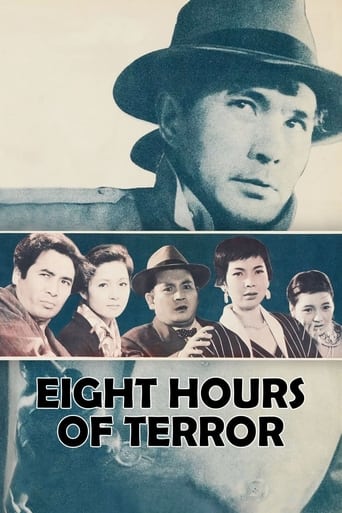
A bus making its precarious way across a winding mountain road picks up some unwelcome passengers.
Eight Hours of Terror
1957
 10.0
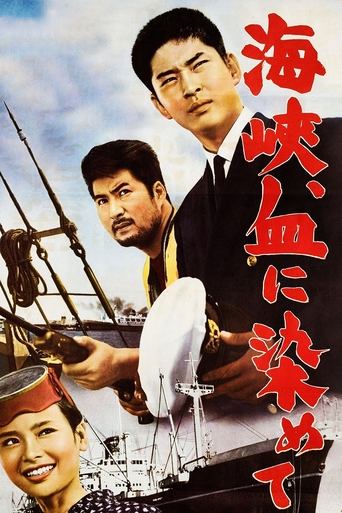
Nikkatsu finally responds to Suzuki's growing discontentment by giving him a bigger budget and a better script. This episodic collection of "real coast guard action stories" was the perfect vehicle for Koji Wada. Whatever negative press he had received for Tokyo Knights was quickly forgotten. He became the new "teen star." And Suzuki: "the director to watch."
Blood-Red Water in the Channel
1961
Behind the camera
6.6In the shady black markets and bombed-out hovels of post–World War II Tokyo, a tough band of prostitutes eke out a dog-eat-dog existence, maintaining tenuous friendships and a semblance of order in a world of chaos. But when a renegade ex-soldier stumbles into their midst, lusts and loyalties clash, with tragic results. With Gate of Flesh, visionary director Seijun Suzuki delivers a whirlwind of social critique and pulp drama, shot through with brilliant colors and raw emotions.
Gate of Flesh
1964
NRFilm by Buichi Saitô
Hana no unga
1956
NRNo synopsis available yet.
Ai to shi no katami
1962
7.0With his penultimate film, Uchida revisited one of his popular prewar titles, 1936’s Theatre of Life, an adaptation of Shiro Ozaki’s eponymous novel. Three-time Seijun Suzuki collaborator Goro Tanada wrote a gangsterized adaptation of Ozaki’s story for Uchida at a time when the yakuza had eclipsed the samurai genre as Toei's main cash crop. Protagonist Hishakaku murders a man in a quarrel over a barmaid and goes to jail. In his temporary absence, his girlfriend Otoyo, a former geisha, falls for Hishakaku’s brother, inciting a dangerous love triangle that, in typical yakuza fashion, ends tragically.
Hishakaku and Kiratsune: A Tale of Two Yakuza
1968
7.5A bus making its precarious way across a winding mountain road picks up some unwelcome passengers.
Eight Hours of Terror
1957
10.0Nikkatsu finally responds to Suzuki's growing discontentment by giving him a bigger budget and a better script. This episodic collection of "real coast guard action stories" was the perfect vehicle for Koji Wada. Whatever negative press he had received for Tokyo Knights was quickly forgotten. He became the new "teen star." And Suzuki: "the director to watch."
Blood-Red Water in the Channel
1961
Eiji Izutsu, a young architectural engineer, suddenly came into a massive inheritance on the condition that he marry a woman named Chigusa Takemura, who owned a jade ring. If he failed to fulfill this condition, the inheritance would go to Chigusa instead.
Byakuran kōran
1952
 9.0
A bus driver and a female conductor on a route deep in the mountains are embroiled in a love affair that is depicted in great detail in this light-hearted romantic drama.
Echo Mountain
1959
 NR
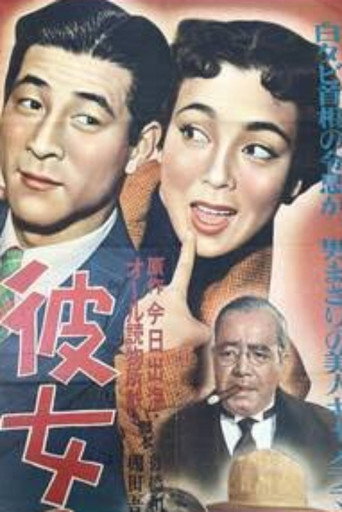
No synopsis available yet.
Kanojo no tokudane
1952
 7.0
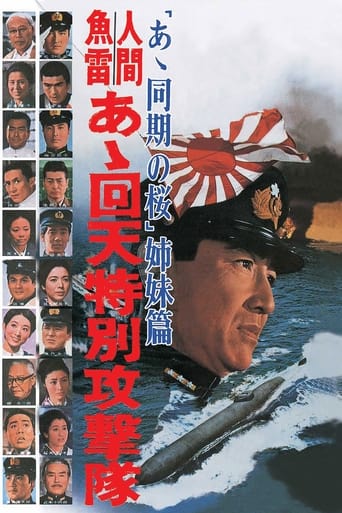
Story of loyal sailors giving their lives for their country as human torpedoes towards the end of the War.
Human Torpedoes
1968
 10.0
No synopsis available yet.
The Domain: Flower and Dragon
1969
 NR
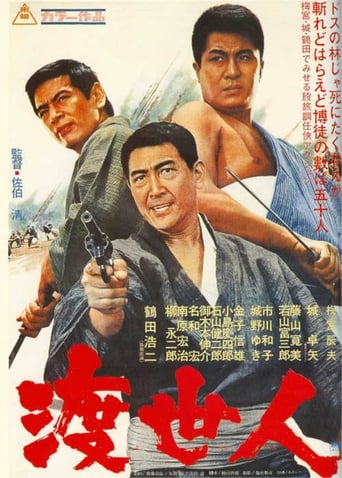
No synopsis available yet.
Gambler's World
1967
 7.5
Postwar Tokyo. Pin and Toku live in the squatter area of Kappanuma. Pin and Toku are avid gamblers. They take in Tsuru, a slightly demented woman who has run away from a geisha house.
Ditch
1954
 NR
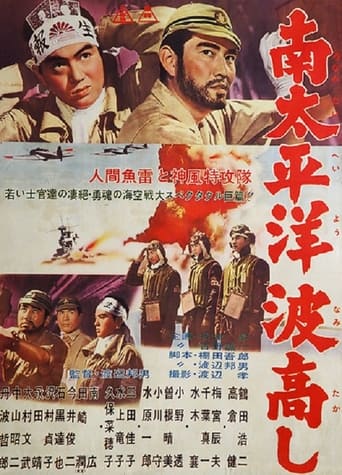
1962 Japanese movie
South Pacific Waves Are High
1962
 NR
1966 Toei Comedy
Third Class Soldier Boss
1966
 9.5
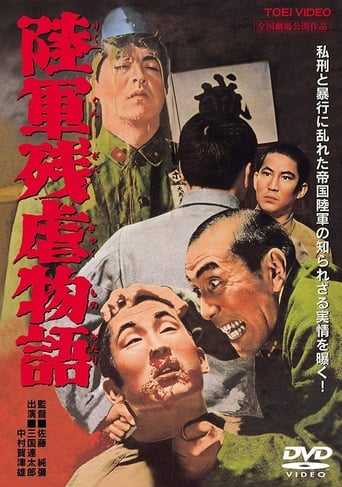
Director Jun'ya Satô's debut film focuses on the inhuman training of recruits, the brutal drill system that reigned in the Japanese army during World War II, where in the first two years of training, ordinary people were turned into inhuman killers. For his first film, the director was awarded the Blue Ribbon Awards in the Debutant of the Year nomination.
Tale of Army Brutality
1963
 10.0
Kazama and three others defeated Yoshie Sangyo, but the Nishio group was disbanded due to public pressure, and the territory belonged to the Hirata group.
The Fatal Raid
1969
 10.0
The Domain: Severed Relations
The Domain: Severed Relations
1968
 8.0
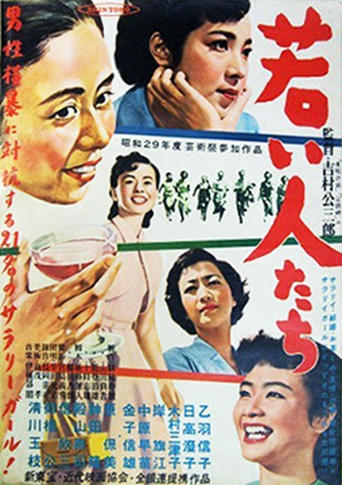
No synopsis available yet.
Wakai hito-tachi
1954
 NR
Thriller about a gangster and an outlaw who become friends despite their different outlooks.
Gambler's World 2
1967
 NR
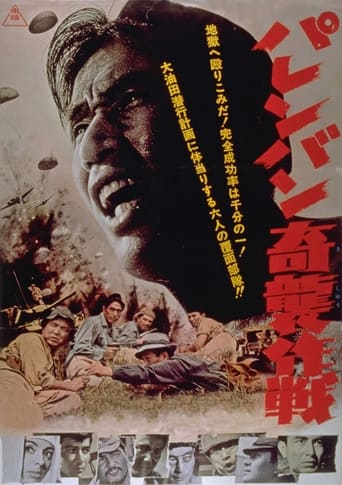
1963 Toei war / action film.
Element of Surprise
1963
 NR
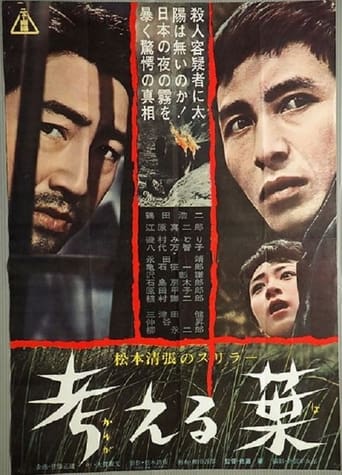
Based on the novel of the same name by Seichō Matsumoto.
The Thinking Leaf
1962
 NR
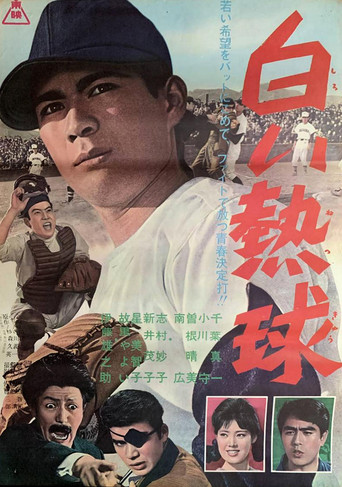
1963 Toei movie.
White Ball
1963
 7.0
No synopsis available yet.
Yoake no hata matsumoto jiichirō Den
1976
 NR
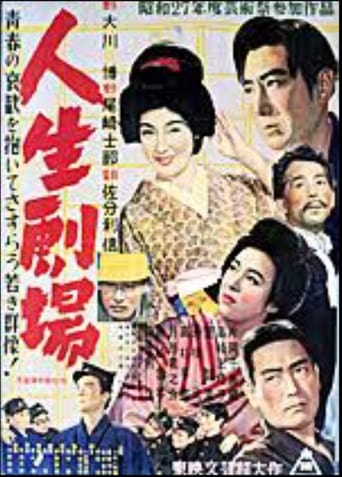
Part one of Shin Saburi's Theater of Life adaptation.
Jinsei Gekijo: dai ichi bu
1952
 7.0
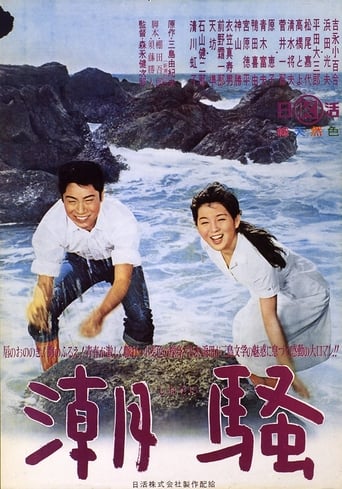
On a small island, inhabited by only fourteen hundred people, a young fisherman's son, Shinji falls in love with Hatsue, the daughter of the richest and most difficult man on the island. Despite their differences in class, they begin to meet and rumors spread of them having an illicit affair. Soon after, Shinji jumps into a stormy sea to help a ship in distress. The vessel turns out to be owned by Hatsue's arrogant father, who now becomes an understanding and sympathetic parent and allows the two lovers to marry.
The Sound of Waves
1964
 4.0
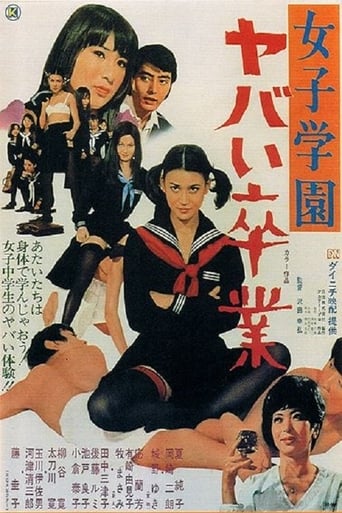
Sex games by students at a junior high school are exposed by the principal and teachers, but the tables are turned in favor of the students.
Hazardous Graduation
1970
Young Mariko is torn between two admirers, Natsukawa and Rikizo.
A Windmill, Tulips and Love
1966
No synopsis available yet.
Utsukushiki hyō
1948
 NR
Part 7 in the Gambling Den series. This time Koji Tsuruta is a gambler who feels sympathetic towards a woman whose naive husband is driven to a debt trap by a rotten gambling den owner (Tatsuo Endo) and his dishonest card dealer (Isamu Nagato). The plot is standard stuff and features too much talk, but there's also a decent balance between melodrama and lyricism in the form and storytelling. Tsuruta was a perfect fit for these kind of roles, with the stoic and emotional sides nicely mixed in his screen persona.
A Gambler's Certain Death
1969
 NR
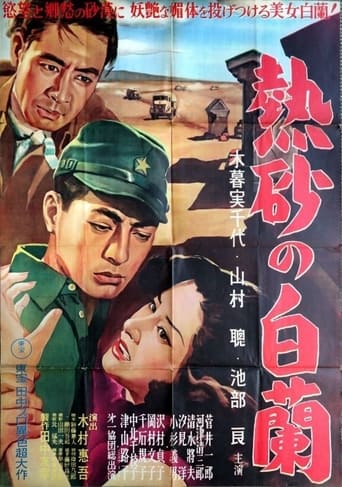
A Japanese adaptation of Guy de Maupassant's short story Boule de Suif, directed by Kimura Keigo
The White Orchid
1951
 NR
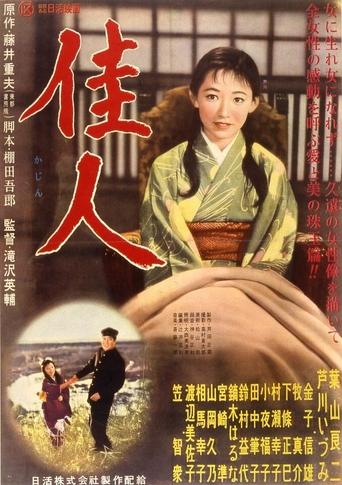
No synopsis available yet.
Forever, My Love
1958
 NR
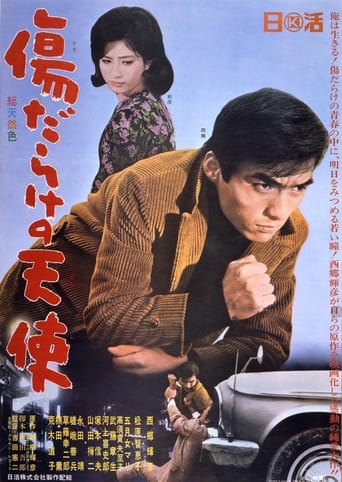
A musical film based on the original work of Saigo Teruhiko. After leaving the juvenile detention center and returning to his hometown of Ibusuki, Hachiro begins to investigate the cause of his older sister Sumiko's suicide. While Hachiro was in juvenile detention, Sumiko committed suicide, but there are too many mysteries surrounding this suicide...
The Scarred Angel
1966
 8.0
No synopsis available yet.
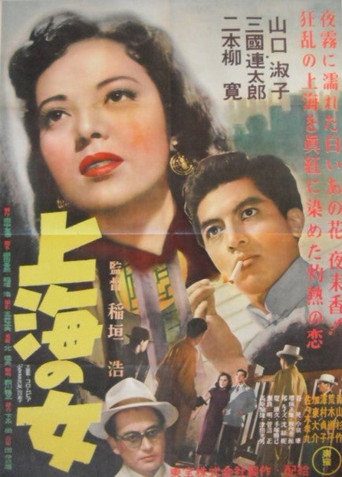
Shanghai Rose
1952
 NR
No synopsis available yet.
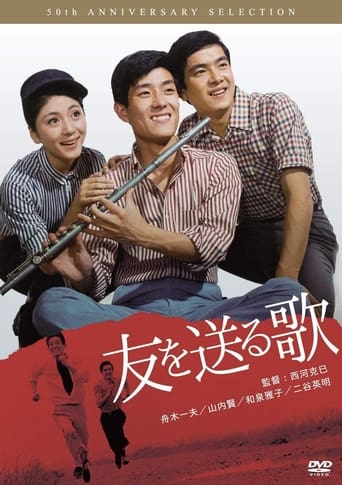
Tomo o okuru uta
1966
 NR
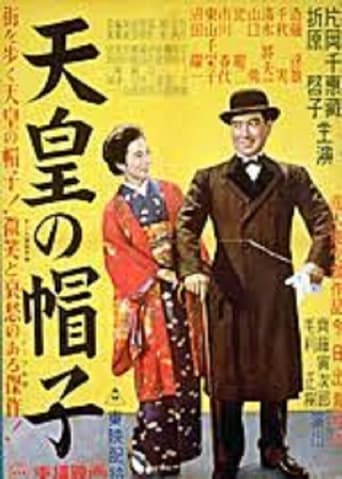
A man working in a museum steals the Emperor's hat on display.
The Emperor's Hat
1950
 9.0
A Yakuza film directed by Kôsaku Yamashita
Hikage-Mono
1972
 NR
No synopsis available yet.
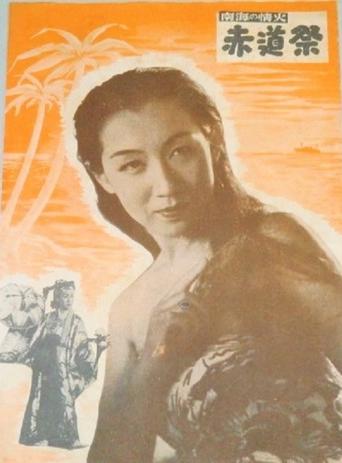
Sekidô matsuri
1951
 NR
Dr. Kinoshita, whose rocket experiments had been a series of failures, discovers a strange flying saucer zooming through the night sky at super speed. He contacts the newspaper about it, but the editor dismisses him, saying he's gone mad and doesn't take him seriously at all. This is the imaginative sci-fi comedy "Frankie 14," featuring a groundbreaking and innovative story with flying saucers of unparalleled rarity and the appearance of artificial satellite people produced from single cells.
Frankie's Aliens
1957
 NR
Part two of Shin Saburi's Theater of Life adaptation.
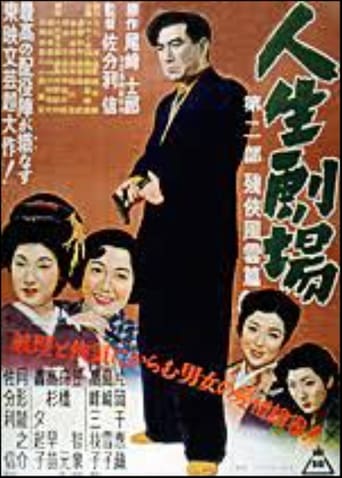
Jinsei Gekijo: dai ni bu
1953