
Directing
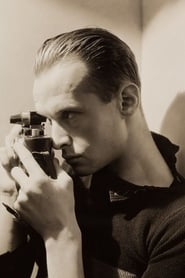
Henri Cartier-Bresson
Born — Died
1908-08-22 — 2004-08-03
Place of birth
Chanteloup-en-Brie, France
Known for
Directing
Credits
24 titles
Henri Cartier-Bresson (22 August 1908 – 3 August 2004) was a French artist and humanist photographer considered a master of candid photography, and an early user of 35mm film. He pioneered the genre of street photography, and viewed photography as capturing a decisive moment.
Known for
 7.2
7.2Omnibus was an arts-based BBC television documentary series, broadcast mainly on BBC1 in the United Kingdom. The programme was the successor to the long-running arts-based series 'Monitor'. It ran from 1967 until 2003, usually being transmitted on Sunday evenings. During its 35-year history, the programme won 12 Bafta awards. Among the series' best remembered documentaries are Cracked Actor, a profile of David Bowie, and Rene Magritte, a graduate film by David Wheatley, 'Madonna: Behind the American dream', a film produced by Nadia Hagger, and a profile of the British film director Ridley Scott. For a season in 1982, the series was in a magazine format presented by Barry Norman. The series was replaced by 'Imagine' hosted by Alan Yentob.
Omnibus
1967
 7.3
7.3Monitor was a BBC arts programme that was launched on 2 February 1958 and ran until 1965. Huw Wheldon was the first editor from 1958 to 1965. He was also the principal interviewer and anchor. Wheldon set about moulding a team of talents, including John Schlesinger, Ken Russell, Patrick Garland, David Jones, Humphrey Burton, John Berger, Peter Newington, Melvyn Bragg, Nancy Thomas and Alan Tyrer. Monitor ranged in subject over all the arts. Wheldon's Monitor lasted until he had "interviewed everyone I am interested in interviewing", and he was succeeded by Jonathan Miller for the series' last season.
Monitor
1958
 7.5
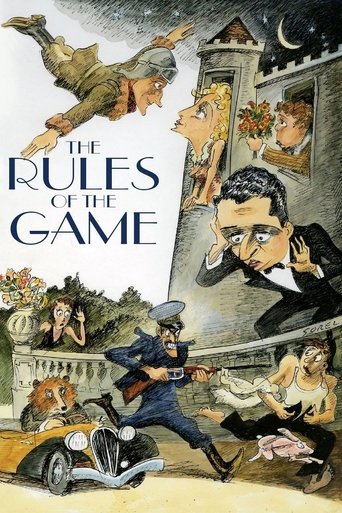
7.5The Marquis de la Chesnaye and his wife host a weekend gala where a variety of complicated romantic and social entanglements between guests and servants lead to tragedy, all against the backdrop of a looming war.
The Rules of the Game
1939
 6.2
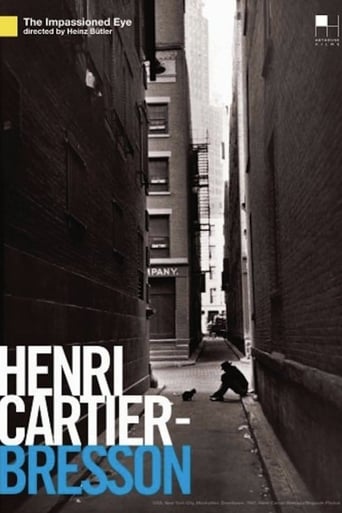
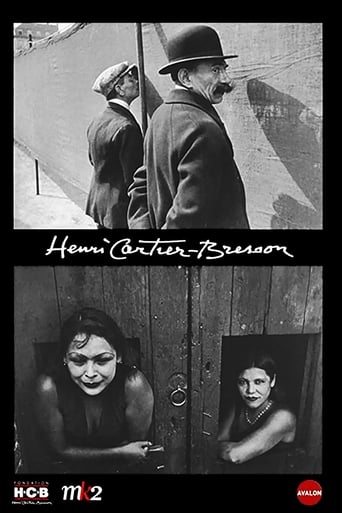
6.2Heinz Bütler interviews Henri Cartier-Bresson (1908-2004) late in life. Cartier-Bresson pulls out photographs, comments briefly, and holds them up to Bütler's camera. A few others share observations, including Isabelle Huppert, Arthur Miller, and Josef Koudelka. Cartier-Bresson talks about his travels, including Mexico in the 1930s, imprisonment during World War II, being with Gandhi moments before his assassination, and returning to sketching late in life. He shows us examples. He talks about becoming and being a photographer, about composition, and about some of his secrets to capture the moment.
Henri Cartier-Bresson: The Impassioned Eye
2003
Impressions of Mississippi by Henri Cartier-Bresson.
Southern Exposures
1971
 7.3
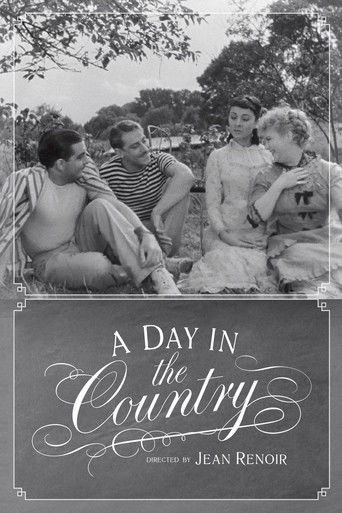
7.3The family of a Parisian shop-owner spends a day in the country. The daughter falls in love with a man at the inn, where they spend the day.
A Day in the Country
1946
Film credits
2010s · 1 titles
2000s · 3 titles
6.2Heinz Bütler interviews Henri Cartier-Bresson (1908-2004) late in life. Cartier-Bresson pulls out photographs, comments briefly, and holds them up to Bütler's camera. A few others share observations, including Isabelle Huppert, Arthur Miller, and Josef Koudelka. Cartier-Bresson talks about his travels, including Mexico in the 1930s, imprisonment during World War II, being with Gandhi moments before his assassination, and returning to sketching late in life. He shows us examples. He talks about becoming and being a photographer, about composition, and about some of his secrets to capture the moment.
Henri Cartier-Bresson: The Impassioned Eye
2003
 6.7
6.7A good insight insights into the one of the greatest minds in photography. Henri Cartier-Bresson (August 22, 1908 -- August 3, 2004) was a French photographer considered to be the father of photojournalism. He was an early adopter of 35 mm format, and the master of candid photography. He helped develop the street photography or life reportage style that was coined The Decisive Moment that has influenced generations of photographers who followed.
Just Plain Love
2001
 5.0
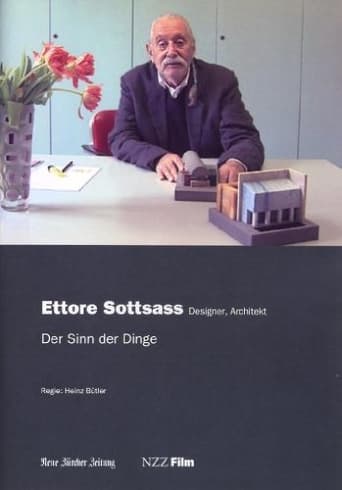
5.0Documentary about one of the most important architects of the 20th century.
Ettore Sottsass - Der Sinn der Dinge
2007
1990s · 2 titles
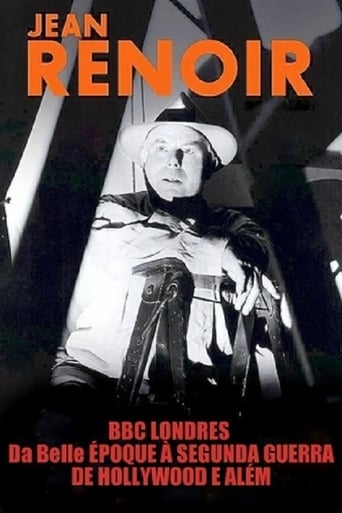 8.5
8.5Part one of a BBC documentary about Jean Renoir.
Jean Renoir: Part One - From La Belle Époque to World War II
1993
 7.0
7.0A compilation of 30 French filmmakers, Alain Resnais and Jean Luc Godard among them, who use film to make a plea on behalf of a political prisoner. Jean Luc Godard and Anne Marie Mieville's film concerns the plight of Thomas Wanggai, West Papuan activist who has since died in prison. The short films were commissioned by Amnesty International.
Lest We Forget
1991
1960s · 3 titles
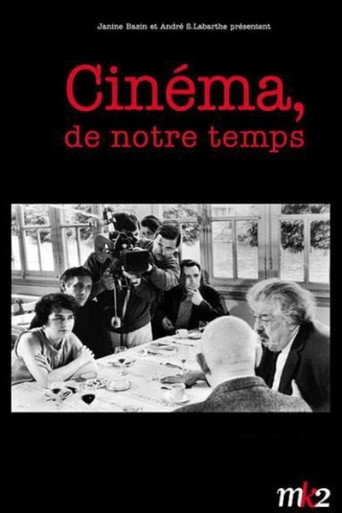 8.0
8.0Second in the documentary trilogy from mastermind Jacques Rivette, featuring a conversation between Jean Renoir and Michel Simon, who celebrate their reunion by discussing, among other things, La Chienne (1931) and Boudu Saved from Drowning (1932).
Jean Renoir, le patron, 2e partie: La direction d'acteur
1967
Examines the work and contributions of the French photographer Henri Cartier-Bresson, considered to be the father of modern film journalism.
Henri Cartier-Bresson: The Modern Adventure
1962
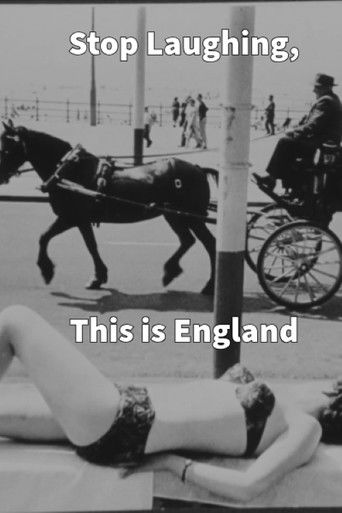 NR
NRAn amusing portrait of the English at work and at play in the industrial north of the country. Photographs by Henri Cartier Bresson. Broadcasted only once, in the cultural program Tempo, in 1963, on the ITV/ABC channel. The photographs filmed in the title box are cropped and augmented with tenderly ironic commentary on the English, inspired by Cartier-Bresson's notes for this commission.
Stop Laughing, This Is England
1963
Series credits
7.2Omnibus was an arts-based BBC television documentary series, broadcast mainly on BBC1 in the United Kingdom. The programme was the successor to the long-running arts-based series 'Monitor'. It ran from 1967 until 2003, usually being transmitted on Sunday evenings. During its 35-year history, the programme won 12 Bafta awards. Among the series' best remembered documentaries are Cracked Actor, a profile of David Bowie, and Rene Magritte, a graduate film by David Wheatley, 'Madonna: Behind the American dream', a film produced by Nadia Hagger, and a profile of the British film director Ridley Scott. For a season in 1982, the series was in a magazine format presented by Barry Norman. The series was replaced by 'Imagine' hosted by Alan Yentob.
Omnibus
1967
7.3Monitor was a BBC arts programme that was launched on 2 February 1958 and ran until 1965. Huw Wheldon was the first editor from 1958 to 1965. He was also the principal interviewer and anchor. Wheldon set about moulding a team of talents, including John Schlesinger, Ken Russell, Patrick Garland, David Jones, Humphrey Burton, John Berger, Peter Newington, Melvyn Bragg, Nancy Thomas and Alan Tyrer. Monitor ranged in subject over all the arts. Wheldon's Monitor lasted until he had "interviewed everyone I am interested in interviewing", and he was succeeded by Jonathan Miller for the series' last season.
Monitor
1958
Behind the camera
Impressions of Mississippi by Henri Cartier-Bresson.
Southern Exposures
1971
 6.8
6.8Live footage from concentration camps after the liberation, and the complex transport and lodging of masses of prisoners of war and other deported people back to their home countries, at the end of World War II. A 45min 35mm print also exists (shown at Cinémathèque française in 2023).
Reunion
1946
Impressions of California as seen by Henri Cartier-Bresson.
California Impressions
1970
 6.4
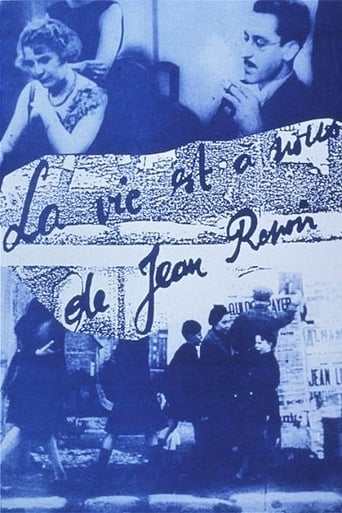
6.4A propaganda film of the communist party of France, showing how the comrades help the proletariat against the capitalists.
Life Is Ours
1936
NRAn amusing portrait of the English at work and at play in the industrial north of the country. Photographs by Henri Cartier Bresson. Broadcasted only once, in the cultural program Tempo, in 1963, on the ITV/ABC channel. The photographs filmed in the title box are cropped and augmented with tenderly ironic commentary on the English, inspired by Cartier-Bresson's notes for this commission.
Stop Laughing, This Is England
1963
 4.8
4.8This advocacy documentary about the Lincoln Brigade was shot during the Spanish Civil War to raise funds for bringing wounded American volunteers home. Some 2,800 Americans enlisted in the International Brigades to fight against fascism in defense of the Spanish Republic. The film was directed by Henri Cartier-Bresson with Herbert Kline and additional photography was provided by Jacques Lemare and Robert Capa. This film is held at New York University’s Tamiment Library and is part of a vast collection of materials in the Abraham Lincoln Brigades Archive.
With the Abraham Lincoln Brigade in Spain
1937
In this propaganda film intended to raise money for republicans fighting in the Spanish Civil War, Henri Cartier-Bresson first presents the achievements of the Spanish Republic in the field of public health. He then shows how members of the public and organizations across the world were supporting the fighters.
Return to Life
1937
 7.0
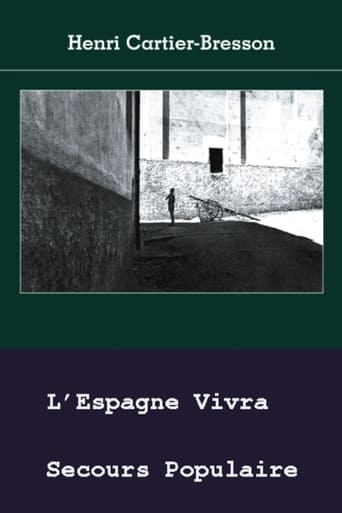
7.0In July 1936, the Spanish people resist the offensive by Franco’s army, backed by Italian and German fascists, aimed at conquering the country's major cities. Although many of the recruits to the new Republican Army are well trained, weapons and ammunition remain in short supply due to the non-intervention agreement initiated by France and signed by Italy and Germany. Yet the latter two countries continue to provide Franco’s army with military support and commit their troops on Spanish soil, while the fighters of the International Brigades return home.
Spain Will Live
1939
 6.3
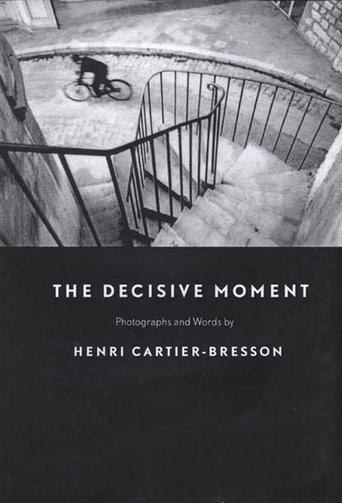
6.3Henri Cartier-Bresson: The Decisive Moment is an 18-minute film produced in 1973 by Scholastic Magazines, Inc. and the International Center of Photography. It features a selection of Cartier-Bresson’s iconic photographs, along with rare commentary by the photographer himself.
The Decisive Moment
1973