

Directing
Mauricio Kagel
Born — Died
1931-12-24 — 2008-09-18
Place of birth
Buenos Aires, Argentina.
Known for
Directing
Credits
10 titles
Mauricio Kagel (1931–2008) was an Argentine-German composer, conductor, librettist and director. His oeuvre includes instrumental music and works for music theater, as well as the composition and production of radio plays and films. He made an important contribution to New Music in the second half of the 20th century.
Known for
Annual awarding of the Grimme Awards.
Grimme Award
1964
 NR
From Mauricio Kagel, a short follow-up to his previous effort Solo.
Duo
1968
 5.7
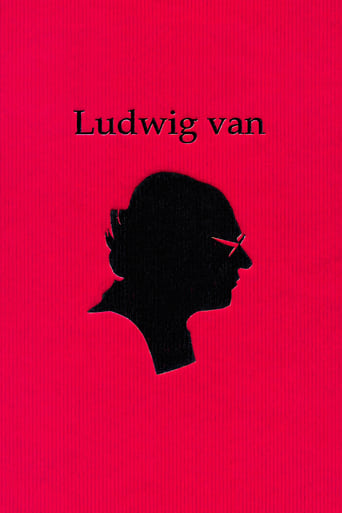
An odyssey through Beethoven’s lasting presence and influence in our modern world – viewed through the eyes of the composer himself.
Ludwig van
1970
Short film release
Solo
1967
 NR
Experimental electronic composition and film by Argentine-German composer Mauricio Kagel, Antithese is also a surreal innovative multimedia/interdisciplinary performance.
Antithese
1965
 NR
Hallelujah is one of Kagel's major works, a surreal story about the mouth and it's many permutations. Hands, eyes, lips, tongues, etc are in quite a quandary without means of escape.
Hallelujah
1969
Film credits
Series credits
Behind the camera
NRFrom Mauricio Kagel, a short follow-up to his previous effort Solo.
Duo
1968
5.7An odyssey through Beethoven’s lasting presence and influence in our modern world – viewed through the eyes of the composer himself.
Ludwig van
1970
Short film release
Solo
1967
NRExperimental electronic composition and film by Argentine-German composer Mauricio Kagel, Antithese is also a surreal innovative multimedia/interdisciplinary performance.
Antithese
1965
NRHallelujah is one of Kagel's major works, a surreal story about the mouth and it's many permutations. Hands, eyes, lips, tongues, etc are in quite a quandary without means of escape.
Hallelujah
1969
Kagel’s interest in the theatricality of objects is also a demonstration of the detachment he wishes to keep between an object and its function, presenting situations with diverse interpretative possibilities, keeping the audience frustrated as to the purpose of the actions and the objects connected with them. Repertoire, a movement taken from his major theatre work Staatstheater, presents a hundred brief scenes without text or plot, that involve interactions between objects and people.
Repertoire
1990
Short film release
Match für drei Spieler
1967
 5.0
MM51 does more than mark time, it mics it. Film within film as Murnau's silent "Nosferatu" leads an accompanist by the hand, and whose feet are quite literally tied to time. A tug of war between the vertical and the horizontal.
MM 51 Nosferatu
1981