

Acting
Petar Slabakov
Born — Died
1923-04-23 — 2009-05-17
Place of birth
Lyaskovets, Bulgaria
Known for
Acting
Credits
67 titles
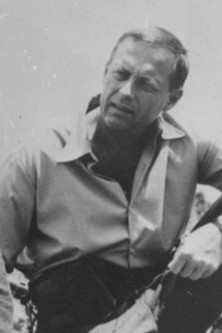
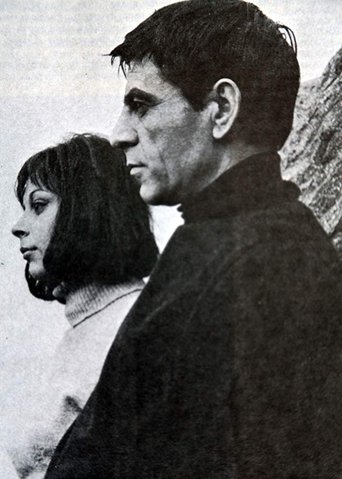
Petar Slabakov was a Bulgarian actor. In 1957 he married the theater actress Tsvetana Galabova, two daughters were born in the marriage. In cinema since 1960. One of the most original actors of the Bulgarian cinema. Honored Artist of Bulgaria (1971). Since 1994 he lived with his wife in the countryside. His son, Andrei Slabakov, is also an actor.
Known for
 3.0
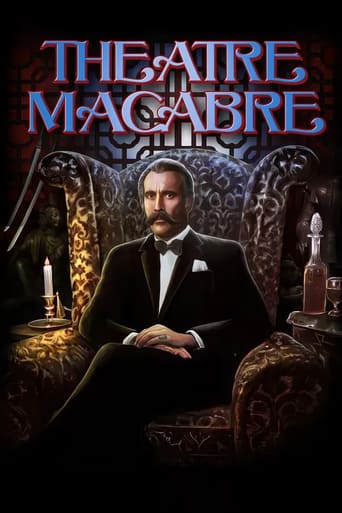
3.0Horror legend Christopher Lee hosts this anthology in the tradition of Alfred Hitchcock Presents, each half-hour episode adapting a story from a classic author, with tales by Edgar Allen Poe, Fyodor Dostoevsky, Ambrose Bierce, Robert Louis Stevenson, and Oscar Wilde.
Theatre Macabre
1971
 7.6
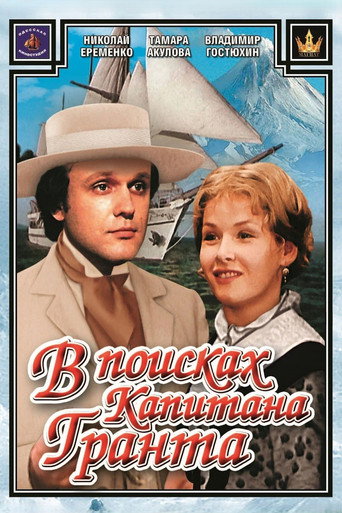
7.6Lord and Lady Glenarvan found a bottle in the ocean. This bottle contained a letter from Captain Grant that he and two of his sailors had survived a disaster at sea and need help. Unfortunately, the letter was damaged by water, and the latitude is known (37 degrees), but not the longitude. The Glenarvans decide to find Captain Grant.
In Search of Captain Grant
1985
 5.3
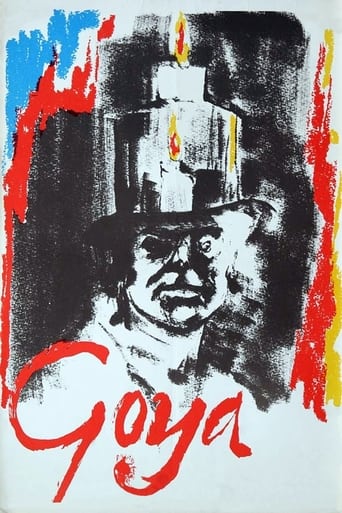
5.3As a painter in the court of King Carlos IV, Goya has attained wealth and reputation. He believes in King and Church, yet he is also a Spaniard who dearly loves his people. This contradiction presents him with a dilemma.
Goya: Or the Hard Way to Enlightenment
1971
 8.0
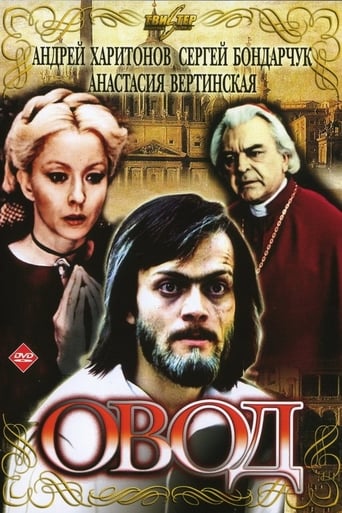
8.0The story of the dramatic relationship between a father and son. The backdrop is the struggle of Italian patriots against the Austrian occupiers for the unification and independence of Italy.
Gnat
1980
 6.0
6.0No synopsis available yet.
Press Center
1988
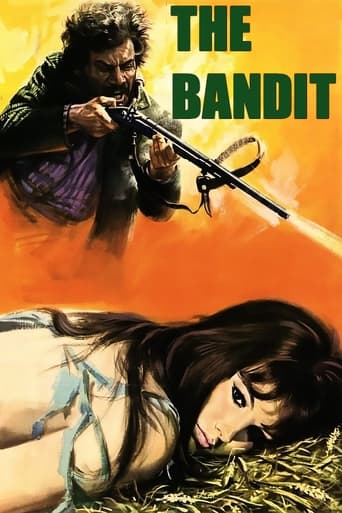 5.5
5.5Sicily, 1865. Two peasants, Gramigna and his father are tricked by Baron Nardò and robbed of their field, which then the baron lets to Assunta, her daughter Gemma and her fiancé Ramarro. Determined to take revenge, Gramigna begins to hunt down Nardò's complicit mediators. Unbeknownst to Gramigna, Gemma, to escape her arranged marriage, goes after him. Love and violence will follow all till their desperate ends.
The Bandit
1969
Film credits
2000s · 2 titles
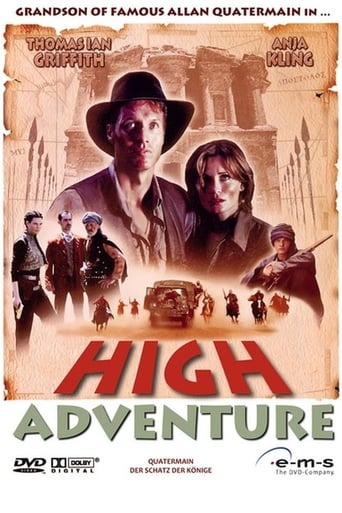 8.0
8.0Chris, slick adventurous grandson of legendary adventurer Allan Quatermain, searches for the mythical treasure of Alexander the Great with the help of a pretty German girl, while eluding a dangerous greedy gangster.
High Adventure
2001
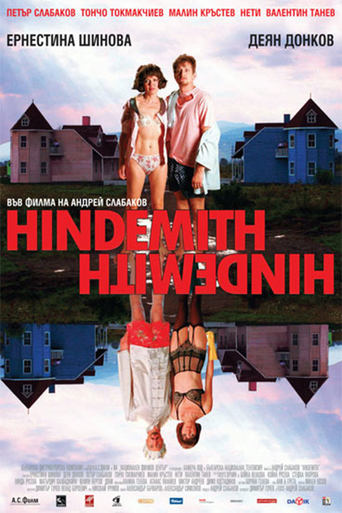 NR
NRTwo very similar families are settling in two identical houses in a new fashionable neighborhood built near a complex of panel-apartment buildings. The couples are in their forties. The husbands are moderate professionals and the wives are housewives without children and with firmly fixed habits. Step by step they find out how similar they are and step by step they come to hate each other. The more they strive to be different and the more they fail, the stronger their malice and their lust to harm each other grow.
Hindemidth
2008

1980s · 15 titles
 9.0
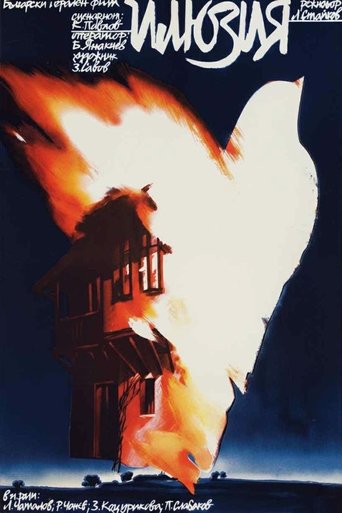
9.0The intricate relations between an Artist, an Actress and a Poet are seen against the background of one of the most dramatic events in the recent history of Bulgaria: uprising, which broke out in 1923.
Illusion
1980
 9.0
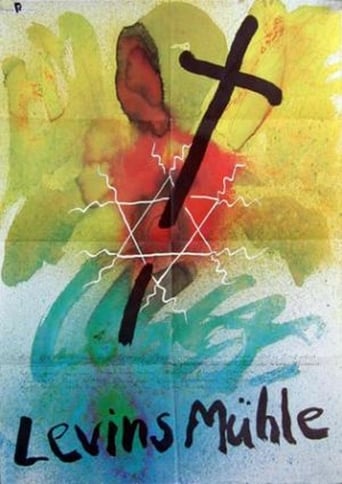
9.0In a small village in West Prussia in the 1870s, Germans, Poles, Gypsies and Jews live together as neighbors. One night Johann, a German mill-owner, secretly opens the dam gates and floods the mill of his Jewish rival Levin. After his business is ruined and his calls for justice go unanswered, Levin leaves town.
Levin's Mill
1980
 7.2
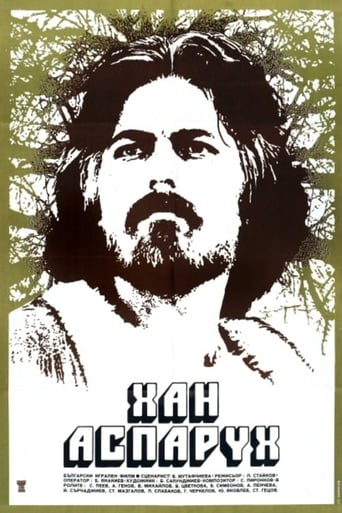
7.2This is an epic screen presentation showing the creation, the consolidation and the power of First Bulgarian Kingdom and the first Bulgarian ruler Khan Asparuh. This is the first part of the film trilogy about the events before the creation of the Bulgarian state in the middle of the VII century. Volga Bulgaria is straining under the attacks of the Khazars. Following the testament of his father, the sons of Khan Kubrat looking for a new home for their tribes. The youngest of them - Asparukh, wander 20 years in search of "land forever" for his people and reaches the mouth of the Danube. The film is narrated by captured Byzantine chronicler Belisarius, which should Asparukh in his journeys. Byzantine witnessed the heroic efforts of the Bulgarians to win the land south of the Danube and to create their new country.
Khan Asparukh - Part I - Phanagoria
1981
 8.5
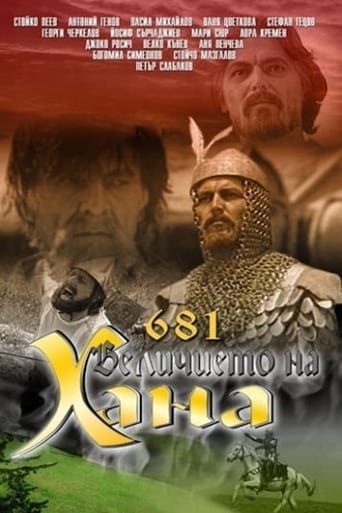
8.5In 651, Khan Kubrat died and the Khazars accelerated their raids upon Great Bulgaria. His five sons split the Bulgarian tribe and each led his to find new land where they could live in peace. Khan Asparukh, the youngest son, went west and, after an arduous journey lasting for years, southward across the River Danube, into Moesia. In 680-81, in alliance with the Slavs, he inflicted stunning defeats on the Roman legions and forced the Byzantine Empire to recognize the formation of the new state of Bulgaria in the lands where it still exists today.
681 - The Glory of the Khan
1981
This naively filmed adventure story draws from Robert L. Stvenson's novel, but adapts it to its own devices. It tells the story of a young Czech who witnesses the deceitful actions of a ship owner. In fact, the villain is enriched by the plight of Bulgarian patriots fighting against Turkish rule on the eve of World War I.
Vrak
1984
8.0The last part of the epic "Khan Asparukh" - "Land Forever" is an impressive finish to scale narrative, created for the nationwide celebration of 13 century anniversary of the Bulgarian state. The authors collected in final chord all storylines, culminating in the political strengthening of the young Bulgarian state. In the center of the film epic again is the image of Khan Asparukh - a lofty romantic hero who embodies the virtues and energy of his people.
Khan Asparukh - Part III - Land Forever
1981
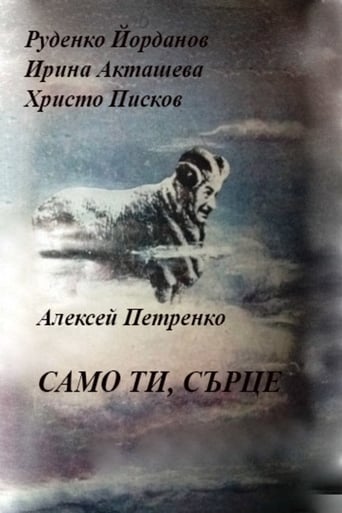 8.0
8.0The title of the film is taken from the popular Bulgarian song. This is a film about the life of a common Bulgarian worker. The action focuses on his family, his relatives, and his friends.
Only You, My Heart
1987
7.2This is an epic screen presentation showing the creation, the consolidation and the power of First Bulgarian Kingdom and the first Bulgarian ruler Khan Asparuh. The second part of the great historical epic - "The Migration" - tells about the long journey to the land of the Bulgarians of today's Bulgaria. Here the young Khan Asparukh laid the foundations of the new state. The authors adhere to the established historical versions for this event. The film builds on the impressive mass scenes and the convincing served psychological characteristics of the main characters. The image of Asparoukh is a natural center of the story, in which many minor persons recreate the environment of the Khan. Romantic exalted, Asparukh is shown as capable leader of the people, consistently implement his own ideas.
Khan Asparukh - Part II - The Migration
1981
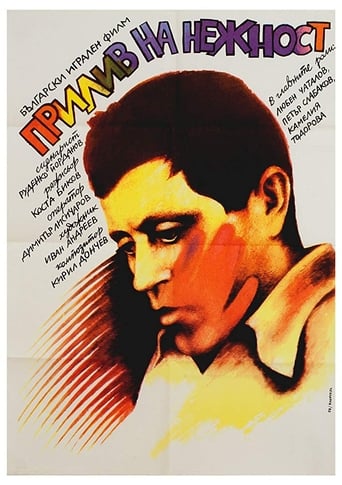 7.5
7.5The end of World War II. The Bulgarian army is fighting the German one. Private Peycho Peychev known as Peychina is also at the frontier - a sensitive and timid person forced to witness the horrors of the war. His commanding officer keeps saying that at the end of a war the world is swept by a 'surge of tenderness'. After a serious injury, Peychina goes back to his birth place. The new ruling powers in the village try to win him over to their side but what he is really good at is holding the chisel, not the gun. He carves an image of Elena, a woman that he falls in love with. Yet, the surge of tenderness in the world seems to be canceled. Peychina comes to be responsible for the death of an anarchist and helps capture his commanding officer, who fights against the new rule. When the mayor hands him a gun again, he refuses to take it.
Surge of Tenderness
1983
 8.3
8.3He is well educated, charming, and gallant - a dream for each lonely lady. In reality he is a skillful swindler, who robs naive women. Cheating merchants with guilty consciences are his targets as well. This is the elusive protagonist of the movie. He constantly changes his name, stages his own death, and travels from town to town. His exploits are myriad and his life is an endless adventure. Yet, he remains an amiable swindler, an unrealized actor, whose only goal is make his life more interesting.
Dangerous Charm
1984
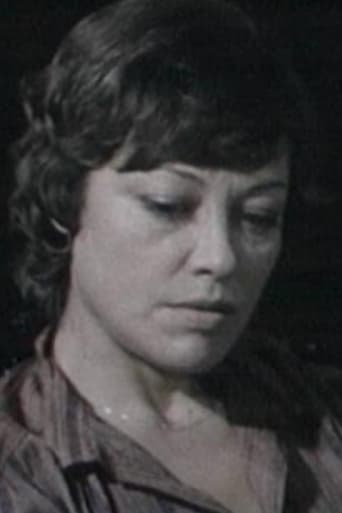 9.0
9.0Nurse Nikolova takes care of the elderly. She faces various human destinies. Her patients spend the rest of their lives alone. They seek from her what they have not received from their own children. They love her. Nurse Nikolova touches on the complex problems of human existence.
I've Been Waiting For You
1984
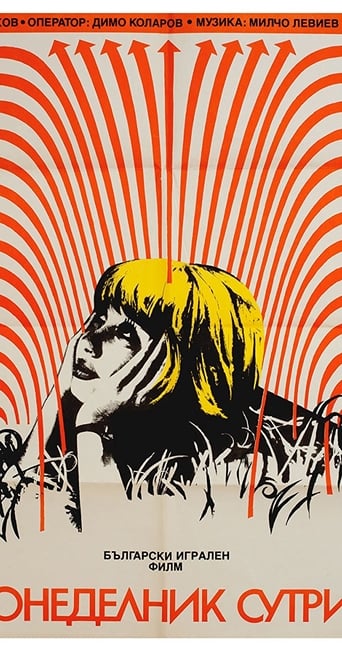 7.0
7.0Frivolous girl falls in love with a young construction worker. He trusts her and decides to include her in his team of workers. In the beginning, she is happy, but soon starts to feel the tensions between the people in the team. Hypocrisy and demagogy fill her with indignation and she does not keep silent about the shortcomings and mistakes of her colleagues. Gradually, her superiors become uneasy about her and the girl has to go. Her boyfriend offers her marriage, but she decides to take her own path and lead a worthy life. The movie was shot in 1966 but was censored by the communist government and released in theatres on 31st October 1988.
Monday Morning
1988
 7.0
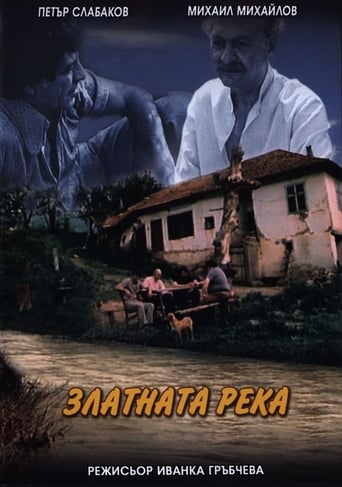
7.0The action takes place in a small town situated between a river with a romantic past and a cement plant with an industrial future, which is attracting new workers. Some of them go to live with the good-hearted Old Vangel. These are all people who have lived through many frustrations and made bad names for them. Two of them arrive straight from prison. It appears that it is a failure that has taught them to value freedom, to yield easily to pleasures of life and to temptation. The dramatic effect of the film is felt when this happy band goes face to face with the practical things of life and the prejudices of the people around them. They also clash with several people in small town whose life is passed uneventfully and who have working without looking around lest evil should lead them astray and destroy their property. The filmmakers examine two attitudes to life, each imperfect in its own way, thus making us consider the possible ways of achieving harmony.
The Golden River
1983
 8.0
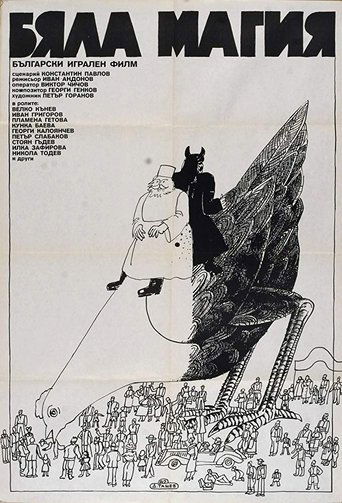
8.0Bizarre events happen in an isolated village.
White Magic
1982
 10.0
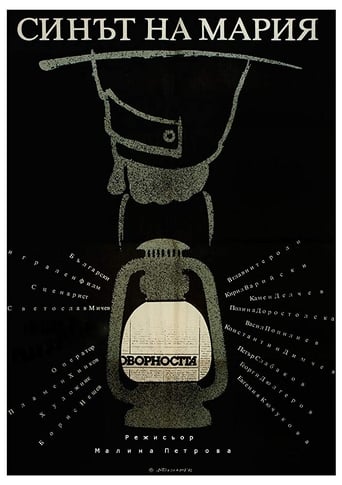
10.0A young journalist comes across interesting report material: talented marine engineer Maria died while on duty. Her story turns out to be quite a puzzle though - people who knew her are not willing to share much. Trying to make them speak, the journalist presents himself as her son. He hopes to dig up the truth about her and spares no effort, ending up at the bureau for investigation. The report he's writing never gets published but his belief system certainly gets challenged.
Maria's Son
1983
1970s · 25 titles
5.3As a painter in the court of King Carlos IV, Goya has attained wealth and reputation. He believes in King and Church, yet he is also a Spaniard who dearly loves his people. This contradiction presents him with a dilemma.
Goya: Or the Hard Way to Enlightenment
1971
 3.8
3.8Seven women gather to hear one of them tell a story of a strange incident that happened to a certain dead man.
Dekameron 40 czyli cudowne przytrafienie pewnego nieboszczyka
1971
The partisan Welichko is given the task of rescuing four Russian prisoners of war who are in one of the freight cars of a German train.
Four Men in a Boxcar
1970
 8.0
8.0Gallows is being raised in a prison yard. A moment before the execution the Girl brings a document of the young communist's temporary pardon. The chief of the prison, the Major, has a mandolin collection. He offers a fistfight to the young communist. The young man hits him. The Major and the young communist start playing the mandolins together. Girl is allowed to meet the young communist. The boy begins to play. The melody brings to the Major pleasant memories. He fought in the Spanish civil war, but after the defeat, he turned back on his beliefs. The Major receives a telegram that he needs to send the young communist to another prison. Death awaits him there. In is rage the Major breaks the mandolins. He orders the young communist to be taken out to work. The young man runs off. The Major shoots him himself.
The Mandolin
1973
 8.0
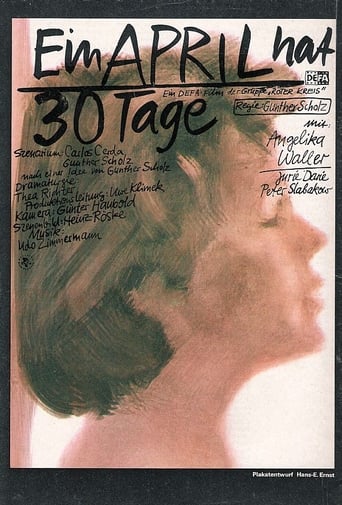
8.0On April 1st, single mother Maria and her ten-year-old son Micha move into a new apartment located in the Berlin district Marzahn. On the very first evening, Maria gets an invitation from her neighbor Alvaro, a political emigrant from Uruguay who keeps working for his country’s Communist Party while staying in the GDR. Maria and Alvaro fall passionately in love. Even Micha, who is suspicious of Alvaro in the beginning, eventually becomes friend with him. Thus, nothing stands in the way of their happiness – except for the certainty that Alvaro will have to leave as soon as he gets a new assignment.
April Has 30 Days
1979
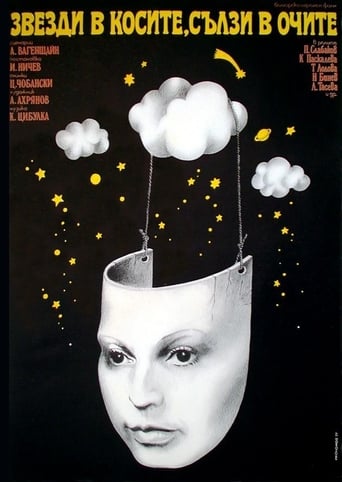 8.7
8.7The tale of a stable of traveling Bulgarian actors at the turn of the century, with their newest recruit, a schoolteacher who has taken the understudy role of Desdemona in a performance of Shakespeare's "Othello", learning about her team and the passion they all share for theatre and the performing arts.
Stars in Her Hair, Tears in Her Eyes
1977
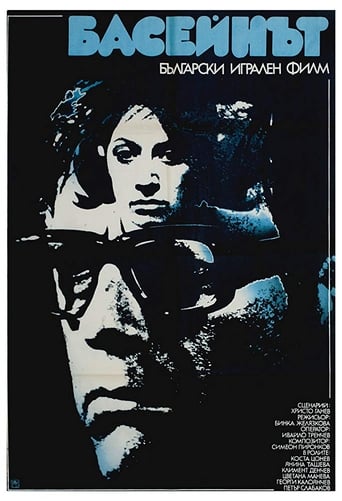 7.2
7.2Apostol, an architect on this side of forty, meets by chance Bella at a swimming pool on the night of her graduation party.
The Swimming Pool
1977
Yana is a teacher. Her courage intrigued the German nobleman von Cheeter. Yana receives an order from the Soviet intelligence service to go to Berlin. There she finds herself in a society that shocks her with its arrogance, cynicism and nationalistic prejudices. After giving valuable information, the Gestapo seizes her. Yana is tortured but will not betray her friends.
On the Other Side of the Mirror
1977
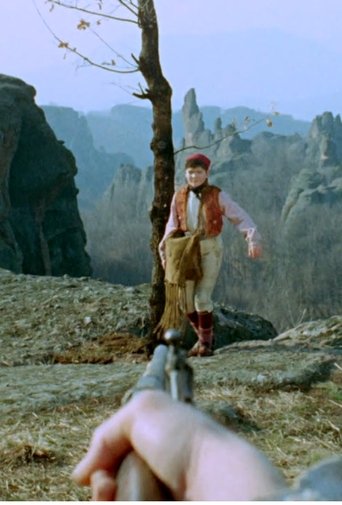 10.0
10.0After his parents go away in the mountains, young Fortunato Falcone decides to shelter a fugitive for a price of a silver coin.
Mateo Falcone
1971
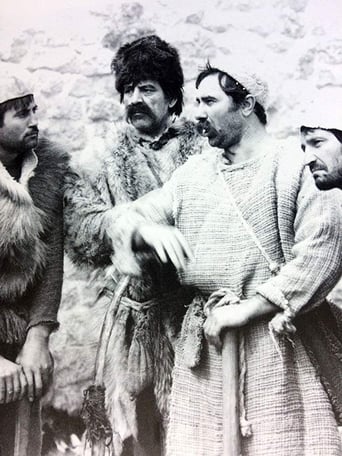 7.0
7.0There is a dragon, which threatens the life of the shacked village. The attempts of lumberjacks, shepherds and hunters to get rid of the menace are without success. Their battle with the imaginary mythical monster makes them realize that their real enemies are the master Kolota and his servants. The dragon is beaten not physically but spiritually.
The Dragon
1974
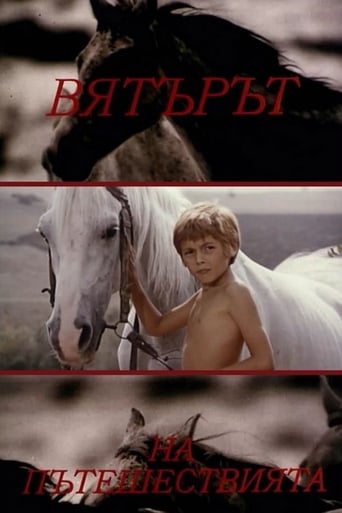 8.0
8.0The kid Kolyo dreams of traveling. One day he meets Bim-Bam who introduces himself as a writer and great traveler. The two build a cabin in a vineyard and live there. They meet different people; start working in the quarry. Time passes. One day someone tells Kolyo that Bim-Bam is no writer. He has stolen the furniture from a local community center. Bim Bam was gone. Kolyo leaves for home, trying to call Bim-Bam with their secret signal.
Tail Wind
1972
The police trucks and the piled up dead partisans in the village square shatter the peace of the village. The people manage to not only bear these extreme conditions, but also manage to take part in history. An army blocks off the village. Arrests and interrogation are common. The partisans are hiding in the forest. One of the soldiers manages to run off to them. The pot maker is among their aids and is killed while completing a mission.
Gunpowder
1977
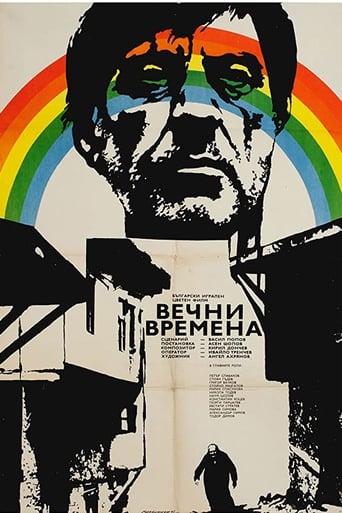 7.7
7.7During the socialist regime in Bulgaria, the migration from villages to bigger towns brings a lot of problems and sadness to some of the party activists.
Eternal Times
1975
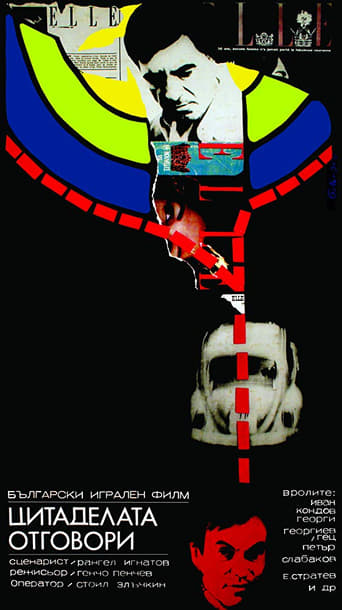 10.0
10.0Major Hariev, a State Security officer, manages to learn that the spying center codenamed Citadel receives encoded letters. Sometime later, the Bulgarian agent in the West reports that the spy h as a subscription to the French woman's magazine. The State Security men find a beautician, who received the magazine and delivers it to Ivan Bolyarski, director of an important state department. Hariev follows Bolyarski to his meeting with the Hawk, his associate working in a military unit. The Hawk agrees to deliver the request information for an exorbitant sum of money. Hariev runs into the Hawk and kills him in the fight. Bolyarski is arrested. Major Hariev is planted in his cell. In a moment of demoralization, the agent discloses the secrets of the Citadel to Hariev. Hariev has to go to the Citadel, passing off as the Hawk. He takes a leap in the dark and does not know if he will ever come back to his wife and his child.
The Citadel Responded
1970
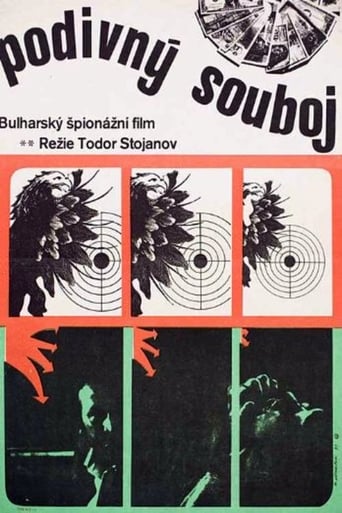 7.0
7.0In a bustling European city, Bulgarian agent Pavlov, under suspicion of double-dealing in a Western spy center, is exonerated and assigned to lead a covert operation alongside colleague Robert Houston. Tasked with recruiting a Bulgarian contact as part of a larger plan to neutralize missile sites at home, Pavlov and Houston are sent to Bulgaria, where their mutual distrust fuels a dangerous game.
A Strange Duel
1971
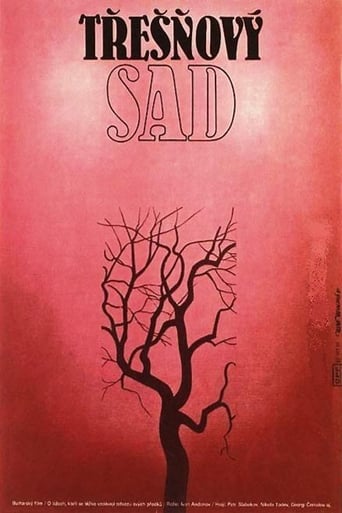 10.0
10.0There are essentially two types of people: those who think with their stomachs, and those who think with their hearts.
Cherry Garden
1979
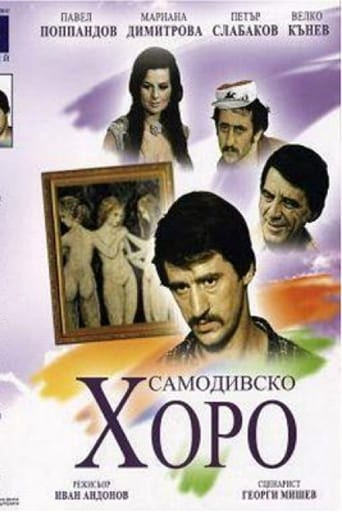 9.3
9.3In a small provincial town, an young local artist exhibits his works. One of the paintings, depicting a fairy dance of naked women, provoke the people which discover similarities with a certain lady from the neighbourhood.
Dance of the Samodivi
1976
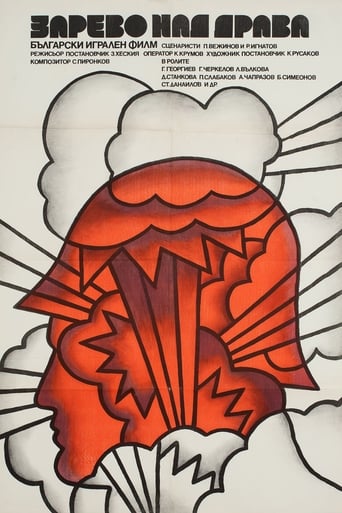 8.0
8.0In 1944 Bulgaria switches sides and joins the war against Germany. The story focuses on the advance of the Bulgarian army through Yugoslavia and Hungary, as well as its internal struggles.
Dawn Over the Drava
1974
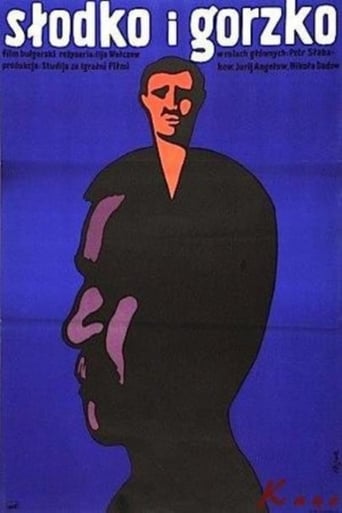 7.0
7.0After getting beat up by his dad, the 18-year-old Asen runs off from his home. The reason for the beating was that Asen tried on father's old wedding suit. The boy did not know that in the suit there was hidden money. Asen goes to live at the place of the General. The father wants a meeting with his son. His partners observe the meeting. When they hear that Asen tries to convince his dad to turn himself in, they stab him with a knife. They kill the father afterwards. The General wants the father to be buried with his wedding suit, unaware that the money, which is the reason for the misfortune, will be buried with it.
Sweet and Sour
1975
 8.5
8.5The year is 1948 and a counter-revolutionary gang is active in the Pirin region. A State Security officer managed to infiltrate the gang. He becomes "one of their own", but isn't in a rush to complete his task.
The Wolf Pack
1972
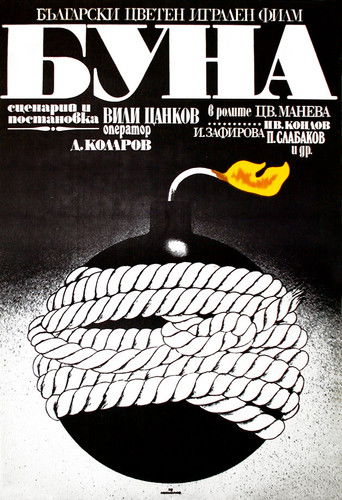 9.0
9.01920's. A young girl - teacher comes from the city to a small, poor village to teach the children. There is a medic in the village. Without being a doctor, he has taken up the noble deed to help people. The "miracle" of the village is two twins - brother and sister, Lefter and Leftera. Both of them resell village land. Everyone is feeling the pressure from the twins. This causes the eruption of a violent and bloody riot.
Buna
1975
 9.0
9.0Two young men decide to migrate to the big city. While on the road, they start considering the ways of life through the relationships in the society.
A Cricket in the Ear
1976
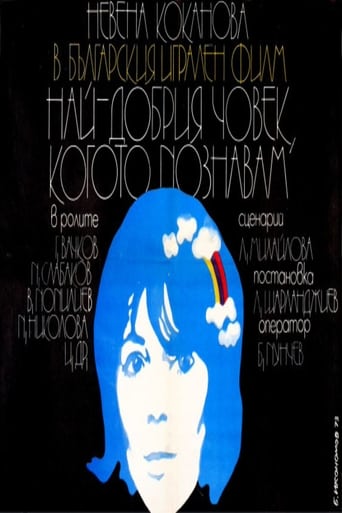 7.2
7.2A young literature teacher joins an evening technical school where her students - miners, metallurgists, builders and drivers - clash with her literary ideals. To understand them, she visits their families, workplaces and reads their essays on “The Best Person I Know,” learning their hidden struggles and reexamining her own moral judgments.
The Best Person I Know!
1973
 9.0
9.0The truck driver Kiril has a dream to build a house for his family. Is this a possible ambition in society of scarcity and envy.
A Roof
1978
Late 1970's in a small Balkan village. The village population is made up of the elderly folks whose children have moved to the big city. The monotony is broken with the arrival of a documentary crew.
Living People
1978
1960s · 17 titles
5.5Sicily, 1865. Two peasants, Gramigna and his father are tricked by Baron Nardò and robbed of their field, which then the baron lets to Assunta, her daughter Gemma and her fiancé Ramarro. Determined to take revenge, Gramigna begins to hunt down Nardò's complicit mediators. Unbeknownst to Gramigna, Gemma, to escape her arranged marriage, goes after him. Love and violence will follow all till their desperate ends.
The Bandit
1969
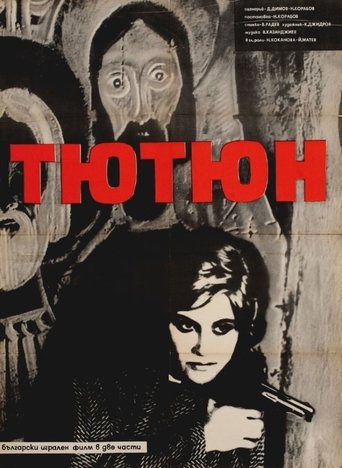 5.6
5.6Boris Morev dreams of money and power, he’ll do everything to reach the top, including leaving his beloved Irina, to marry the daughter of the local tobacco factory owner. With the death of his father-in-law and the illness of his wife, Morev becomes the new owner of "Nicotiana" and rules with an iron fist, resulting in massive labour strikes and murder. He ropes Irina back into his life, first as a mistress and later as his second wife, but his ambitions still come first as he plans on emerging as the biggest tobacco seller once the war is over. Irina’s love for Boris is fading and she finds a lover in one of the Germans Boris is trying to strike a deal with. Set against the backdrop of World War II and communist partisans fighting against the Nazi-allied Bulgarian monarchy, the film is a screen adaptation of the Bulgarian classic novel "Tobacco" released in 1954.
Tobacco
1962
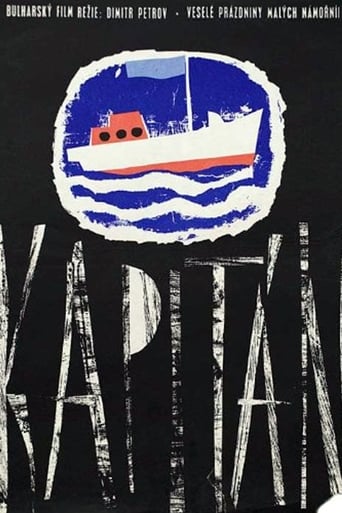 7.3
7.3The action takes place in a summer camp. The children are obsessed with the idea of building a ship.
The Captain
1963
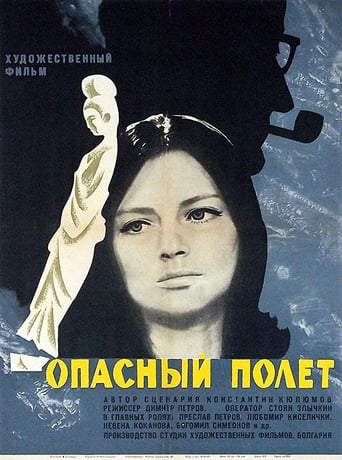 8.0
8.0Professor Dimov is a diplomat who has been recruited as a spy by a foreign intelligence service. The suspicions fall on Dr. Belcheva. Major Kalinov is entrusted with the investigation of the case. He learns that she is Dimov's mistress. Paris, France. Dimov and Belcheva go out leaving a bag with secret documents in Belcheva's hotel room. Kalinov manages to retrieve the documents. After this incident Belcheva dies in hospital from poisoning. On board the plane Kalinov exposes the professor as a spy. Bulgarian counterintelligence officers arrest him.
Dangerous Flight
1968
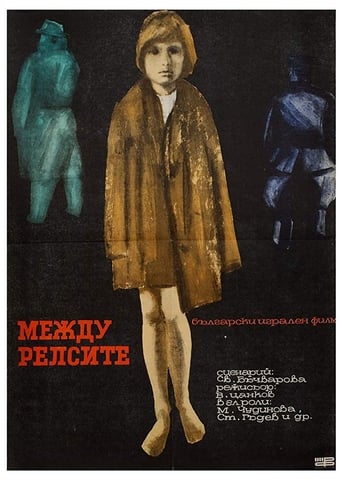 8.0
8.0The horrors of war seen through the eyes of a sensitive twelve-year-old girl who loses everyone she loves.
Between the Rails
1964
 8.5
8.5Sick and tired of the daily grind, engineer Filip Gerakov encounters on the beach Maria, eccentric wife of a prosperous research associate. Maria leads a leisurely if somewhat dull existence. Deep down, she craves for normal, spontaneous relationships and emotions. Filip and Maria soon make friends. They find in each other what they themselves have lacked. Their friendship gradually grows in love. Sharing their dreams and making plans for the future, the lovers vow to be inseparable and to make a new life. One day Maria's husband arrives in his black limousine. Watched at a distance by Filip, Maria makes her choice: she leaves with her husband, opting for the good life she is used to.
At The End of Summer
1967
The upper class of the capital has been invited to a party. The guests discuss the retreat of the Germans on the Eastern Front. Havadzhieva, an attractive intellectual, recognizes that the interests of her class require action, not words.
Tango
1969
 6.9
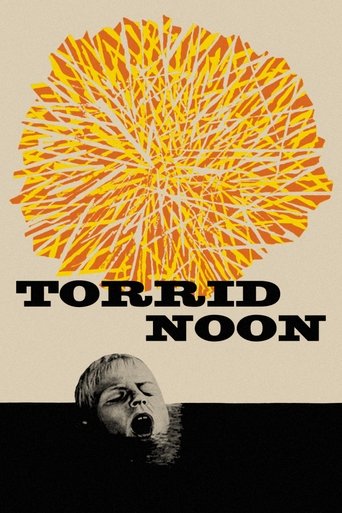
6.9An entire town rallies to help save a young boy after he becomes stuck in a river.
Torrid Noon
1965
 8.0
8.0The action takes place at the end of WWII. It is 1944 on the Yugoslav front, where the Bulgarian Army is fighting bloody battles against the retreating Nazi units. Several lorries loaded with Bulgarian soldiers make a detour so as to deliver ammunitions to an army unit. They are people with different convictions sharing a common goal - to come out victorious and to return to their peaceful everyday life. Among them are people who believe in the triumph of the new system and for whom the difficult crusade is a confirmation of their ideals. They are also uncertain people. For the youngest this is the first trial in life. A young Yugoslav woman helps them find the road through the dangerous front line. Her romance with the one of Bulgarian soldiers symbolizes solidarity in the struggle against the common enemy. After a series of difficulties and mishaps, the soldiers manage to deliver the ammunitions to their comrades.
Unrelenting
1964
 6.7
6.7The new supervisor Vasil arrives at the construction site of a dam. Vasil has problems with his men, who mistrust him and reluctantly submit to his perfectionism. He becomes involved with the refreshment bar attendant Lilyana. Vasil, who always wanted children, cannot abandon his childless wife and breaks with Lilyana. When four workers are buried in a tunnel landslide, Vasil makes his way to them and manages to drag them all out, except for Zlatan, a spiteful egocentric, whose legs are caught under a fallen prop. Zlatan begs Vasil to save him, even if it means cutting of his legs. To release the miner's legs Vasil cuts the prop, which is also supporting the roof of the tunnel. Zlatan is rescued. However, Vasil is killed. Since then, the workers say his steps can be heard bellow the dam wall.
There Is No Death
1963
Five Bulgarian émigrés return to their country by submarine from the Soviet Union. They have to organize the antifascist resistance.
Homecoming
1967
 8.3
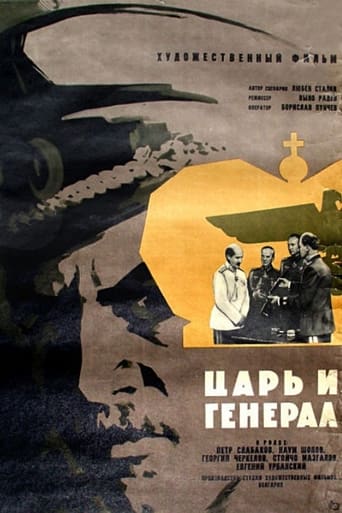
8.3The film is based on the conflict between the Monarch of Bulgaria -Tsar Boris III and general Vladimir Zaimov during the Second World War and discusses different understandings about heroism and self-sacrifice.
Tsar and General
1966
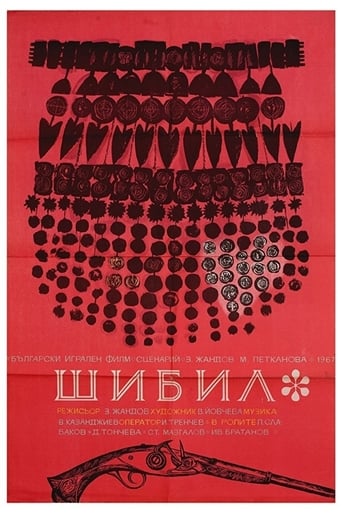 9.0
9.0A bandit chief falls in love with a wealthy man's daughter.
Shibil
1968
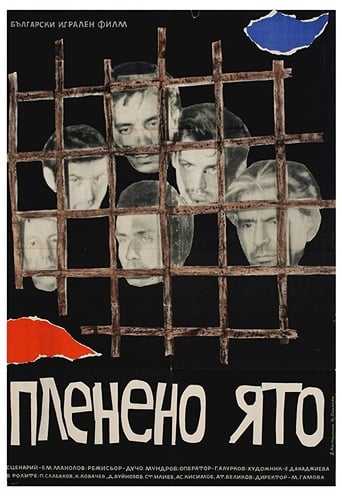 7.0
7.0In this routine World War II drama by Bulgarian director Doutcho Mundrov, a group of doomed POWs work together to keep their own dignity and ethical standards high. As the prisoners interact against a background of strife, imprisonment, and references to a rising Communist presence, they come to discover that there is an outside informer passing on information to the enemy. Although they face impending execution, they decide to take steps to end the informer's career.
Captive Flock
1962
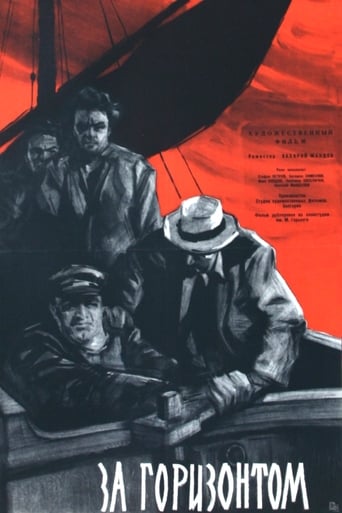 5.5
5.5Partisans hijack a boat
Beyond the Horizon
1960
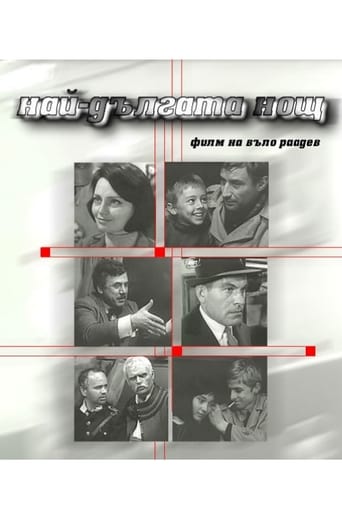 10.0
10.0The action takes place during the Second World War. Unexpectedly in a train compartment a fugitive - British captive - appears among the passengers. The human solidarity is stronger than the fear, and they do their best to save him.
The Longest Night
1967
 8.0
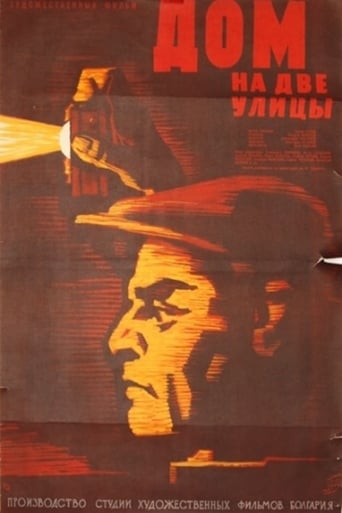
8.0At the seafront garden, the members of The Worker's Youth Union and the members of fascist organization are fighting. Absorbed in their feelings Vladko and Aneto have nothing to do with those events. Things at Aneto's big wealthy home look very different from Vladko's small house huddled in the yard. Kiril, Vladko's elder brother, is anxious about Vladko who should have been at the rally, but is writing poetry instead. Aneto and Vladko are happily dancing at the school-leavers' ball. Kiril has killed a German officer. The ball breaks out. Aneto has disappeared in the confusion. Vladko goes to look after her. A group of people armed with clubs and knuckle-dusters beat him cruelly because he is Kiril's brother. Kiril has joined the partisans. Vladko is seriously ill and dies. Kiril and his comrades continue the struggle.
House on Two Streets
1960
Series credits
3.0Horror legend Christopher Lee hosts this anthology in the tradition of Alfred Hitchcock Presents, each half-hour episode adapting a story from a classic author, with tales by Edgar Allen Poe, Fyodor Dostoevsky, Ambrose Bierce, Robert Louis Stevenson, and Oscar Wilde.
Theatre Macabre
1971
3.0Horror legend Christopher Lee hosts this anthology in the tradition of Alfred Hitchcock Presents, each half-hour episode adapting a story from a classic author, with tales by Edgar Allen Poe, Fyodor Dostoevsky, Ambrose Bierce, Robert Louis Stevenson, and Oscar Wilde.
Theatre Macabre
1971
7.6Lord and Lady Glenarvan found a bottle in the ocean. This bottle contained a letter from Captain Grant that he and two of his sailors had survived a disaster at sea and need help. Unfortunately, the letter was damaged by water, and the latitude is known (37 degrees), but not the longitude. The Glenarvans decide to find Captain Grant.
In Search of Captain Grant
1985
8.0The story of the dramatic relationship between a father and son. The backdrop is the struggle of Italian patriots against the Austrian occupiers for the unification and independence of Italy.
Gnat
1980
6.0No synopsis available yet.
Press Center
1988
 9.0
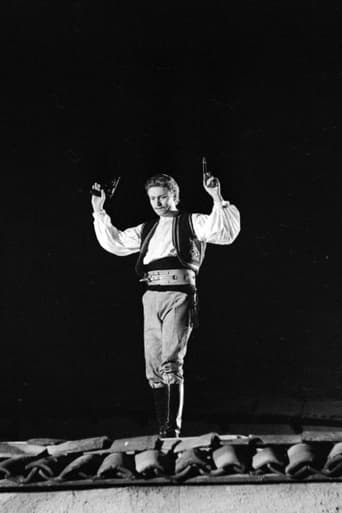
9.0A limited series focusing on the life of Vasil Levski and the Bulgarian fight for independence from the Ottoman Empire.
The Demon of the Empire
1971
 NR
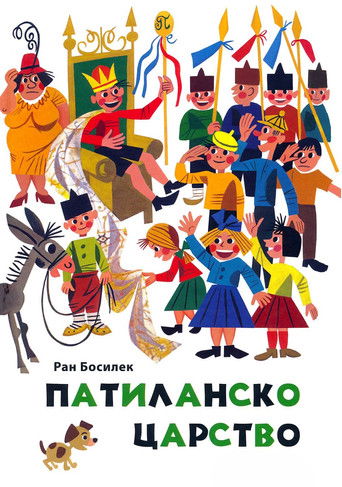
NRNo synopsis available yet.
Патиланско царство
—