
Directing
Robert Fulton
Born — Died
1939-12-11 — 2002-05-30
Place of birth
Greenwich, Connecticut, U.S.
Known for
Directing
Credits
49 titles
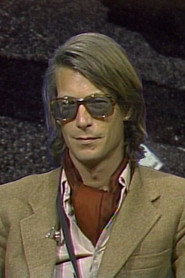
Robert Fulton was a professional pilot and aerial cinematographer in addition to making his own documentary and experimental films. Filming in the United States, the Andes, Nepal, Africa, and elsewhere, Fulton often combined places and images to create dream-like flows of thoughts and associations. The exquisite kinetic rhythms of his camera movements and his editing, as well as his use of superimpositions, create lyrical and breathtaking visions with Fulton’s travelling camera embodying both internal and external journeys.
Known for
 NR
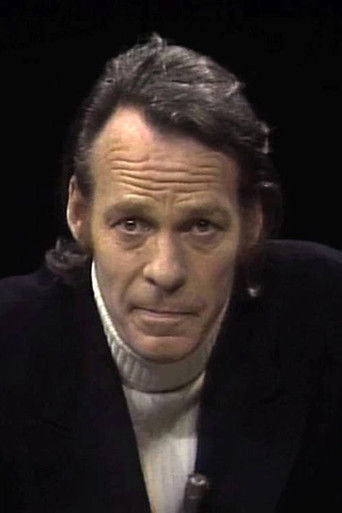
NRIndependent filmmakers are given a chance to show and discuss their work on a commercial (ABC-TV) affiliate station.
Screening Room
1972
 7.8
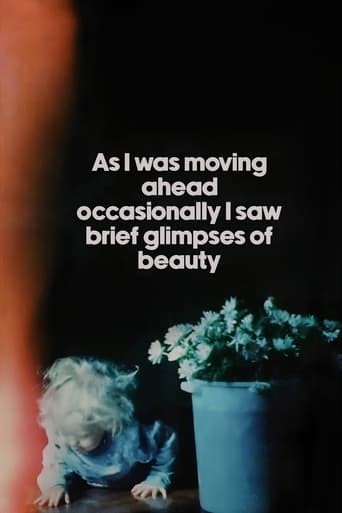
7.8A compilation of over 30 years of private home movie footage shot by Lithuanian-American avant-garde director Jonas Mekas, assembled by Mekas "purely by chance", without concern for chronological order.
As I Was Moving Ahead Occasionally I Saw Brief Glimpses of Beauty
2000
 NR
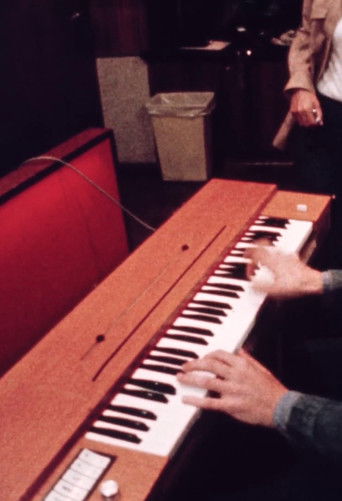
NRBehind the scenes look at the recording of a Dr. Pepper jingle. Commercial work.
Dr. Pepper
—
Challenges; mental, physical, both? How far can you go? How fast? What’s it like to go three days without food and companionship? To run 15 miles, to climb a 14,000 foot mountain, to navigate in dense forest or open ocean, to rappel down a vertical cliff, or sleep in the snow? Teenagers find out in Outward Bound Schools throughout the country. The result is a positive sense of self and the natural environment. The film is fast paced with intentional disregard for time and space continuity. The students tell the story.
Outward Bound
1970
 5.0
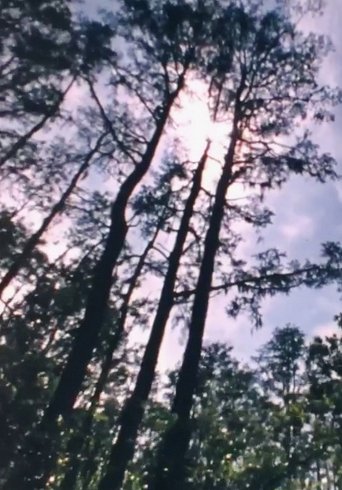
5.0Nature is our common impressional and biological ancestor. Its history is now, an open book of essences which we have largely, through the intervention of the industrial state, forgotten how to read. This film is a return to immanence, a restorative immersion, and does what film is best at: inducing a mood of informative ecstasy.
Wilderness: A Country in the Mind
1984
 5.0
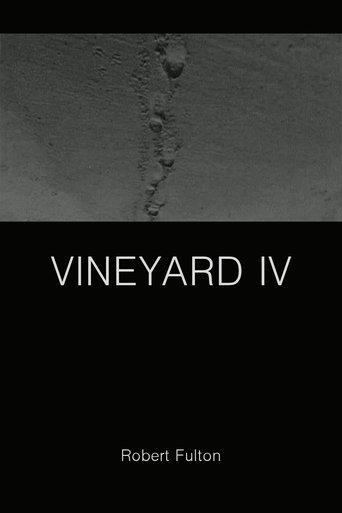
5.0Glen Denny observed: "This film is not ocean, it is panther stalking jungle." Camera flows because it is free to move through space.
Vineyard IV
1967
Film credits


2000s · 2 titles
7.8A compilation of over 30 years of private home movie footage shot by Lithuanian-American avant-garde director Jonas Mekas, assembled by Mekas "purely by chance", without concern for chronological order.
As I Was Moving Ahead Occasionally I Saw Brief Glimpses of Beauty
2000
 7.0
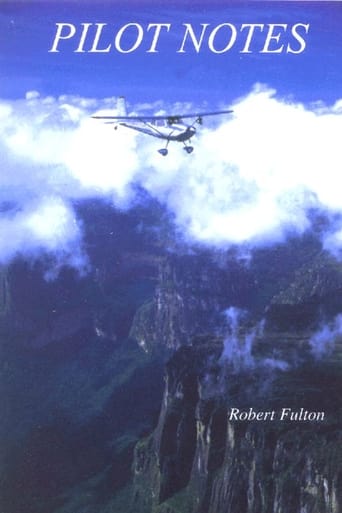
7.0A documentary about a legendary American film maker/aviator Robert Fulton who was contracted by the BBC to film aerial cinematography throughout South America.
Pilot Notes: Journals Of A Solitary Aviator
2000

1970s · 2 titles
 5.5
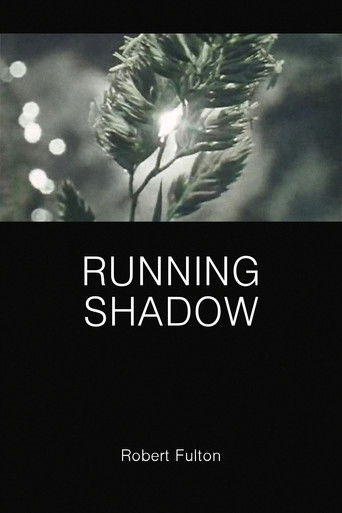
5.5Rapidly changing images of natural objects, scenery, animals, plants, and people flicker, flash, tumble, and cascade across the screen.
Running Shadow I
1971
 5.9
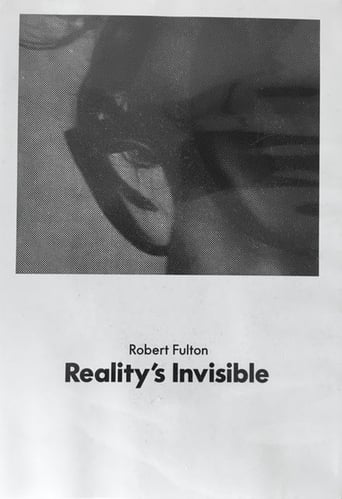
5.9Fulton made the film during his brief time at Harvard, where he had been invited to teach by Robert Gardner, his friend and collaborator (Fulton would later serve as a cinematographer on Gardner’s 1981 documentary Deep Hearts, among others). Reality’s Invisible could be described as a portrait of the Carpenter Center, yet it is a portrait of an extremely idiosyncratic and distinctive sort. Fulton moves us through the concrete space of the Center’s Le Corbusier-designed building—the only structure by the architect in North America—but, more centrally, presents us footage of students making and discussing their work alongside figures like Gardner, theorist Rudolf Arnheim, artist Stan Vanderbeek, filmmaker Stan Brakhage, and graphic designer Toshi Katayama.
Reality's Invisible
1972
Series credits
Behind the camera
NRBehind the scenes look at the recording of a Dr. Pepper jingle. Commercial work.
Dr. Pepper
—
Challenges; mental, physical, both? How far can you go? How fast? What’s it like to go three days without food and companionship? To run 15 miles, to climb a 14,000 foot mountain, to navigate in dense forest or open ocean, to rappel down a vertical cliff, or sleep in the snow? Teenagers find out in Outward Bound Schools throughout the country. The result is a positive sense of self and the natural environment. The film is fast paced with intentional disregard for time and space continuity. The students tell the story.
Outward Bound
1970
5.0Nature is our common impressional and biological ancestor. Its history is now, an open book of essences which we have largely, through the intervention of the industrial state, forgotten how to read. This film is a return to immanence, a restorative immersion, and does what film is best at: inducing a mood of informative ecstasy.
Wilderness: A Country in the Mind
1984
5.0Glen Denny observed: "This film is not ocean, it is panther stalking jungle." Camera flows because it is free to move through space.
Vineyard IV
1967
 NR
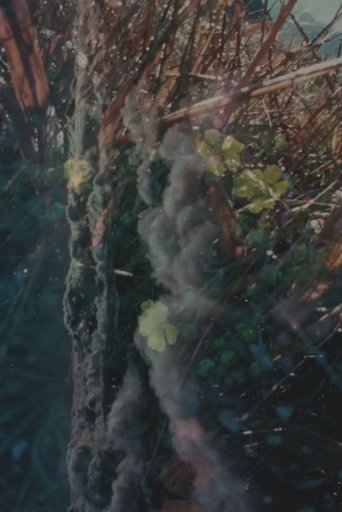
NRIn River Film, Fulton creates a portrait of the Roaring Fork River and its tributaries, the central artery of life near Aspen, Colorado, where he resided for many years.
River Film
1972
NRIn River Film, Fulton creates a portrait of the Roaring Fork River and its tributaries, the central artery of life near Aspen, Colorado, where he resided for many years.
River Film
1972
No synopsis available yet.
San Chien
1968
 4.5
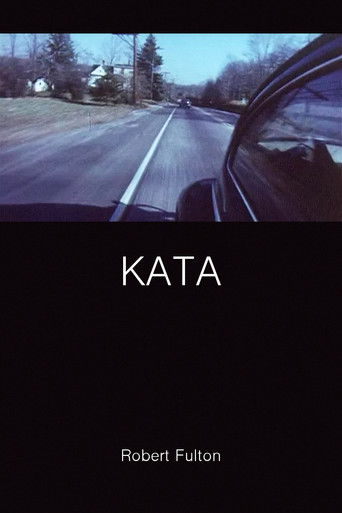
4.5Nature, gymnastic movements, a cat...
Kata
1967
 5.0
5.0Short film by Robert Fulton.
Vineyard I
1967
 6.0
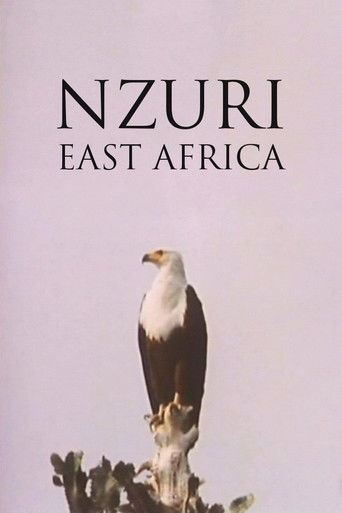
6.0Filmed in Kenya, Tanzania, and Uganda. Beginning with Genesis, the film follows the progress of civilization through to modern day Nairobi. Biblical themes combine with pulsating African music, wild animal sounds, and vivid imagery. Unusual juxtapositions of Bob Fulton's quick cuts and Brown's big lens shots of mega fauna and tribal dances mesmerize viewers.
Nzuri: East Africa
1970
6.0Filmed in Kenya, Tanzania, and Uganda. Beginning with Genesis, the film follows the progress of civilization through to modern day Nairobi. Biblical themes combine with pulsating African music, wild animal sounds, and vivid imagery. Unusual juxtapositions of Bob Fulton's quick cuts and Brown's big lens shots of mega fauna and tribal dances mesmerize viewers.
Nzuri: East Africa
1970
Robert Fulton short film.
Eastern Airlines: Mer Des Antilles
1973
 NR
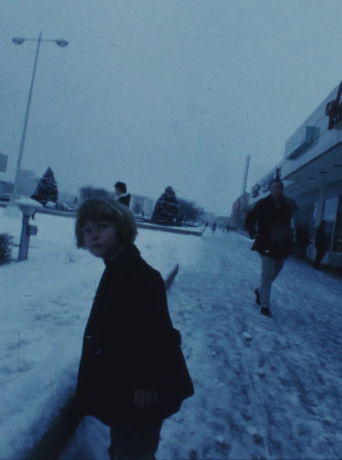
NR11 minutes, 16mm, Color, Silent
Alice Film
1971
5.5Rapidly changing images of natural objects, scenery, animals, plants, and people flicker, flash, tumble, and cascade across the screen.
Running Shadow I
1971
 NR
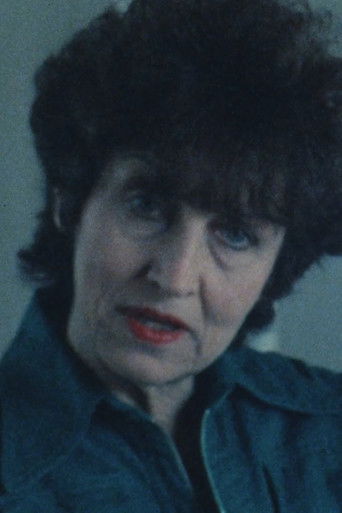
NRA portrait of Francoise Gilot.
Portrait of Françoise Gilot
—
 NR
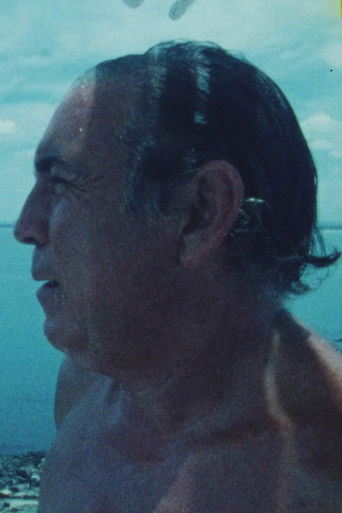
NRA portrait of Carlos Vilaro.
Portrait of Carlos Vilaro
—
 NR
NRRobert Fulton short film.
Jerome Portrait
—
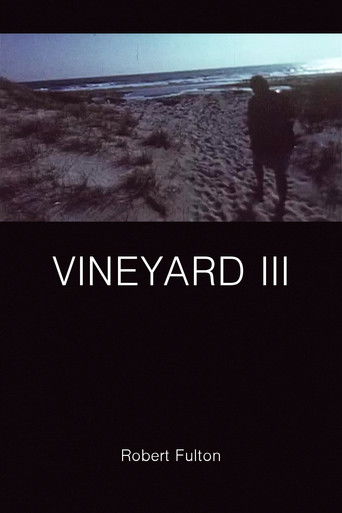 6.0
6.0Crashing waves, the cry of a gull, silence.
Vineyard III
1967
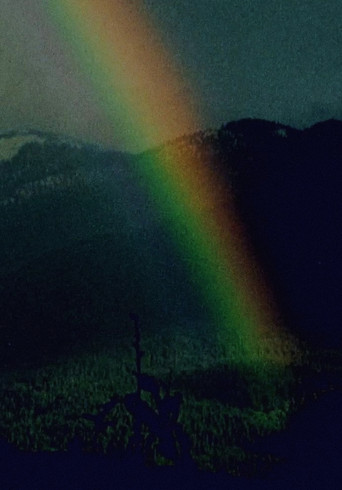 NR
NRRapidly changing images of natural objects, scenery, animals, plants, and people flicker, flash, tumble, and cascade across the screen. Running Shadow is Fulton’s most dizzying and vertiginous film, in full demonstration of the gyrating flight simulating body-weight balance camera arm as eye he perfected. The landscape where he fully indulges in twists and turns becomes alien, with crashing waves on the soundtrack letting us know that nature always comes out on top.
Running Shadow II
1972
Short film By Robert Fulton.
Solar Sound
1967
 5.0
5.0Short film by Robert Fulton.
Vineyard II
1967
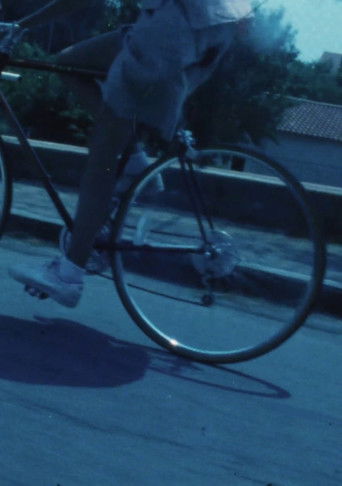 NR
NRA mix of Fulton's projects depicting the places he lived (Aspen, CO and Paris, France) and those closest to him.
Bicycle France
1970
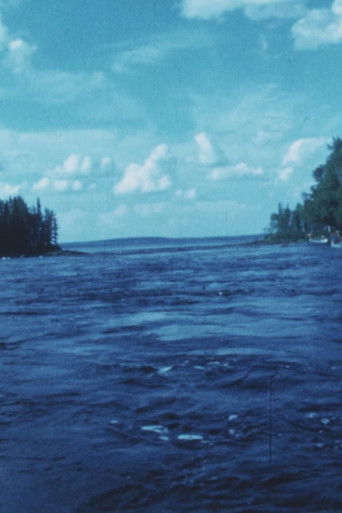 NR
NRWhile commissioned to create a promotional film for Outward Bound, an organization dedicated to connecting young people with outdoor experiences, Fulton used extra time and footage to edit together a collection of three films, closer to his style of personal filmmaking.
Outward Bound: Huie Whitewater
1969
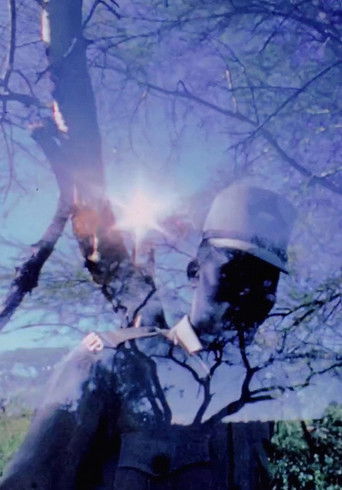 5.0
5.0Moonchild is one of Fulton’s very earliest ethnographic projects. Filming in East Africa while on another production, he shoots with single frame bursts from his Bolex camera with an Angenieux 5.9 lens. He could shoot inconspicuously from the hip, an approach he learned from his father, filmmaker Robert Fulton Jr. In Moonchild, he shares his first impressions of Africa.
Moonchild
1971
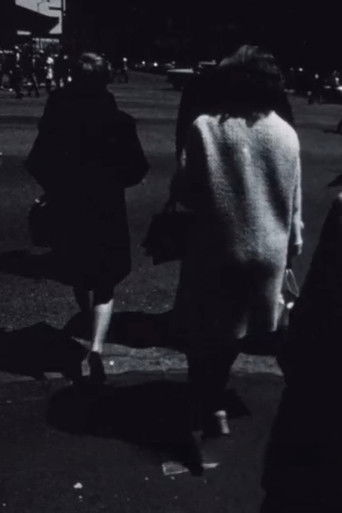 NR
NRNo synopsis available yet.
Street Film Part II
1976
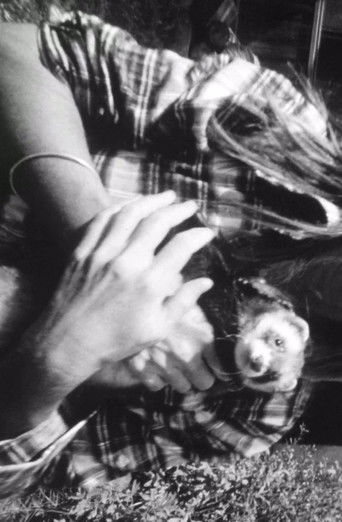 NR
NR1 minute, 16mm, B&W, Silent
Ferrett Film
1971
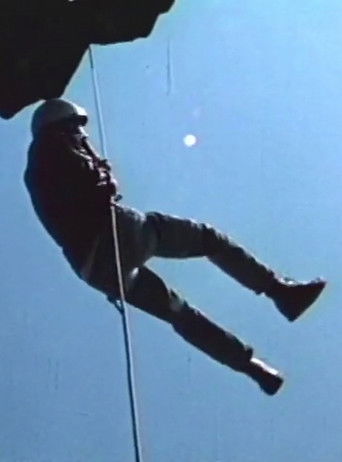 NR
NRWhile commissioned to create this promotional film for Outward Bound, an organization dedicated to connecting young people with outdoor experiences, Fulton used extra time and footage to edit together a collection of three films (Ahnameke, Huie Whitewater and Oriana), closer to his style of personal filmmaking. This is the commercial work.
Outward Bound: Summit Films
1969
5.9Fulton made the film during his brief time at Harvard, where he had been invited to teach by Robert Gardner, his friend and collaborator (Fulton would later serve as a cinematographer on Gardner’s 1981 documentary Deep Hearts, among others). Reality’s Invisible could be described as a portrait of the Carpenter Center, yet it is a portrait of an extremely idiosyncratic and distinctive sort. Fulton moves us through the concrete space of the Center’s Le Corbusier-designed building—the only structure by the architect in North America—but, more centrally, presents us footage of students making and discussing their work alongside figures like Gardner, theorist Rudolf Arnheim, artist Stan Vanderbeek, filmmaker Stan Brakhage, and graphic designer Toshi Katayama.
Reality's Invisible
1972
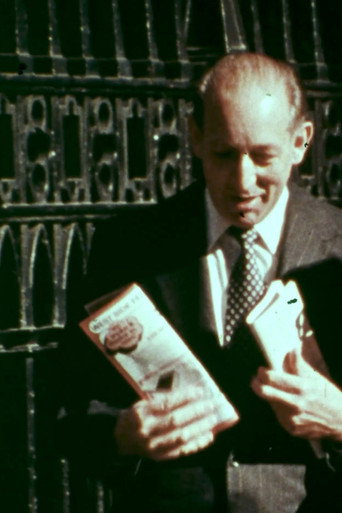 NR
NR"Look to this day, for it is life, the very life of life. In it's brief course, lie all the varieties and realities of your existence."
Salutation to the Dawn
—
 NR
NRPart 14 in the Street Film series.
Street Film Part XIV
1978
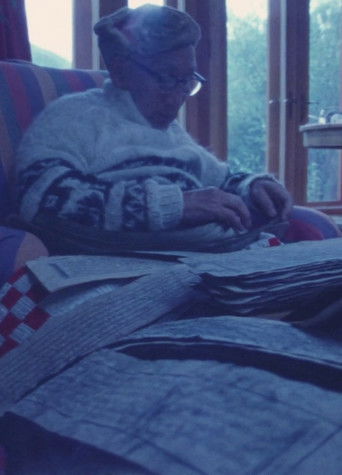 NR
NRIn Geshe Reading, Fulton captured an unedited conversation on spirituality with Geshe Ngawang Wangyal, the lama credited with leading the first buddhist community in the United States. Geshe Wangyal is featured in Path of Cessation, Starlight, as well as a number of Fulton works.
Geshe Reading
1972
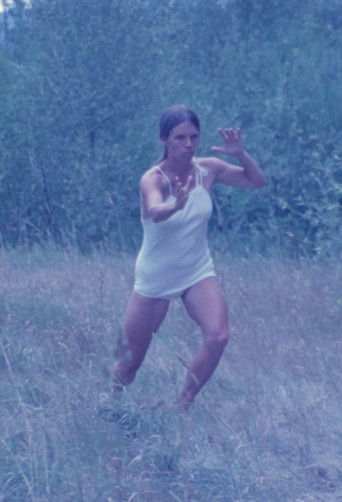 NR
NRMovement of the body in all forms: dance, discipline, freedom, exploration, and the environment that surrounds it.
Tai Chi
1975
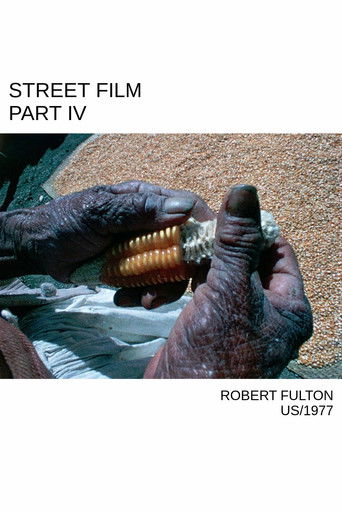 NR
NR"STREET FILM PART IV is an odyssey. In its search for the greater meaning of things, the camera portrays (rather than reports) essential human handiwork. Corn is pressed from the cob by worn thumbs, practiced hands spin twine. Doors open. Cattle are branded. A small sparkling plane takes us through the clouds and into the mountains. Everything and nothing is within our grasp. Simple acts are either full of meaning or devoid of meaning. The longest scene in this rarefied look at simple pastimes is of a native woman patting and baking tortillas." - Barbara Kossy
Street Film Part IV
1977
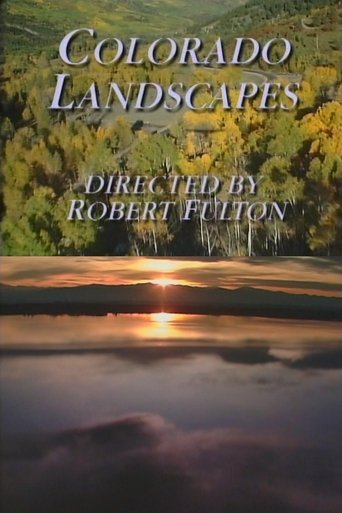 NR
NRThe video is an aerial view of Colorado from a Cessna 180 flying over the cities to the mountain peaks, over rivers, farms, canyons and deserts.
Colorado Landscapes
1994
 NR
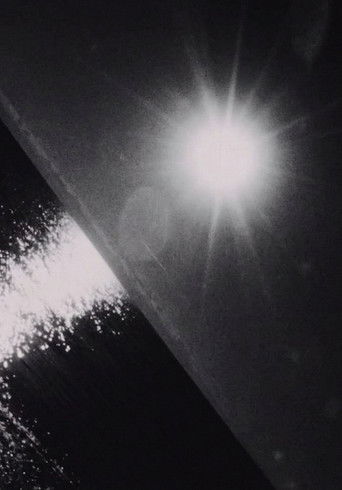
NRRobert Edison Fulton does some incredible things with time-lapse photography in "Street Film Part V," which imparts surreal staccato movement to mostly moonlit beach scenes in Brazil. Wind-blown palms, wet pavements and sewer grates, surf and sand (some seen from an airplane) create fantastic abstract patterns as they flicker across the screen.
Street Film Part V
1977
 NR
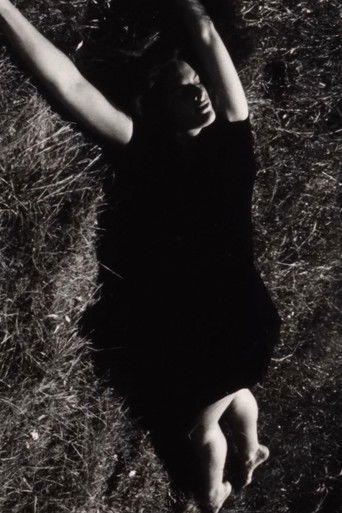
NRMovement of the body in all forms: dance, discipline, freedom, exploration, and the environment that surrounds it.
Portrait of Alison Bradford
1975
 NR
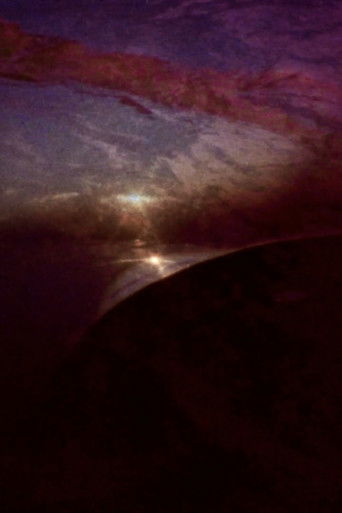
NR5 minutes, 16mm, Color, Silent
Structure Space
—
 5.0
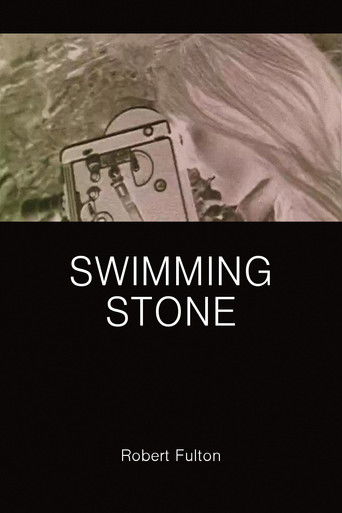
5.0Fluidity of stone. Subatomic motion asserting a surface. Mind loop wandering. Visitation of sound matrix. Liquid solid. Nature transforms a planetary cycle. Relations of a timeless void.
Swimming Stone
1969
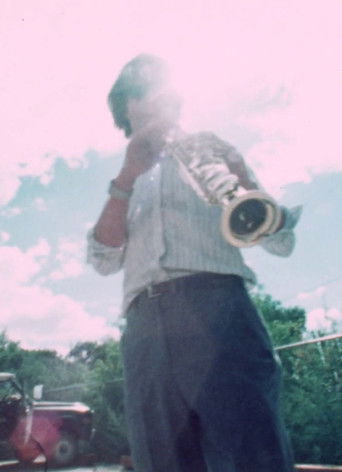 NR
NR1 minute, 16mm, Color, Sound
Bob Sax
—
 NR
NRScenes of the Lesser Antilles.
Eastern Airlines: Mer de Antilles
1973