

Acting
Marcelle Barreau
Born — Died
1928-06-05 — 2009-12-12
Place of birth
Levallois-Perret, France
Known for
Acting
Credits
7 titles
Known for
 5.0
No synopsis available yet.
Minichronique
1976
 10.0
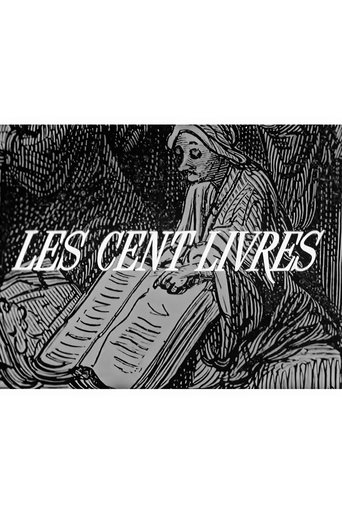
Les Cent Livres des Hommes (ORTF, 1969-1973) was a series of literary programs created by Claude Santelli and Françoise Verny, and produced notably by Santelli, Jean Archimbaud, and Serge Moati. Planned for one hundred episodes but completed at thirty-nine, the series aimed to introduce great literary works, 'chefs-d’œuvre', to a younger audience through a mix of dramatization, reading, and documentary techniques. It marked a transfer of cultural legitimacy from writers and critics to a generation of television producers, offering a new model of educational and creative literary broadcasting - 'télévision d’auteur'.
Les Cent Livres des Hommes
1970
 9.5
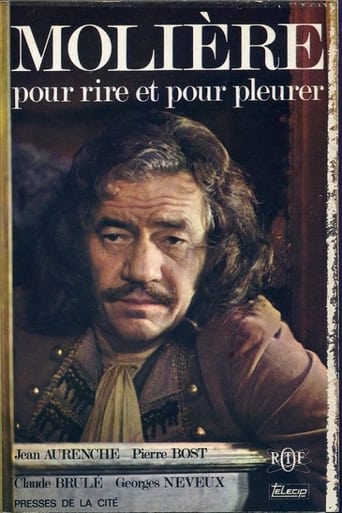
Molière pour rire et pour pleurer recounts the life of Jean‑Baptiste Poquelin, from his childhood in an artisan family to his rise as Molière, a central figure of French theatre. The series shows his difficult decision to abandon the family trade and join Madeleine Béjart to found L’Illustre Théâtre, marked by debts and repeated setbacks. While touring the provinces, he shapes his style and discovers the power of comedy. Back in Paris, he makes a name for himself with Les Précieuses ridicules, but his sharp satires provoke fierce opposition, especially during the Tartuffe scandal. Supported by Louis XIV, he continues despite attacks, literary rivalries, and tensions within his troupe, particularly with Armande Béjart. The miniseries also follows his growing exhaustion, his determination to perform at any cost, and his final breath after Le Malade imaginaire, the ultimate symbol of an artist who lived — and died — for the stage.
Molière pour rire et pour pleurer
1973
 NR
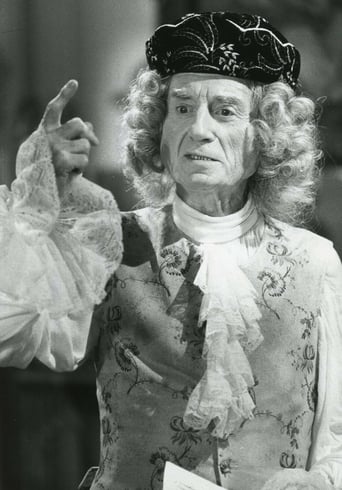
This devil of a man plunges the viewer into the very heart of the Voltaire whirlwind, that incandescent mind who shook his century. The series follows his meteoric rise, his exiles, his battles and flashes of genius, in a Europe still tightly bound by absolutism. We discover an unbowed, charming, formidable man whose pen makes ministers, kings and fanatics tremble. Between glittering salons, damp prisons and passionate loves, Voltaire crosses the Age of Enlightenment like a meteor. Each episode reveals a confrontation, a flight, a victory wrested through the sheer force of intellect. Carried by elegant direction and a sweeping, novelistic energy, the series paints a vibrant portrait of a fighter for freedom. A journey into the life of a man who never stopped thinking, loving and provoking.
Ce diable d'homme
1978
 8.5
Winter 1970, France. In a small village covered in snow, an outcast bonesettler starts predicting the return of wolves in the area, but nobody wants to believe his superstitious omens. Until one day, a young man is attacted by a wolf.
La Tuile à loups
1972
 3.5
Raoul is a 20 years old student in Paris. Girls are not interested in him, though he is good-looking. He wonders why. Raoul does not look for a great passion, he only wants to be kissed. We will follow his love tribulations.
The Story of a Boy Who Wanted to Be Kissed
1994
Film credits

Series credits
5.0No synopsis available yet.
Minichronique
1976
10.0Les Cent Livres des Hommes (ORTF, 1969-1973) was a series of literary programs created by Claude Santelli and Françoise Verny, and produced notably by Santelli, Jean Archimbaud, and Serge Moati. Planned for one hundred episodes but completed at thirty-nine, the series aimed to introduce great literary works, 'chefs-d’œuvre', to a younger audience through a mix of dramatization, reading, and documentary techniques. It marked a transfer of cultural legitimacy from writers and critics to a generation of television producers, offering a new model of educational and creative literary broadcasting - 'télévision d’auteur'.
Les Cent Livres des Hommes
1970
9.5Molière pour rire et pour pleurer recounts the life of Jean‑Baptiste Poquelin, from his childhood in an artisan family to his rise as Molière, a central figure of French theatre. The series shows his difficult decision to abandon the family trade and join Madeleine Béjart to found L’Illustre Théâtre, marked by debts and repeated setbacks. While touring the provinces, he shapes his style and discovers the power of comedy. Back in Paris, he makes a name for himself with Les Précieuses ridicules, but his sharp satires provoke fierce opposition, especially during the Tartuffe scandal. Supported by Louis XIV, he continues despite attacks, literary rivalries, and tensions within his troupe, particularly with Armande Béjart. The miniseries also follows his growing exhaustion, his determination to perform at any cost, and his final breath after Le Malade imaginaire, the ultimate symbol of an artist who lived — and died — for the stage.
Molière pour rire et pour pleurer
1973
NRThis devil of a man plunges the viewer into the very heart of the Voltaire whirlwind, that incandescent mind who shook his century. The series follows his meteoric rise, his exiles, his battles and flashes of genius, in a Europe still tightly bound by absolutism. We discover an unbowed, charming, formidable man whose pen makes ministers, kings and fanatics tremble. Between glittering salons, damp prisons and passionate loves, Voltaire crosses the Age of Enlightenment like a meteor. Each episode reveals a confrontation, a flight, a victory wrested through the sheer force of intellect. Carried by elegant direction and a sweeping, novelistic energy, the series paints a vibrant portrait of a fighter for freedom. A journey into the life of a man who never stopped thinking, loving and provoking.
Ce diable d'homme
1978