
Directing
Ahmed Bouanani
Born — Died
1938-11-16 — 2011-02-06
Place of birth
Casablanca, Morocco
Known for
Directing
Credits
18 titles
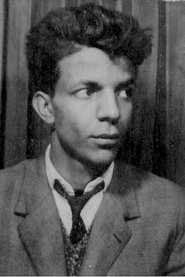
Ahmed Bouanani (Casablanca, 16 November 1938 - Demnate, 6 February 2011) was a Moroccan film director, poet and novelist. He was best known from the 1979 film The Mirage, which featured as no.61 on the list of the best and most important 100 Arabic films commissioned by the 10th Dubai International Film Festival in 2013. In 1983 he also made a comic strip for the newspaper Al Maghrib. In addition to filmmaking, Bouanini wrote three collections of poetry and one novel, The Hospital, translated into English by Lara Vergnaud and published by New Directions in 2018.
Known for
Tahar is a retired blacksmith living with his son from his first marriage. After seeing his late second wife in a dream, he decides to visit her grave, in Azemmour. In the trip, he meets Driss who is going to Essaouira, looking for his mother whom he has never known after receiving a letter about her. The two men go to Marrakech together where Driss gets a combination motorbike that Tahar calls "wind horse". And they begin their journey together, first to Azemmour, then to Essaouira, looking for their past.
Wind Horse
2002
 NR
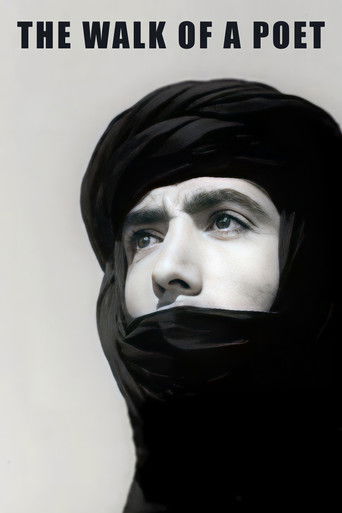
NRA man from Tarfaya, penetrated by the magnificence of his country, the power of its beauty and the nomadic life of his ancestors goes in search of a great popular poet. He would be able to teach him wisdom, music, and the wonderful art of singing and poetry.
Tarfaya (or The Walk Of A Poet)
1966
 5.5
5.5Heper's 7-minute short "Dawn" follows, in a single space between two windows, a triangular love relationship of three people.
Dawn
1963
 7.0
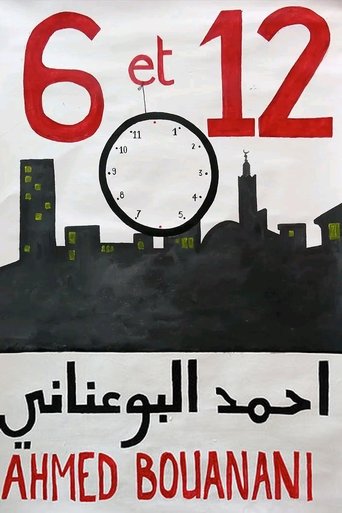
7.0Six and Twelve is one of a series of short films and documentaries produced under the auspices of the Centre Cinématographique Marocain in the years after Moroccan independence. While most of these were utilitarian in nature, Bouanani, Tazi, and Rechiche took a different route with this film, creating a modernist “city symphony” film that documented six hours in the life of the city of Casablanca. Combining a hard bebop soundtrack with stunning black and white cinematography and a radical editing style, the film stands as a document to the energetic experimentation of this period of Moroccan art and cinema.
Six and Twelve
1968
 NR
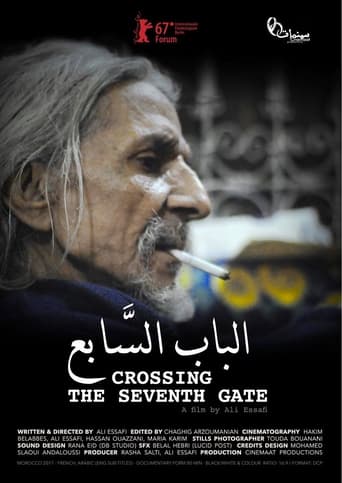
NRAli Essafi visited Bouanani three years before the latter’s death. The filmmaker, poet and novelist who also made drawings was leading a reclusive life in a remote village with his wife Naïma and many cats, living in the midst of huge piles of books and manuscripts.
Crossing the Seventh Gate
2017
 3.3
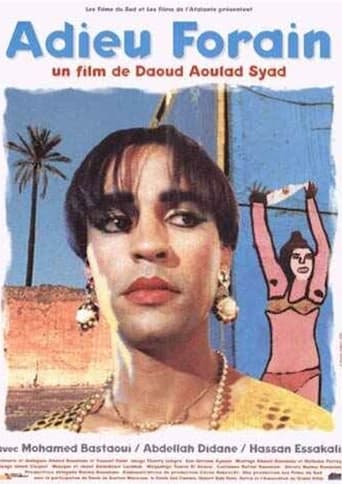
3.3The nomadic life of Moroccan carnival performers forms the basis of this debut from director Daoud Aoulad-Syad. Rabi, a female impersonator who dances with traveling fairs, teams up with Kacem, who hires him to ballyhoo his gambling concession. While Rabi's lack of romantic interest in women befuddles Kacem's son, he does strike up a friendship with a schoolteacher (Nezha Rahile), who in her way is as much of a misfit as Rabi.
Bye-Bye Souirty
1998
Film credits
Behind the camera
Tahar is a retired blacksmith living with his son from his first marriage. After seeing his late second wife in a dream, he decides to visit her grave, in Azemmour. In the trip, he meets Driss who is going to Essaouira, looking for his mother whom he has never known after receiving a letter about her. The two men go to Marrakech together where Driss gets a combination motorbike that Tahar calls "wind horse". And they begin their journey together, first to Azemmour, then to Essaouira, looking for their past.
Wind Horse
2002
NRA man from Tarfaya, penetrated by the magnificence of his country, the power of its beauty and the nomadic life of his ancestors goes in search of a great popular poet. He would be able to teach him wisdom, music, and the wonderful art of singing and poetry.
Tarfaya (or The Walk Of A Poet)
1966
7.0Six and Twelve is one of a series of short films and documentaries produced under the auspices of the Centre Cinématographique Marocain in the years after Moroccan independence. While most of these were utilitarian in nature, Bouanani, Tazi, and Rechiche took a different route with this film, creating a modernist “city symphony” film that documented six hours in the life of the city of Casablanca. Combining a hard bebop soundtrack with stunning black and white cinematography and a radical editing style, the film stands as a document to the energetic experimentation of this period of Moroccan art and cinema.
Six and Twelve
1968
7.0Six and Twelve is one of a series of short films and documentaries produced under the auspices of the Centre Cinématographique Marocain in the years after Moroccan independence. While most of these were utilitarian in nature, Bouanani, Tazi, and Rechiche took a different route with this film, creating a modernist “city symphony” film that documented six hours in the life of the city of Casablanca. Combining a hard bebop soundtrack with stunning black and white cinematography and a radical editing style, the film stands as a document to the energetic experimentation of this period of Moroccan art and cinema.
Six and Twelve
1968
3.3The nomadic life of Moroccan carnival performers forms the basis of this debut from director Daoud Aoulad-Syad. Rabi, a female impersonator who dances with traveling fairs, teams up with Kacem, who hires him to ballyhoo his gambling concession. While Rabi's lack of romantic interest in women befuddles Kacem's son, he does strike up a friendship with a schoolteacher (Nezha Rahile), who in her way is as much of a misfit as Rabi.
Bye-Bye Souirty
1998
One day, a potter buys an old frame in which to put the family photos. But the merchant refuses to sell the frame without the photo of a stranger that it already holds. The potter sets off to look for the stranger in order to give back the picture.
Entre l'absence et l'oubli
1993
 NR
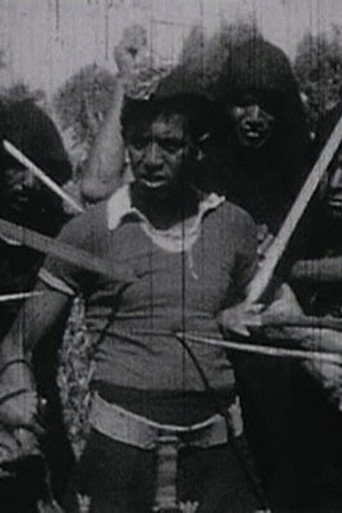
NRNo synopsis available yet.
Petite Histoire en Marge du Cinématographe
1973
 NR
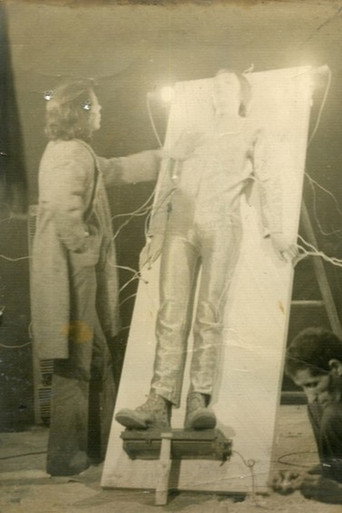
NRNo synopsis available yet.
La Créature
1972
 NR
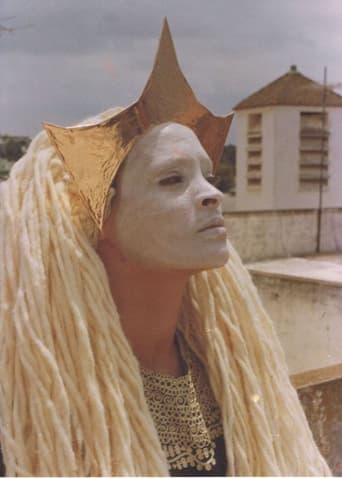
NRAhmed Bouanani’s Al-Manabe' al-Arba'a (1974), a very low-budget fantastical adaption of a poetic fable, features his wife Naïma Saoudi, who also worked as an art director and set designer. It is his only film in colour, which convinced him that his vocation was to work in black and white.
The Four Sources
1977
NRAhmed Bouanani’s Al-Manabe' al-Arba'a (1974), a very low-budget fantastical adaption of a poetic fable, features his wife Naïma Saoudi, who also worked as an art director and set designer. It is his only film in colour, which convinced him that his vocation was to work in black and white.
The Four Sources
1977
NRAhmed Bouanani’s Al-Manabe' al-Arba'a (1974), a very low-budget fantastical adaption of a poetic fable, features his wife Naïma Saoudi, who also worked as an art director and set designer. It is his only film in colour, which convinced him that his vocation was to work in black and white.
The Four Sources
1977
 6.8
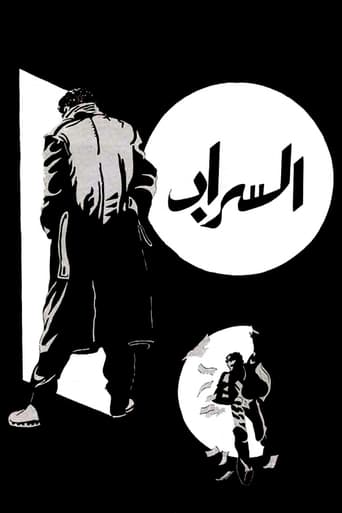
6.8Ahmed Bouanani’s first feature film played a pivotal role in bringing experimentalism to Moroccan cinema. It’s a fable-like story of a poor young farmer who finds treasure in a flour bag. This takes him on a journey where nothing is as it seems. The film’s narrative structure frequently makes reference to mythology and literature, utilizing Morocco’s rich history and oral traditions.
Mirage
1979
6.8Ahmed Bouanani’s first feature film played a pivotal role in bringing experimentalism to Moroccan cinema. It’s a fable-like story of a poor young farmer who finds treasure in a flour bag. This takes him on a journey where nothing is as it seems. The film’s narrative structure frequently makes reference to mythology and literature, utilizing Morocco’s rich history and oral traditions.
Mirage
1979
No synopsis available yet.
Bonne Année
1966
 NR
NRCrafted exclusively from film archives, Thakirah Arba’at 'Ashar (1971) was Ahmed Bouanani’s first feature, but the censors forced him to cut it down from 2 hours and 18 minutes to 24 minutes.
Memory 14
1971