

Acting
Mayara Magri
Born
1962-05-02 (64)
Place of birth
Mogi Guaçu, São Paulo, Brazil
Known for
Acting
Credits
23 titles
Known for
 8.1
After getting lost on a sea excursion, Jô Penteado and Fábio Coutinho develop mutual feelings during the two months they spend stranded on a deserted island.
A Gata Comeu
1985
 6.7
Nonô Corrêa, a character inspired by Molière's "The Miser", is the story's protagonist. The orphan Zezinho crosses paths with Nonô and wins the neurotic gentleman's heart.
Amor com Amor Se Paga
1984
 7.9
Sassá Mutema is a farm laborer who becomes the target of the city's powerful figures' cruelty. With Clotilde's support, he discovers that it's possible to start a new life alongside a great love.
O Salvador da Pátria
1989
 8.3
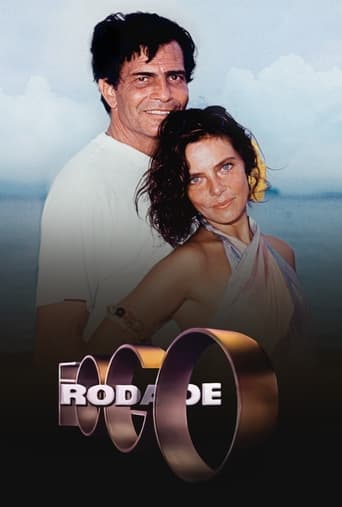
Renato Villar is an ambitious businessman. After discovering a brain tumor, his life takes a turn, and he decides to settle his debts and live his true love.
Roda de Fogo
1986
 7.5
Isaura was born in 1835, in the farm of Commender Almeida. She is the daughter of the slave Juliana and the tenant of the farm, Miguel. Juliana dies right after the birth, because she denied going to bed with the Commender. He whips her to death in revenge. So, Isaura is raised and educated by Gertrudes, wife of the Commender, who always wanted to have a daughter. In spite of her excellent education and the white skin, Isaura, as a daughter of a slave,will always be treated as a slave.
The Slave Isaura
2004
 10.0
No synopsis available yet.
Razão de Viver
1996
Film credits
1990s · 1 titles

1980s · 3 titles


Series credits
8.1After getting lost on a sea excursion, Jô Penteado and Fábio Coutinho develop mutual feelings during the two months they spend stranded on a deserted island.
A Gata Comeu
1985
6.7Nonô Corrêa, a character inspired by Molière's "The Miser", is the story's protagonist. The orphan Zezinho crosses paths with Nonô and wins the neurotic gentleman's heart.
Amor com Amor Se Paga
1984
7.9Sassá Mutema is a farm laborer who becomes the target of the city's powerful figures' cruelty. With Clotilde's support, he discovers that it's possible to start a new life alongside a great love.
O Salvador da Pátria
1989
8.3Renato Villar is an ambitious businessman. After discovering a brain tumor, his life takes a turn, and he decides to settle his debts and live his true love.
Roda de Fogo
1986
7.5Isaura was born in 1835, in the farm of Commender Almeida. She is the daughter of the slave Juliana and the tenant of the farm, Miguel. Juliana dies right after the birth, because she denied going to bed with the Commender. He whips her to death in revenge. So, Isaura is raised and educated by Gertrudes, wife of the Commender, who always wanted to have a daughter. In spite of her excellent education and the white skin, Isaura, as a daughter of a slave,will always be treated as a slave.
The Slave Isaura
2004
10.0No synopsis available yet.
Razão de Viver
1996
 9.5
Éramos Seis is a Brazilian period drama telenovela produced by SBT and originally broadcast from May 9 to December 5, 1994. Based on the 1943 novel of the same name by Maria José Dupré, it was adapted by Sílvio de Abreu and Rubens Ewald Filho, with direction by Henrique Martins and Del Rangel and general direction by Nilton Travesso. The telenovela stars Irene Ravache, Othon Bastos, Jandir Ferrari, Tarcísio Filho, Luciana Braga, and Leonardo Brício. Set in São Paulo between the 1920s and 1940s, the story follows Dona Lola, a devoted wife and mother who struggles to keep her family together despite financial hardship and personal tragedy. As her four children—Carlos, Alfredo, Isabel, and Julinho—grow into adulthood, each follows a different path shaped by love, ambition, and loss. Through decades of sacrifice and resilience, Lola witnesses the joys and sorrows of family life while enduring profound changes that ultimately leave her to reflect on a lifetime of devotion.
Éramos Seis
1994
 8.0
No synopsis available yet.
Helena
1987
 8.7
No synopsis available yet.
Dona Beija
1986
 7.5
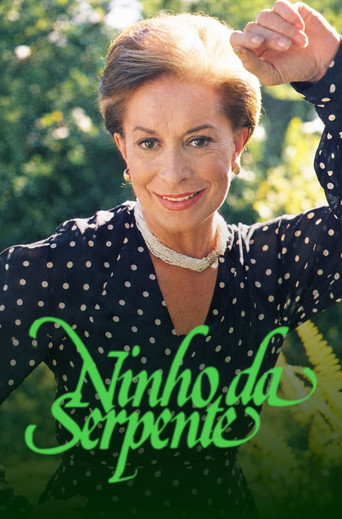
The traditional Taques Penteado clan is intimately linked to the history of São Paulo itself and is considered a significant representative of the São Paulo business world. Ill, Cândido Taques, brother of the matriarch Guilhermina Taques Penteado, lived isolated from everyone on the third floor of the family mansion in the elegant Jardim Europa neighborhood. Cândido's death puts the clan members on alert, awaiting his inheritance: a large fortune in cash, jewels, and stocks. The dispute over the inheritance, in an environment dominated by Guilhermina, and the game of interests among heirs unleash several conflicts, generating an atmosphere of oppression. The characters reveal themselves through their greater or lesser commitment to gaining access to the fortune. Some show no scruples whatsoever in obtaining it, while others, more skillful and diplomatic, resort to less petty means: they seek, for example, to take advantage of a close relationship with the matriarch.
Ninho da Serpente
1982
 NR
Four teenagers, each facing a major conflict. Majô, the daughter of separated parents, has fallen in love with her mother Raquel’s husband, the teacher Túlio. Caíto, who is gay, lives in a dysfunctional home where his parents' marriage—Dirceu and Marilu’s—is going from bad to worse. Doca is a drug addict, and his sister Bia has become pregnant by her boyfriend, Michel. Their parents, Odilon and Paula, are deeply unhappy as well. Interwoven with their stories is that of Túlio—a former addict turned upstanding teacher—who encounters a haunting figure from his past: his ex-sister-in-law, Fernanda.
The Teenagers
1981
 9.5
Os Ossos do Barão is a Brazilian telenovela produced by SBT and originally broadcast from April 28 to September 8, 1997. It is an adaptation of Jorge Andrade's 1963 play of the same name, adapted for television by Walter George Durst, with collaboration from Duca Rachid, Mário Teixeira, and Marcos Lazarini. The telenovela stars Ana Paula Arósio, Tarcísio Filho, Juca de Oliveira, Othon Bastos, and Leonardo Villar. Set in São Paulo in 1948, the story follows Egisto Ghirotto, the wealthy son of Italian immigrants who dreams of gaining social prestige by marrying his son, Martino, to Isabel, the great-granddaughter of the late Baron of Jaraguá. Their romance sparks a bitter conflict between a rising immigrant family and a declining aristocratic dynasty, exposing themes of class, ambition, tradition, and the social transformation of Brazil.
Os Ossos do Barão
1997
 7.0
Salome returns to Sao Paulo from Paris to scandalize a conservative society and her own family with desire to be free. She meets Duda, who is already involved romantically with Salome's mother, Santa
Salomé
1991
 7.0
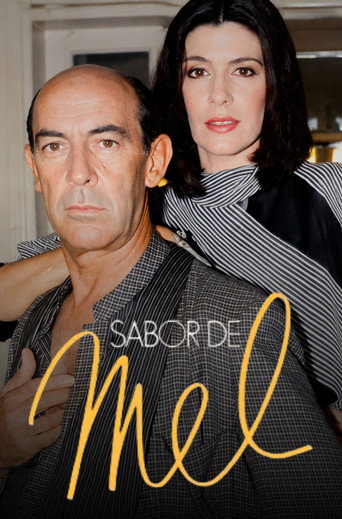
Laura is a beautiful woman, refined, elegant, mysterious, and calculating. A widow and millionaire, she owns a metalworking company, inherited from her husband, who committed suicide five years earlier to avoid bankruptcy. Since becoming a widow, Laura hasn't fallen in love with anyone. She lives in a bubble, waiting for someone to rekindle her heart.
Sabor de Mel
1983
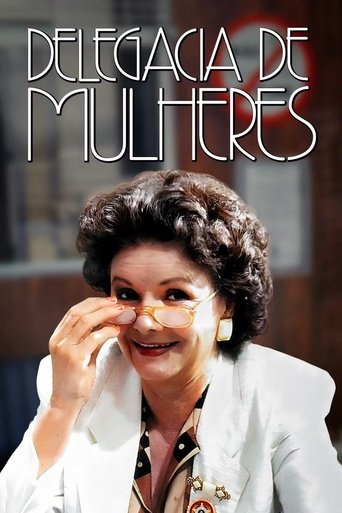 8.6
On her first day at the Women's Police Station, Detective Belinha surprises everyone, including Detective Celeste. Together, they confront cases of assault and unusual situations.
Delegacia de Mulheres
1989
 7.5
After suffering a plane crash, Leo receives a blood transfusion and, some time later, discovers that he ended up contracting the AIDS virus. Desperate, he does his best to find out the identity of the bearer of the blood he received, and suffers from the prejudice of friends and people close to him.
O Portador
1991
