
Production
Lester Cooper
Known for
Production
Credits
3 titles
Known for
 NR
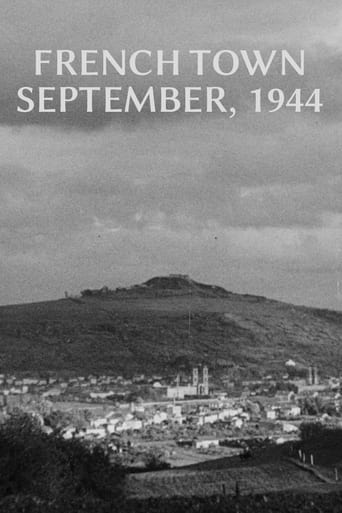
NRPortrait of a small French town following its liberation during World War II.
French Town...
1945
 4.5
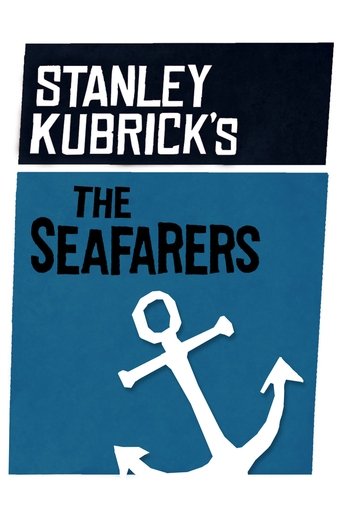
4.5Stanley Kubrick’s first color film, commissioned by the Seafarers International Union to promote the benefits of union membership. Shot inside the union’s Atlantic and Gulf Coast District facilities, it features scenes of ships, machinery, cafeteria life, and meetings, highlighting the daily routines and camaraderie of seafarers. Thought lost for decades, the film was rediscovered in 1973 and preserved by the Library of Congress.
The Seafarers
1953
 5.7
5.7During World War II, the Canadian Navy gathered a troupe of diverse performers (dancers, comedians, singers, musicians) from its ranks and sent them off to entertain their shipmates, and the show/revue ultimately played London's Hioopodrome. The acceptance was based more on wartime-London's appreciation of the gallantry of Britain's sons and daughters from over the seas than it was on the artistic value of the show or the talent of the performers. The film is a fictional/fact mixture of the adventures of the troupe members, and the ending, only part filmed in Technicolor, is primarily the Revue as seen at the Hippodrome.
Meet the Navy
1946
Behind the camera
NRPortrait of a small French town following its liberation during World War II.
French Town...
1945
4.5Stanley Kubrick’s first color film, commissioned by the Seafarers International Union to promote the benefits of union membership. Shot inside the union’s Atlantic and Gulf Coast District facilities, it features scenes of ships, machinery, cafeteria life, and meetings, highlighting the daily routines and camaraderie of seafarers. Thought lost for decades, the film was rediscovered in 1973 and preserved by the Library of Congress.
The Seafarers
1953
5.7During World War II, the Canadian Navy gathered a troupe of diverse performers (dancers, comedians, singers, musicians) from its ranks and sent them off to entertain their shipmates, and the show/revue ultimately played London's Hioopodrome. The acceptance was based more on wartime-London's appreciation of the gallantry of Britain's sons and daughters from over the seas than it was on the artistic value of the show or the talent of the performers. The film is a fictional/fact mixture of the adventures of the troupe members, and the ending, only part filmed in Technicolor, is primarily the Revue as seen at the Hippodrome.
Meet the Navy
1946