
Directing
Humberto Ríos
Born — Died
1929-11-30 — 2014-11-08
Place of birth
La Paz, Bolivia
Known for
Directing
Credits
19 titles
Humberto Ríos (1929–2014) was born in La Paz, Bolivia, on November 30, 1929. He was a Bolivian film director and documentarian who died in Buenos Aires, Argentina, on November 8, 2014. In the 1950s he traveled to France, initially intending to work in his original profession as a painter and set designer, but the creative energy of the nouvelle vague drew him into cinema, and he went on to study at IDHEC, where he crossed paths with figures like Costa-Gavras, Manuel Michel and Salvador Elizondo. While in Paris, he also became involved with a clandestine network of activists opposing the Algerian War, helping route funds to Switzerland for the cause — and was among the few members of that ce…
Known for
 9.5
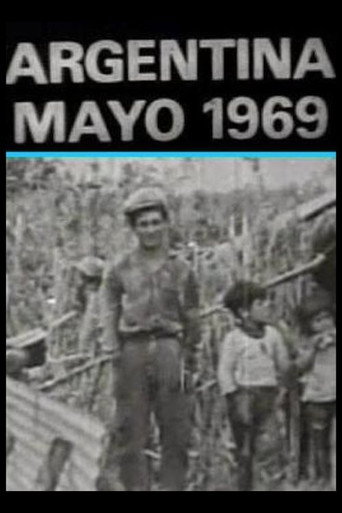
9.5A collection of shorts, some documentary and some fictional, showing the political climate in Argentina during the military regime of the late 1960s.
Argentina, mayo de 1969. Los caminos de la liberación
1969
 8.0
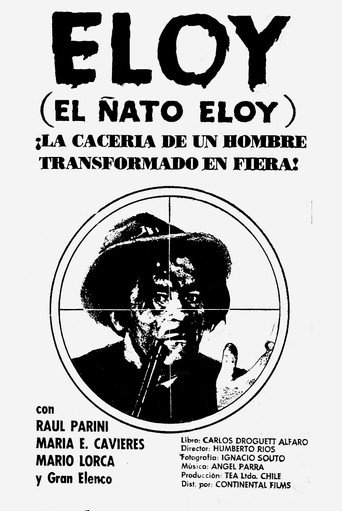
8.0The film is about Eloy, a Chilean bandit and companion of Joaquín Murieta, who is wanted by the justice system on the border with Argentina. Although an escape seems impossible, in desperation he flees without a fixed destination.
Eloy
1969
Documentary film about Argentinian filmmaker Fernando Birri. An interview: a journey through documentary filmmaking, his childhood, the dawning of New Latin American cinema...
Fernando Birri, el utópico andante
2012
Jorge Prelorán was one of the most prolific documentary filmmakers from Argentina. This documentary presents an interview which focuses on his creative work, and on how his ideas about documentaries are key in the uniqueness of his topics and characters.
Jorge Prelorán, el cine de un humanista
2007
No synopsis available yet.
Ríos de la patria grande
2016
This file addresses the work of the emblematic Bolivian filmmaker Jorge Sanjinés, investigating the creative aspects of this director who knew how to create his own language and aesthetics consistent with the Andean worldview. His work is an insight into that collectivist world that brings us closer in a sensitive way to the soul of Bolivian society. It is a call to attention to the whole of society regarding the cultural values of the indigenous majorities. Consistent with his discourse, Jorge Sanjinés is a director who has strived to make communicable, reflective, critical and beautiful cinema that has survived censorship, persecution and exile, bringing to the continent and the world all the richness of an unmissable work.
Jorge Sanjinés y la Nación re(v)belada
2010
Film credits
2010s · 2 titles
No synopsis available yet.
Ríos de la patria grande
2016
This file addresses the work of the emblematic Bolivian filmmaker Jorge Sanjinés, investigating the creative aspects of this director who knew how to create his own language and aesthetics consistent with the Andean worldview. His work is an insight into that collectivist world that brings us closer in a sensitive way to the soul of Bolivian society. It is a call to attention to the whole of society regarding the cultural values of the indigenous majorities. Consistent with his discourse, Jorge Sanjinés is a director who has strived to make communicable, reflective, critical and beautiful cinema that has survived censorship, persecution and exile, bringing to the continent and the world all the richness of an unmissable work.
Jorge Sanjinés y la Nación re(v)belada
2010
Behind the camera
9.5A collection of shorts, some documentary and some fictional, showing the political climate in Argentina during the military regime of the late 1960s.
Argentina, mayo de 1969. Los caminos de la liberación
1969
8.0The film is about Eloy, a Chilean bandit and companion of Joaquín Murieta, who is wanted by the justice system on the border with Argentina. Although an escape seems impossible, in desperation he flees without a fixed destination.
Eloy
1969
8.0The film is about Eloy, a Chilean bandit and companion of Joaquín Murieta, who is wanted by the justice system on the border with Argentina. Although an escape seems impossible, in desperation he flees without a fixed destination.
Eloy
1969
Documentary film about Argentinian filmmaker Fernando Birri. An interview: a journey through documentary filmmaking, his childhood, the dawning of New Latin American cinema...
Fernando Birri, el utópico andante
2012
Documentary film about Argentinian filmmaker Fernando Birri. An interview: a journey through documentary filmmaking, his childhood, the dawning of New Latin American cinema...
Fernando Birri, el utópico andante
2012
Documentary film about Argentinian filmmaker Fernando Birri. An interview: a journey through documentary filmmaking, his childhood, the dawning of New Latin American cinema...
Fernando Birri, el utópico andante
2012
Jorge Prelorán was one of the most prolific documentary filmmakers from Argentina. This documentary presents an interview which focuses on his creative work, and on how his ideas about documentaries are key in the uniqueness of his topics and characters.
Jorge Prelorán, el cine de un humanista
2007
Jorge Prelorán was one of the most prolific documentary filmmakers from Argentina. This documentary presents an interview which focuses on his creative work, and on how his ideas about documentaries are key in the uniqueness of his topics and characters.
Jorge Prelorán, el cine de un humanista
2007
 9.0
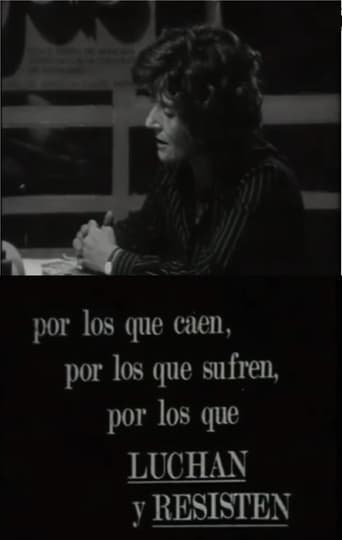
9.0The testimonies of three Argentines: Laura Bonaparte, Carlos González Gartland and Raúl Fonseca, on repression and torture in Argentina between 1973 and 1979. It was performed during the team's exile in Mexico
This Voice Among Many
1979
9.0The testimonies of three Argentines: Laura Bonaparte, Carlos González Gartland and Raúl Fonseca, on repression and torture in Argentina between 1973 and 1979. It was performed during the team's exile in Mexico
This Voice Among Many
1979
No synopsis available yet.
Del Viento y del Fuego
1983
 9.0
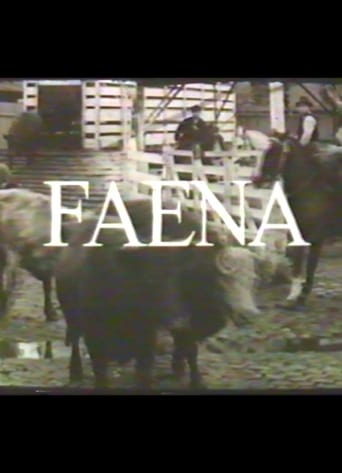
9.0The images connect the workings of a slaughterhouse with a city that is also divided between executioners and dead people.
Faena
1961
9.0The images connect the workings of a slaughterhouse with a city that is also divided between executioners and dead people.
Faena
1961
9.0The images connect the workings of a slaughterhouse with a city that is also divided between executioners and dead people.
Faena
1961
 7.0
7.0Directed by Bolivian-born filmmaker Humberto Ríos (working from Argentina, where he was based), this 65-minute color documentary chronicles the struggle of Bolivian miners and peasants in the period leading up to the de facto government of dictator Hugo Banzer, who came to power with U.S. backing. The film offers a critical warning about the rise of dictatorships across Latin America, situating Bolivia's social conflict within the broader wave of imperialism and military repression sweeping the region at the time.
Al grito de este pueblo
1972
7.0Directed by Bolivian-born filmmaker Humberto Ríos (working from Argentina, where he was based), this 65-minute color documentary chronicles the struggle of Bolivian miners and peasants in the period leading up to the de facto government of dictator Hugo Banzer, who came to power with U.S. backing. The film offers a critical warning about the rise of dictatorships across Latin America, situating Bolivia's social conflict within the broader wave of imperialism and military repression sweeping the region at the time.
Al grito de este pueblo
1972
7.0Directed by Bolivian-born filmmaker Humberto Ríos (working from Argentina, where he was based), this 65-minute color documentary chronicles the struggle of Bolivian miners and peasants in the period leading up to the de facto government of dictator Hugo Banzer, who came to power with U.S. backing. The film offers a critical warning about the rise of dictatorships across Latin America, situating Bolivia's social conflict within the broader wave of imperialism and military repression sweeping the region at the time.
Al grito de este pueblo
1972