

Directing
Cristina Perincioli
Born
1946-11-11 (79)
Place of birth
Bern, Switzerland
Known for
Directing
Credits
6 titles
Known for
No synopsis available yet.
Wochenschau II
1970
 NR
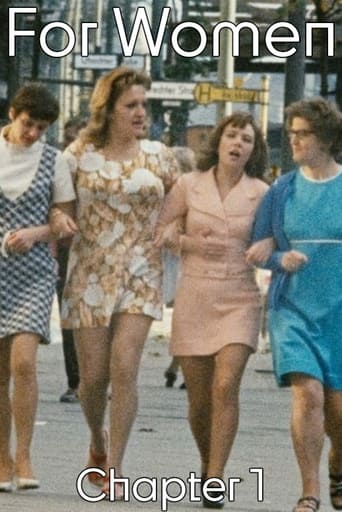
NRSaleswomen in a supermarket discover that they are paid less than their male colleagues who do the same work. They decide to take action. The band Ton Steine Scherben sings along that “Everything changes if you change it / But you can't win as long as you're alone!” With a lay cast, the film fulfils the demand for solidarity that it preaches – “this film was made by saleswomen and housewives. They came up with the story and acted themselves. The film students helped them”
For Women, Chapter 1
1971
 0.5
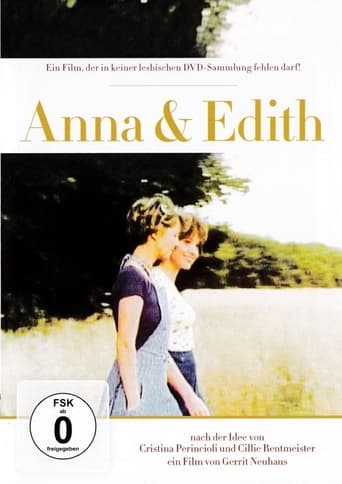
0.5Anna and Edith are colleagues at an insurance company. Their male chef uses the women's business success to his own advances. Anna's husband would prefer her to be at home. Anna and Edith become a couple, but it doesn't end with a romantic rendez-vous. Together, and with the help of their female colleagues, they want to improve their work conditions.
Anna and Edith
1975
 3.7
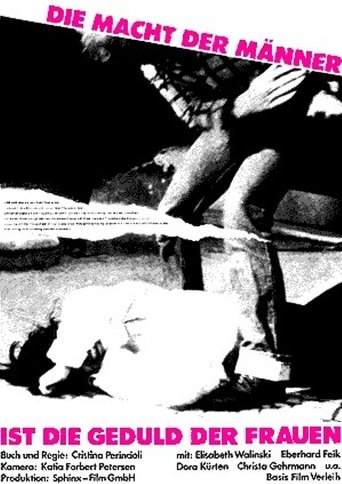
3.7For many years, market woman Addi has been helplessly exposed to the ever-increasing aggression of her husband Max. His physical and emotional abuse has become part of her everyday life, from which she cannot find a way out. Due to her economic dependence on Max and the passivity of those around her, every attempt to escape leads her back to her husband. When Addi accidentally learns of the existence of a women's shelter, this is her long-awaited escape from violence and she flees to the facility with her son. Strengthened by the solidarity among the women, she founds a shared flat with others in order to regain her long-suppressed freedom. Director Cristina Perincioli had the story developed and acted out by residents of Germany's first women's shelter in West Berlin.
Die Macht der Männer ist die Geduld der Frauen
1978
With a critical eye, the film wanders through the streets of Kreuzberg and captures the voices of workers who report on their difficult working conditions and the lack of kindergartens. The film is the result of a collaboration between DFFB students and the Kreuzberg-Nord neighborhood group. It provides interesting insights into the struggles of the neighborhood group with the Senate for funds and rooms to accommodate the children.
Kreuzberg gehört uns
1972
Behind the camera
No synopsis available yet.
Wochenschau II
1970
NRSaleswomen in a supermarket discover that they are paid less than their male colleagues who do the same work. They decide to take action. The band Ton Steine Scherben sings along that “Everything changes if you change it / But you can't win as long as you're alone!” With a lay cast, the film fulfils the demand for solidarity that it preaches – “this film was made by saleswomen and housewives. They came up with the story and acted themselves. The film students helped them”
For Women, Chapter 1
1971
0.5Anna and Edith are colleagues at an insurance company. Their male chef uses the women's business success to his own advances. Anna's husband would prefer her to be at home. Anna and Edith become a couple, but it doesn't end with a romantic rendez-vous. Together, and with the help of their female colleagues, they want to improve their work conditions.
Anna and Edith
1975
3.7For many years, market woman Addi has been helplessly exposed to the ever-increasing aggression of her husband Max. His physical and emotional abuse has become part of her everyday life, from which she cannot find a way out. Due to her economic dependence on Max and the passivity of those around her, every attempt to escape leads her back to her husband. When Addi accidentally learns of the existence of a women's shelter, this is her long-awaited escape from violence and she flees to the facility with her son. Strengthened by the solidarity among the women, she founds a shared flat with others in order to regain her long-suppressed freedom. Director Cristina Perincioli had the story developed and acted out by residents of Germany's first women's shelter in West Berlin.
Die Macht der Männer ist die Geduld der Frauen
1978
3.7For many years, market woman Addi has been helplessly exposed to the ever-increasing aggression of her husband Max. His physical and emotional abuse has become part of her everyday life, from which she cannot find a way out. Due to her economic dependence on Max and the passivity of those around her, every attempt to escape leads her back to her husband. When Addi accidentally learns of the existence of a women's shelter, this is her long-awaited escape from violence and she flees to the facility with her son. Strengthened by the solidarity among the women, she founds a shared flat with others in order to regain her long-suppressed freedom. Director Cristina Perincioli had the story developed and acted out by residents of Germany's first women's shelter in West Berlin.
Die Macht der Männer ist die Geduld der Frauen
1978
With a critical eye, the film wanders through the streets of Kreuzberg and captures the voices of workers who report on their difficult working conditions and the lack of kindergartens. The film is the result of a collaboration between DFFB students and the Kreuzberg-Nord neighborhood group. It provides interesting insights into the struggles of the neighborhood group with the Senate for funds and rooms to accommodate the children.
Kreuzberg gehört uns
1972