

Acting
Kimiko Ikegami
Born
1959-01-16 (67)
Place of birth
New York City, New York, USA
Known for
Acting
Credits
53 titles
Kimiko Ikegami (born January 16, 1959) is a Japanese actress. Born in Manhattan, New York City, she moved to Kyoto at age 3. Kimiko graduated from Horikoshi High School in Nakano, Tokyo and subsequently attended Tamagawa University. She is closely related to the Bandō Mitsugorō kabuki actors: her grandfather was the eighth, her uncle the ninth (later Bandō Minosuke VII), her cousin (Bandō Yasosuke V) the tenth to take that name. With the encouragement of that cousin, Kimiko turned to acting. Ikegami is best known for playing the lead role of Gorgeous in the 1977 film House.
Known for
 9.3
9.3After participating to a previous show where they have to bet or be challenged to any kind of competitions, the losing members of the Gaki no Tsukai are selected to spend 24 hours in a setting which they have no knowledge of the theme nor the course of the events. They are exposed to various absurd and crazy situations nonstop for 24 hours and must refrain from laughing. If they do so, hang-men appear and hit the rule breakers with a weapon (the weapon varies every year).
Gaki no Tsukai No Laughing Batsu Game
2003
 7.5
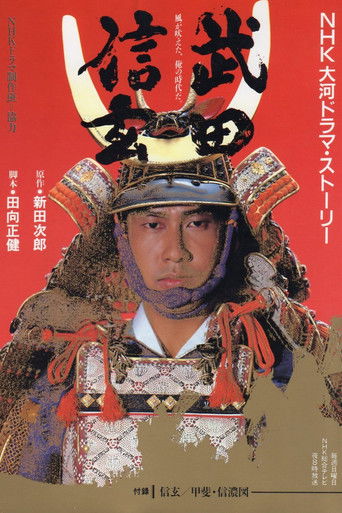
7.5There was a very turbulent time in the warring period in the history, and Takeda Shingen is consider one of the great warlord among many other.
Takeda Shingen
1988
 7.0
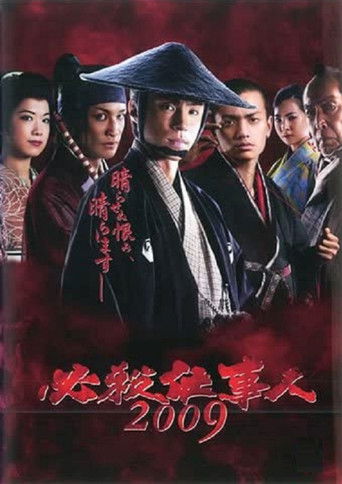
7.0Continuation of the popular series of films about the assassins in Edo. This show marks the return of the jidaigeki series "Hissatsu Shigotonin," which has had several seasons between the 1970s and the 1990s. The franchise came back in 2007 with a one-shot special, but this is its first full season since 1992. Makoto Fujita returns as the protagonist Nakamura Mondo, one of the "shigotonin," a team of hired assassins.
Mission To Kill
2009
 10.0
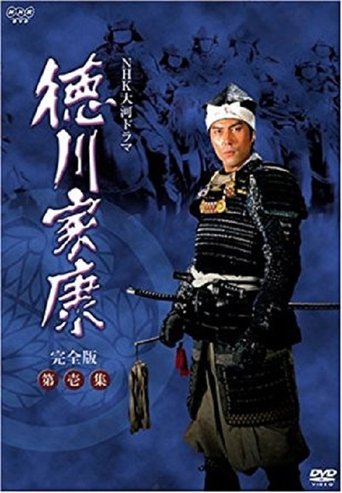
10.0The story chronicles the life of Tokugawa Ieyasu.
Tokugawa Ieyasu
1983
 7.3
7.3Hoping to find a sense of connection to her late mother, Gorgeous takes a trip with her friends to visit her aunt's ancestral house in the countryside. The girls soon discover that there is more to the old house than meets the eye.
House
1977
 NR
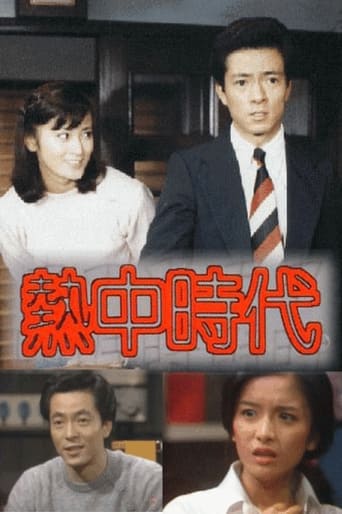
NRThis light-hearted comedy tells the story of a young man who chooses to become a teacher and struggles to live and grow in the field of education.
Netchū Jidai
1978
Film credits
2020s · 2 titles
 NR
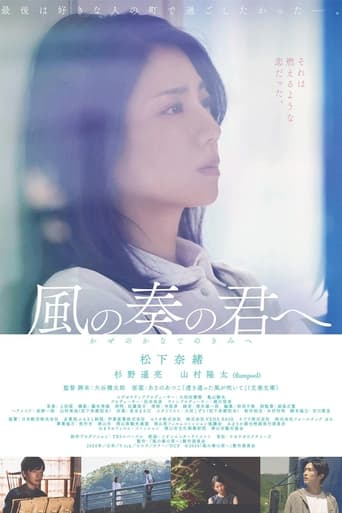
NRIn Mimasaka, Okayama Prefecture, a ronin student named Keiya leads a listless life. One day, pianist Rika arrives in Mimasaka. Keiya starts to develop a faint romantic feeling for her. However, Rika has a reason she must come to this place at all costs...
Tea for Three
2024
 NR
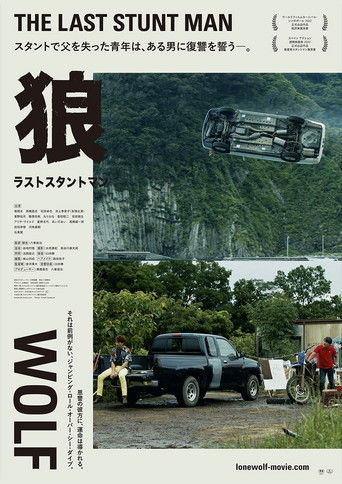
NRAkira moved to LA with his mother when he was a child. The reason for this was the accidental death of his father who was a stuntman. after growing up, akira became a professional motocross racer and participated in the national motocross championship. but his mother suddenly dies. akira is so shocked that he leaves the world of motocross behind and retreats to his home for a while. he then decides to return to japan to seek revenge against gou, the man responsible for his father’s death.
LONE WOLF
2022
2010s · 2 titles
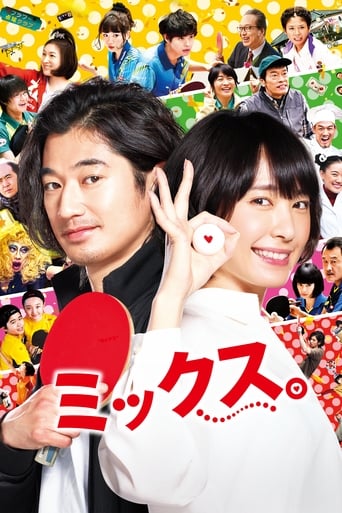
2000s · 4 titles
 NR
NRNo synopsis available yet.
狩矢警部シリーズ 特別編「京舞妓VS狩矢警部〜乱れ傘の舞殺人事件」
2006
 6.0
6.013th installment of the 16-film franchise.
Yakuza Ladies: Revenge
2000
 NR
NRWhen the clock's hand turns into a knife, parent-child bonds are torn!
48 Hours of Terror - When the Clock's Hands Turn into a Knife
2004
 NR
NRKota Mizutani, a 10-year-old boy whose health worsened after he saw a murder, is brought to Akiko's clinic by his mother Mariko. Kota says that two months ago, he witnessed a man in a park strangling a woman with a cord and was chased by the man afterwards. Hamada, who listens to his story along with Akiko, immediately performs an investigation but cannot find any traces of the crime. However, Kota's testimony gains credence when the body of a woman killed two months before is discovered on a construction site in Kawagoe. Acting on a tip from a citizen who says she had been wearing the same clothes as the victim, the police search the house of Kazuko Shimazaki, a photographer who is often absent. But when Kazuko returns from her trip with her assistant Hirano, it becomes clear the victim is a different person.
監察医 室生亜季子㉚ 震える顔
2001
1990s · 10 titles
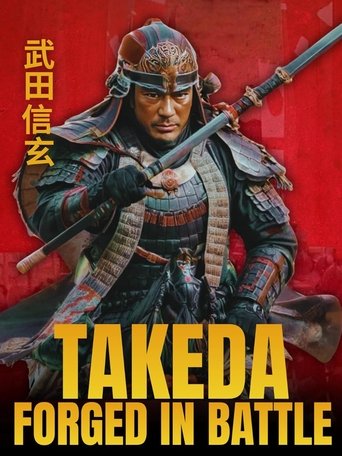 10.0
10.0During the 16th century, Japan was involved in the Sengoku Period, an era of civil wars and the powerful warlords who fought them. One of the earliest and strongest of these men was the Lord Takeda Shingen, a tremendous military genius.
Takeda Shingen
1991
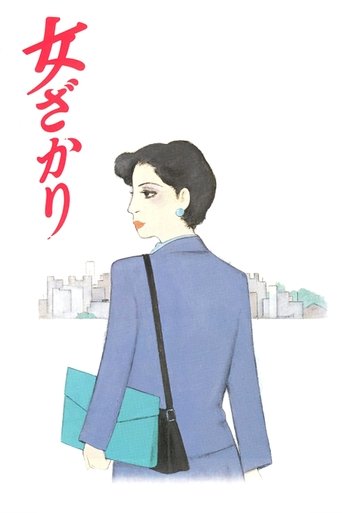 7.0
7.0A middle-aged journalist looking to make her big break. After working the same beat on the "women's page", Yumiko gets promoted to editorials.
Turning Point
1994
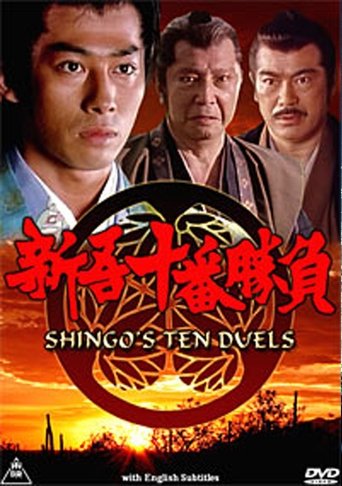 NR
NRThe classic tale of the shogun's illegitimate son Aoi Shingo is told in three parts as he strives to become the greatest fencer in Japan, while his father Shogun Tokugawa Yoshimune seeks to reunite with his lost son. When the secrets of Shingo's birth are revealed to him, it sets off a series of events that bring him to cross swords with members of the shogun's inner circle in a series of duels that could change the destiny of Japan.
Shingo's Ten Duels
1990
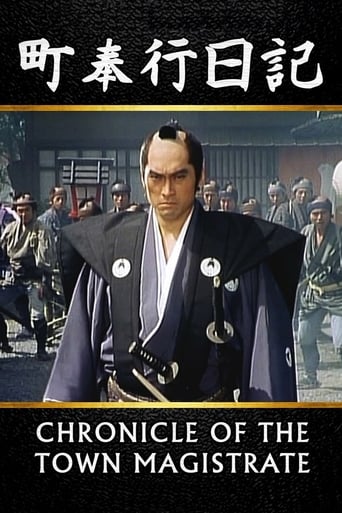 NR
NRIn a maelstrom of evil, can a new magistrate, samurai Mochizuki Koheita, with a reputation like an alley cat, bring order to the town of Horisoto, or is he, too a corrupt villain looking to gain wealth from the oppressed people? From the pen of famed samurai author Yamamoto Shugoro, this exciting tale turns the tables on the standard samurai story with a unique lead character previously portrayed in Ichikawa Kon’s “Dora Heita.”
Chronicle of the Town Magistrate
1992
 6.8
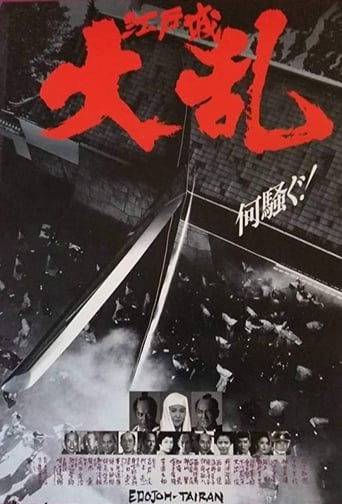
6.8The early days of the Tokugawa shogunate are brought to light in this exciting historical tale of broken vows and violent swordplay. In an ambush the heir to the shogun’s seat is brutally cut down by those who hope to install the emperor’s 5th son as military leader of the nation.
The Great Shogunate Battle
1991
 6.0
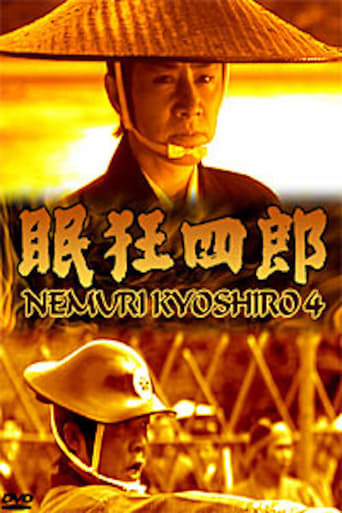
6.0Tamura Masakazu returns as Nemuri Kyoshiro for the fourth and final time. Gensai, an eccentric Ukiyoe artist, urgently requests Kyoshiro to kill his wife. He believes that the moment she is killed will represent the ultimate state of beauty, and wishes to see Kyoshiro's signature “Engetsu Sappo” (“Full Moon Cut”) killing technique for the purpose. But this unusual request comes not only from Gensai, but also his wife, Orin, who has a tie to Kyoshiro's past. Meanwhile, Tenzen wants to hire Kyoshiro as their master sword instructor for the Kurume Clan, whose lord has an unhealthy obsession with Kyoshiro and his Engetsu Sappo…
Nemuri Kyōshirō 4: The Woman Who Loved Kyoshiro
1998
 NR
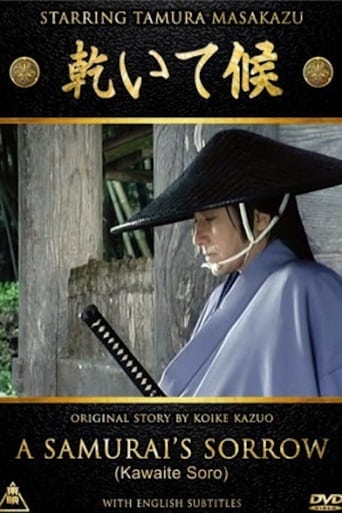
NRA rare grouping of the three Tamura brothers, Masakazu, Takahiro, and Ryu highlight this exciting tale of a series of attempts on the life of Shogun Yoshimune. The Owari have longed for the post of shogun, and are willing to do anything, including murder, in order to achieve their goal. Directed by master filmmaker Inoue Akira, this action packed movie, based on a manga by Koike Kazuo who created the Baby Cart (Lone Wolf) series, is loaded with splendid swordplay and an intelligent story line. It all starts when poison is discovered in the shogun’s food. Can the brilliant swordsman Mondo (Tamura Masakazu) manage to save Japan’s leader from certain death?!
A Samurai's Sorrow
1993
 8.0
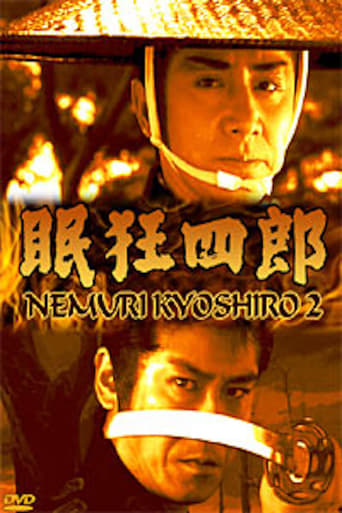
8.0Sakai Nobunari an Elder in 'Honmaru' (or the main enclosure) and Mizuno Tadakuni an Elder in 'Nishinomaru' (or the south-east enclosure) have been at odds behind the scenes over the marriage of Tokugawa Ieyoshi, heir to the Shogunate. Kyoshiro, who has come back in Edo after 3 years is involved in it against his will. It's because he gets to know Lady Mihoyo who is a spy for Sakai and looks exactly like his late mother. As she couldn't complete her mission she has nowhere to go. Kyoshiro shelters her from both parties that seek her life. The original story is from "Nemuri Kyoshiro Burai Hikae" written by Shibata Renzaburo. Not only is one of Japan's greatest legends kept alive, but some secrets of Kyoshiro's past are finally revealed for the first time.
Nemuri Kyôshirô 2: Conspiracy in Edo Castle
1993
 7.5
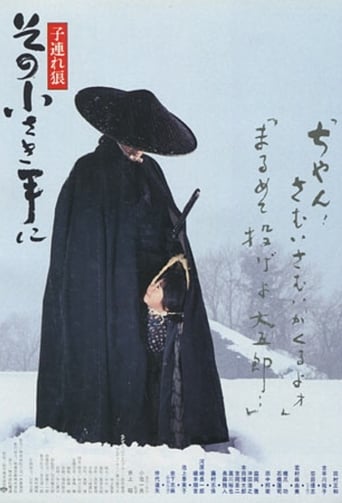
7.5A noble samurai serving the Shogun as 'Kogi Kaishaku-nin' (Official Executioner) is the target of a plot by the evil Yagyu Clan to take away his position and replace him with a member of their own family. When his wife is murdered and evidence is produced that he was plotting against the Shogun the Code of Bushido calls for him and his son to commit sepuku. Instead he defies the Shogun's orders and takes up arms against his enemies, becoming an assassin for hire.
Lone Wolf and Cub: The Final Conflict
1993
 NR
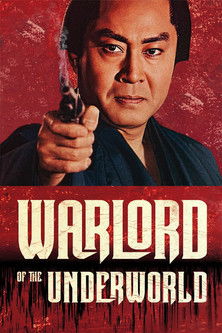
NROn the day of the festival at Takao Shrine in Koshu, a brawl breaks out at a local gambling den run by the boss, Kansuke of Saruya (played by Zo Ozawa). It’s the rowdy members of the Shimizu clan, led by Jirocho (Kinya Kitaoji), who uncover a cheating scheme. The chaos is brought to a halt by none other than Jirocho’s lifelong rival-Katsuzo of Kurokoma (Tetsuo Ishidate), a powerful local boss from Koshu...
Warlord of the Underworld
1998
1980s · 7 titles
 5.6
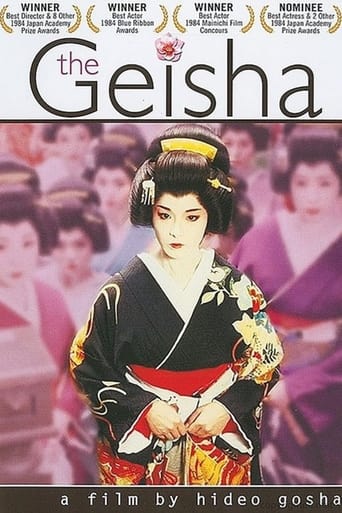
5.6Yokiro was the most successful Geisha house in Western Japan during the first half of the 20th century and remains open to this day. At its peak, it was home to over 200 geisha, however behind the fabulous facade, there were many battles - between family members, men and women, and with the Yakuza. Momokawa was sold to Yokiro at age 12, and despite being the top geisha, her many complicated relationships provide unending challenges throughout her glamorous but turbulent life.
The Geisha
1983
 7.7
7.7Ko, a motorbike enthusiast from the city wandering the Japanese countryside, falls for the carefree local Miyo and teaches her how to ride. When Miyo proves herself a biker prodigy, Ko begins to fear she's destined to crash.
His Motorbike, Her Island
1986
 10.0
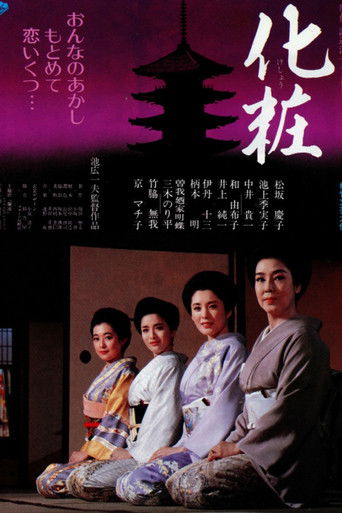
10.0No synopsis available yet.
Make-Up
1984
 NR
NRShuhei, a mystery writer, is invited to a dinner party at a country house. The guests include Tanase and his wife Noriko. Next day, Tanase is shot and Noriko with a gun stands near him. Tanase calls one of the guest's name and dies.
Dangerous Women
1985
 9.0
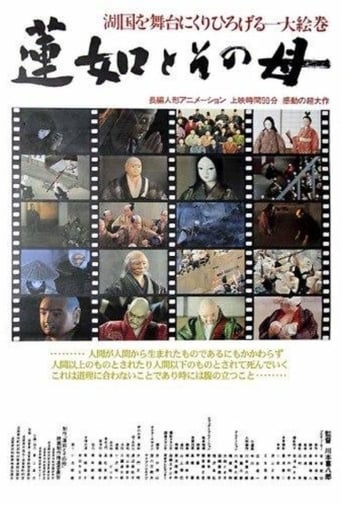
9.0Rennyo was the key figure responsible for the restoration of Shin Buddhism in Japan, in particular the Honganji lineage that had a slump in its fortunes during the Middle Ages. According to the legend, his motivation was a pivotal childhood incident at the age of six when his mother summoned him and told him about his destiny to revive the fortunes of the Honganji school to which he was the next in line. She then mysteriously disappeared from the temple. Taking her words to heart, from a background of great poverty and hardship, at the age of 16 he set out to spread the word across the land.
Rennyo and His Mother
1981
 7.5
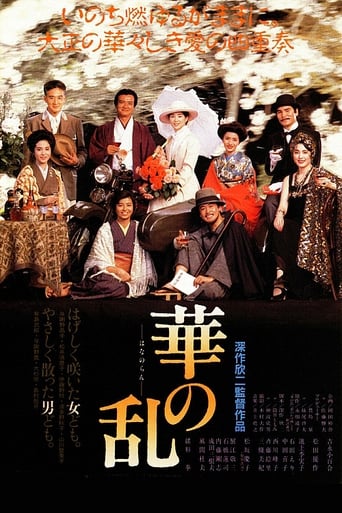
7.5Set in the Taisho era, Hana no ran is a story about fashionable people without impulse control. Much of the action centers on a popular woman writer, the real-life poet Akiko Yosano, and her experiences among the literati of early 20th century Japan. Because of her independent, anti-war and often erotic poetry, she was a lightning rod for revolutionaries and other extremists, many of whom were destined to glamorous, yet ultimately pointless, deaths.
A Chaos of Flowers
1988
 5.0
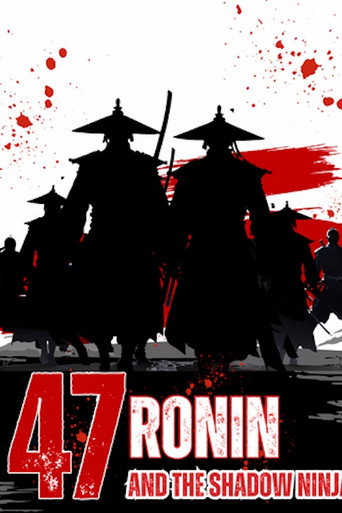
5.0In Genroku-era Japan, after Lord Asano is forced to commit suicide for attacking Kira, Chief Retainer Araki sends Kaizuka Shingo undercover to investigate Oishi Kuranosuke's motives. As Kiras son deploys spies to stop Oishis revenge, Kaizuka joins the samurai's cause, setting the stage for a historic raid.
47 Ronin and the Shadow Ninja
1981
1970s · 7 titles
7.3Hoping to find a sense of connection to her late mother, Gorgeous takes a trip with her friends to visit her aunt's ancestral house in the countryside. The girls soon discover that there is more to the old house than meets the eye.
House
1977
 7.4
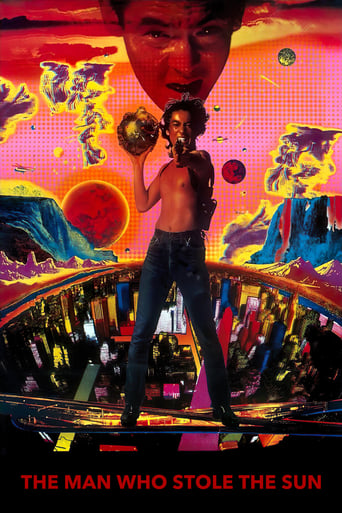
7.4A high school science teacher is the butt of all his students' jokes, until their bus is hijacked on a school trip. But something more sinister lurks beneath the surface: he's building an atomic bomb in his apartment.
The Man Who Stole the Sun
1979
 6.5
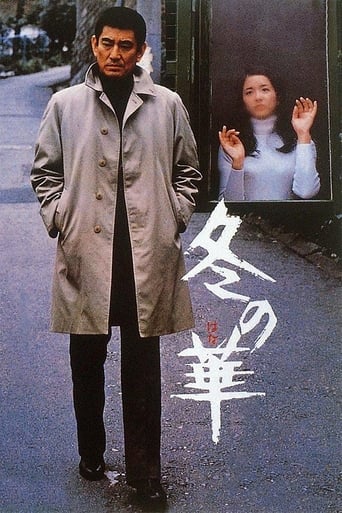
6.5Kanno is a Yakuza. He had to kill Matsuoka who betrayed their boss. Kanno knew Matsuoka had a 3-year-old daughter named Youko. Before he gave himself to the police, he asked his trusted man to take care of her. While in prison, Kanno kept sending letters to Youko, disguising as an uncle in Brazil. 15 years later, Kanno is released. He is determined to live legitimately, however the Yakuza has not forgotten his wicked deed!
Winter's Flower
1978
 8.5
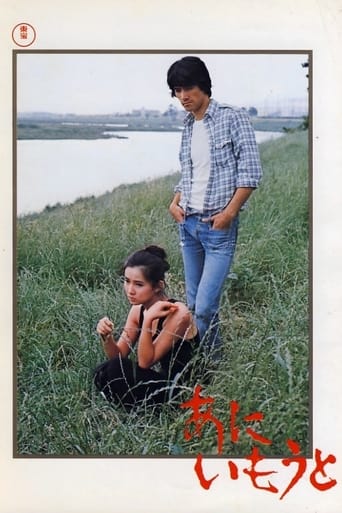
8.5Members of a country family react differently to the return of daughter Mon from a town factory.While the men are angry she is pregnant with no husband, the women show kindness.
Brother and Sister
1976
 10.0
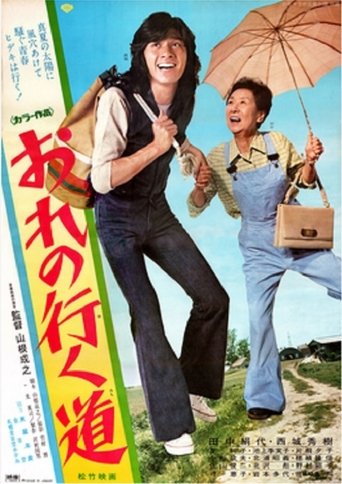
10.0Let's Go, Grandma! plays like an exuberant, goofy update to Yasujiro Ozu's Tokyo Story. Kinuyo Tanaka plays the titular Grandma, who, after selling her Hokkaido property, is apparently flush with cash but newly homeless. Her grown children take turns hosting her, making extravagant performances of filial devotion with an eye to potential profit. Making use of a catalog of wacky visual effects, bracketed by gratuitous ham-fisted fight scenes, and costarring pop singer Hideki Saijo, the film is balanced by Tanaka's nuanced performance, which delivers a denunciation of hypocrisy and greed.
Let's Go, Grandma!
1975
 NR
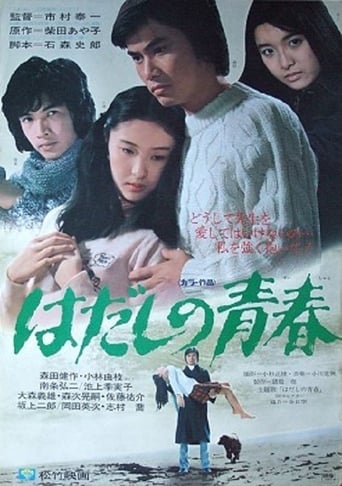
NRYouth movie.
Hadashi no seishun
1975
 NR
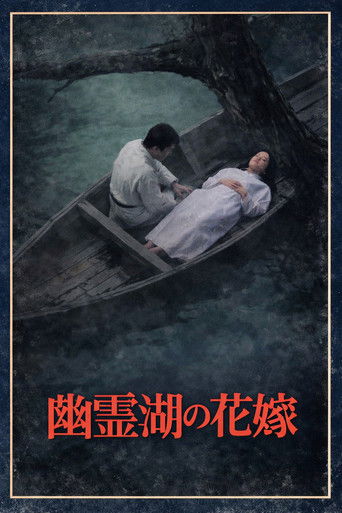
NRInspector Uno and college student Yuko Nagai investigate another strange mystery.
The Bride of the Ghost Lake
1979
Series credits
9.3After participating to a previous show where they have to bet or be challenged to any kind of competitions, the losing members of the Gaki no Tsukai are selected to spend 24 hours in a setting which they have no knowledge of the theme nor the course of the events. They are exposed to various absurd and crazy situations nonstop for 24 hours and must refrain from laughing. If they do so, hang-men appear and hit the rule breakers with a weapon (the weapon varies every year).
Gaki no Tsukai No Laughing Batsu Game
2003
7.5There was a very turbulent time in the warring period in the history, and Takeda Shingen is consider one of the great warlord among many other.
Takeda Shingen
1988
7.0Continuation of the popular series of films about the assassins in Edo. This show marks the return of the jidaigeki series "Hissatsu Shigotonin," which has had several seasons between the 1970s and the 1990s. The franchise came back in 2007 with a one-shot special, but this is its first full season since 1992. Makoto Fujita returns as the protagonist Nakamura Mondo, one of the "shigotonin," a team of hired assassins.
Mission To Kill
2009
10.0The story chronicles the life of Tokugawa Ieyasu.
Tokugawa Ieyasu
1983
NRThis light-hearted comedy tells the story of a young man who chooses to become a teacher and struggles to live and grow in the field of education.
Netchū Jidai
1978
 NR
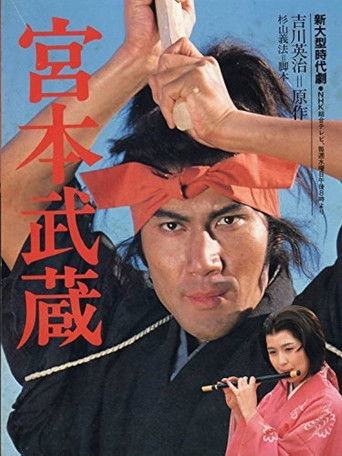
NRNo synopsis available yet.
水曜ドラマ 宮本武蔵
1984
 9.0
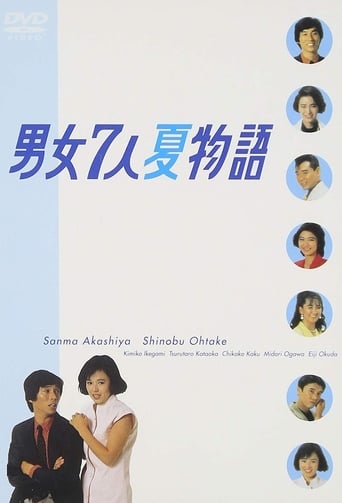
9.0He brought together the Akashi family and Shinobu Otake, who later married (Imalu was born, then divorced). The fun of the interaction between Sanma and Otake became a hot topic, with a peak viewership of over 31%, and a sequel "The Story of Seven Men and Women in Autumn" was produced. It is also said to be the originator of trendy drama.
Danjoshichi Natsu Monogatari
1986
 NR
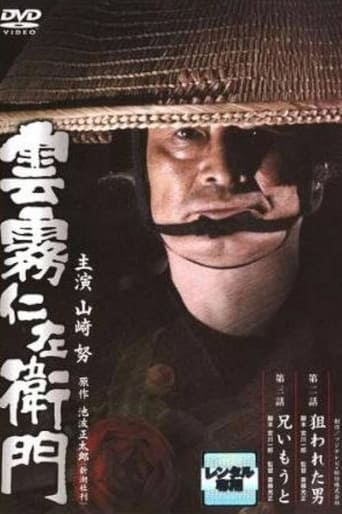
NRA Japanese television jidaigeki that was broadcast in prime-time in 1995 on Fuji TV. It is based on Shōtarō Ikenami's novel of the same title and stars Tsutomu Yamazaki. In the Kyōhō period, there was a group of bandits called Kumokiri from the people of Edo. Tokugawa shogunate appoints Abe Shikibu a head post of the Hitsuke Tōzoku Aratamegata to arrest Kumokiri clan.
Kumokiri Nizaemon
1995
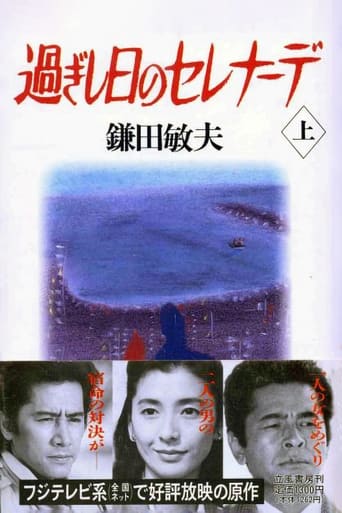 NR
NRThis drama is about the lives of the men and the woman for more than fifty years. It shows how people's lives go. The two men love the same woman since they were children. Their love and hate continue till the end of their lives
Last Serenade
1989
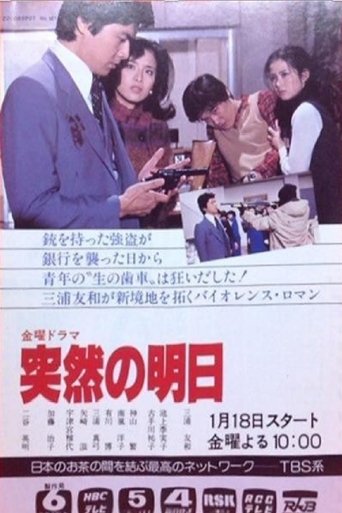 NR
NRNo synopsis available yet.
突然の明日
1980
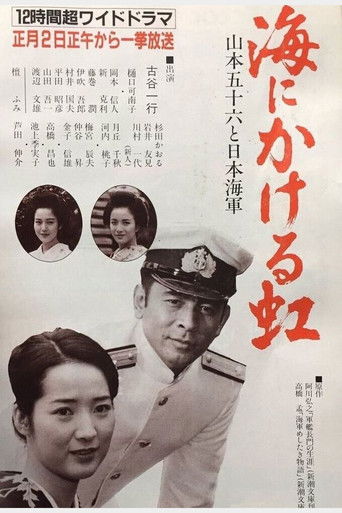 NR
NRThe tumultuous life of the fallen Isoroku Yamamoto is depicted, along with his family, friends, and subordinates, his bonds with the women who loved and watched over him, and the sorrows of the nameless people who have disappeared in the torrent of history.
Umi ni kakeru Niji: Yamamoto Isoroku to Nippon Kaigun
1983
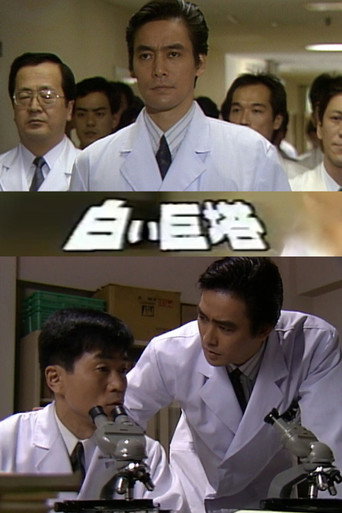 8.0
8.0The 1990 adaptation of Toyoko Yamasaki's "The Great White Tower".
The Great White Tower
1990
 NR
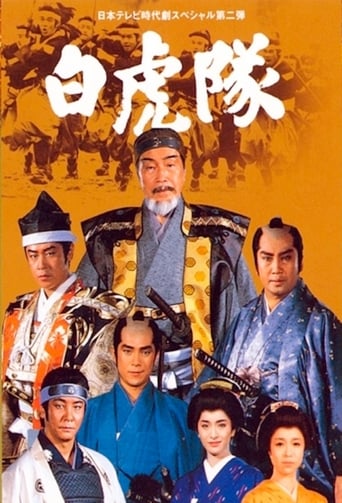
NRByakkotai was part of Aizu's four-unit military, set up in the domain's drive to finalize its military modernization, in the wake of the Battle of Toba-Fushimi. The other three units were Genbutai, Seiryūtai, and Suzakutai. Each of the four was named after the protecting gods of compass directions. Byakkotai was meant to be a reserve unit, as it was composed of the young teenage 16 to 17 year old sons of Aizu samurai in a group around 350, who fought in the Boshin War (1868–1869)
Byakkotai
1986
 NR
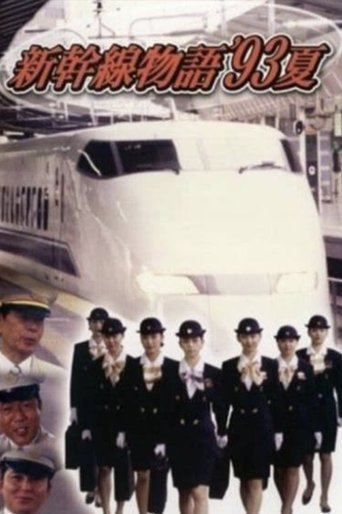
NRNo synopsis available yet.
新幹線物語'93夏
1993
 8.0
8.0Junan, a former instructor of swordplay for the Shogun family, went to Nagasaki and studied medicine. After coming back to Edo, he becomes a highly skilled doctor that he is now also a medical examiner for the magistrate's office. But no one knows of his the other side: he goes out and punishes the evil using his secret weapon… “needle of death.”
Too Late to Help You
2005
No synopsis available yet.
美しい共犯者・三重逆転
1987
 NR
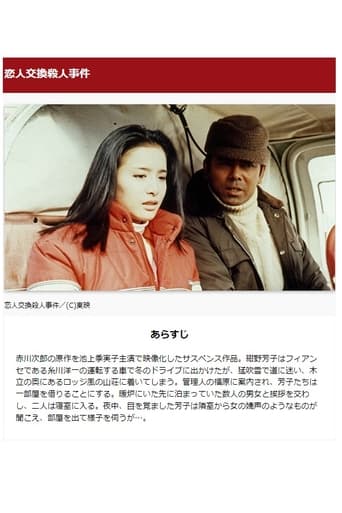
NRYoshiko Konno went on a winter trip in a car driven by her fiance, Yoichi Itokawa, but got lost due to a blizzard and arrived at a mountain cottage in the depths of a grove. They decide to rent a room. After greeting several men and women sitting by the fireplace, they enter the bedroom. In the middle of the night, Yoshiko woke up and, hearing a woman's voice from the next room, left the room to see what was going on...
Murder Case: Lover Swap
1982
 NR
NRNo synopsis available yet.
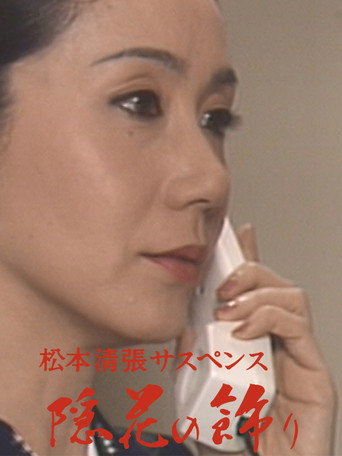
松本清張サスペンス 隠花の飾り
—
No synopsis available yet.
宮本武蔵
1984
No synopsis available yet.
Tokugawa Ieyasu
1988
No synopsis available yet.
二つの嘘 同窓会殺人事件
2005