

Writing
Ola Balogun
Born
1945-08-01 (81)
Place of birth
Aba, Nigeria
Known for
Writing
Credits
39 titles
Known for
 10.0
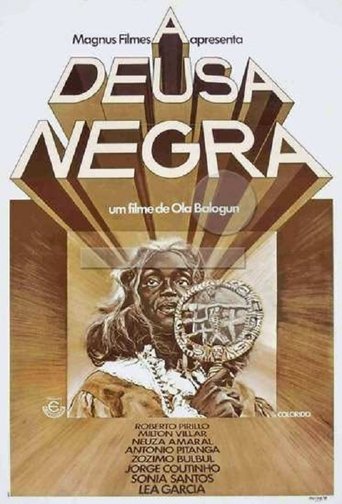
A Deusa Negra is a love story that spans two centuries. In 18th century Yorubaland, Prince Oluyole is taken prisoner in the course of internecine warfare fanned by overseas slave traders. He is sold into slavery in Brazil. In present day Nigeria, at his father's deathbed, the young Babatunde promises to go to Brazil and search for traces of their once-enslaved ancestors. Beginning with a Candomblé ritual, his journey takes him ever deeper into this culture and, in a dream-like sequence, affords him a deeper understanding of his ancestors' suffering and powers of resistance. Balogun effortlessly links present with past, real with magical worlds and discourse with trance. The hypnotic atmosphere is also heightened by the music of the Nigerian drummer Remi Kabaka, which plays with repetitive patterns and distortions.
Black Goddess
1978
 NR
Balogun's last film shot on 16mm, The Magic of Nigeria is a documentary that explores the culture and traditions of Nigeria as they are expressed in religion, art and everyday life, accompanied by a poetic voiceover.
The Magic of Nigeria
1993
 9.0
Ija Ominira is the cinematic transposition of a novel by Faleti. It is the story of a tyrannical and cruel king who is killed by his people, now tired and exasperated.
Fight for Freedom
1979
Documentary about religious customs in Brazil that stem from Africa.
Gods of Africa in Brazil
1998
 8.0
River Niger, Black Mother follows the 4184-kilometer-long River Niger from its source in Guinea through Mali, Niger and Benin to Nigeria. A passionate ode to the river, the cultures that have arisen on its shores and its role in African history, accompanied by a lyrical commentary.
River Niger, Black Mother
1989
 8.0
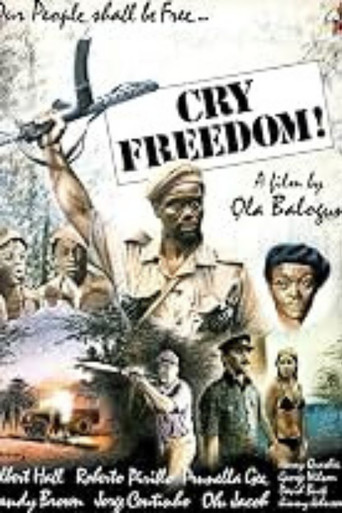
Balogun's most political film is a confrontation with the African wars of liberation. Based on Carcase for Hounds, Meja Mwangi's novel about the Mau-Mau uprising, it is set in an unnamed country and thus offers the vision of a pan-African struggle for freedom and against colonial oppression. The central figures in the straightforwardly and powerfully told story are the guerrilla leader Haraka and his adversary, the English colonial official Kingsley. In the end, the film becomes a homage to the freedom fighters from all over Africa: the final images show Patrice Lumumba, Steve Biko, Nelson Mandela and Amílcar Cabral, among others.
Cry Freedom
1981
Behind the camera
10.0A Deusa Negra is a love story that spans two centuries. In 18th century Yorubaland, Prince Oluyole is taken prisoner in the course of internecine warfare fanned by overseas slave traders. He is sold into slavery in Brazil. In present day Nigeria, at his father's deathbed, the young Babatunde promises to go to Brazil and search for traces of their once-enslaved ancestors. Beginning with a Candomblé ritual, his journey takes him ever deeper into this culture and, in a dream-like sequence, affords him a deeper understanding of his ancestors' suffering and powers of resistance. Balogun effortlessly links present with past, real with magical worlds and discourse with trance. The hypnotic atmosphere is also heightened by the music of the Nigerian drummer Remi Kabaka, which plays with repetitive patterns and distortions.
Black Goddess
1978
NRBalogun's last film shot on 16mm, The Magic of Nigeria is a documentary that explores the culture and traditions of Nigeria as they are expressed in religion, art and everyday life, accompanied by a poetic voiceover.
The Magic of Nigeria
1993
NRBalogun's last film shot on 16mm, The Magic of Nigeria is a documentary that explores the culture and traditions of Nigeria as they are expressed in religion, art and everyday life, accompanied by a poetic voiceover.
The Magic of Nigeria
1993
NRBalogun's last film shot on 16mm, The Magic of Nigeria is a documentary that explores the culture and traditions of Nigeria as they are expressed in religion, art and everyday life, accompanied by a poetic voiceover.
The Magic of Nigeria
1993
9.0Ija Ominira is the cinematic transposition of a novel by Faleti. It is the story of a tyrannical and cruel king who is killed by his people, now tired and exasperated.
Fight for Freedom
1979
Documentary about religious customs in Brazil that stem from Africa.
Gods of Africa in Brazil
1998
Documentary about religious customs in Brazil that stem from Africa.
Gods of Africa in Brazil
1998
8.0River Niger, Black Mother follows the 4184-kilometer-long River Niger from its source in Guinea through Mali, Niger and Benin to Nigeria. A passionate ode to the river, the cultures that have arisen on its shores and its role in African history, accompanied by a lyrical commentary.
River Niger, Black Mother
1989
8.0Balogun's most political film is a confrontation with the African wars of liberation. Based on Carcase for Hounds, Meja Mwangi's novel about the Mau-Mau uprising, it is set in an unnamed country and thus offers the vision of a pan-African struggle for freedom and against colonial oppression. The central figures in the straightforwardly and powerfully told story are the guerrilla leader Haraka and his adversary, the English colonial official Kingsley. In the end, the film becomes a homage to the freedom fighters from all over Africa: the final images show Patrice Lumumba, Steve Biko, Nelson Mandela and Amílcar Cabral, among others.
Cry Freedom
1981
 7.0
Nigerian film directed by Ola Balogun.
Ajani Ogun
1976
7.0Nigerian film directed by Ola Balogun.
Ajani Ogun
1976
Ola Balogun's first feature film was made in France and focuses on a group of young Black intellectuals and artists. At the centre is Alpha, whose scepticism about fixed appellations is also expressed in his own chosen name. In his Parisian garret, the characters debate politics, art and philosophy and negotiate Black identity and cultural heritage. The action continues on its improvised way in the cafés, parks and nightclubs of Paris until Alpha finds himself between the fireworks and the celebrating masses on Bastille Day – in the middle and yet on the margins.
Alpha
1972
No synopsis available yet.
Amadi
1975
A mystical performance about the sea and the earth based on a Yoruba folk tale.
In the Beginning
1972
A mystical performance about the sea and the earth based on a Yoruba folk tale.
In the Beginning
1972
Documentary about food provessing.
Sanders Feeds
1984
Documentary about food provessing.
Sanders Feeds
1984
Short documentary about folk customs in Nigeria.
Owuama, a New Year Festival
1973
Short documentary about folk customs in Nigeria.
Owuama, a New Year Festival
1973
A film by Ola Balogun
Aiye
1980
No synopsis available yet.
Heaven is Hot
1982
Film about activities of the Red Cross.
Destination Paix
1988
Film about activities of the Red Cross.
Destination Paix
1988
Documentary about a new african news agency.
Pana - Une voix pour l'Afrique
1987
Documentary about a new african news agency.
Pana - Une voix pour l'Afrique
1987
 NR
Documentary about Eastern Nigeria after the civil war.
Eastern Nigeria Revisited
1973
NRDocumentary about Eastern Nigeria after the civil war.
Eastern Nigeria Revisited
1973
Corruption threads to destroy a young love.
Money Power
1984
Corruption threads to destroy a young love.
Money Power
1984
Documentary about the music scene of Barbados.
Destination Barbados
1994
Documentary about the music scene of Barbados.
Destination Barbados
1994
Documentary about jet fighters flying for the Nigerian air force.
Iron Eagles
1989
Documentary about jet fighters flying for the Nigerian air force.
Iron Eagles
1989
Prisoner exchange between Ethiopia and Eritrea.
Le Retour
1988
Prisoner exchange between Ethiopia and Eritrea.
Le Retour
1988