

Known for
 6.4
Ulveczky, unbridled bull of the village, is incapable of living in the small community like others. He runs his farm and lives life as a tyrant. His licentious temperament leads him to take whatever he wants, women included, who are swept off their feet. His victims include a beautiful young girl who nearly dies when he tires of and ejects her. With great difficulty, she restarts her life, hoping that she has finally freed herself of the brute who, however, doesn't let go quite so easily.
The Brute
1961
 8.8
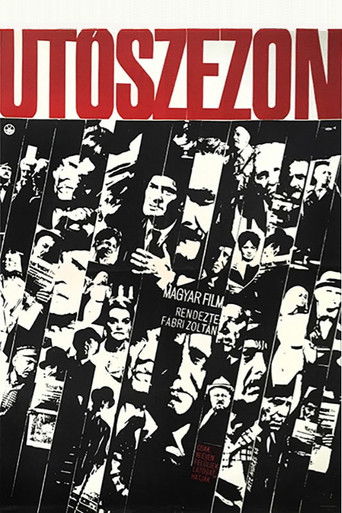
Against the backdrop of the Adolph Eichmann trials, an elderly paraplegic pharmacist is summoned to the police station, where he believes that his hidden wartime guilt has caught up with him, unaware that it is all in fact an elaborate practical joke.
Late Season
1967
 8.0
Miskei, the popular and dynamic president of a co-op falls in love with Mari, the attractive wife of the elderly Pató. The deeply feeling woman is fed up with the service beside the haughty land holder, she is longing for tenderness and a child. The passion of Miskei is growing when he sees how crudely, humiliating Pató treats her. During a powerful summer shower, when chance brings them together in an abandoned press house, he storms on Mari confessing love. The woman refuses him bitterly. Miskei calms down and he keeps on expressing his love and high esteem with the woman by steadfast and tiny compliments. Early one morning Mari leaves her husband and sets off to the city to learn and to begin a new life.
Summer Rain
1961
 7.5
In a rural scenery in the throes of difficult changes lives humble but promising young farmer girl Mari Pataki. Her father forbids her from seeing the man she loves. The father, above all preoccupied by work on the fields and prospective wealth, decides to give his daughter in marriage to his older business partner. 'Land marries land', he says, a phrase which seems to be the unyielding rule of the Hungarian peasantry. But the younger lover is ready to confront any challenge to keep Mari's love.
Merry-Go-Round
1956
 8.0
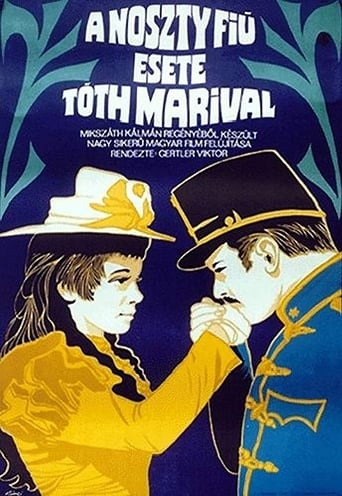
Feri Noszty forges bills of exchange, which is an unforgivable sin in his circle. The family, to pay the debt and save the boy's honour, cash in their only fortune by marrying Vilma, Feri's sister, to a wealthy man. But this will not save Feri, who must resign his commission as an officer. He gets a job as a magistrate, but the income does not satisfy the young man's needs. All that is left is a good marriage and a huge dowry.
Love and Money
1960
Anika, the daughter of the Greek partisan refugee and the Hungarian medical student, Zoltán fall in passionate love. But Anika's mother wants her to marry a Greek, for she is very homesick and wants to go home. The under-age girl cannot protest.
Before God and Man
1968
Film credits
1970s · 8 titles
 8.0
No synopsis available yet.
Vidám elefántkór
1971
 6.8
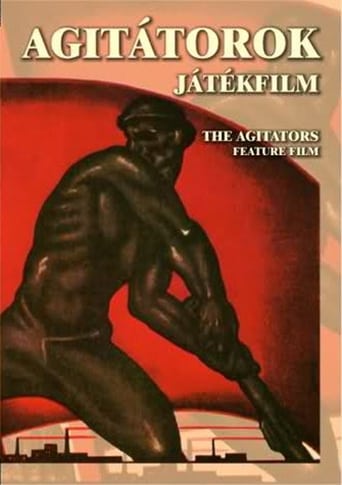
After the World War I, enthusiastic young people found the intellectual group of Hungarian Communist Party. Their aim is to propagate the communist ideology to the people and get the workers on their side. They have fierce discussions on the new ideas, though their movement is not very successful. They clash with their opposition, attempt to lead people to the Red Army, but without success.
The Agitators
1971
 NR
An oil driller falls for the lonely farm wife of a man working in Budapest.
Rumbling Silence
1978
 4.0
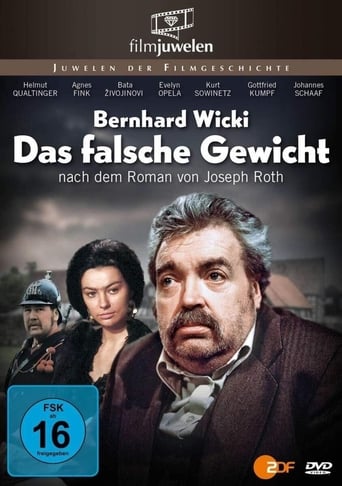
Tells of the tribulations of a middle-aged official of the Austro-Hungarian Bureau of Weights and Measures in fighting the local shopkeepers and traders whose weights are frequently light.
Weights and Measures
1973
No synopsis available yet.
Kutyabaj
1975
 NR
In modern Hungary, con artist Bender Oszkár and his motley crew - Barangó and a band of small-time schemers - embark on a series of outrageous scams to track down an “illegal” millionaire and seize ten million for themselves. As they exploit every trick in the book - fake charities, crooked roulette tables, forged documents - their madcap pursuit of easy riches exposes the absurdities and corruptions of contemporary life, with Bender’s fate hanging on whether his “great maneuver” will pay off or blow up in his face.
Aranyborjú
1974
Three short stories around the number 12. A postman, a taxi driver and a photo developer connected to 12 on different ways.
12 is a dozen
1974
 NR
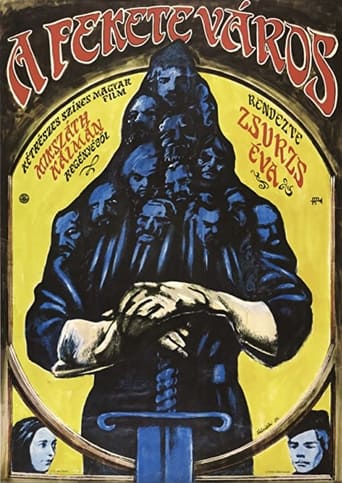
Feature film version of the 1971 series. On the eve of the 18th century, County Vicecomes Görgey Pál broods alone in his manor while the town of Leutschau celebrates New Year’s with lead‐casting omens and a disastrous hunt that sparks a bitter feud. As Görgey fights for his honor and life, and the townspeople defend their Saxon privileges, their mutual blind ambition prevents them from seeing the rising light of Rákóczi’s coming rebellion.
The Black City
1972
1960s · 24 titles
6.4Ulveczky, unbridled bull of the village, is incapable of living in the small community like others. He runs his farm and lives life as a tyrant. His licentious temperament leads him to take whatever he wants, women included, who are swept off their feet. His victims include a beautiful young girl who nearly dies when he tires of and ejects her. With great difficulty, she restarts her life, hoping that she has finally freed herself of the brute who, however, doesn't let go quite so easily.
The Brute
1961
8.8Against the backdrop of the Adolph Eichmann trials, an elderly paraplegic pharmacist is summoned to the police station, where he believes that his hidden wartime guilt has caught up with him, unaware that it is all in fact an elaborate practical joke.
Late Season
1967
8.0Miskei, the popular and dynamic president of a co-op falls in love with Mari, the attractive wife of the elderly Pató. The deeply feeling woman is fed up with the service beside the haughty land holder, she is longing for tenderness and a child. The passion of Miskei is growing when he sees how crudely, humiliating Pató treats her. During a powerful summer shower, when chance brings them together in an abandoned press house, he storms on Mari confessing love. The woman refuses him bitterly. Miskei calms down and he keeps on expressing his love and high esteem with the woman by steadfast and tiny compliments. Early one morning Mari leaves her husband and sets off to the city to learn and to begin a new life.
Summer Rain
1961
8.0Feri Noszty forges bills of exchange, which is an unforgivable sin in his circle. The family, to pay the debt and save the boy's honour, cash in their only fortune by marrying Vilma, Feri's sister, to a wealthy man. But this will not save Feri, who must resign his commission as an officer. He gets a job as a magistrate, but the income does not satisfy the young man's needs. All that is left is a good marriage and a huge dowry.
Love and Money
1960
Anika, the daughter of the Greek partisan refugee and the Hungarian medical student, Zoltán fall in passionate love. But Anika's mother wants her to marry a Greek, for she is very homesick and wants to go home. The under-age girl cannot protest.
Before God and Man
1968
 7.4
In 1585 the Turks and Vallons are looting the Látrány region.
The Aga's Testament
1967
Koncert is a 1962 Hungarian short film directed by István Szabó. In the film, several beach-goers have a go at playing creating an impromptu concert. The film was nominated for an Oscar for Best Live Action Short Film.
The Concert
1962
 10.0
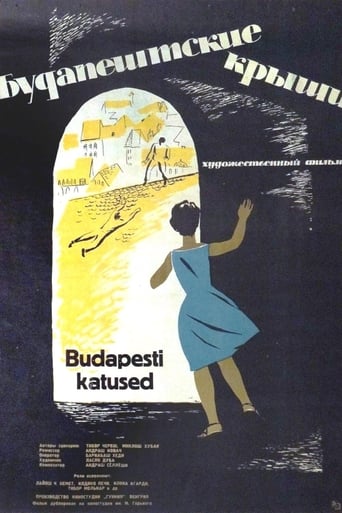
Gráci has been recently released from a reformatory school. His old gang would like to involve him in a new action, but he hesitates. His past record is bad enough already, and he would not like to get into new trouble.
On the Roofs of Budapest
1961
 7.2
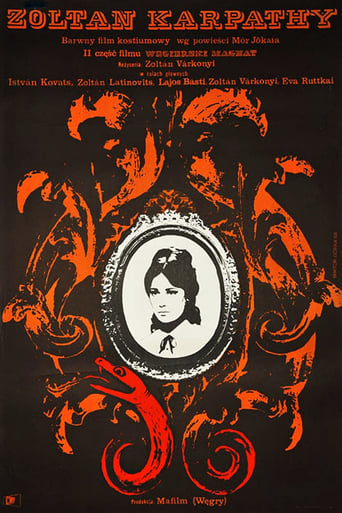
On the novel by Mór Jókai. The first half of the XVIII century. Several decades of life of a noble family Karpati.
A Hungarian Nabob 2: Karpathy Zoltan
1966
 6.2
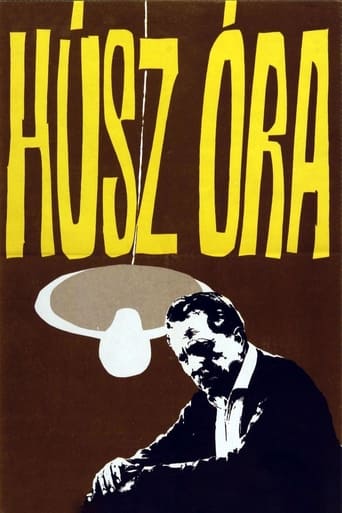
In 1956, a crusading newspaper reporter covers the Soviet invasion of Hungary. Initially critical of the communists, the feature later espouses the virtues of social changes implemented since the invasion.
Twenty Hours
1965
 9.0
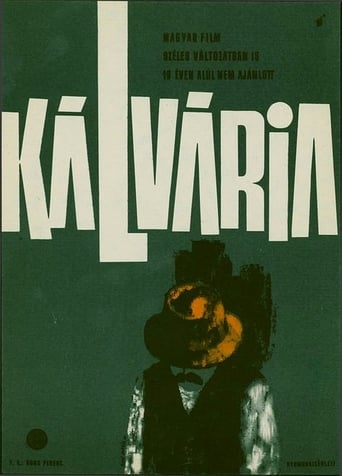
Following his wedding, Feri left the co-operative and is now working on the land of his father-in-law. Tóth is extremely wilful and thrifty, working from early morning to late night, pushing his family as well.
Calvary
1960
 7.8
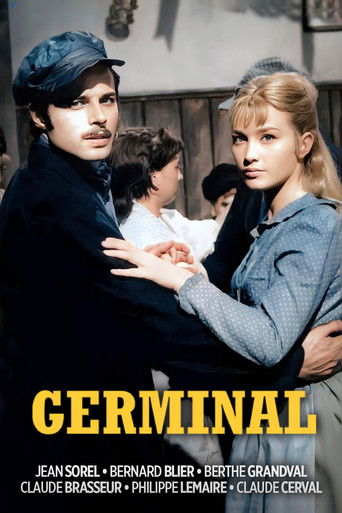
Dismissed from the railroads in 1863 for his union activities, Etienne Lantier found a job at the Voreux coal mine. But work was hard, wages were low and safety left much to be desired. Lantier tried to organize the miners into a union. When mine manager Hennebeau refused to negotiate, the workers launched a general strike, which ended with the intervention of the troops.
Germinal
1963
 7.2
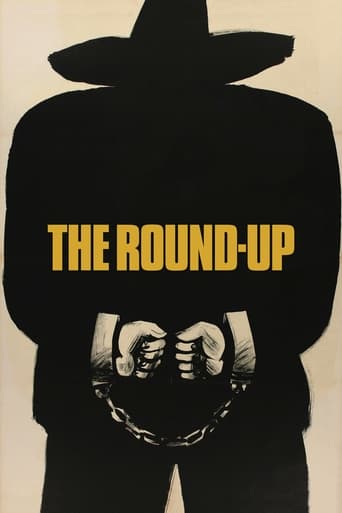
After the failure of the Kossuth's revolution of 1848, people suspected of supporting the revolution are sent to prison camps. Years later, partisans led by outlaw Sándor Rózsa still run rampant. Although the authorities do not know the identities of the partisans, they round up suspects and try to root them out by any means necessary.
The Round-Up
1966
 NR
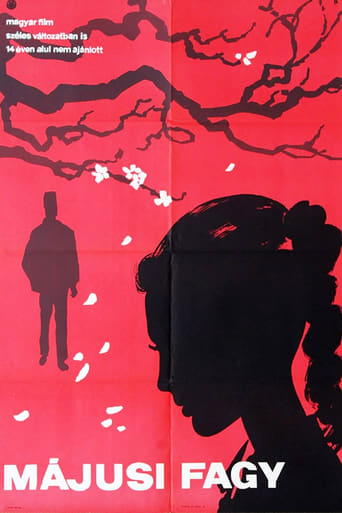
The movie tells about the relationship between young people who love each other. Young Mishka's family works on a construction site in Budapest, and on weekends they come home to their village on the Great Plain to relax and have fun. It is here that the young man meets Klari. He learns that Klari is his fellow villager, although she also works in Budapest. They arrange to meet the following weekend. Mishka is truly in love. Clarie is too, but she doesn't dare to admit to him that she has been unfaithful.
Májusi fagy
1962
No synopsis available yet.
A mafla
1968
 6.1
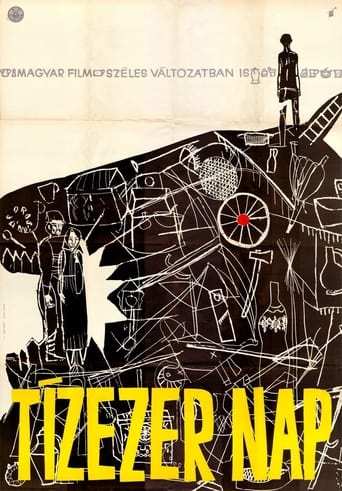
The changing and turbulent history of Hungary is seen through the eyes of three men over a 30-year period in this somber drama. The three recall the highlights of their lives in flashbacks as they reminisce in the mid 1960s. The venerable trio begin their story in the 1930s, through World War II, and the decade beyond the communist invasion of 1956.
Ten Thousand Days
1967
 6.8
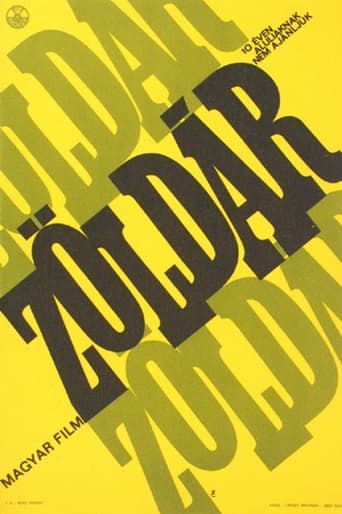
The story is set in the stifling atmosphere of the 1950s. The highly politicized everyday life of the period unfolds from the perspective of a young man coming from a poor peasant background who wins entry to the humanities faculty in Budapest. The film shows how politics interferes in and corrodes the private lives of people.
Green Years
1965
 9.0
A sequel to "Yesterday". About the defeat of the Hungarian uprising of 1956. The action takes place in the barracks of the People's Army, in the War Ministry and in one of the largest factories in Budapest.
Virrad
1960
 6.8
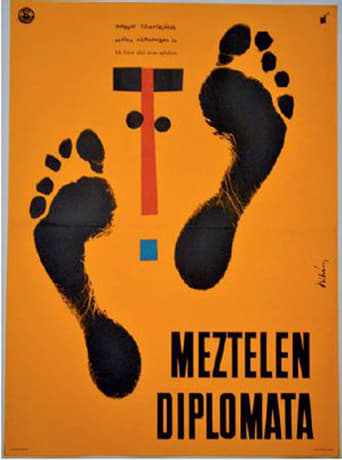
Félix, a somewhat clod-hopping young man, finds himself in the Grand Hotel of Little Lagonda, barefooted and in pyjamas. He is soon followed by a hooded, fat and leggy gangster. This is all the more strange as the hotel is under quarantine with the pretext of a plague-epidemic, in order to make it a suitable ground for the negotiations of certain oil-companies.
The Naked Diplomat
1963
 7.0
Set during a turbulent era of disquiet, fear, persecution and terror, which permeates every corner of post-WWI Hungarian society. In 1919, after just a few months of communist rule the Hungarian Republic of Councils falls victim to a nationalist counter-revolution. Admiral Horthy, leader of the nationalist far right movement, becomes the self-proclaimed regent of Hungary, and assumes power as the legal Head of State. Soldiers of the short-lived Hungarian Red Army are now on the run from relentless secret policemen and patrol units of the nationalist Royal Gendarme. If caught, ex-Red Army soldiers are executed without mercy or proper trial. István Cserzi, a former soldier of the Red Army has fled to the Great Hungarian Plains and has taken refuge on a farm, which is run by two sympathetic women.
Silence and Cry
1968
 8.0
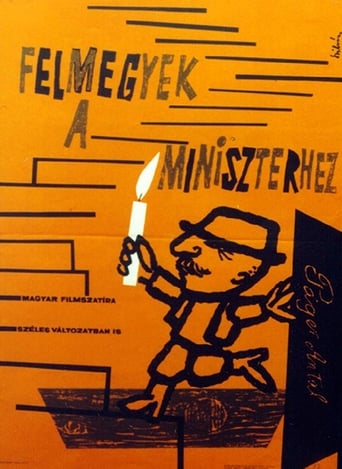
A comedy about the organisation of agricultural co-operatives. In the village of "Rendes", everybody has already entered the co-op, only the stubborn farmer, Bódog Balogh continues to resist. The leadership plays all their tricks and uses all their efforts, but all in vain.
I'll Appeal to the Minister
1962
 7.2
A priest who has been set free from prison recently joins a spy organization.
Haber's Photo Shop
1963
 9.0
Vetró János, the lorry driver, is an alcoholic. His marriage is in pieces, his wife has a lover. Their son suffers an accident. The next day his wife moves out. In his desperation, Vetró drinks even more, and leaves his work as well.
Test Trip
1961
 10.0
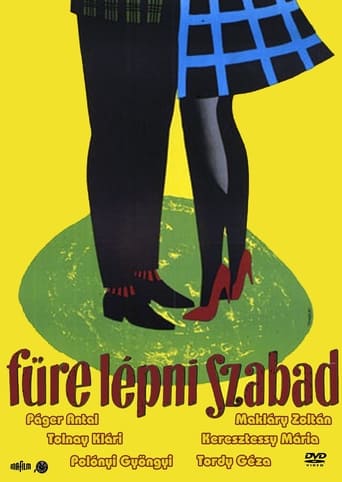
Daddy Kárász, the stakhanovist worker, complains in a television interview about the fact that his family, consisting of many members, cannot get a home on their own. Kéri, the chairman of the local authority, promises to help him on the condition that if he does not, they may move in to his villa at elegant Pasarét. Nothing happens, therefore the Kárász family takes Kéri by his word. From this time on, tumultuous scenes and frequent quarrels take place in the villa between the two families.
Don't Keep Off the Grass
1960
1950s · 21 titles
7.5In a rural scenery in the throes of difficult changes lives humble but promising young farmer girl Mari Pataki. Her father forbids her from seeing the man she loves. The father, above all preoccupied by work on the fields and prospective wealth, decides to give his daughter in marriage to his older business partner. 'Land marries land', he says, a phrase which seems to be the unyielding rule of the Hungarian peasantry. But the younger lover is ready to confront any challenge to keep Mari's love.
Merry-Go-Round
1956
 10.0
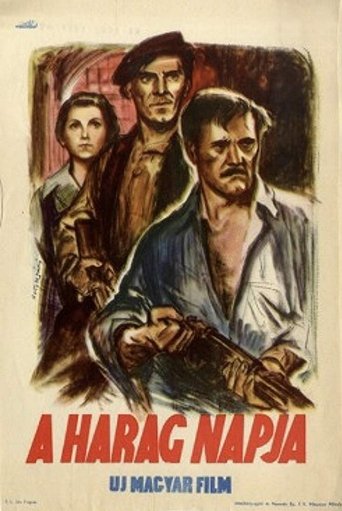
In May 1919 in a small rural town beside Salgótarján the local high society wants to get the power back with the leadership of dr. Máriáss, exploiting the outside attack launched against the Republic of Councils.
The Day of Wrath
1953
 10.0
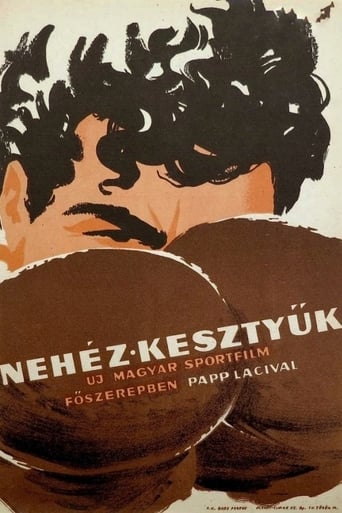
Laci Ács the two-time Olympic champion boxer suffers his first defeat on an international tour that his coach was heavily against. After a tough period he starts working hard to get back into the ring, win back the coach's trust and win his third gold at the Olympics. Starring real three-time Olympic gold medalist boxing legend László Papp.
Nehéz kesztyük
1957
 8.0
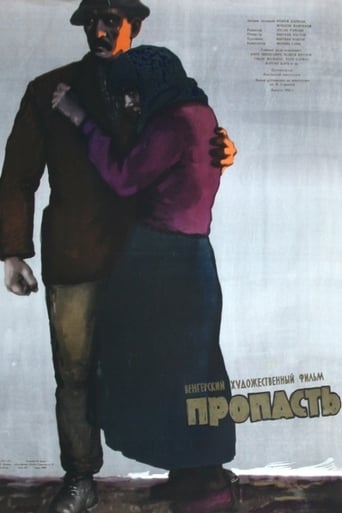
Nagy István, the formerly poor peasant boy returns to his native village as a teacher. His conviction is that the abyss between rich and poor can be diminished by good will. The rich Böröcz Horváth Klári returns his love, and also Böröcz Horváth is willing to help the poorest family, the Bakos. Bakos Jóska, who was sent to serve the tough Böröcz Horváth as a payment, dies of an infected wound and the people in the village hold the teacher liable as well. Nagy István realises, that the abyss cannot be ceased, what is more, it is impassable. He breaks up with his fiancée and stands by the side of the poor.
Abyss
1956
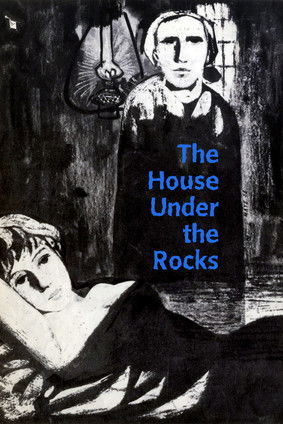 6.2
Three people – a returned prisoner of war, his beautiful second wife, and the possessive, hunchbacked spinster who is his sister-in-law by his first marriage – are isolated in a little house under an extinct volcano, where each strives for personal happiness but is suffocated by their dependence on the others.
The House Under the Rocks
1959
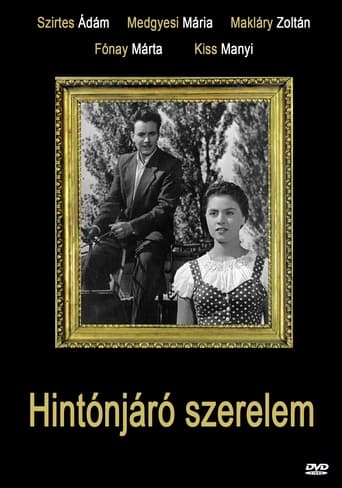 7.0
The top management of the co-operative in the rural community at Lake Balaton goes on coaches everywhere to irritate Mrs. Peczöli, the snobbish wife of the only individual farmer. Peczöli would readily join the co-operative, should it not oppose his apple improving experiments.
Love Travelling a Coach
1955
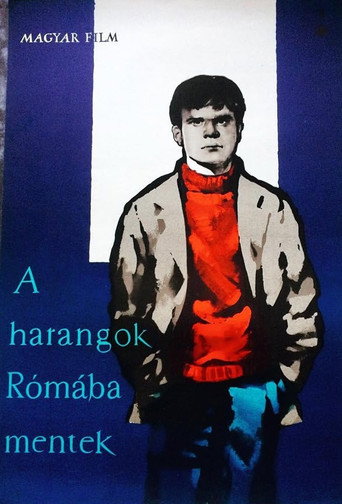 8.0
The movie addresses the anti-fascist theme taken from a moral perspective. The movie tells the story of a group of teenagers who were drafted to the front in the last weeks of World War II and found refuge on a small island.
The Bells Have Gone to Rome
1958
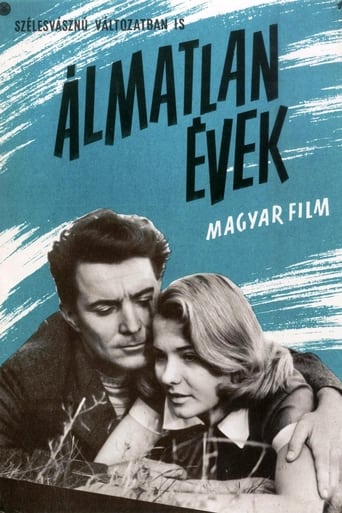 9.0
The "sleepless years" in this propaganda piece by director Felix Marlassy occur on Csepel Island, an island south of Budapest that is home to an armaments factory. The factory workers are shown being exploited by imperialists, capitalists gone berserk, and fascists, more or less in that exact chronological sequence. The heavy-handed approach does much to undercut the belief that when socialism finally takes over, the lives of the workers are brought up to a human level. In this instance, audiences might prefer a more nuanced and subtle statement, no matter what the message.
Sleepless Years
1959
 7.5
Varsa engineer receives the Kossuth award for his excellent work. His career once began at the family enterprise of his wife, so the woman invites her relatives for a dinner party.
Gala Dinner
1956
 9.0
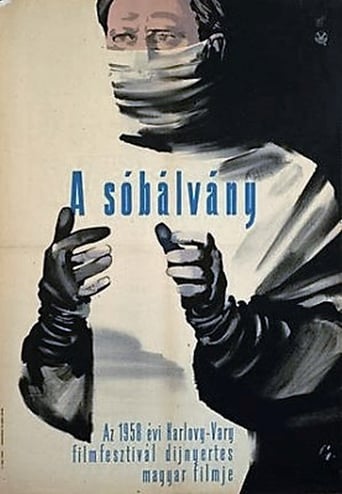
In 1944, Feri Margittai escapes from the front, but his mother sends him away from home.
Pillar of Salt
1958
 9.0
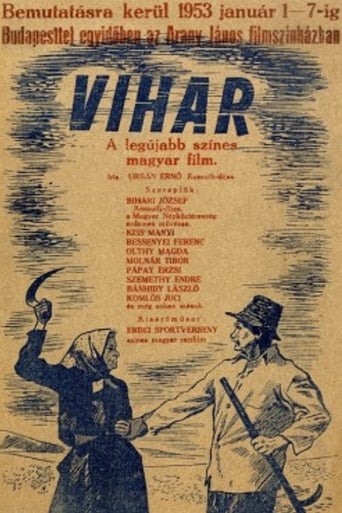
Vörös Hajnal (Red Dawn), a co-operative is the venue of skylarking, while the storm destroys the wheat which is to be harvested soon. Árendás, a middle-peasant, voices severe accusations against members of the co-operative: out of negligence, they failed to keep the ditches clean. It is always the soft option they seem to favour, while the necessity of properly taking care of the farmlands is long-forgotten. Members of the co-operative and the village people are deeply divided.
The Storm
1952
 9.0
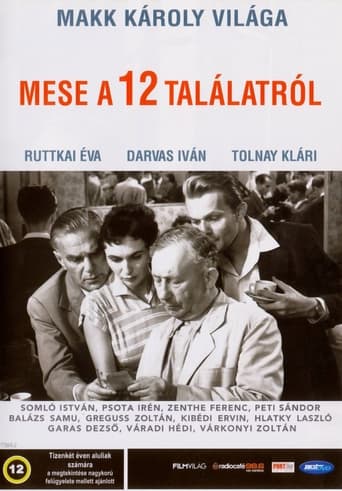
The flat of Doctor Bartha is wetting, the Communal Management Enterprise does not act, the doctor and his wife are at the edge of divorce. Géza would marry his colleague, Kató, but mum is sick, the apartment is small, no money. Uncle Károly is fed up with unsuitable, charlatan business managers. Vali would marry, in order not to live on Titi and Piri any more, but the selected man wants to have a woman with her own apartment. All of them have a chance by the lottery, especially by hitting twelve scores.
Tale on the 12 Points
1957
 9.5
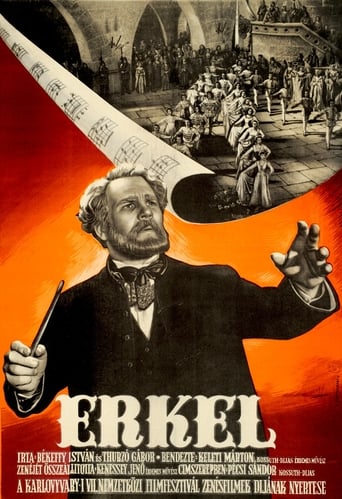
We have linguists, we have literary men, we have newspapers, actors, musicians, but we have no national opera!", lamented the champions of national revival in the middle of the last century. Hungarian music culture at home is limited to the performance of works by foreign composers. And the public demands Hungarian opera, and such a challenge is not easy to meet. So let's see who is up to the task!
Erkel
1952
 10.0
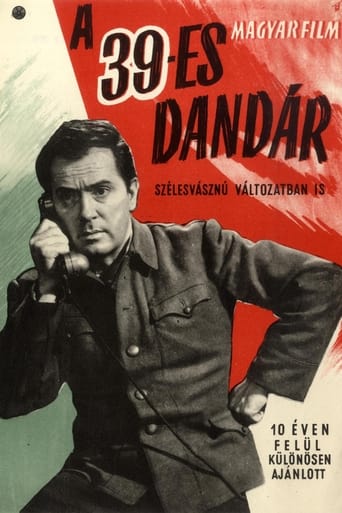
The spring of 1919. Karikás Frigyes reorganises brigade 39 at the Tisza. His most devoted soldiers are Korbély János and his followers, who remain faithful to the political commissioner under all circumstances.
The Brigade No. 39
1959
 8.0
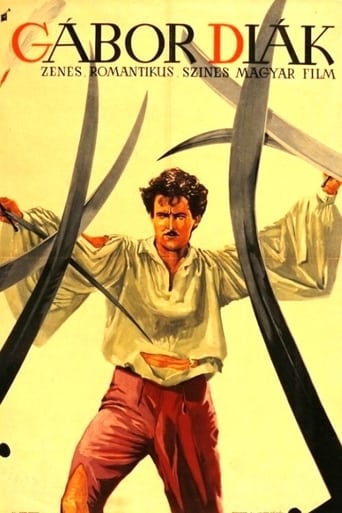
Buda is mastered by the Turks. Student Gábor and his companion flee a troop into the castle, just in the garden of Gül Baba. Gábor and Leila, the daughter of Gül Baba fall in love with each other. Ali pasha, who wants to marry the girl, has the two Hungarians caught in order to let them be executed.
Leila and Gábor
1956
 6.6
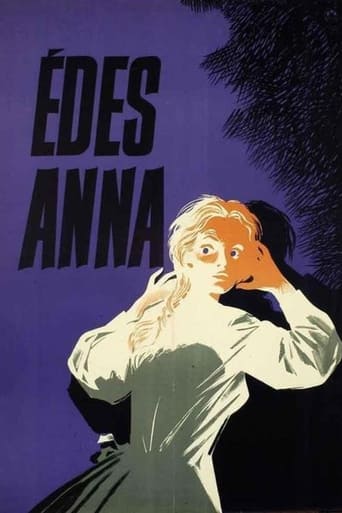
Lovely young maid Anna works for the noble Vizy family. Mrs Vizy, while proud of the hard-working servant, doesn't treat her well. Her nephew seduces Anna with sweet words, but abandons her as soon as she gets pregnant.
Sweet Anna
1958
 8.2
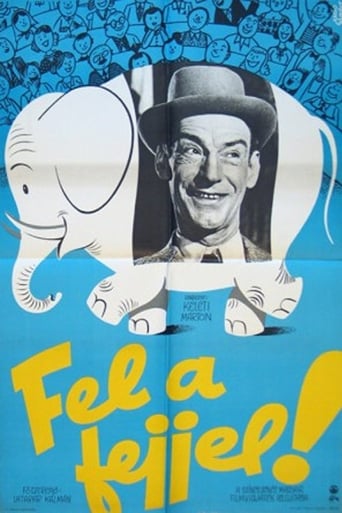
On the Spring of 1945 the Jackson circus is heading towards the border with the clown Peti and Aida, the elephant. They have to play for the Hungarian Fascists, while Peti is hiding the Jew Annuska and Sanyika.
Keep Your Chin Up!
1954
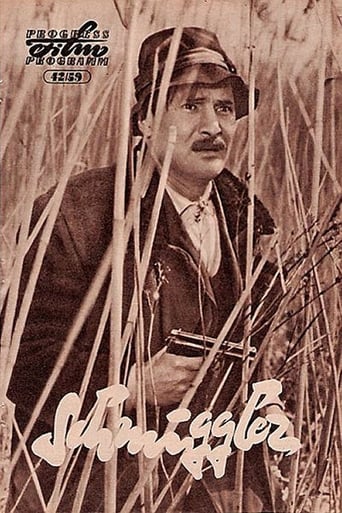 8.5
In the thirties, the poor living by the Romanian-Hungarian border were forced to smuggle if they wanted to survive. Mihály, a Hungarian peasant, kills a border guard while fleeing. He is fed up with smuggling and wants to put an end to it, yet he needs money to get a job, so he embarks on another turn.
The Smugglers
1958
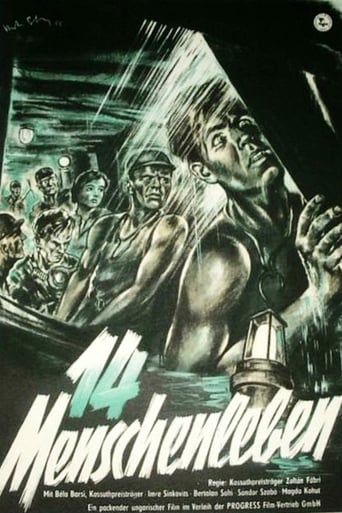 7.0
In September 1952, psychological torment ensues when fourteen miners are trapped inside a collapsed mine, and the community in northern Hungary unites to save them.
Fourteen Lives
1954
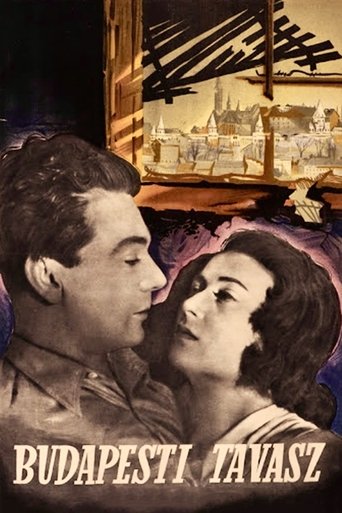 7.5
At Christmas Eve in 1944 the runaway Pintér and Gozsó get through the Soviet blockade around Budapest. Pintér intends to hide in a flat abandoned by his own relatives, but he finds his relatives called the Turnovszkys, who are hiding the Jewish Jutka as well. Love unfolds between Zoltán and Jutka.
Springtime in Budapest
1955
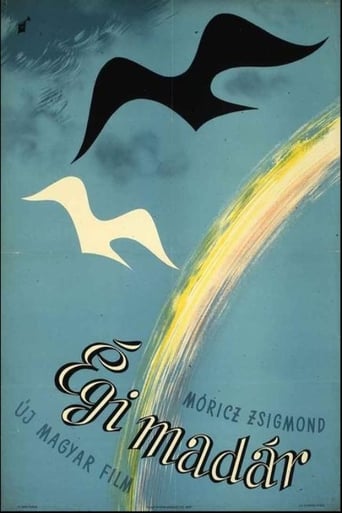 7.0
Panni, coming from a landless family of ten and Miska have loved each other for a long time. The pretty Panni, however, has another suitor as well: Komáromi, the big farmer. The two men fight from time to time, but then, during the time Miska is serving his military duty, Panni marries Komáromi to end the tremendous squalor of her family.
A Bird of Heaven
1958