
Directing
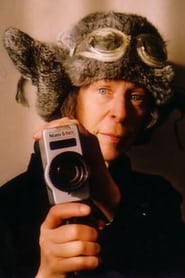
Vivian Ostrovsky
Born
1945-11-17 (80)
Place of birth
Manhattan, New York, USA
Known for
Directing
Credits
50 titles
Vivian Ostrovsky (born on November 17th 1945 in New York, United States) is an experimental filmmaker and curator. Despite being born in New York, Ostrovsky spent most of her childhood in Rio de Janeiro, Brazil and did her secondary studies there. She then pursued her studies in psychology and film at the Sorbonne University in Paris. She began working for Ciné-Femmes, a group which fought for feminism and its recognition. In 1980, she became a filmmaker and abandoned her career as an activist. She organized a number of festivals, one of them being Jerusalem. Ostrovsky’s films explore the theme of transit and she situates herself after French filmmaker and critic, Yann Beauvais between the…
Known for
 7.0
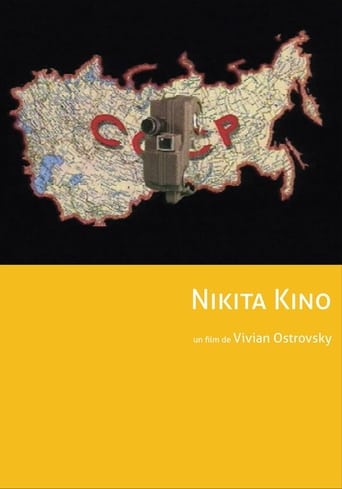
7.0"The film is a travelogue of sorts. In 1960 my family lived in Brazil when my father discovered his sister and brother in Moscow, who he hadn't seen for 40 years, were still alive. Since they couldn't leave the USSR we went to visit them regularly for about 15 years. At the time I had my 8mm then a super 8 camera with which I filmed the family, our outings, picnics, markets and their homes… I decided to use this material, which was not very interesting per se, by mixing it with Soviet found-footage of the same period (1960's, 1970's, 1980's). I used feature films, propaganda footage, newsreels, etc. The result is a kind of Khruschev-era mix with a collage of Soviet music and a voice-over of my memories of the Cold War period."
Nikita Kino
2003
 NR
NR"Going through my mini DVs shot over the past decade, I rediscovered a forgotten night sequence of Chantal Akerman and Sonia Wieder-Atherton leaving a brasserie where we had dined together in Montparnasse. The excerpt stayed with me for a while. This prompted me to focus on Chantal’s sound work in her films and her very close collaboration with cellist, Sonia Wieder-Atherton with whom she made more than 20 films. And, since New York, Paris and Moscow were places the three of us had in common, I intertwined some of my images with hers."
Son chant
2021
 NR
NRA single-screen version of the Portraits / Mirrors multi-projection. Featuring portraits of: Aloual, Gaël Badaud, Raphaël Bassan, Yann Beauvais, Jean-Michel Bouhours, Gérard Courant, Berndt Deprez, Bertrand Gadenne, Mythia Kolésar, Christian Lebrat, Stéphane Marti, Pascal Martin, Michel Nedjar, Dominique Noguez, Vivian Ostrovsky, Bernard Roué, Martine Rousset, Alain Sayag, Unglee, and Catherine Zbinden.
Portraits / Mirrors
1984
 8.0
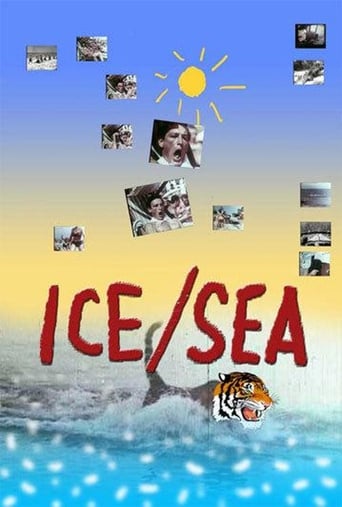
8.0Funny collage of sea, sun and ice. A show from the beach with skiers, tigers, mermaids and much more.
Ice/Sea
2005
 NR
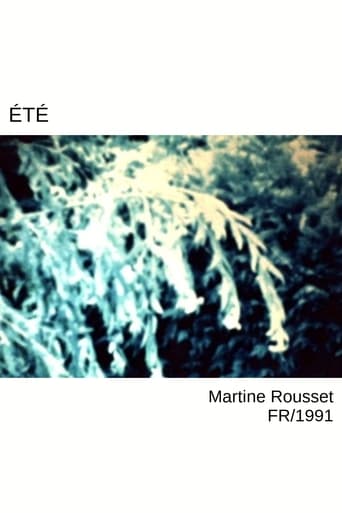
NRThe voices say a story. forget it. Of what time. And who speaks. Both of them. One or the other. later. Others may be. Of chance. Which would cross in this narrative. When. The times have intermingled. The winds meet. History. Pictures. The summer. Humble vacancy with furtive foliage. Fragile memory. Light is a trace of forgetfulness.
Été
1991
 NR
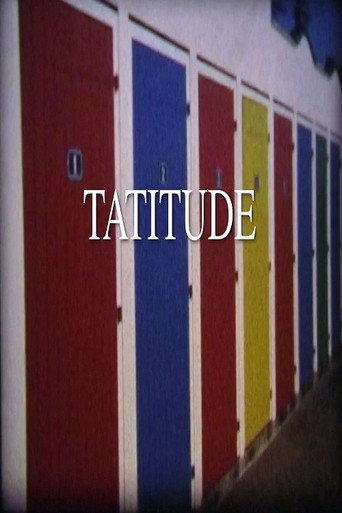
NRA delightful update of Jacques Tati’s classic Les Vacances de M. Hulot (Mr. Hulot’s Holidays). Seagulls squawk, waves crash and swimmers cavort in endless summer days spent on the beach. TATITUDE suggests that sand, water and sun are the basic elements in a happy, carefree life, and maybe even the secret to eternal youth.
Tatitude
2009
Film credits
2020s · 3 titles
NR"Going through my mini DVs shot over the past decade, I rediscovered a forgotten night sequence of Chantal Akerman and Sonia Wieder-Atherton leaving a brasserie where we had dined together in Montparnasse. The excerpt stayed with me for a while. This prompted me to focus on Chantal’s sound work in her films and her very close collaboration with cellist, Sonia Wieder-Atherton with whom she made more than 20 films. And, since New York, Paris and Moscow were places the three of us had in common, I intertwined some of my images with hers."
Son chant
2021
 NR
NRNo synopsis available yet.
Elizabeth Bishop: From Brazil with Love
2025
 NR
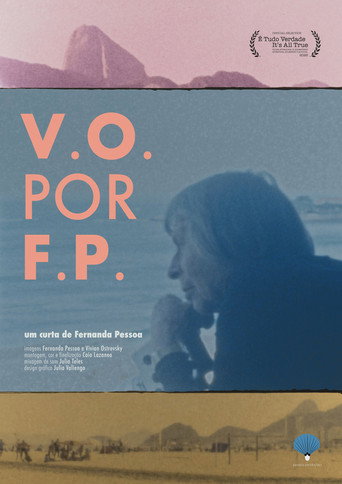
NRNo synopsis available yet.
V.O por F.P
2026
2010s · 3 titles
 NR
NRA new short film by Vivian Ostrovsky remembering Chantal Akerman, beginning with their first meeting in the early 1970s. Using her own footage of Chantal Akerman, the filmmaker remembers a few moments that illustrate Chantal's personality. Forty years of friendship condensed into four minutes...
But Elsewhere Is Always Better
2016
 NR
NRA fragmented tribute to Ukranian-Brazilian novelist and fashion journalist Clarice Lispector that interrogates the idea of "in-betweenness," the intermission, a hiatus.
Hiatus
2018
 8.0
8.0Based on a correspondence between Brazilian artist Ione Saldanha and the filmmaker, this portrait was made for an exhibition at the MAM (Museum of Modern Art) in Rio de Janeiro. Ione Saldanha (1919-2001) was a contemporary of Lygia Clark, Sonia Delaunay, and Vieira da Silva, all of whom were her friends. She abandoned painting on canvas for more sculptural supports like batten and bamboos which she shaped with color. Matisse was constantly present in her mind and work for inspiration.
CORrespondência e REcorDAÇÕES
2013
2000s · 2 titles
7.0"The film is a travelogue of sorts. In 1960 my family lived in Brazil when my father discovered his sister and brother in Moscow, who he hadn't seen for 40 years, were still alive. Since they couldn't leave the USSR we went to visit them regularly for about 15 years. At the time I had my 8mm then a super 8 camera with which I filmed the family, our outings, picnics, markets and their homes… I decided to use this material, which was not very interesting per se, by mixing it with Soviet found-footage of the same period (1960's, 1970's, 1980's). I used feature films, propaganda footage, newsreels, etc. The result is a kind of Khruschev-era mix with a collage of Soviet music and a voice-over of my memories of the Cold War period."
Nikita Kino
2003
 NR
NRVivian Ostrovsky is a nomad film-maker, born in New York. Student in Brazil then in Paris, which takes its camera of continent in continent since 1980. Her work, in the border of the documentary and the experimental, touches the filmed journals and is interested in the individuals rather than in the masses, in the physical language, in the unusual of the situations and in the sensible editing of the images and the sounds.
Cinexpérimentaux #3: Vivian Ostrovsky
2001
1990s · 3 titles
NRThe voices say a story. forget it. Of what time. And who speaks. Both of them. One or the other. later. Others may be. Of chance. Which would cross in this narrative. When. The times have intermingled. The winds meet. History. Pictures. The summer. Humble vacancy with furtive foliage. Fragile memory. Light is a trace of forgetfulness.
Été
1991
 NR
NRReadings. Heinrich von Kleist / Robert Walser. Contiguous. They talk about imagination. Walser imagines Kleist, Kleist nobody, but Penthesilea. In the new desert islands that are the enclaves of flowers of the city. Roses of sidewalks. Wild spaces with anonymity, truncated and without paths, in the banal stones of any career, inscribe and break the voices of an abrupt literary, hermetic and arid fragments in the image of places, almost no of place. Images figures of writing. In the blind corner. Without access. Very few signs.
Kleist
1993
 NR
NROriginally a text in fragments, more or less biographical, of different characters. Crossed stories, mixed times, memories and inventions. Coming from the voices encountered. They look like text like sisters. They are the voices of memory, the shadows cast by the characters, the voices of girls, the voices of indecision and evocation. We begin with this work: to read, to record (in analog, it takes breath). Here comes a place, a place found: the foliage of a vine in the South, crossed by the wind Mistral: a landscape. Where are we? Where the boy dies, would we see what he sees? Where was the child playing in the neighborhood? At the heart of the narrative, at the heart of the written word? That would happen. Harvesting images, shifting gears, Multiplying the generations with the listening of the voices, even in memory sometimes.
Passages
1998
1980s · 3 titles
NRA single-screen version of the Portraits / Mirrors multi-projection. Featuring portraits of: Aloual, Gaël Badaud, Raphaël Bassan, Yann Beauvais, Jean-Michel Bouhours, Gérard Courant, Berndt Deprez, Bertrand Gadenne, Mythia Kolésar, Christian Lebrat, Stéphane Marti, Pascal Martin, Michel Nedjar, Dominique Noguez, Vivian Ostrovsky, Bernard Roué, Martine Rousset, Alain Sayag, Unglee, and Catherine Zbinden.
Portraits / Mirrors
1984
 9.0
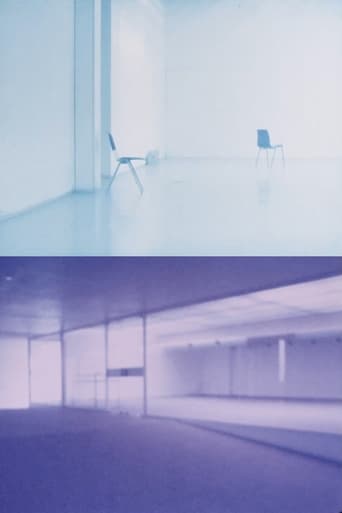
9.0"Readings. A place. Purity of lines. Fine angles. Dominance of whites and blues. Fragility of tapered glasses." A visual evocation of the writing of Katherine Mansfield.
Mansfield K.
1988
 NR
NRAn unknown writer written under the pseudonym of Laure at the beginning of the century. Readings. Geography. The places of a writing. The forces that create, traverse and lose it. The two image strips will be contiguous on the same screen. Their continuous and simultaneous operation. Two mirrors. The voices and their silences are reflected in it. Fade away.
Laure
1984
Behind the camera
7.0"The film is a travelogue of sorts. In 1960 my family lived in Brazil when my father discovered his sister and brother in Moscow, who he hadn't seen for 40 years, were still alive. Since they couldn't leave the USSR we went to visit them regularly for about 15 years. At the time I had my 8mm then a super 8 camera with which I filmed the family, our outings, picnics, markets and their homes… I decided to use this material, which was not very interesting per se, by mixing it with Soviet found-footage of the same period (1960's, 1970's, 1980's). I used feature films, propaganda footage, newsreels, etc. The result is a kind of Khruschev-era mix with a collage of Soviet music and a voice-over of my memories of the Cold War period."
Nikita Kino
2003
7.0"The film is a travelogue of sorts. In 1960 my family lived in Brazil when my father discovered his sister and brother in Moscow, who he hadn't seen for 40 years, were still alive. Since they couldn't leave the USSR we went to visit them regularly for about 15 years. At the time I had my 8mm then a super 8 camera with which I filmed the family, our outings, picnics, markets and their homes… I decided to use this material, which was not very interesting per se, by mixing it with Soviet found-footage of the same period (1960's, 1970's, 1980's). I used feature films, propaganda footage, newsreels, etc. The result is a kind of Khruschev-era mix with a collage of Soviet music and a voice-over of my memories of the Cold War period."
Nikita Kino
2003
NR"Going through my mini DVs shot over the past decade, I rediscovered a forgotten night sequence of Chantal Akerman and Sonia Wieder-Atherton leaving a brasserie where we had dined together in Montparnasse. The excerpt stayed with me for a while. This prompted me to focus on Chantal’s sound work in her films and her very close collaboration with cellist, Sonia Wieder-Atherton with whom she made more than 20 films. And, since New York, Paris and Moscow were places the three of us had in common, I intertwined some of my images with hers."
Son chant
2021
8.0Funny collage of sea, sun and ice. A show from the beach with skiers, tigers, mermaids and much more.
Ice/Sea
2005
NRA delightful update of Jacques Tati’s classic Les Vacances de M. Hulot (Mr. Hulot’s Holidays). Seagulls squawk, waves crash and swimmers cavort in endless summer days spent on the beach. TATITUDE suggests that sand, water and sun are the basic elements in a happy, carefree life, and maybe even the secret to eternal youth.
Tatitude
2009
 6.0
6.0With a super 8 camera from Paris to Berlin, from Amsterdam to Rio, from Jerusalem to New York shooting only at night. Hungarian crooners, Indian tribal chants, opera arias, and an occasional samba make up the sound track of this “hand-held” diary.
Movie
1982
 NR
NRBrooklyn boxers and boucing balls.Catalan dancers and Provençals dogs. The Douro, the Danube, Biarritz, Brazil. In super 8 colours and black and white sounds.
Public Domain
1996
 NR
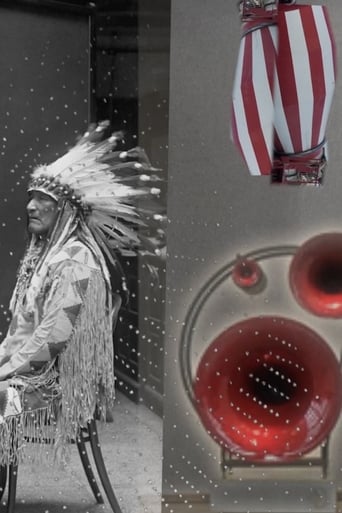
NRA Russian can say, “I hear the smell…” A maestro has a vision of what a symphony should sound like. In a silent film how can one make the spectator see the sound? A vivid and noisy assemblage of archival and contemporary imagery meditating on the past and presence of film audio.
Unsound
2019
NRNo synopsis available yet.
Elizabeth Bishop: From Brazil with Love
2025
NRNo synopsis available yet.
Elizabeth Bishop: From Brazil with Love
2025
This video was made for an exhibition in Rio on Paulo Werneck, one of Oscar Niemeyer's collaborators. Werneck was the first to introduce mosaics in Brazilian Modernist architecture. P.W. shows the context of the artist's work in Rio and Belo Horizonte in the 50s and 60s as well as Brasilia at the time of its construction in 1960. It's an inventive collage of archival footage, music and Werneck's modernist mosaics.
P.W. – Paintbrushes and Panels
2008
 NR
NRAn observation of humans' and animals' table manners as they gulp down breakfasts, lunches, cocktails and dinners in a variety of situations.
Eat
1988
NRA new short film by Vivian Ostrovsky remembering Chantal Akerman, beginning with their first meeting in the early 1970s. Using her own footage of Chantal Akerman, the filmmaker remembers a few moments that illustrate Chantal's personality. Forty years of friendship condensed into four minutes...
But Elsewhere Is Always Better
2016
NRA new short film by Vivian Ostrovsky remembering Chantal Akerman, beginning with their first meeting in the early 1970s. Using her own footage of Chantal Akerman, the filmmaker remembers a few moments that illustrate Chantal's personality. Forty years of friendship condensed into four minutes...
But Elsewhere Is Always Better
2016
NRA fragmented tribute to Ukranian-Brazilian novelist and fashion journalist Clarice Lispector that interrogates the idea of "in-betweenness," the intermission, a hiatus.
Hiatus
2018
A felinosophy of life.
Telepattes
2007
 NR
NR"Super 8 reels of Paris catwalks I shot in 1979/1980 were supposed to become an experimental short meditation on couture culture. Its authority has unraveled some since and Deleuze’s definition of style: 'creating a foreign language in one’s own language,' encouraged me to loosen the threads of this pursuit. To ponder how fashion and style are interwoven but also influenced by individual flare and whimsy, I stitched together Coco Chanel, Courrèges, Cole Porter and Kaiser Karl with vintage film moments. Then, as now, to grasp the whole cloth of this interface involves finding, but also Losing the Thread…"
Losing the Thread
2015
 NR
NRThe Title Was Shot was commissioned for a conference of film theoreticians in Berlin in 2009 entitled: The Cinematic Configurations of 'I' and 'We.' Composed of fragments from over 25 films dating from the 1920s to the 90s, this mischievous short features cowboys, Indians and damsels in distress. Tarzan, Jane, a transgender gorilla, and a menacing lion tango from frame to frame, prodded by Wittgenstein, Gilles Deleuze and Slavoj Zizek's philosophical considerations. A fast-paced, heart-pounding cinephilic farce.
The Title Was Shot
2009
 NR
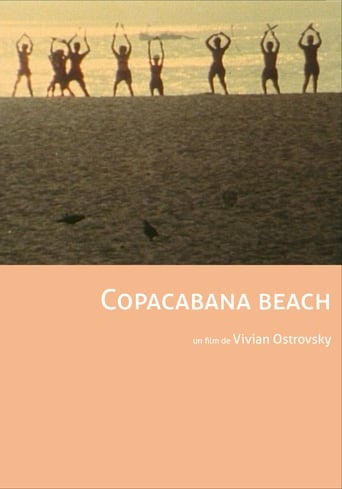
NRA humorous glimpse of what happens every morning on the wavy sidewalks of Copacabana Beach. Physical fitness, Brazilian style, with a dash of soccer and hints of Carmen Miranda.
Copacabana Beach
1983
8.0Based on a correspondence between Brazilian artist Ione Saldanha and the filmmaker, this portrait was made for an exhibition at the MAM (Museum of Modern Art) in Rio de Janeiro. Ione Saldanha (1919-2001) was a contemporary of Lygia Clark, Sonia Delaunay, and Vieira da Silva, all of whom were her friends. She abandoned painting on canvas for more sculptural supports like batten and bamboos which she shaped with color. Matisse was constantly present in her mind and work for inspiration.
CORrespondência e REcorDAÇÕES
2013
In this narrative, scenes from film classics by Antonioni, Truffaut and others have a common theme of phone calls, yet the telephone assumes another role, that of an intimate camera that records scenes from the present, communicating with the images from the history of cinematography, calling them by phone.
Don't Ring
2008
In this narrative, scenes from film classics by Antonioni, Truffaut and others have a common theme of phone calls, yet the telephone assumes another role, that of an intimate camera that records scenes from the present, communicating with the images from the history of cinematography, calling them by phone.
Don't Ring
2008
 NR
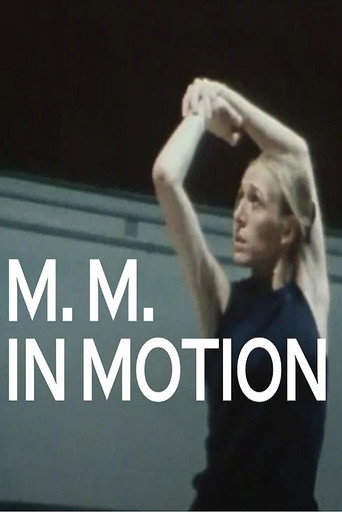
NRM.M. IN MOTION was four years in the making and draws upon Ostrovsky's filming of six Monnier choreographies (from 1988 to 1991) in rehearsals and performances. M.M. attempts to translate Monnier's essence, style and humor into cinematic terms using fragmentary, episodic and impressionistic images that capture the defining traits of her modus operandi.
M.M. in Motion
1992
 NR
NRA month in the country. In summer, a group of friends rent a house in southern France. People come and go, making their way through chickens, dogs and cats. Playful sounds and a wacky collage of music make up the soundtrack.
Allers-Venues
1984
 8.0
8.0USA + USSR = USSA. My film is about blurred boundaries, probably due to my own personal history. I was born in New York, to Russian and Czech parents, raised in Brazil and educated in France. As a result, the film is a cultural cocktail shot on super 8 in New York, Berlin, Milan and Paris.
U.S.S.A.
1985
DVD gathering 16 films by Vivian Ostrovsky made between 1982 and 2014.
Plunge
—
Fone Fur Follies is the English version of Télépattes.
Fone Fur Follies
2008
Statues of dictators fall in the wind of history, a very pissed off Silvana Mangano is surrounded by scenes involving Charlie Chaplin or Harold Lloyd, who are themselves in conversation with Truffaut's 400 Blows and Medvedkine's Happiness.
DizzyMess
2017
It was made by a group of filmmakers- three men and three women- just to catch a glimpse of a stylish milieu unknown to most. Enticing top models such as Jerry Hall and Ines de la Fressange prepare to be catapulted on the catwalk; hairdressers, photographers and a whole armada of people prepare the show. The 10 designers are: Issey Miyake, Karl Lagerfeld, Angelo Tarlazzi, Tan Giudicelli, Jean-Paul Gaulthier, Marithé and François Girbaud, France Andrévie, Claude Montana, Kenzo, and Thierry Mugler. Nostalgia for the fashionistas.
Top Ten Designers in Paris
1980
 10.0
10.0In 10th. Century Japan, Sei Shonagon, lady-in-waiting to the Empress, wrote of the goings-on at the Japanese court. Fearing vengeance, she hid these secret notes in her pillow. UTA MAKURA is also a collection of humorous observations on modern-day Japan ranging from waterfalls to shopping malls, from kids in kimonos to fresh makimonos, from ancient wisteria to teen- age hysteria, from homemade noodles to live painted poodles.
Uta Makura (Pillow Poems)
1995
 8.0
8.0A trip to Russia by two filmmakers in 1990, forms the bulk of this twin-screen projection, finished some 9 years later; Their super-8 footage mixed in with archival material (and a sprinkling of the classics such as Vertov and Eisenstein).
Work and Progress
1999
 NR
NRSarah and Paul leave their native California once a year to eat their way through France. They test the Michelin guide’s recommendations for three-star restaurants (the top rating) and between meals still have time to do some wine tasting at the best cellars. The filmmaker follows them around in a second car.
***
1987
No synopsis available yet.
Anna Bella Geiger
2023
 NR
NRAbsorb these images, “breathing slowly, quietly, and very calmly. Sinking softly, silently…” Drift into a relaxing reverie.
American International Pictures
1997
 NR
NRAn intimate film made on the occasion of the 30th anniversary of Vivian Ostrovsky's father, Rehor Ostrovsky’s death. The film is pasted together using artifacts from and footage of places and situations that form a part of the everyday nature of traveling between large cities: the experience of constant travel and disrupted communications. Objects stand for stories from the road; family memories about traveling between countries and cultures remind us of the movement of history.
Wherever Was Never There
2011