

Acting
Manyi Kiss
Born — Died
1911-03-12 — 1971-03-29
Place of birth
Budapest, Hungary
Known for
Acting
Credits
63 titles
Known for
 6.9
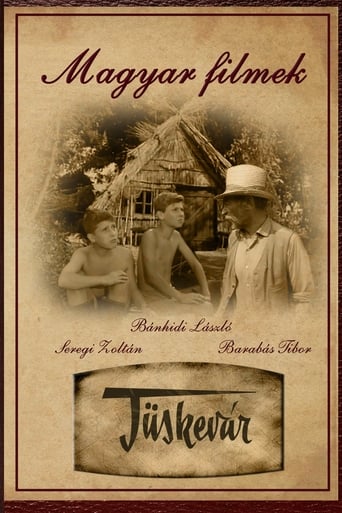
6.9A story about two urban boys, who spend a summer at the romantic Kis-Balaton side with an old field keeper, and gradually change their point of view about their civilized life, and fall in love with the nature.
Thorn Castle
1967
 10.0
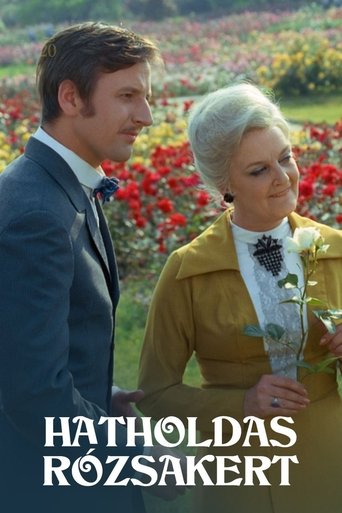
10.0Aunt Ilka, who likes company, opens her house standing in the middle of a six-acre rose garden in the little town for the golden youth of the town. As a result of her benevolence, the tenants are in the position to adore not only the roses but a nice bunch of to-be-married girls of the town.
A Rose Garden of Six Acres
1970
 NR
NRNo synopsis available yet.
Kutyaszerencse
1967
 NR
NRThe Takács family receive a marriage proposal, but Ágnes does not like the suitor.
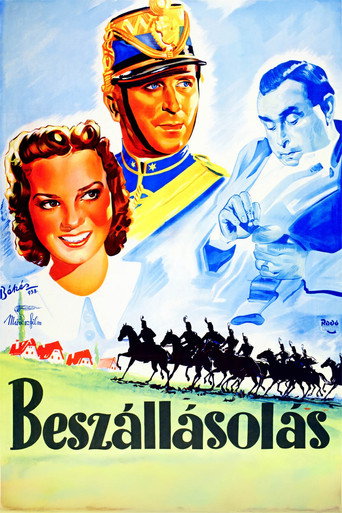
Billeting
1938
 7.5
7.5In a rural scenery in the throes of difficult changes lives humble but promising young farmer girl Mari Pataki. Her father forbids her from seeing the man she loves. The father, above all preoccupied by work on the fields and prospective wealth, decides to give his daughter in marriage to his older business partner. 'Land marries land', he says, a phrase which seems to be the unyielding rule of the Hungarian peasantry. But the younger lover is ready to confront any challenge to keep Mari's love.
Merry-Go-Round
1956
 NR
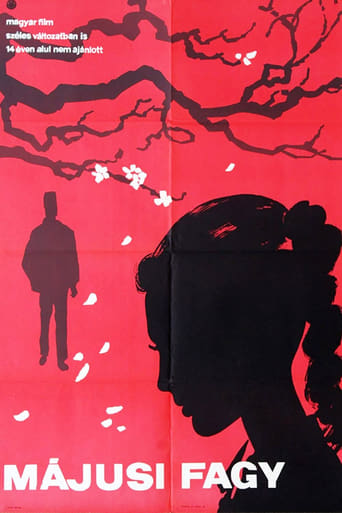
NRThe movie tells about the relationship between young people who love each other. Young Mishka's family works on a construction site in Budapest, and on weekends they come home to their village on the Great Plain to relax and have fun. It is here that the young man meets Klari. He learns that Klari is his fellow villager, although she also works in Budapest. They arrange to meet the following weekend. Mishka is truly in love. Clarie is too, but she doesn't dare to admit to him that she has been unfaithful.
Májusi fagy
1962
Film credits
1970s · 4 titles
10.0Aunt Ilka, who likes company, opens her house standing in the middle of a six-acre rose garden in the little town for the golden youth of the town. As a result of her benevolence, the tenants are in the position to adore not only the roses but a nice bunch of to-be-married girls of the town.
A Rose Garden of Six Acres
1970
 7.4
7.4Everyone loves little Junior, but nobody has time for him. So Junior decides to find Time with the help of his friends - dwarves.
Hi, Junior!
1971
 8.5
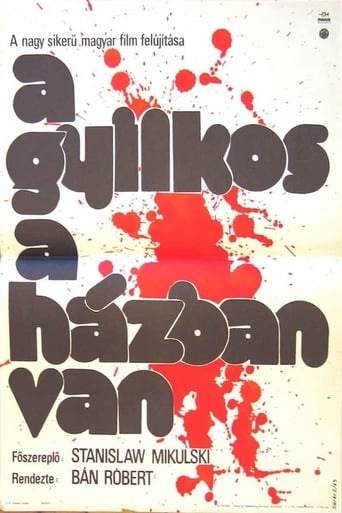
8.5A murder has been committed in a block of flats in Pest. Almost all the dwellers of the building behave in a suspicious way at the beginning of the investigation, although it is their everyday lapses they try to hide. In spite of the janitor's unpleasant comments, light is gradually thrown upon the case.
The Murderer is in the House
1971
 6.5
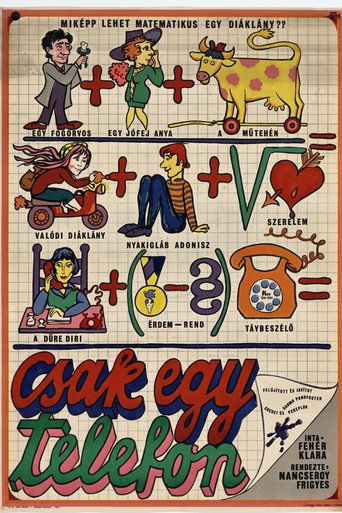
6.5It is a musical comedy about the difficulties of forced education. Kati is scheduled to learn agriculture though she is a lot more interested in maths.
Just a Phone Call
1970
1960s · 17 titles
NRNo synopsis available yet.
Kutyaszerencse
1967
NRThe movie tells about the relationship between young people who love each other. Young Mishka's family works on a construction site in Budapest, and on weekends they come home to their village on the Great Plain to relax and have fun. It is here that the young man meets Klari. He learns that Klari is his fellow villager, although she also works in Budapest. They arrange to meet the following weekend. Mishka is truly in love. Clarie is too, but she doesn't dare to admit to him that she has been unfaithful.
Májusi fagy
1962
 10.0
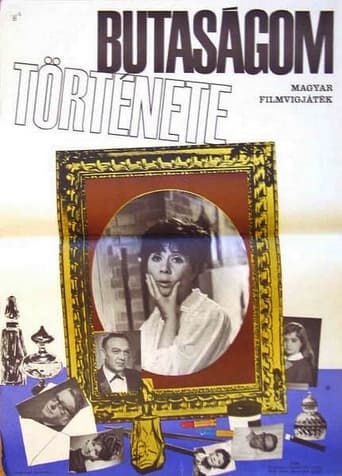
10.0The celebrated actor considers his wife a nitwits actress of a mediocre talent. But an influential playwright, a friend of theirs, has written a play with the main role designed for her, Kati, particularly. Its title is "The Most Intelligent Woman in the World". On the day of the first night performance Kati recalls their past, the times she had together with her husband.
Story of My Foolishness
1966
 8.0
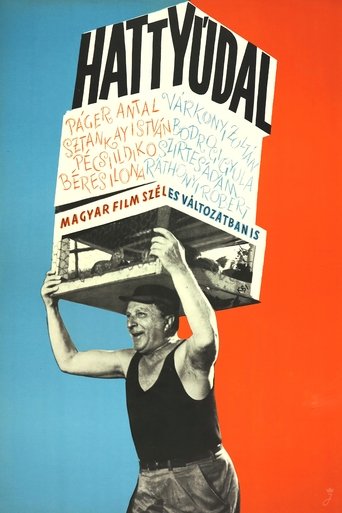
8.0A past world is revived in the little cottage in the outskirts, next to the housing blocks under construction. Tamburás, the old hobo collects swerved youth: Diák, who desires freedom, the bus driver who is deprived of his license for having run over someone, and the rest. They have got an easy and unbound life there, with constant music, small thefts, occasional labour, tricks.
Villa Negra
1963
 7.0
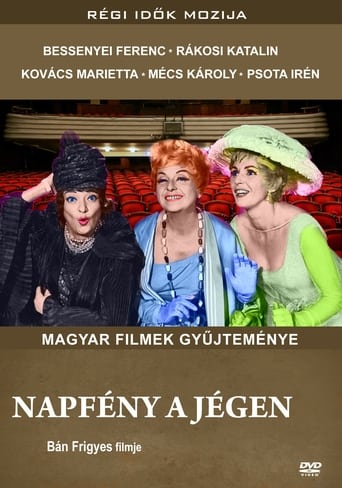
7.0Klári, the dancer of the ice revue, is pursued by a mysterious admirer and his roses. Her husband, Rezső, is about to lose his wits with jealousy.
Sunshine on the Ice
1961
 7.2
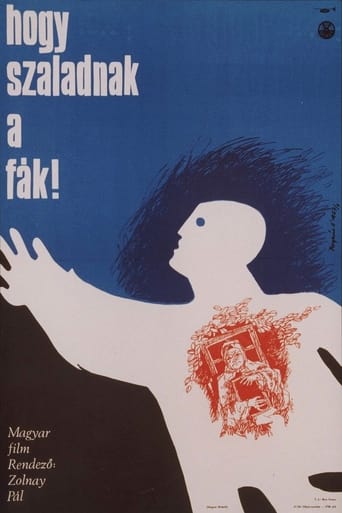
7.2For the first time after 11 years, Simon, a young historian visits the village of his childhood at Balaton and Aunt Lina, his foster-mother. He gets upset by what he experiences there: the old woman's troublesome and vexing everydays, her quiet sadness. He is overwhelmed by his own memories, the death of his foster-father and by everything he was not aware of before, or he simply wanted to forget.
The Sack
1966
 10.0
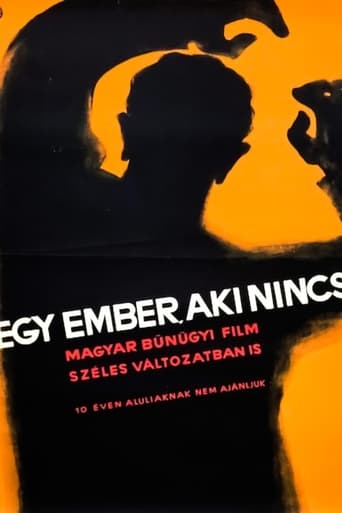
10.0During a mining accident, the police arrest the sole survivor on suspicion of murder, whose pickaxe is stained with the blood of one of the victims. The investigation reveals that the identity card found on the victim belongs to another person, that the collapse was deliberate and that the miner believed to be the victim has escaped.
Egy ember, aki nincs
1964
 NR
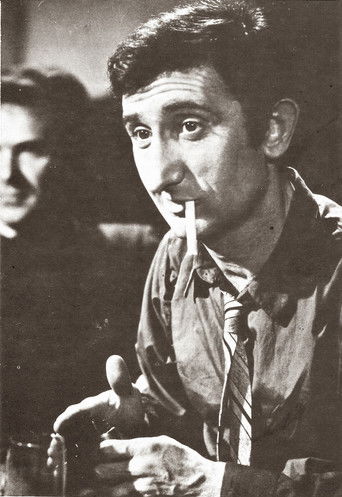
NRMocorgó, the well-meaning worker boy, is a tough guy. In his 40s he is still a mechanic's apprentice, but he is disappointed by his family, women and friends, and becomes a criminal. He goes to prison several times and tells the story of his life to the writer, who follows his story until 1956, until Mocorgó's death.
Mocorgó
1969
 9.0
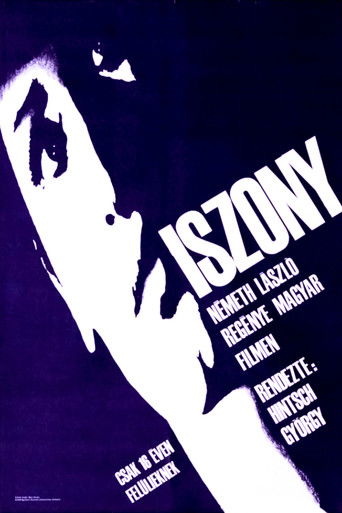
9.0Nelli, the icy, introverted farm girl, needs to find a husband following her father's death. She accepts the attentions of the noisy Takaró Sanyi, although she is more attracted to his silent and modest younger brother.
Abhorrence
1965
 10.0
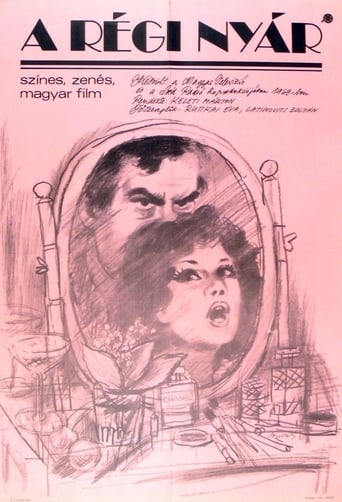
10.0The story unfolds using the Lajtai operetta The Old Summer. The son of landowner János Pataki comes from Sweden to visit his father in Budapest for a month's holiday. The parents are divorced because of a prima donna, and the mother warns her son against operettas and Buda pubs. The young Pataki, with the help of his father, enters the theatre world...
Summer of Old Times
1969
 8.0
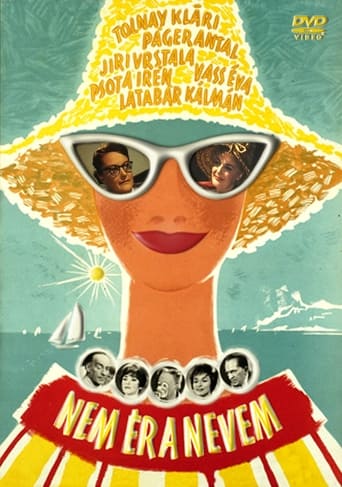
8.0The grey hero of grey workdays, the divorced cashier of a cinema who is always willing to sacrifice herself for others, Etelka, is awarded a two-week-holiday at Lake Balaton. Following the advice of her female friend, she tries to live life at full speed.
Just a Joke
1961
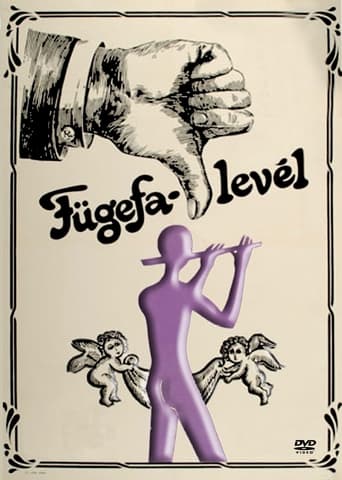 7.5
7.5On the main square of Halmaz a naked sculpture of a boy is unveiled. The editor-in-chief of the local paper launches an attack against the scandalous implementation of "bourgeois pornography". The youth of the town, among them Ancsa, daughter of the editor decide to co-operate against the general sole-licking and prudery.
Fig-Leaf
1966
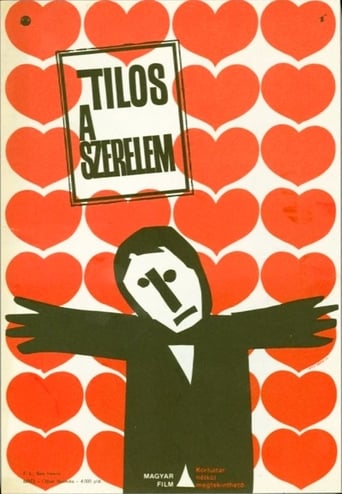 7.0
7.0Nothing is as dangerous to a really good group of friends as a woman and love. At least according to Frank, the brigade leader, who not only protects cohesion but also work performance when he gives advice to his colleagues. It's easy for him, of course, because he's never been in love. Not so his friends, who are still courting the travelling circus artists. But what goes around comes around. Then Klári, the forklift girl, appears...
No Love, Please
1965
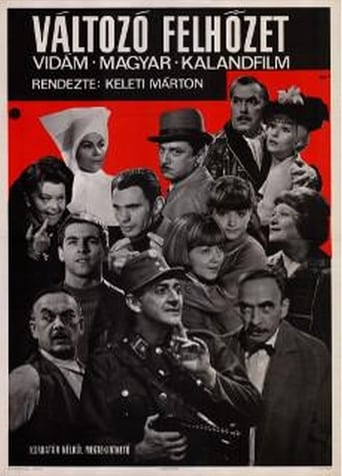 NR
NRAt the end of World War II, Bálint, a deserter tries to obtain forged papers. He gets involved in funny adventures
Changing Clouds
1967
 8.0
8.0The once celebrated actress, Aunt Mici, refuses to go and spend her old days in the old actors' home. She lets her apartment, in exchange for being taken care of, to a young couple. Laci and Kati care for the old woman with loving tenderness. Suddenly, Mici's one time lover, Alfréd turns up.
Auntie Who Was Respectable
1962
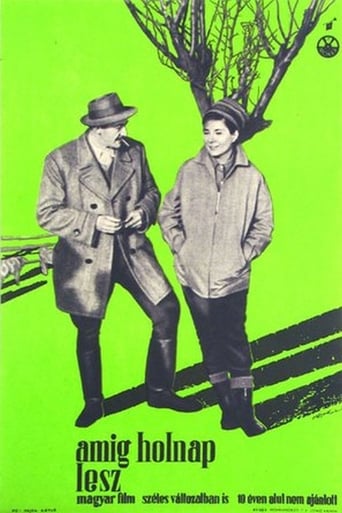 9.0
9.0Mihály Zágon has been struggling with his conservative mother-in-law for a long time. Now, that his wife is pregnant, the old woman wants Piroska to stay in bed. Mihály is elected to be the president of the co-operative, but nobody is happy about this back home. His wife often pretends to be ill to keep him by her side.
Until the Day is Breaking
1962
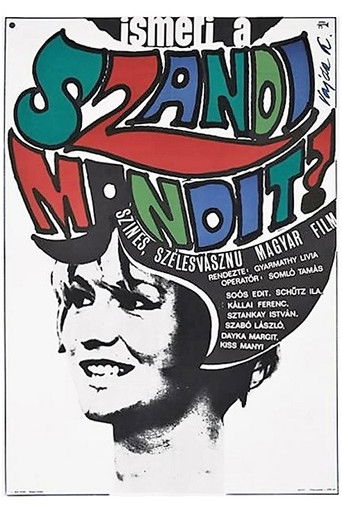 4.9
4.9Juli is a 17-year-old student who takes a summer job in a local chemical factory. She is befriended by Piri, a girl with an unsavory reputation who has worked there before. The two friends are ogled by male workers who have overactive libidos and imaginations. Juli spurns the advances of a deluded Romeo while Piri continues to work and endure open hostility from the older female workers while her slothful parents sink deeper into alcoholism.
Do You Know Sunday-Monday?
1969
1950s · 21 titles
7.5In a rural scenery in the throes of difficult changes lives humble but promising young farmer girl Mari Pataki. Her father forbids her from seeing the man she loves. The father, above all preoccupied by work on the fields and prospective wealth, decides to give his daughter in marriage to his older business partner. 'Land marries land', he says, a phrase which seems to be the unyielding rule of the Hungarian peasantry. But the younger lover is ready to confront any challenge to keep Mari's love.
Merry-Go-Round
1956
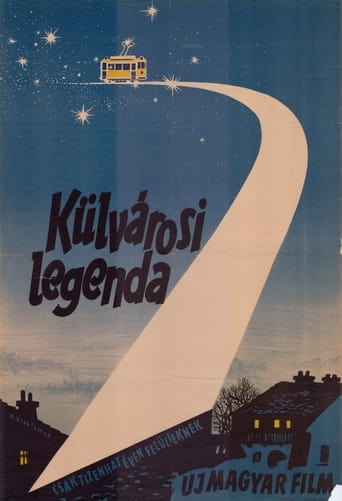 8.0
8.0The film, depicting life in the tenement houses of Angyalföld in the thirties joins the neorealist currents of Hungarian film. Ambrus Pista, the good humoured, attractive tram conductor is loved by women for his excellent job as well. With his lover, the street-walker Terus they spy upon the neighbour as he beats his wife in jealousy.
Suburban Legend
1957
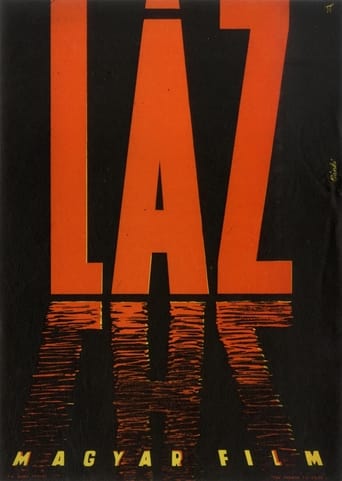 9.0
9.0Set between the First and Second World Wars, a “tale of an industrialist's rise to power and his destruction through his own greed” - BFI.
Fever
1957
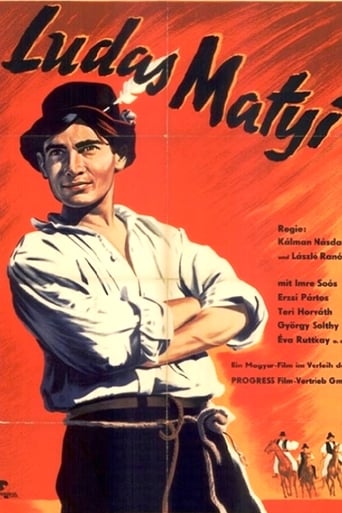 6.6
6.6A young peasant boy stands up to tyranny, aided by his trusting friend- a goose.
Goose Boy
1950
 10.0
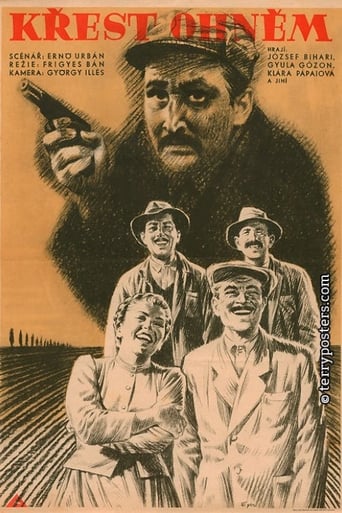
10.0This propaganda film from the early years of socialist transformation in Hungary depicts kulak sabotage in production cooperatives. The prosperous peasant Ignatz Hato, one of the best farmers in the village, joins the Two Octobers cooperative, and soon all the small peasants follow him. The village rich, led by Lili Sohar, watching the great expansion of the cooperative, try to break up the cooperators with each other. Sohar's attempt bears fruit and Hato leaves the cooperative. Next, Lili Sohar tries to convince Ignatz Hato that she is planning to create a rival team of new rich people and urges him to join her. Ignatz refuses and does not give in to the blackmail. Lili's lover, a former gendarme, shoots party secretary Bozhine. At the wounded Božine's bedside, Ignác admits his mistake and asks to be accepted back into the cooperative. Sándor, the president of the cooperative, realizes that the collective should not prevent those who want to work honestly from joining.
Tüzkeresztség
1952
 7.0
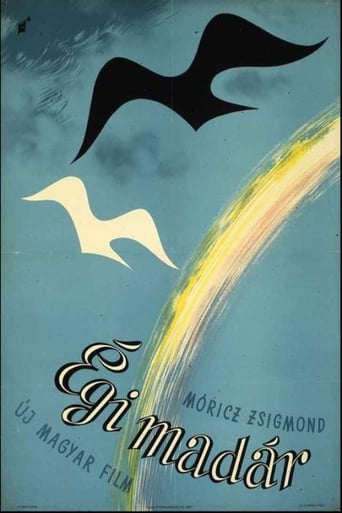
7.0Panni, coming from a landless family of ten and Miska have loved each other for a long time. The pretty Panni, however, has another suitor as well: Komáromi, the big farmer. The two men fight from time to time, but then, during the time Miska is serving his military duty, Panni marries Komáromi to end the tremendous squalor of her family.
A Bird of Heaven
1958
 7.0
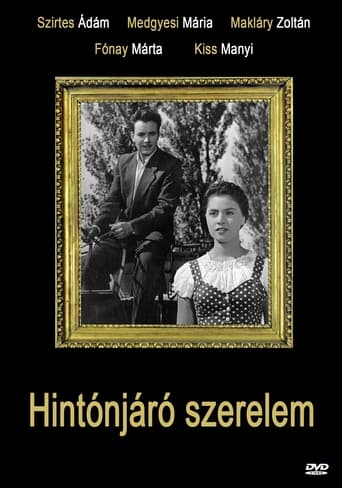
7.0The top management of the co-operative in the rural community at Lake Balaton goes on coaches everywhere to irritate Mrs. Peczöli, the snobbish wife of the only individual farmer. Peczöli would readily join the co-operative, should it not oppose his apple improving experiments.
Love Travelling a Coach
1955
 6.6
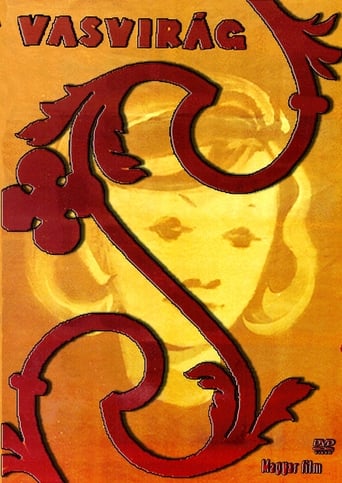
6.6During the worldwide Depression of the 1930s, a young shopgirl is in love with a man of her own financial class, but succumbs to the seductive machinations of her wealthy boss.
Iron Flower
1958
 9.0
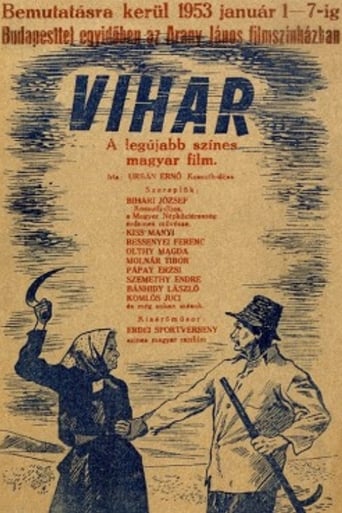
9.0Vörös Hajnal (Red Dawn), a co-operative is the venue of skylarking, while the storm destroys the wheat which is to be harvested soon. Árendás, a middle-peasant, voices severe accusations against members of the co-operative: out of negligence, they failed to keep the ditches clean. It is always the soft option they seem to favour, while the necessity of properly taking care of the farmlands is long-forgotten. Members of the co-operative and the village people are deeply divided.
The Storm
1952
 8.0
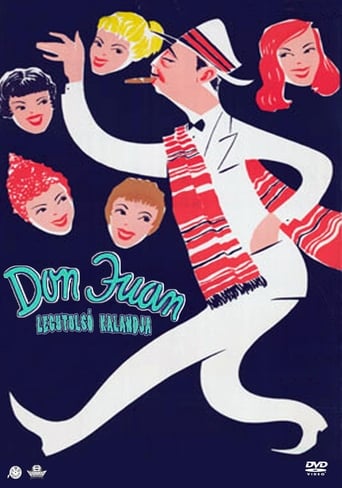
8.0Don Juan, the seducer, is cursed by the governor of Seville: he can only live until a woman rejects him. Thanks to this curse, Don Juan has been living in bliss for 400 years when he arrives in Budapest. Of course, in the new city he chooses a new girl to conquer, Kata Lukacs. The experienced heartthrob used all tricks and tricks, but it seems that none of this has an effect on Kata.
The Last Adventure of Don Juan
1958
 7.0
7.0The film recounts the adventures of three lovable animals, a Viszla, a Dachshund and a northern goshawk. The animals are accidentally taken to the shores of Lake Kis-Balaton, where many surprises and adventures await them. Created in 1958, it is a classic of Hungarian nature film, generations have grown up with it, and today's children still enjoy the story of Ficko, Pletyka and Nimrod in a beautiful setting.
Buddies - In the wind of reeds
1958
 6.0
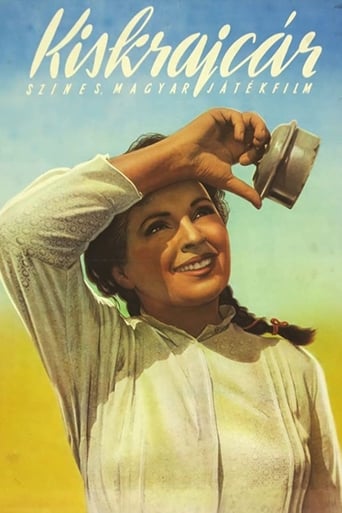
6.0The story of a young servant girl who comes to work on the construction site of a large-scale industrial settlement. She decides to embark on an independent life, runs away from her foster parents, gets on a train and sets out to earn money. Modest and shy, she joins the factory's group of "Stakhanovites" and soon makes new comrades. Her coworkers accept her into their team.
Penny
1953
 7.0
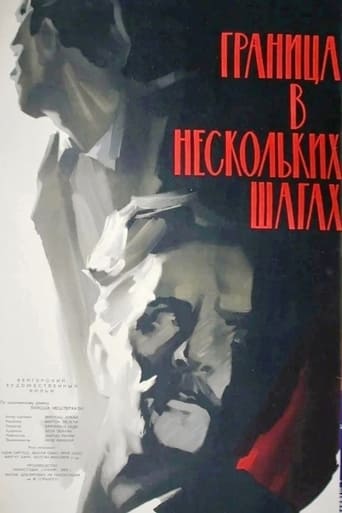
7.0Based on the novel of the same name by Lajos Meszterházy about the escape from prison of two communists sentenced to death. The movie is set in 1921, two years after the defeat of the Hungarian Soviet Republic.
Pár lépés a határ
1959
 5.2
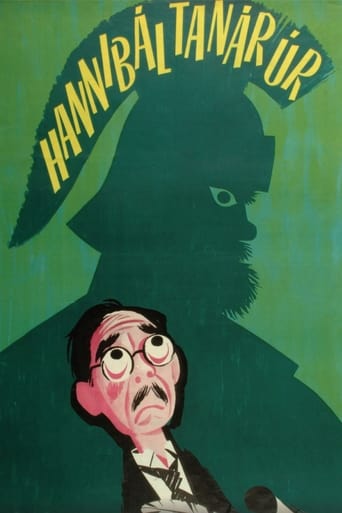
5.2When a Latin teacher publishes an essay on the Carthaginian General Hannibal, he is quickly hailed as a celebrity genius, but in reality has become an unwitting pawn of far-right politicians.
Professor Hannibal
1956
 9.5
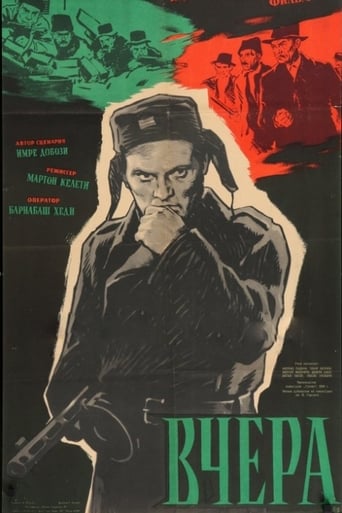
9.5October, 1956. Colonel lieutenant Szabó sends a platoon with the mission of calming the people demonstrating in the town. The platoon is lined up under the command of Lieutenant Csendes and the soldiers aim at the demonstrators. Szusza Kis changes sides, and Csendes is unable to shoot at his childhood mate. They withdraw.
Yesterday
1959
 6.5
6.5Cabinet crisis threatens in Futbólia, due to a series of lost matches. The head of state charges admiral Duca with the task, as a last chance, to get hold of the football star of the Hungarian team presently playing in Switzerland.
The Football Star
1957
 8.0
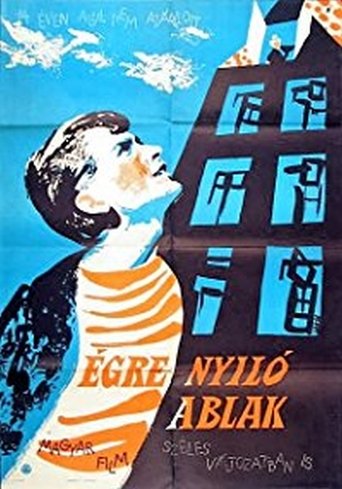
8.0Mrs. Fazekas and her three sons live in a tenement house in the outskirts. The eldest son, Fecó, is saving money in order to buy a washing machine for his mother, while her other two sons spend time by hanging around and playing tricks.
A Window on the Sky
1959
No synopsis available yet.
A bűvös szék
1953
 8.0
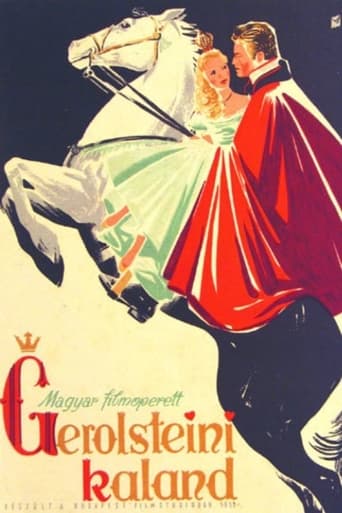
8.0In Gerolstein, those girls who were born the same year as the princess, cannot marry until she remains maiden. An attractive and very rich husband is needed for Antónia in order to fill the treasures up. The wonderful reigning princess meets her selected bridegroom, the emperor of the neighbouring Pecunia in disguise and by accident.
Adventure in Gerolstein
1957
 8.2
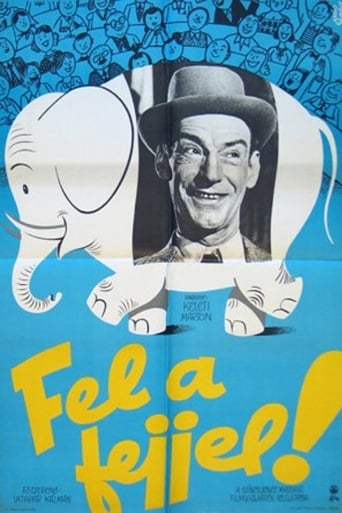
8.2On the Spring of 1945 the Jackson circus is heading towards the border with the clown Peti and Aida, the elephant. They have to play for the Hungarian Fascists, while Peti is hiding the Jew Annuska and Sanyika.
Keep Your Chin Up!
1954
 10.0
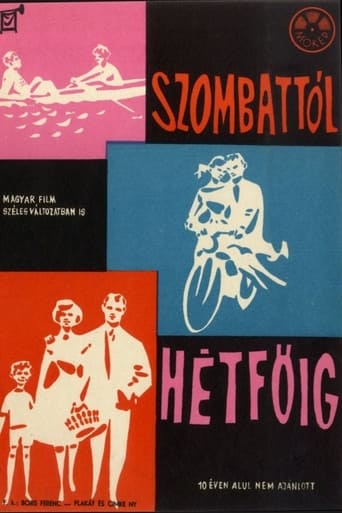
10.0About the life of young people in Hungary in the late 50s, their joys, hopes and dreams. When Joly entered the factory, she wanted to be as cheerful and carefree as the other girls, and she didn't tell anyone that she had a son. And now, when the wedding day with Ferenc is almost set, Yoli walks around sad and confused. She doesn't know how Feri will take the news of her son. She is afraid that Feri, who loves and trusts her very much, will never understand or forgive her. But Feri turns out to be a real man, and Yoli together with little Ali finds her true happiness.
Szombattól hétföig
1959
1940s · 9 titles
 9.0
9.0The famous woman singer is touring the country. Following the advice of the chamber maid in the hotel, she counts the corners of the windows in her room to have all her dreams come true. The next day she wakes up, frightened of the prospect of her bad dream, which was full of scandals and chases, and finally a marriage, come true.
I Dreamt You
1943
The protagonist of the story is Flora, a teacher who wants to teach in the village, in accordance with her vocation and her oath. Her beauty and purity bring her into conflict with the local authorities and with the landowning family of the countryside. Aware of her truth, she defies them, but can only count on the sympathy of the old priest. István Nagy Jr., the idle, dissolute landowner's son, falls in love with Flóra, and love changes him: he takes her side, exposing the lecherous hypocrites.
The School-Mistress
1945
 8.5
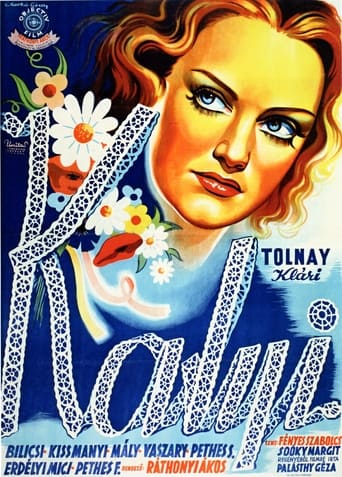
8.5Kató Varga (Klári Tolnay) is unable to play its part in front of the Admissions Committee of the School of Dramatic Art. Geszty (Tivadar Bilicsi), severe President of the Commission maintains that she has no talent for acting and mercilessly tells you will never be an actress. Kató prepares to take revenge and under the false name of Katyi Csiba, dressed as a peasant village, obtains admission to the house Geszty. Turning everything upside down, she makes your life hell.
Katyi
1942
 10.0
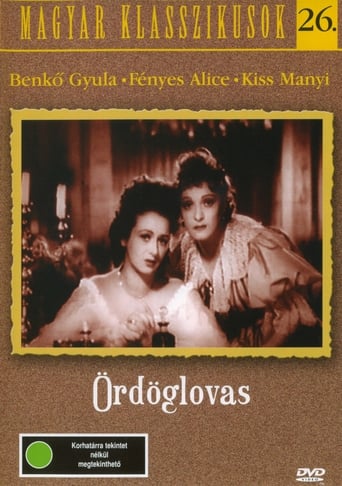
10.0No synopsis available yet.
Ördöglovas
1944
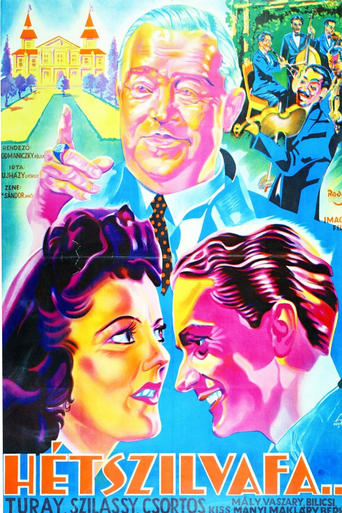 5.0
5.0No synopsis available yet.
Hétszilvafa
1940
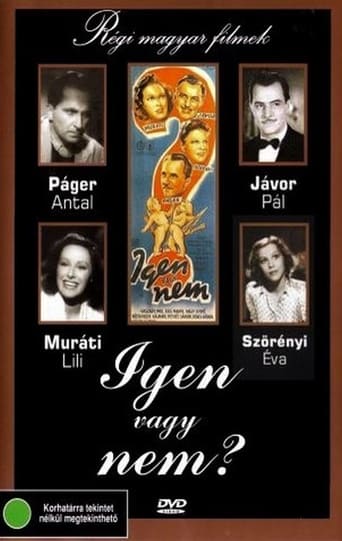 6.5
6.5How did a beautiful American divorcee get into the bed of her best friend's fiancé right after returning to Budapest?
Yes or No?
1940
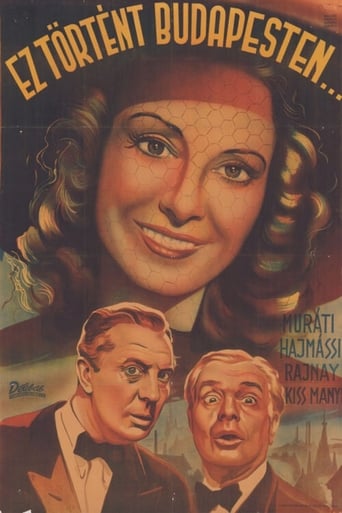 NR
NRPataky Elemér arrives in the capital as a victim in his niece's divorce case. Having to meet the lawyer dr. Orbói István is, however, an alibi in an effort to get away from his quarrelsome wife, and to have some fun at the same time. He takes the lawyer with him.
This Happened in Budapest
1944
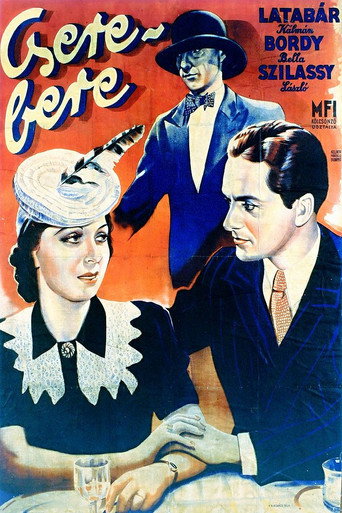 8.0
8.0No synopsis available yet.
Swap
1940
 7.0
7.0No synopsis available yet.
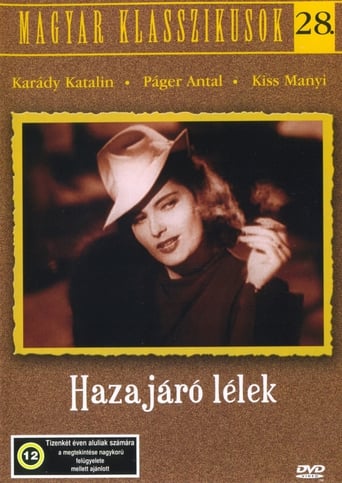
Hazajáró lélek
1940
1930s · 7 titles
NRThe Takács family receive a marriage proposal, but Ágnes does not like the suitor.
Billeting
1938
 8.0
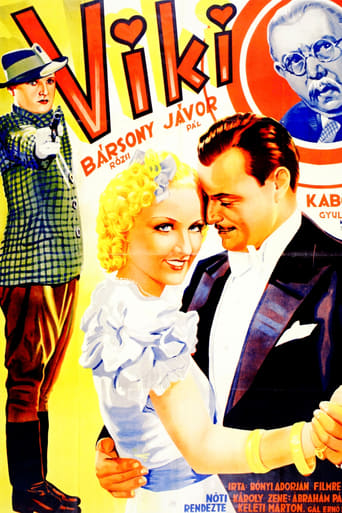
8.0The ancient families of Kont and Hadhazy have long been at war with each other. Lord Cont is a supporter of Vienna's rule, while Hadhazy is a follower of the Hungarian revolutionary Kossuth. Lord plans to fight Hadhazy at an approaching county meeting. Vicky, the beautiful and savvy daughter of Hadhazy's family, just before this, returns home from a Swiss boarding school for young girls, expelled because of her behavior. Vicky, dressed in a man's costume, goes to defend her father and with the honor of a nobleman fights the young scion of a family hostile to her. The young man's name is Feri Kont, and he mistakes the young man's introduction to Vicky for her brother Kalman Hadhazy. The political conflicts between the two families are mitigated by love complications. A misunderstanding at a county ball is brought to light, and the two warring camps are reconciled through the love of Vicky and Feri.
Viki
1937
 9.0
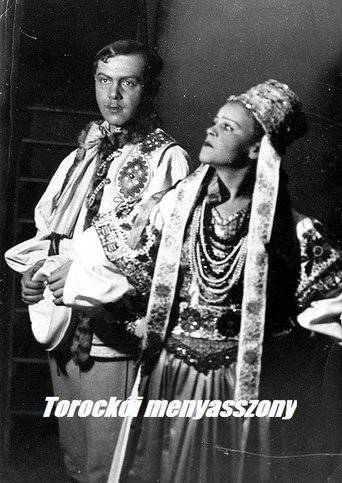
9.0András and Rózsi have been engaged for years now, but, given the absence of her certificate of baptism, they cannot get married.
The Torocko Bride
1937
 7.5
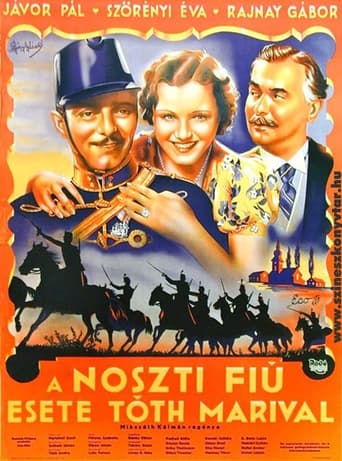
7.5Another winner from Hungarian director Ivan Szekely (aka S.K. Seeley and Steve Sekely), A Nosty fiu Esete Toth Marival was released in English-speaking regions as I Married for Love. Feri Noszty (Paul Javor) is a handsome but irresponsible Hussar officer who prefers a life of wine, women and song to his military responsibilities. Unwilling to bow to family pressure, Feri refuses to marry heiress Mary Toth (Eva Szorenyi) for her dowry alone. But Mary falls in love with the prideful Feri, and to win his affections she poses as her own poverty-stricken maid. Based on a novel by Kalman Mikszath, A Noszty Fiu Esete Toth Marival was filmed simultaneously in Hungarian- and German-language versions.
Young Noszty and Mary Toth
1938
 10.0
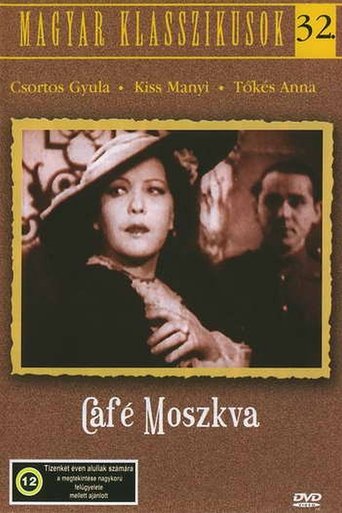
10.0About a man's disappointment in love, and this provides the foundation for the upcoming trial of a much more significant love. The scene of the fatal meeting, the bar, which is a kind of world-model, and its environment: a fort under siege, from where it's almost impossible to escape...
Cafe Moscow
1936
 6.5
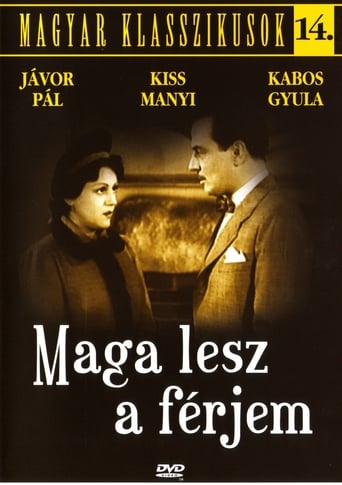
6.5No synopsis available yet.
You Will Be My Husband
1937
 7.5
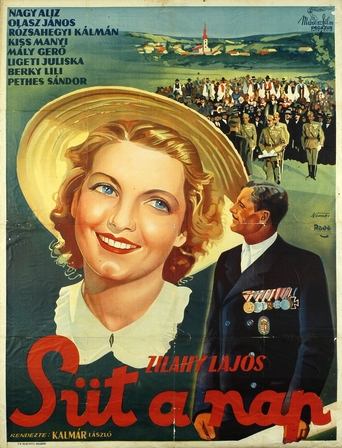
7.5The village is preparing for the celebration of Mihály Sámson's entry to the Vitéz Order. There's a great competition for roles in the amateur theatrical performance, and the choir is practicing. Two girls compete for the attention of Gyula Kopácsi, the railway traffic controller: Jolán, the postal clerk, and the pastor's daughter, Sárika. Jolán's mother spreads rumors during the rehearsal of the performance that Kopácsi has already proposed to her daughter, even though he's actually leaning towards Sárika. However, at the celebration, Sárika and Sámson notice each other...
The Sun Shines
1938
Undated · 2 titles
 9.0
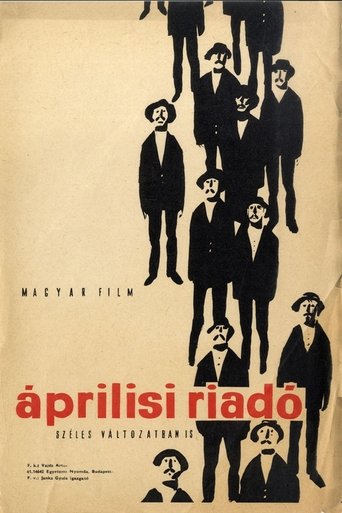
9.01946. Borok Vince, party secretary, and Holló Döme, former landowner, arrive in Nagybökény the same day at Easter. The latter wants to get back his castle and land with the help of his attorney. Albert József, the police-chief, wants to strengthen Communist power with tough actions. His R-guards disperse the clerical torch march.
April Alarm
—
No synopsis available yet.
Róza néni elintézi
—
Series credits
6.9A story about two urban boys, who spend a summer at the romantic Kis-Balaton side with an old field keeper, and gradually change their point of view about their civilized life, and fall in love with the nature.
Thorn Castle
1967
6.9A story about two urban boys, who spend a summer at the romantic Kis-Balaton side with an old field keeper, and gradually change their point of view about their civilized life, and fall in love with the nature.
Thorn Castle
1967
 7.5
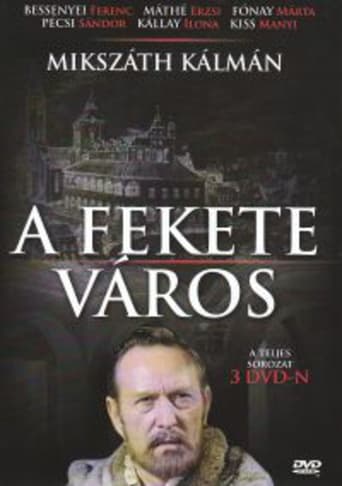
7.5Hungarian mini-series.
The Black City
1972