

Acting
Osamu Takizawa
Born — Died
1906-11-13 — 2000-06-22
Place of birth
Ushigome, Shinjuku, Tokyo, Japan
Known for
Acting
Credits
64 titles
Osamu Takizawa (滝沢 修 Takizawa Osamu , 13 November 1906 – 22 June 2000 ) was a Japanese actor. He was born in Ushigome, Tokyo, Japan. Starting at the Tsukiji Little Theater, Takizawa participated in a number of theatrical troupes before forming Gekidan Mingei with Jūkichi Uno. His was praised for his performance in Death of a Salesman and also directed a version of The Diary of Anne Frank. Perhaps his most notable film role was in Fires on the Plain. From Wikipedia, the free encyclopedia. Description above from the Wikipedia article Osamu Takizawa , licensed under CC-BY-SA,full list of contributors on Wikipedia.
Known for
 7.5
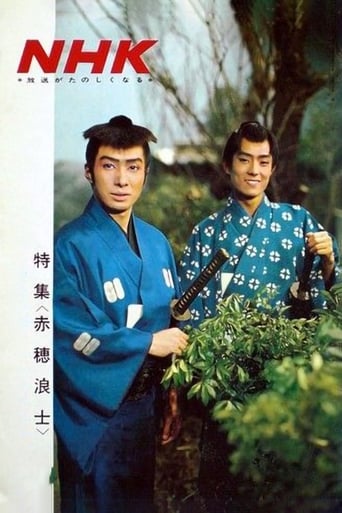
"Ako Roshi" is a group of 47 former retainers of Lord Asano. Lord Asano was forced to commit suicide after attempting to kill Lord Kira. Once the retainers hear about their Lord's death, they sacrifice their lives to regain the honor of their former master.
Akō Rōshi
1964
 7.7
Taking its title from an archaic Japanese word meaning "ghost story," this anthology adapts four folk tales. A penniless samurai marries for money with tragic results. A man stranded in a blizzard is saved by Yuki the Snow Maiden, but his rescue comes at a cost. Blind musician Hoichi is forced to perform for an audience of ghosts. An author relates the story of a samurai who sees another warrior's reflection in his teacup.
Kwaidan
1965
 7.3
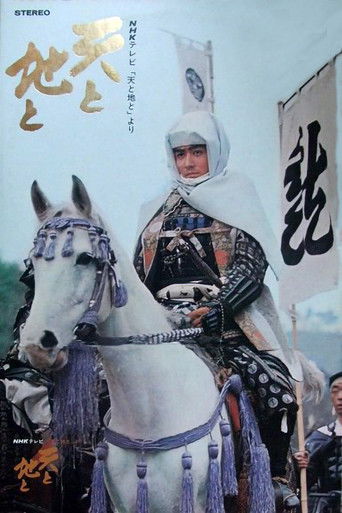
The story chronicles the life of Nagao Kagetora.
Heaven and Earth
1969
 7.3
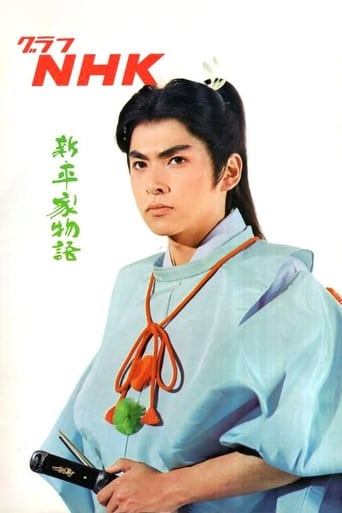
Set at the end of the 12th century when several wars for control of Japan disrupted a long era of peace, this tale of "Heike" (another name for the Taira clan) focuses on Taira Kiyomori who fights alongside other members of his clan to at first successfully overcome the Minamoto clan and their bid for power. Battles and intrigue abound, as the puppet Emperor and Buddhist monks take sides in the power struggle. At issue is Kiyomori's parentage, not an unusual problem for the nobility in that era where clandestine liaisons among courtiers and the upper classes were common.
Shin Heike Monogatari
1972
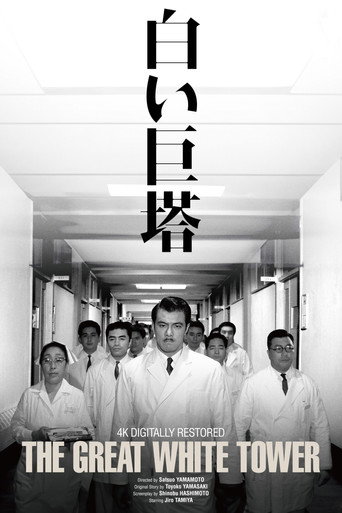 7.3
The story contrasts the life of two doctors, former classmates and now both assistant professors at Naniwa University Hospital in Osaka. The brilliant and ambitious surgeon Goro Zaizen stops at nothing to rise to a position of eminence and authority, while the friendly Shuji Satomi busies himself with his patients and research.
The Great White Tower
1966
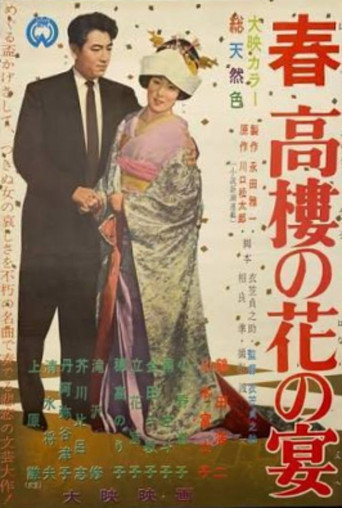 NR
A romance between a young koto prodigy and the head of a koto school’s daughter.
Symphony of Love
1958
Film credits
1980s · 2 titles
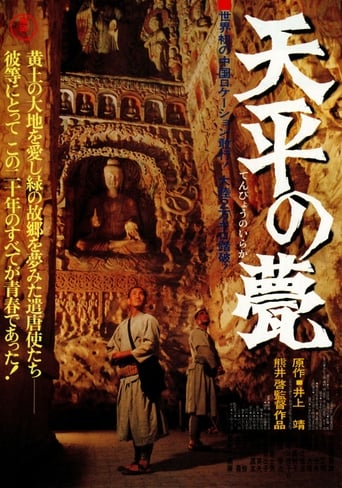 9.0
Set in Japan's Tenpyou era (729-749 CE), four young monks are sent to China to study Buddhism and bring a high priest back to Japan with them. The film tells the tale of the four monks' youth and the life and times of the high priest Ganjin.
An Ocean to Cross
1980
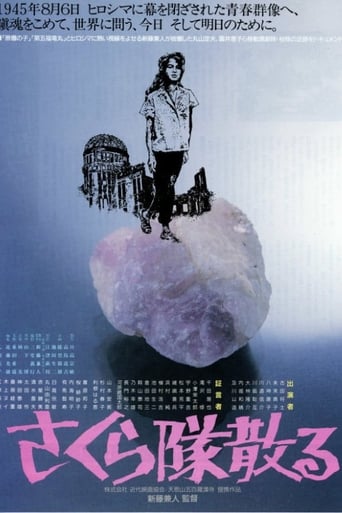 6.8
A documentary about the lives of actors in the Sakura-tai theatrical troupe, which had arrived in the island of Hiroshima to begin preparations for the staging of a play just before the atomic bombing.
Sakura-tai Chiru
1988
1970s · 7 titles
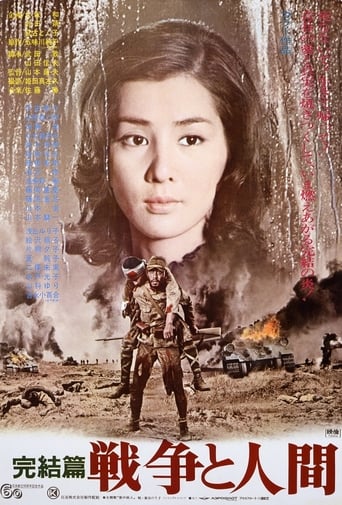 6.1
As Japan's war of aggression against China intensifies, beginning with the Nanjing Massacre in December 1937, Kohei, who had secretly married Junko, the second daughter of the Godai family, deploys to the front lines, witnessing the atrocities of the Japanese army firsthand. Meanwhile, Shunsuke also takes to the front lines of the battlefield, engaging in a fierce battle against the Soviet army at Nomonhan.
Men and War III: The Final Chapter
1973
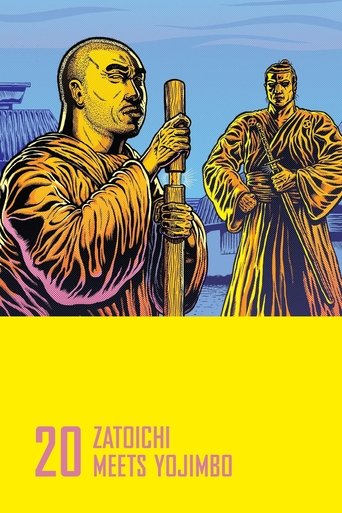 6.8
Zatoichi treks to a village that has always been a favorite spot of his, only to discover that it’s become a living hell, plagued by feuding father and son yakuza as well as the younger crime boss’s bodyguard, scruffy, smart-mouthed, cash-hungry Yojimbo of legend.
Zatoichi Meets Yojimbo
1970
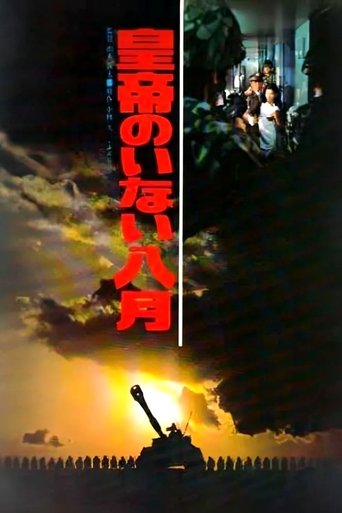 7.2
Taking the Chilean coup as an example, a group of young officers plan to overthrow the Japanese government on V-J Day. They aim to abolish the post-war constitution, restore the national army and revive the traditional spirit of Japan. As the conspiracy is exposed, the coup squadrons are wiped out one by one. The remaining squadron takes over a night train bound for Tokyo.
August Without Emperor
1978
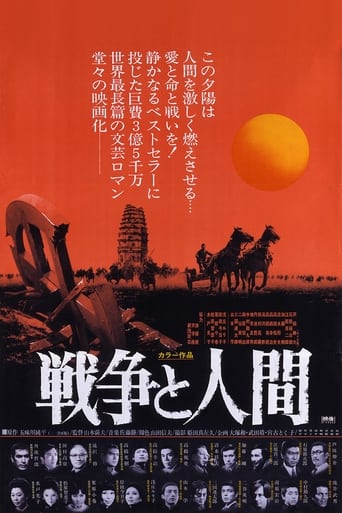 6.8
The upstart Godai family conglomerate plans to strengthen ties with the hardliners in the Kwantung Army as they plan military expansion into Manchuria.
Men and War I: Prelude to Destiny
1970
 6.4
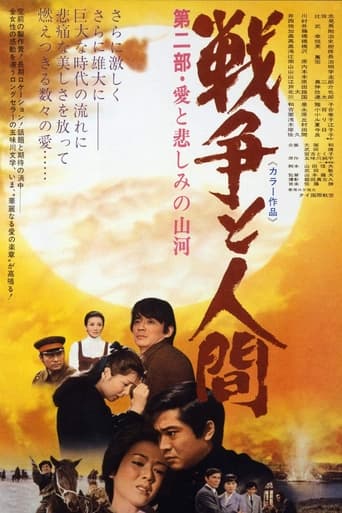
As the Japanese military has established the puppet state of Manchukuo and is advancing its invasion of Asia, fighting intensifying battles against anti-Japanese partisans, the Godai zaibatsu becomes involved in large-scale opium smuggling. Shunsuke, second son of the Godai family, falls in love with a married woman. Meanwhile, Kohei, the love of the second daughter, Junko, throws himself into the anti-war movement.
Men and War II: Land of Love and Sorrow
1971
 6.5
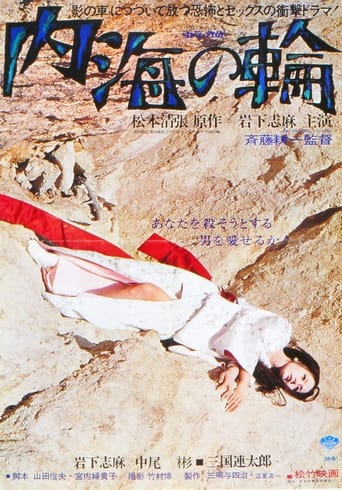
It was five years ago when Minako spent a night with Sozo, younger brother of her ex-husband. She now lives in a local town with a rich old man who owns a dry goods store. Minako travels to Tokyo on business every three months, during which time she continues to meet Sozo, who has married the daughter of his respected teacher.
Shadow of Deception
1971
 NR
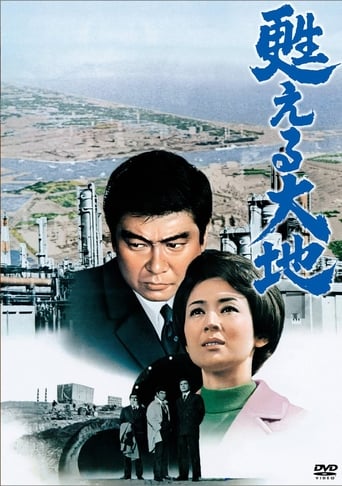
A dramatic film that recorded the history of Japan in the period of high economic growth. This work deals with Kashima Rinkai industrial zone development. The men who dream of making the overlooking wasteland as a big industrial area draw the courage to realize the ideal purely with the fishy desire swirling back to the coastal industrial area of Kashima Nada in Ibaraki prefecture.
The Earth is Born Again
1971
1960s · 16 titles
7.7Taking its title from an archaic Japanese word meaning "ghost story," this anthology adapts four folk tales. A penniless samurai marries for money with tragic results. A man stranded in a blizzard is saved by Yuki the Snow Maiden, but his rescue comes at a cost. Blind musician Hoichi is forced to perform for an audience of ghosts. An author relates the story of a samurai who sees another warrior's reflection in his teacup.
Kwaidan
1965
7.3The story contrasts the life of two doctors, former classmates and now both assistant professors at Naniwa University Hospital in Osaka. The brilliant and ambitious surgeon Goro Zaizen stops at nothing to rise to a position of eminence and authority, while the friendly Shuji Satomi busies himself with his patients and research.
The Great White Tower
1966
 7.1
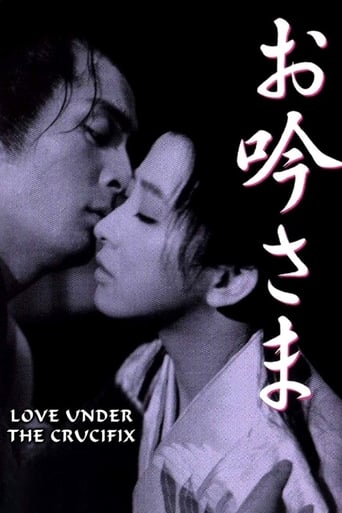
A tea master and his daughter Ogin are both Christians in feudal Japan. Ogin falls in love with a married feudal prince who shares her faith. When the Shogun bans Christianity, the situation worsens.
Love Under the Crucifix
1962
 10.0
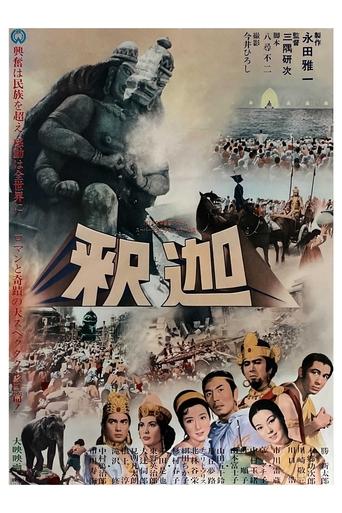
An Indian prince leaves his world of comfort and riches behind to wander and meditate for six years in search of spiritual enlightenment. Siddartha (Cojoin Hong) turns his back on the old religion when people are starving needlessly and holy rituals include human sacrifices. During his meditations, he is tempted by erotic dancing women, demons, and the evil machinations of his criminal cousin. Devastate to attain the spiritual perfection and become the Buddha. He travels to convert followers by his kindness and wisdom, gaining a multitude of believers when he stops an elephant from crushing a local priest. Buddha of course goes on to become one of the great religious leaders of the world.
Buddha
1961
 7.3
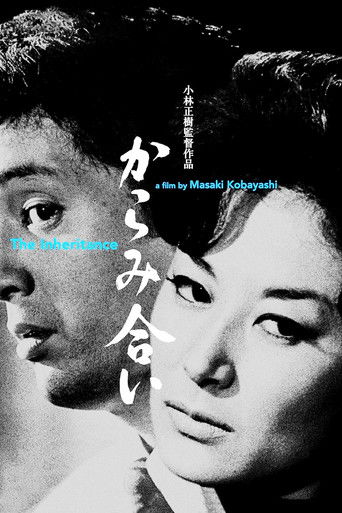
A dying businessman intends to will ¥200 million to his three illegitimate children, but his associates scheme to take advantage of the situation.
The Inheritance
1962
 7.0
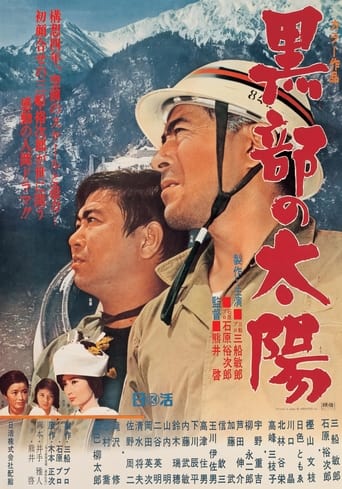
Kitagawa is an engineer charged with construction of a gigantic tunnel through the Japan Alps for the transportation of equipment in the building of the massive Kurobe Dam. The tunnel crosses an earthquake fault and Kitagawa is beleaguered not only by cave-ins and flooding, but by strife between management and the workers's union. Adding to Kitagawa's stress is the knowledge that as his attention is pulled inexorably toward the tunnel construction, his youngest daughter is dying from leukemia.
The Sands of Kurobe
1968
 7.1
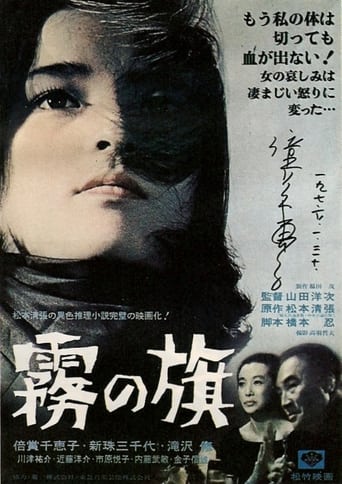
When her only relative, her elder brother is accused of robbing and murdering an old woman loan-shark, pretty, young Kiriko travels from her home in Kyushu to Tokyo to get Japan's top lawyer to defend her brother. Unfortunately her naive idealism is shattered when the lawyer refuses to take the case based on her insufficient funds. What follows is a long determined revenge plot that sees the heroine become a Tokyo bar hostess and worse to punish the lawyer. The plot thickens with another murder mystery and a sleuthing reporter.
A Trap
1965
 7.0
A young doctor falls into a despair of developments. He plans to revenge the disgrace inflicted upon his sister, whose engagement was broken as a result.
Jungle Block
1960
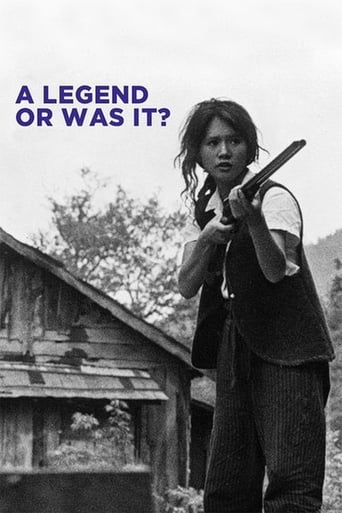 7.0
A Tokyo family escaping the war relocates to a Hokkaido village; their daughter is set to marry the local leader's son, but her siblings disapprove.
A Legend or Was It?
1963
 7.0
1964 Nikkatsu Theater of Life adaptation.
Jinsei Gekijo
1964
 8.7
Jiro, a young yakuza, and Mami, a diplomat’s daughter, are two young lovers from different worlds. Having met by accident, they soon discover a new life together. But their love is ill-fated. Mami's family will not accept her choice, while leading an honest life seems like an unattainable goal for Jiro. Can there be anything else but a tragic ending?
The Mud-Spattered Pure Heart
1963
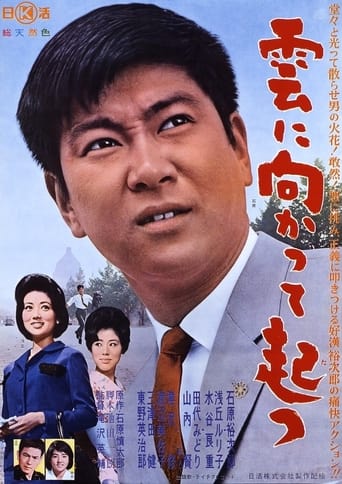 NR
A rookie newspaper journalist, Takema Sakaki, has a strong sense of justice. In the Diet Building he gets acquainted with a library worker, Reiko Nakafuji. Reiko's father was a member of the Diet who was assassinated six years ago. Through Reiko, Takema joins Tsūkai-kai, a group of young people who respect her late father's political ideas. With the assistance of Tsukai-kai, Takema eventually uncovers the political scandal related to postwar compensation which led to the murder of Reiko's father.
Facing to the Clouds
1962
 NR
In 1943, Japan is amidst the Pacific War. Sobei Sonoda is one of the wealthiest landowners of the San'in region. His land spread for miles, as far as the eye can see. People treated him with respect. But even the richest must think about the future. One day, he decides to arrange a marriage between his only son, Junkichi and the daughter of an even more powerful family. Sobei, hoping to benefit from this union, soon discovers that his son was in love with a lower class girl.
No Greater Love
1966
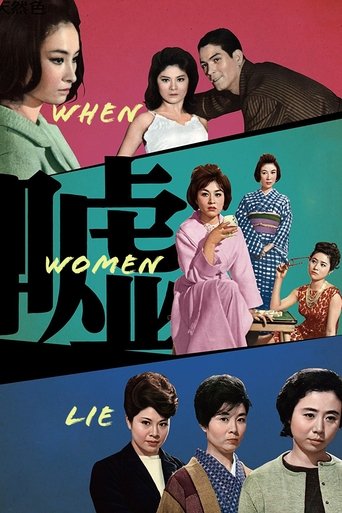 8.0
Three stories about the relationship between men and women: "Playgirl" (Masumura/Shirasaka), "Company No. 2" (Yoshimura/Kasahara), and "San Nyotai" (Kinugasa/Shindô).
When Women Lie
1963
 6.0
An opportunistic department store clerk gets involved with three women and attempts to manipulate them so he can move up the social ladder.
Bitter End of a Sweet Night
1961
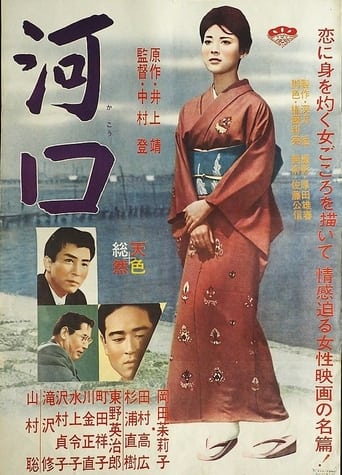 NR
No synopsis available yet.
The Estuary
1961
1950s · 26 titles
NRA romance between a young koto prodigy and the head of a koto school’s daughter.
Symphony of Love
1958
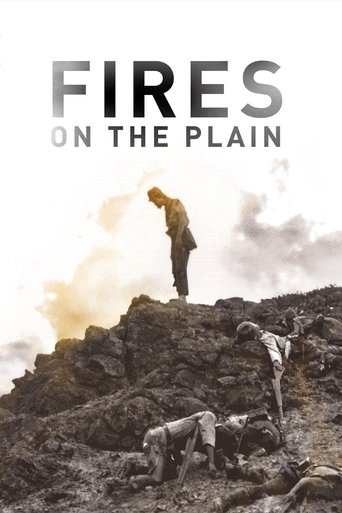 7.6
In the closing days of WWII, a Japanese soldier afflicted with tuberculosis is abandoned by his company and left to wander the Philippine island of Leyte.
Fires on the Plain
1959
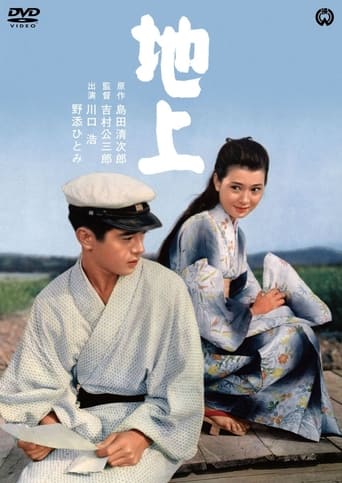 7.0
Ichiro’s family used to be a large landowner, but now he is living in poverty with his mother. His mother works hard to get her son through school. Under such circumstances, Ichiro meets Wakako, the daughter of a wealthy man, and they fall in love with each other, but they are opposed by those around them because of their different social status.
On This Earth
1957
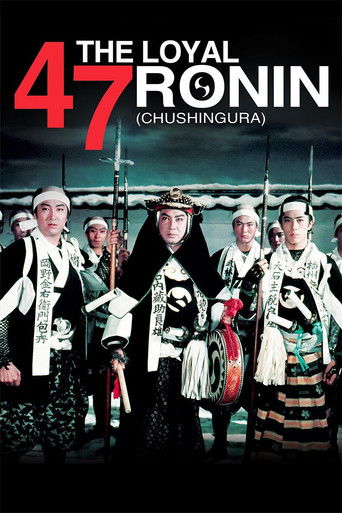 6.2
Japan, 1701. A group of samurai become rônin after their lord is forced to commit seppuku for assaulting a court official, who will become the target of a merciless revenge.
The Loyal 47 Ronin
1958
 7.4
Legendary yakuza Shimizu Jirocho and his 28 henchmen travel the unruly path from a 'Fire Festival' in Akiba to a decisive battle by the Fujigawa.
Jirocho Fuji
1959
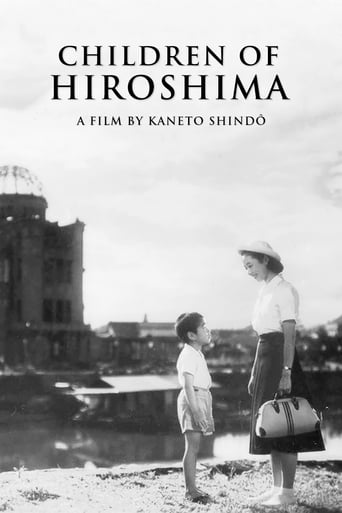 7.1
Shows the devastation caused by the atomic bomb, and by use of a fictional storyline, portrays the struggle of the ordinary Japanese people in dealing with the aftermath.
Children of Hiroshima
1952
 6.0
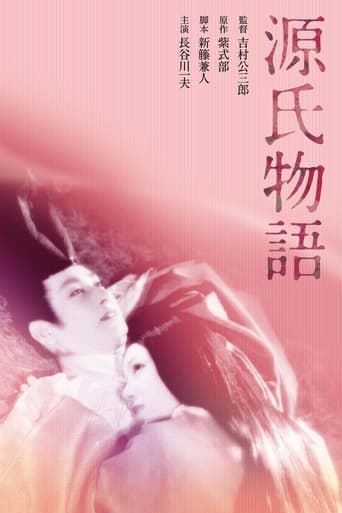
Genji, the illegitimate offspring of a Japanese potentate, goes by the philosophy of "love 'em and leave 'em" as a matter of course. Only when his heart is broken by Awaji does Genji realizes how much pain he himself has caused.
The Tale of Genji
1951
 6.0
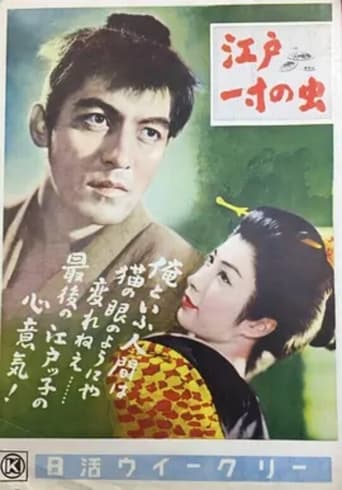
This historical film depicts the life of a man who was at the mercy of the waves during transition from the end of the Edo period to the Meiji Restoration, and therefore, shows audience the dynamic change from Edo to Meiji. Before the war, the director, Eisuke Takizawa, together with the writers, formed a scenario writer group "Narutaki-gumi and they shot many historical masterpieces.
The Samurai of Edo
1955
 7.0
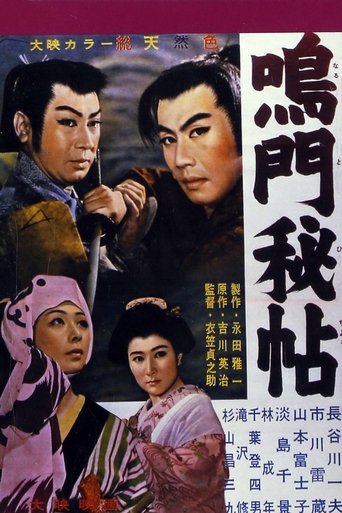
From the pen of Yoshikawa Eiji comes this exciting story. The Naruto Strait separates Tokushima from the islands of Awaji and Honshu. On Tokushima the mad lord dreams of conquest and forges a bloody revolt against the Tokugawa shogunate. A mysterious swordsman named Noriyuki Gennojo has crossed Naruto’s waters to uncover the Awa clan’s secrets. He puts his life on the line after finding a testament of Awa’s secrets, written in blood by a dying man. Joining Noriyuki are a female ninja who loves him, and the beautiful daughter of an enemy who’s sworn to kill him. Awa’s defenders willl stop at nothing to prevent the blood-soaked letter from reaching the shogun.
Secret of Naruto
1957
 NR
The former Japanese Naval Academy was at Etajima, one of the many islands of the beautiful Inland Sea. Among the new cadets were Ishikawa and Murase. Murase's mother had remarried after his father's death and the impressionable boy hated his overbearing father who held the whip-hand over his gentle mother. Out of defiance of his step-father he became wayward. But he was bright and his teacher persuaded him to enter the Academy as he knew that if he left home, his mother need not feel apologetic towards her husband on his account. Discipline was strict, their studies were hard and, in between, all the new cadets received an ample share of beatings, at the hands of the senior cadets, for the slightest mistakes. Murase thought all picked on him the most, especially Cadet First Class Kogure, who manhandled him at the slightest excuse.
Etajima, the Naval Academy
1959
 7.0
The film portrays the experiences of Takashi Nagai as a survivor of the atomic bombing of Nagasaki.
The Bells of Nagasaki
1950
 NR
A thriller of deduction and duels, in which a newspaper reporter bravely takes on a gang in the city’s skyscraper district over a mysterious recording by a diva.
I Am Being Targeted
1950
 NR
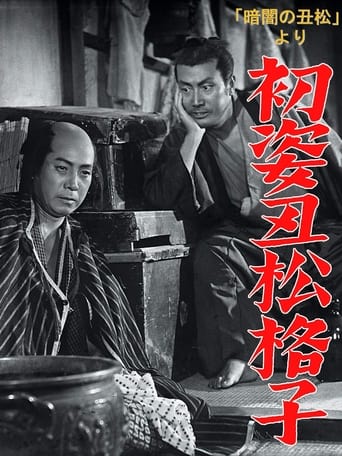
Fukagawa's chef Ushimatsu of the restaurant Kawatake fell in love with a maid named Omame and changed dramatically. He stopped gambling and womanizing much to the surprise of his friends. As their wedding day approached, Minosuke who had long been infatuated with Omame threatened her mother Okuma by using a promissory note for three ryō that he lent to her.
Hatsu sugata ushimatsu gōshi
1954
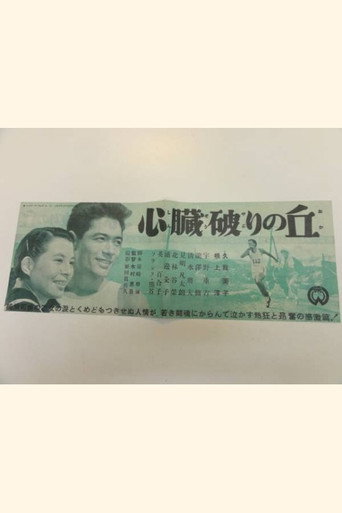 NR
A moving story depicting the spirit of a young marathon runner who set a new world record in Boston, encouraged by the love of his family, a young woman’s prayers, and warm friendship.
Shinzōyaburi no oka
1954
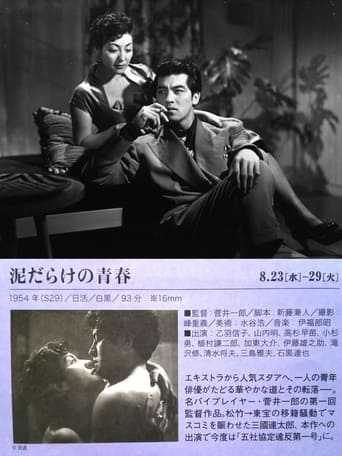 9.0
Shigeki Kachi, Tosuke Satomura, and Nanako, who belong to the theater company Vuanbert around Dosa, withdrew at the indignation of the chairman Hayashi and seeked their own careers in the film industry.
Turbid Youth
1954
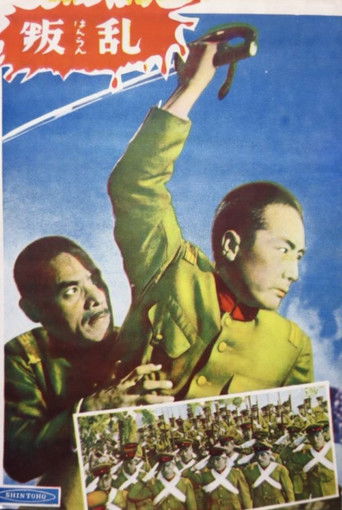 NR
No synopsis available yet.
Hanran
1954
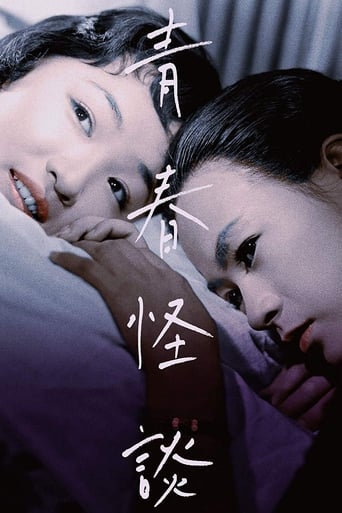 10.0
A melodrama of the ups and downs of youth, based on Bunroku Shishi’s popular novel. Chiharu, a ballerina, and Shinichi, a thorough rationalist and childhood friend. A woman named Tomi Funakoshi appears in front of the two, who are thinking of getting married someday.
Ghost Story of Youth
1955
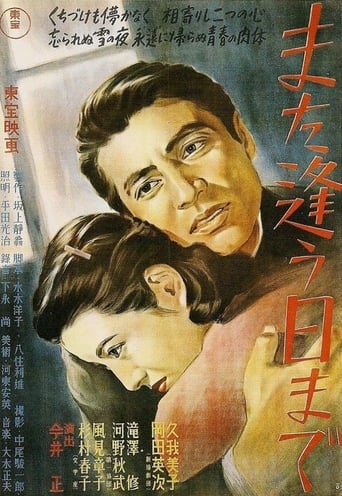 6.7
Saburo and Keiko fall in love with each other but the tide of war separates them.
Till We Meet Again
1950
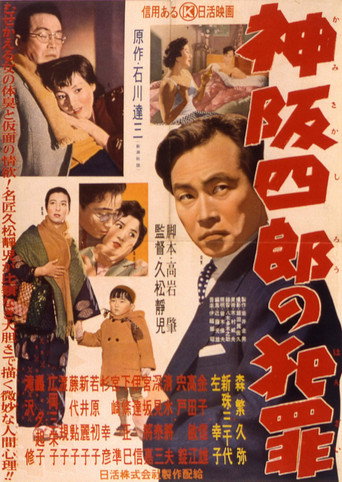 8.0
Chief editor Shiro Kamisaka (Hisaya Morishige) of Sankei Publishing Inc. is being tried for embezzlement and the staging of Chiyo Umehara's suicide. The victim is a woman who's said to have had sexual relations with the defendant. Four intertwined witnesses: a critic, Shiro's employee, a singer, and his wife, are all called to the stand. His destiny now lies in their hands.
Called to the Stand
1956
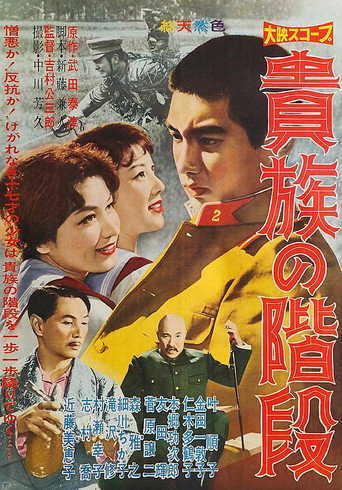 NR
A romantic tale depicting the beautiful and tragic love between a young man and woman from aristocratic families who are caught in the crossfire of the February 26 Incident.
The Aristocrat's Stairs
1959
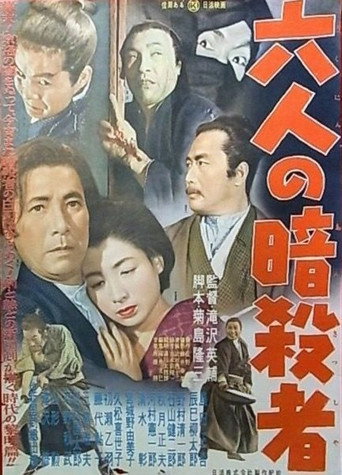 9.0
No synopsis available yet.
Six Assassins
1955
 6.7
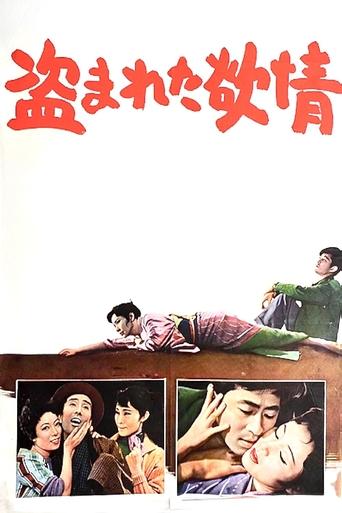
A rambunctious and ribald tale of a troupe of travelling actors who alternate highlights of kabuki theatre with strip shows.
Stolen Desire
1958
The story of a novelist whose wife is confined in a mental hospital. His love for her drives him to write about her, though he runs into trouble when her parents accuse him of cashing in on her misfortune.
How Sorrowful
1956
 7.0
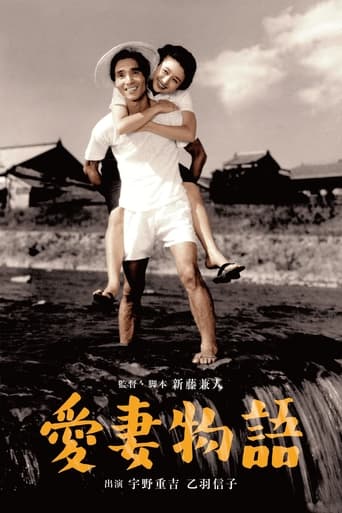
Story of a Beloved Wife is an autobiographical work based on Shindo's first marriage. Jūkichi Uno stars as a struggling screenwriter, and Nobuko Otowa stars as the wife who supports him through his early struggles.
Story of a Beloved Wife
1951
 NR
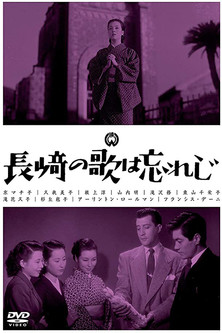
A Japanese soldier who died in a Japanese prisoner-of-war camp in Hawaii entrusted Henry Gray with an unfinished score and promised to complete it.
Eternal Song of Nagasaki
1952
 NR
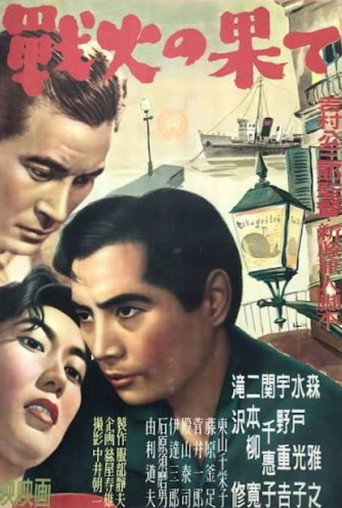
A man driven mad amid the ravages of war, a woman who never found true love, and an innocent young man—all drawn once again to the military port now returned to peace.
The End of the War
1950
1940s · 6 titles
 6.0
In the Meiji period, a schoolteacher tries to hide his lower-class upbringing as he supports a visiting liberal intellectual.
Apostasy
1948
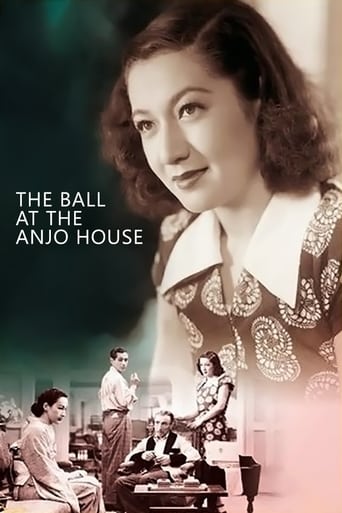 7.0
After Japan's defeat in the war, the Anjo family lose their peerage and wealth. Since their mansion is due to pass into the hands of a creditor, the family holds one last ball before leaving.
The Ball at the Anjo House
1947
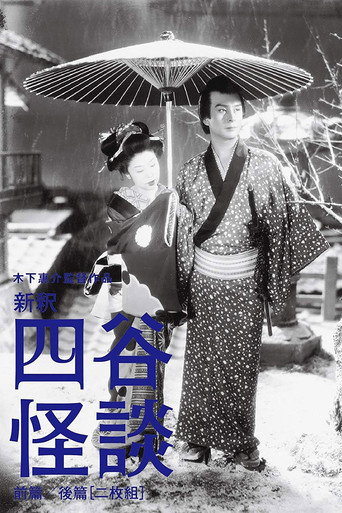 6.6
Iemon Tamiya is an impoverished masterless samurai who craves a better life, which he cannot have because of his marriage to Oiwa, who is completely devoted to her husband.
Yotsuya Ghost Story Part 1
1949
6.6Part 2 starts where the first film ended, with Iemon disposing of the bodies of his wife and Kohei, marrying upward, and being blackmailed by the evil Naosuke.
Yotsuya Ghost Story Part 2
1949
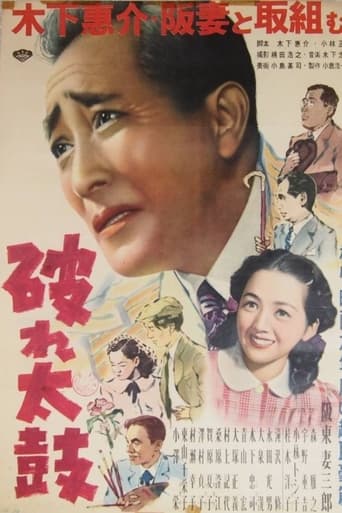 6.7
When the future of his construction company falls into danger, a controlling father pushes his children into unsatisfying marriages and careers in order to regain financial stability.
Broken Drum
1949
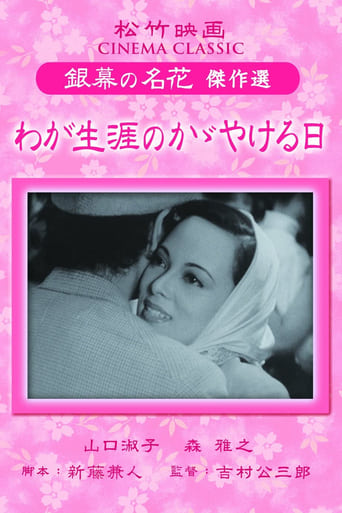 9.0
Life and love in corrupt postwar Tokyo, as a young couple struggles against both the law and the mob.
The Most Beautiful Day of My Life
1948
1930s · 3 titles
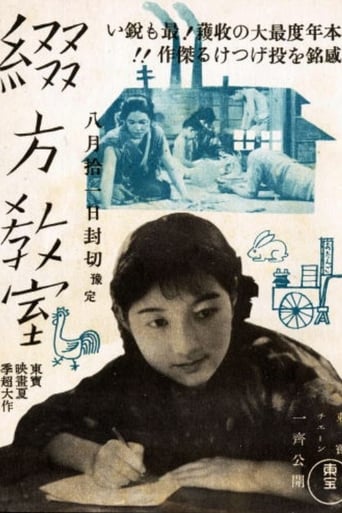 6.8
Masako, the daughter of an impoverished itinerant tinsmith, wins a grammar school composition contest with an essay about her neighborhood. The much publicized essay ends up causing the family problems and their chronic money troubles threaten Masako's further education.
Composition Class
1938
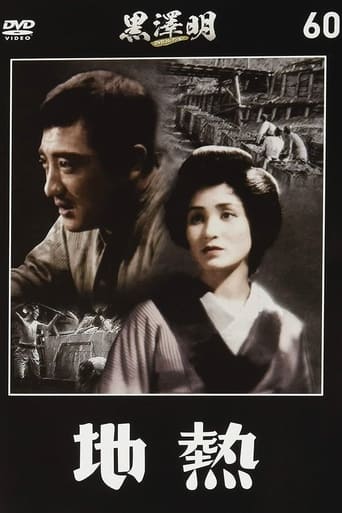 7.0
No synopsis available yet.
Subterranean Heat
1938
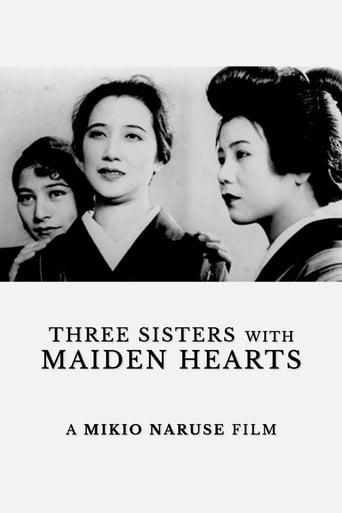 6.6
Three sisters earn money for their bossy mother by being samisen street musicians. This means mainly playing a banjo type instrument for tips in bars...
Three Sisters with Maiden Hearts
1935
Series credits
7.5"Ako Roshi" is a group of 47 former retainers of Lord Asano. Lord Asano was forced to commit suicide after attempting to kill Lord Kira. Once the retainers hear about their Lord's death, they sacrifice their lives to regain the honor of their former master.
Akō Rōshi
1964
7.3The story chronicles the life of Nagao Kagetora.
Heaven and Earth
1969
7.3Set at the end of the 12th century when several wars for control of Japan disrupted a long era of peace, this tale of "Heike" (another name for the Taira clan) focuses on Taira Kiyomori who fights alongside other members of his clan to at first successfully overcome the Minamoto clan and their bid for power. Battles and intrigue abound, as the puppet Emperor and Buddhist monks take sides in the power struggle. At issue is Kiyomori's parentage, not an unusual problem for the nobility in that era where clandestine liaisons among courtiers and the upper classes were common.
Shin Heike Monogatari
1972
 NR
Based on novel 1962 "Kyukei no Koya" by Seicho Matsumoto. A serial murder occurs around the heroine Kumiko because she finds evidence that her father, who should have died, was "alive." Set in 1945, near the end of WW II, Kenichiro Nogami is reported to have died in a Swiss hospital. In fact, he is working behind the scenes to save Japan from destruction. For this cause, Kenichiro Nogami has left behind his wife and nation to work in hiding.
Kyukei no Koya
1978