

Acting
Jorge Ayala Blanco
Born
1942-01-25 (84)
Place of birth
Mexico City, Mexico
Known for
Acting
Credits
9 titles
Jorge Ayala Blanco (Mexico City, 1942) is a mexican film historian and critic, author and dean professor at the National School of Cinematographic Arts (ENAC) of the National Autonomous University of Mexico (UNAM). Although he studied Industrial Chemistry at the National Polytechnic Institute (IPN) and after trying to study film at the UNAM University Center for Cinematographic Studies (CUEC), where he occupied a place as a teacher and not as a student, he leaned towards the field of the essay. With more than fifty years of experience, he is also a professor at theNational School of Cinematographic Arts previously Center for Cinematographic Studies, since 1964 and the Casa Lamm cultural cen…
Known for
 NR
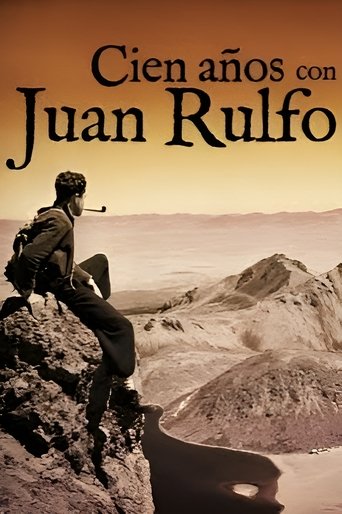
This documentary explores key moments in the life of writer Juan Rulfo, with artists such as Werner Herzog and Eduardo Galeano reflecting on his work.
One Hundred Years with Juan Rulfo
2017
Braham, an introverted young man, rejects the conflictive violence of human beings and remains apart from them, until he falls in love.
Trailer (Humanity, Food Of The Gods)
—
 3.9
Terror, transsexualism, and an eternal cult film. What is on the mind of horror film director Juan López Moctezuma and his fans, Manolo and Lalo, who are not only obsessed with the Mexican horror film 'Alucarda', but also believe in their hearts that they are its true characters? After finding the director in a psychiatric hospital, they kidnap him to make him remember his gloriously twisted past. An unclassifiable documentary film that uses interviews, stock shots and recreations of a past that may only have existed in the nightmares of its protagonists.
Alucardos: Portrait of a Vampire
2011
 7.3
This documentary begins searching for the whereabouts of the films that Servando Gonzalez did about the events of October 2nd 1968 in Tlatelolco, research that later will deal with the fire of March 24th 1982 at the National Film Archives, which destroyed a lot of important part of the footage from Mexico.
Los Rollos Perdidos
2012
 6.5
During 1950, Miguel Contreras Torres led a group of filmmakers to officially denounce William O. Jenkins' monopoly on film theaters, which was built throughout the country upon crime and corruption. Ever since, Uncle Miguel was ridiculed and eventually forgotten, but it is certain that his proclaim announced the separation of Mexican cinema and its audience. Discoveries may be found in the films made by Miguel, and bringing back to life these moving pictures might recover this history that was never told, a story that is almost lost and that Contreras Torres himself tried to pass on through his writings in The Black Book of Mexican Cinema.
The Black Legend of Mexican Cinema
2016
 7.6
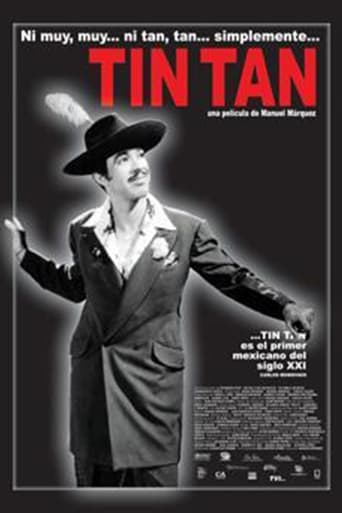
"Ni Muy Muy, Ni Tan Tan, Simplemente, Tin Tan. Tin Tan was one of the greatest comdedian-actors in the history of Mexican Cinema. He began his film career during the early years of what became the Golden Age of Mexican Cinema. Throughout the majority of his movies he plays the character of a pachuco; the Chicano/Mexicano in zoot suit, throwing out the tirili phrases and words, and jammin the jitty-bug. With the style and the slang down to a tee, he was picked up in Cd. Juarez Chihuahua by an acting troupe. Touring extensively through-out Mexico with the troupe landed him in Mexico City with film contracts. It was in those films that Tin Tan exposed the image of the pachuco, which Mexican Youth adopted. From the desert border-towns of Juarez y El Paso the style took off in various parts of the country, most notably in Mexico City
Ni Muy, Muy... ni Tan, Tan... simplemente Tin Tan
2005
Film credits
2010s · 5 titles
NRThis documentary explores key moments in the life of writer Juan Rulfo, with artists such as Werner Herzog and Eduardo Galeano reflecting on his work.
One Hundred Years with Juan Rulfo
2017
3.9Terror, transsexualism, and an eternal cult film. What is on the mind of horror film director Juan López Moctezuma and his fans, Manolo and Lalo, who are not only obsessed with the Mexican horror film 'Alucarda', but also believe in their hearts that they are its true characters? After finding the director in a psychiatric hospital, they kidnap him to make him remember his gloriously twisted past. An unclassifiable documentary film that uses interviews, stock shots and recreations of a past that may only have existed in the nightmares of its protagonists.
Alucardos: Portrait of a Vampire
2011
7.3This documentary begins searching for the whereabouts of the films that Servando Gonzalez did about the events of October 2nd 1968 in Tlatelolco, research that later will deal with the fire of March 24th 1982 at the National Film Archives, which destroyed a lot of important part of the footage from Mexico.
Los Rollos Perdidos
2012
6.5During 1950, Miguel Contreras Torres led a group of filmmakers to officially denounce William O. Jenkins' monopoly on film theaters, which was built throughout the country upon crime and corruption. Ever since, Uncle Miguel was ridiculed and eventually forgotten, but it is certain that his proclaim announced the separation of Mexican cinema and its audience. Discoveries may be found in the films made by Miguel, and bringing back to life these moving pictures might recover this history that was never told, a story that is almost lost and that Contreras Torres himself tried to pass on through his writings in The Black Book of Mexican Cinema.
The Black Legend of Mexican Cinema
2016
 NR
A film essay that explores the relationship between film and memory, based on the personal memoir of the director. An autobiographical attempt to analyze this relationship going from the individual to the collective. From Chris Marker to Hitchcock and on to Kennedy´s assassination, passing through Fritz Lang and Bruce Willis, the memory of the images is fused with our own story, until they cannot be separated.
Time and Memory
2012
2000s · 2 titles
7.6"Ni Muy Muy, Ni Tan Tan, Simplemente, Tin Tan. Tin Tan was one of the greatest comdedian-actors in the history of Mexican Cinema. He began his film career during the early years of what became the Golden Age of Mexican Cinema. Throughout the majority of his movies he plays the character of a pachuco; the Chicano/Mexicano in zoot suit, throwing out the tirili phrases and words, and jammin the jitty-bug. With the style and the slang down to a tee, he was picked up in Cd. Juarez Chihuahua by an acting troupe. Touring extensively through-out Mexico with the troupe landed him in Mexico City with film contracts. It was in those films that Tin Tan exposed the image of the pachuco, which Mexican Youth adopted. From the desert border-towns of Juarez y El Paso the style took off in various parts of the country, most notably in Mexico City
Ni Muy, Muy... ni Tan, Tan... simplemente Tin Tan
2005
 10.0
After years of suffering from a sleep disorder, Asunción turns to a specialist who will help her discover the causes of her insomnia.
Los No Invitados
2003