Acting
Seif Abdelrahman
Born
1942-05-27 (84)
Place of birth
Egypt
Known for
Acting
Credits
63 titles
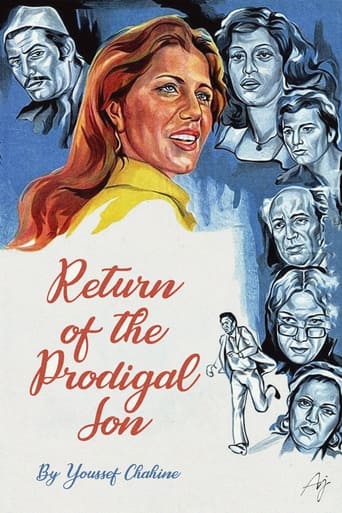
Seif Abdelrahman is an Egyptian actor born on March 17, 1942. He graduated from History Department in the Faculty of Arts. At the beginning of his career, he acted with the National Troupe for Popular Arts. Youssef Chahine discovered Seif during the 1960s and casted him in the film Dawn Of a New Day (1964). Afterwards, he appeared in a number of Chahine's works including The Choice (1971), The Sparrow (1972), Alexandria...Why? (1979), An Egyptian Story (1982), Destiny (1997), and more of his films. Abdelrahman was also in Yousry Nasrallah's Summer Thefts (1988) and Mercedes (1993).
Known for
 NR
NRDr. Layla Sallam, freshly healing from two tumultuous marriages, finds herself drawn to Omar, a complex patient battling mental illness. As their bond deepens—blurring lines between love and healing—Omar's quest for truth challenges Layla to confront her own demons.
Hekayat Beneeshha
2009
 10.0
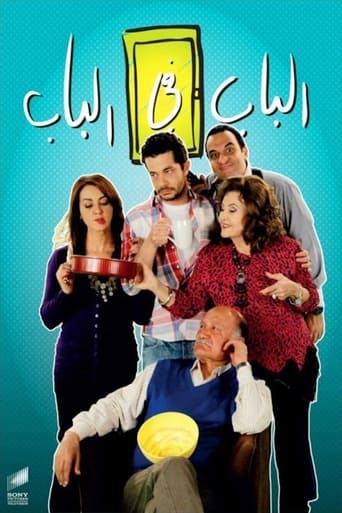
10.0The story revolves around a sports editor named (Hesham), who chooses to marry (Dina) without consulting his mother, who controls his father. Many problems occur when he moves to live near his family, due to his mother's interference in his life and her falling into disputes with his wife.
Door to Door
2011
 7.3
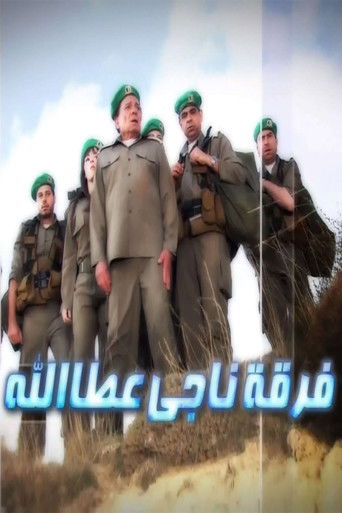
7.3A retired Egyptian officer working at the Egyptian embassy in Tel Aviv decides to plot revenge against Israel for freezing his bank accounts when he objected to its monstrous conduct in Palestine. In Egypt, he recruits five of his former students to rob Israel’s largest bank.
Ferqet Naji Atallah
2012
 NR
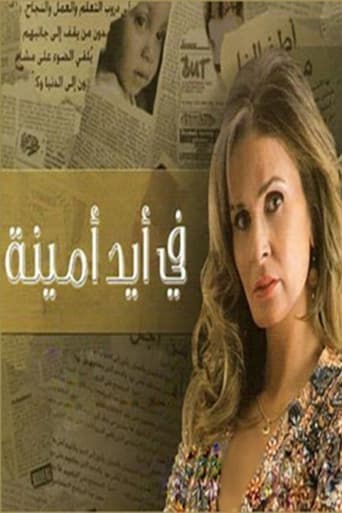
NRThe events revolve around Amina, a journalist who tries to uncover corruption in society, as she discovers a gang that steals children and sells them abroad to those who can't have children.
In Amina's Hands
2008
 NR
NRNo synopsis available yet.
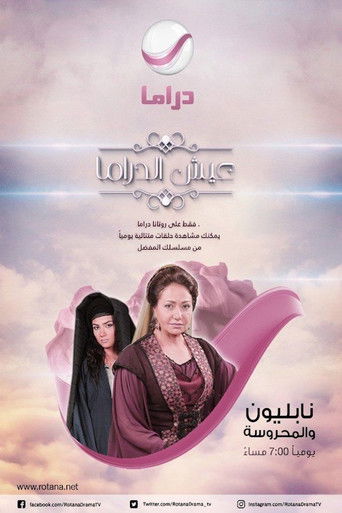
نابليون والمحروسة
2012
The series shows how the leaders of the former regime used thugs in their illegal business, one of those thugs is Hamza, who works as a mechanic as a cover for his dubious activities.
The Thug
2012
Film credits
2000s · 12 titles
 5.6
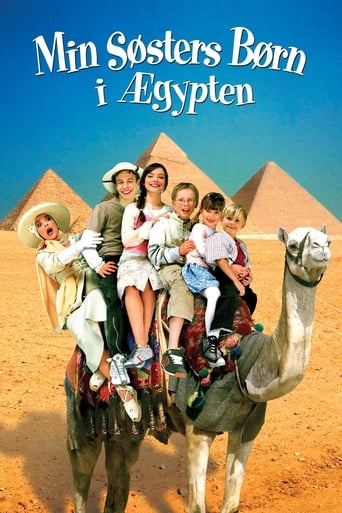
5.6Five young siblings deal with a reluctant chaperone when they wind up stranded on a trip to Egypt.
My Sister's Kids In Egypt
2004
 5.0
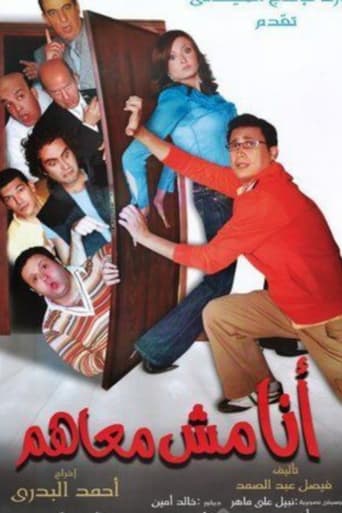
5.0Playboy Amr (Ahmed Eid) studies at the Faculty of Medicine, he lives a careless life between the use of drugs and neglect of study, and then falls in love with fellow religious veiled Farah (Bushra), and tries to woo her by pretending to be religious and then she discovers the truth.
I Am Not With Them
2007
 4.4
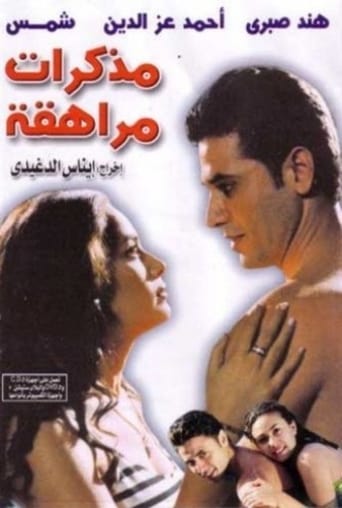
4.4Jamila falls in love with Raouf, a handsome young man and a friend of Nancy at first sight, to the extent that she gives herself to him.
Journals of a Teenager
2002
 5.1
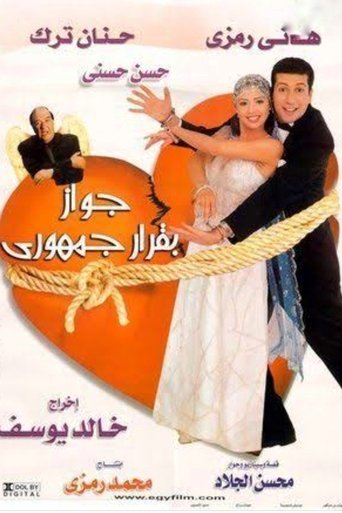
5.1An employee in the Ministry of Foreign Affairs decides to marry a girl of a higher social status. At a moment of recklessness,he sends a wedding invitation to the President, and he responds to the invitation. Preparations are under way to receive the President at the wedding awaited by everyone.
Marriage by Presidential Decree
2001
 7.0
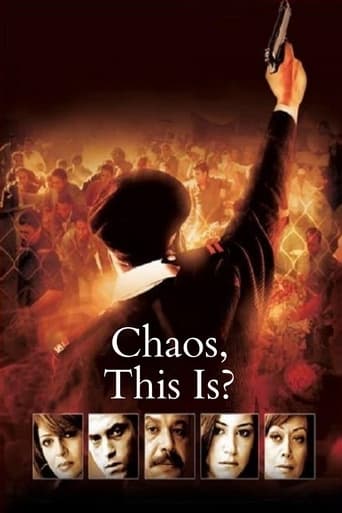
7.0Hatem is a corrupt police officer, who loves his neighbor Nour, who in turn loves the prosecutor, Sherif. Hatem tries to win Nour’s attention even if by force.
Chaos, This Is?
2007
 6.0
6.0Two youths fall in love. However, their relationship is not without problems which are typical of relationships today.
Uncensored
2009
 6.7
6.7Ever wonder what it was like to be in the middle east during the Gulf War of the early 90s? Sure, many films and TV shows have portrayed what it was like for the UN forces. This film takes you into the melee from the perspective of Egyptians -- who were sharply divided about the war -- and their daily lives, which, as one sees, form the basis of their foundation for understanding/approaching the war. And it really is these "every day" realities that make up the bulk of the film.
The Storm
2001
 1.0
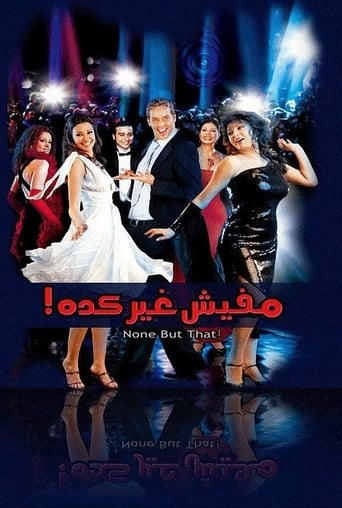
1.0"Nahed" (Nabila Ebeid) as the Greedy Mother fight over "Dina" (Arwa) the innocent talent who falls in love with "Nader" (Khaled Abol Naga) as a Music Talent Hunter & Famous icon/Director & shatters her Family apart when she becomes a big success.
None But That!
2007
 5.0
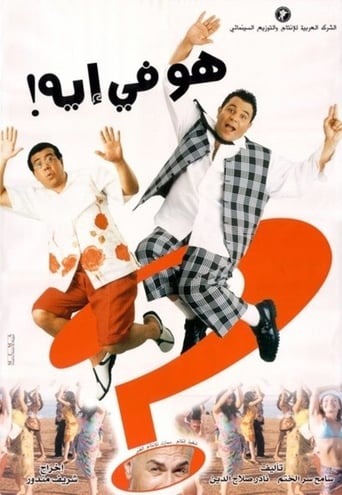
5.0Two Friends decide to get married in the same night, after being subjected to a big family decision to their marriage of two girls from a hostile family to finish the seas of blood resulting from revenge between two families.
What's Going on?
2002
 NR
NRWhen Surgeon Hamza commits a mistake that leads to the death of a child, he's sentenced to jail and prevented from practicing his profession. The widow Rawia enters his isolated life after meeting her in an auction and then he meets three young teenagers who find refuge in him.
High School Freshmen
2001
 5.8
5.8In this intriguing and entertaining thriller, Khalid Youssef tells the story of a young, rich man (Hani Salama) who kills his wife and his brother when he finds them in bed together. After he evades prosecution we start to wonder whether the killings were really spontaneous or if perhaps he had plotted everything in advance to get rid of both of them. Told from shifting perspectives in the style of Akira Kurosawa's Rashomon, including those of the hero, his mistress and a police detective investigating the case, the film moves around the murders cleverly, in a manner as unconventional and exciting as the story itself. Very convincing characters are involved in a game that requires a hefty dose of imagination from the audience. The film contains violence.
Justified Betrayal
2006
Youssef, a man of middle-class roots, lives in a not-so-fancy part of town. Youssef is passionate about acting and succeeds in becoming a well-known cinema figure. On a visit to his family, he bumps into a former love and thus relives a few sweet and nostalgic memories.
The Day We Met
2009
1990s · 20 titles
 5.8
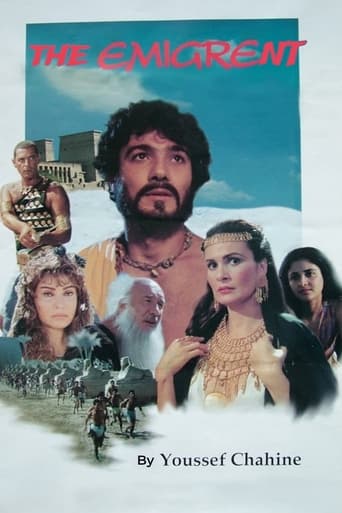
5.8The biblical tale of Joseph is told from an Egyptian perspective in this interesting character study. In this film, Joseph is called Ram. Ram, tired of his family's backward superstitious life, and tired of being picked on by his brothers, wants to go to Egypt to study agriculture. His brothers travel with him across Sinai, but then suddenly sell him to Ozir, an Egyptian who works for a Theban military leader, Amihar. Amihar is impressed by Ram's drive and personal charm and so grants Ram some desolate land outside the capital. Ram soon finds himself a pawn in the political and sexual games between Amihar and his wife Simihit, a high priestess of the Cult of Amun.
The Emigrant
1994
 6.8
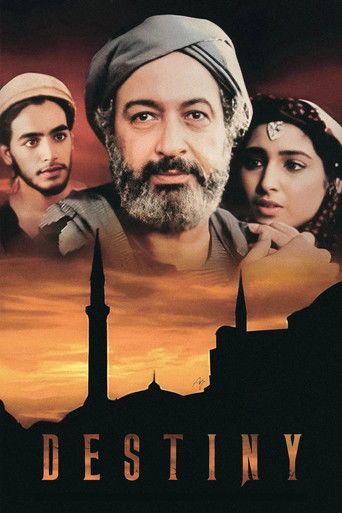
6.8In the 12th century's Andalusia lives Ibn Rushd a prominent Islamic philosopher with his wife Zeinab and daughter Salma. The principality is ruled by Khalifa ElMansour who has two sons, ElNasser, an intellectual that likes Ibn Rush and is in love with his daughter Salma. The younger son Abdallah is more into dancing and poetry, spending most of his times with the gypsy family and getting the daughter pregnant. The Khalifa is depending on the extremists to build his army granting them more power which they use to combat artists and philosophers. The extremists succeed in recruiting Abd Allah and train him to kill his father. Events go on where Marawan, the gypsy singer, is killed and Ibn Rushd's books are burnt. Adapted from the real life of Ibn Rushd AlMasir is Chahine's statement against extremism.
Destiny
1997
 7.4
7.4Ali, an aspiring actor, works in a government-aided butchery and takes part in a cheap play. Defying his father's wishes, he moves to Paris to fulfill his dreams and starts living illegally alongside many other Arabs. Ali has a life-changing experience there that he won't fully remember until he returns to Egypt.
The City
1999
 6.8
6.8Set in a mythical small Upper-Egyptian village where people live off planting dates and making of Date Wine, a stranger arrives and calls on people to travel to the abroad for job opportunities, all of the village's grown-up men leave, except for the disabled grandfather and his grandson Ahmed, upon which trouble begins to spread in the village in the absence of men along with his lover Salma. Exploring themes of Rebellion, Desire, Masculinity, Patriarchy, Spirituality and the Ancient Egyptian Mystique.
Date Wine
1999
 4.8
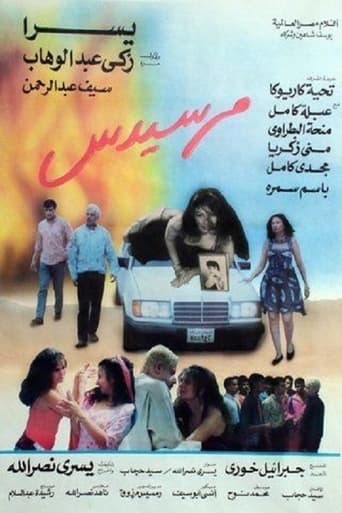
4.8Nubi, a wealthy man with Communist ties, sets out to find his half-brother Gamal, who has been disowned for being gay, to let him inherit his father's fortune. In the process, Nubi is supposed to kill Gamal's stepmother Raifa, a suspected drug dealer, before she can kill his half-brother.
Mercedes
1993
 7.0
7.0King Farouk finds himself enraged to carry out the British orders to appoint Mustafa El-Nahas as head of the ministry. During his journey to Qassas, he gets injured in a collision. He learns about the doctor Yusuf Rashad and his wife Noha. He admires women and follows her to work in the palace as a writer. , Especially after the husband is commissioned to form the Iron Guard, through which is discovered both the officer Istahter Mustafa Kemal and officer Anwar Sadat. Noha is separated from her husband and expelled by the king. She becomes a mistress for Mustafa Kemal. Calling for standing against the king, and working to form a secret cell with the Free Officers who help them to save the revolution from the dangers.
A Woman Shook the Throne of Egypt
1995
 5.6
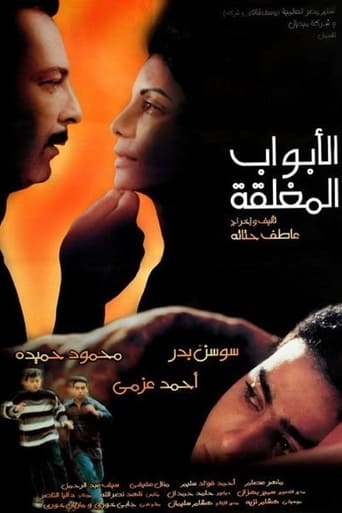
5.6During the Gulf War, Fatma works as a maid for a wealthy man, and her son Mohammed is suffering from oppression by his teacher Mansour, who's having an affair with Fatima, taking advantage of her difficult circumstances. Mohammad gets drawn to extremist religious world led by Sheikh Khalid.
Closed Doors
1999
 NR
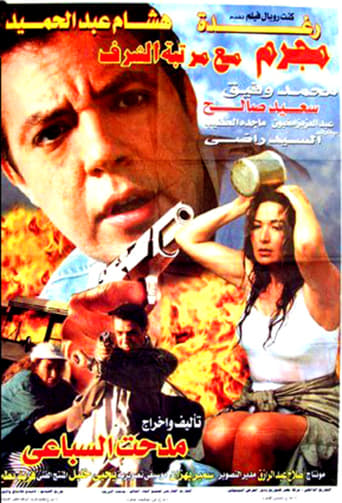
NRFouad is caught, imprisoned, and when he comes out of prison decides to life with honor, and refuses the temptation of Mansour to return to robbery. Fouad is unfairly accused of stealing a bank, but the police chase him, he escapes with the real culprit and discovers that she is a thief who steals for her daughter's treatment
Honorable mention criminal
1998
 9.0
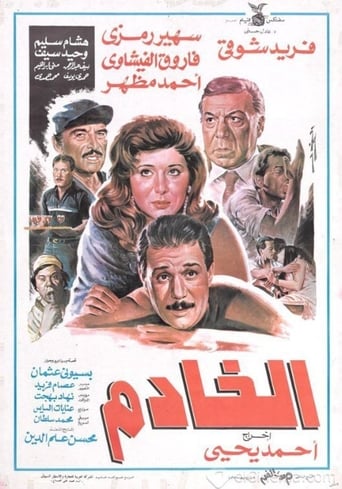
9.0Shaheen falsely imprisons Kamel and exploits his son Mahmoud as a servant.
The servant
1990
 NR
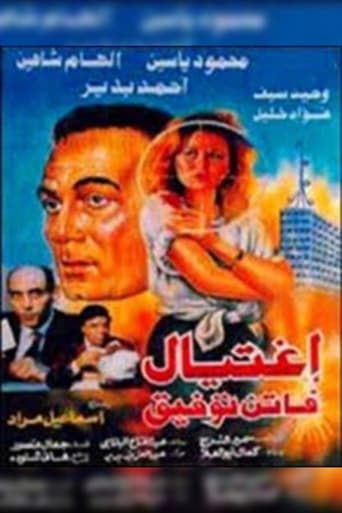
NRFaten Tawfiq TV presenter. Her husband, the businessman, is killed by the instructions of some corrupt officials in the field of importation. Faten seeks to uncover these corrupt people, coincidentally meets Ali Hawara, an archive officer at an open-minded company, with documents in his hand condemning these bad guys. Faten filmed a ring with an official and faced with these documents. The video and documents suddenly disappear. Faten and Ali get the video and documents again. The bandits chase them to prevent Faten from reaching the television building for the radio station and is assassinated.
The Assassination of Faten Tawfik
1995
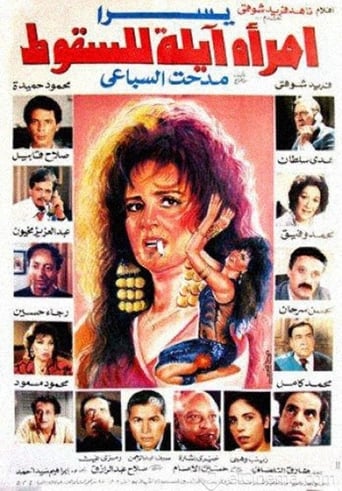 NR
NRA hooker decides to repent after she gets married and gives birth, but when she discovers that her husband is an addict, she convinces two of her friends to steal some jewelry, but things do not go well after the apartment owner and her child were killed during the robbery. Making her accused of a crime she didn't commit.
Dilapidated Woman
1992
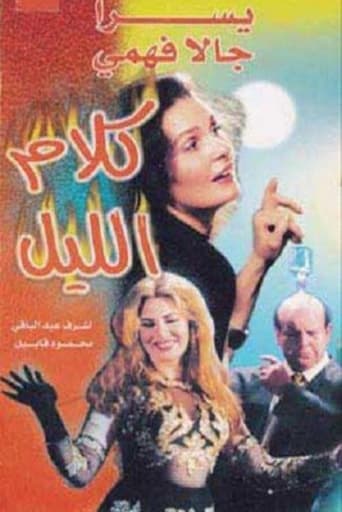 NR
NRA police detective investigates an apartment in which suspicious businesses are taking place, so he disguises himself to work there and succeeds in identifying both those who frequent the apartment and those who run it.
Night Chat
1999
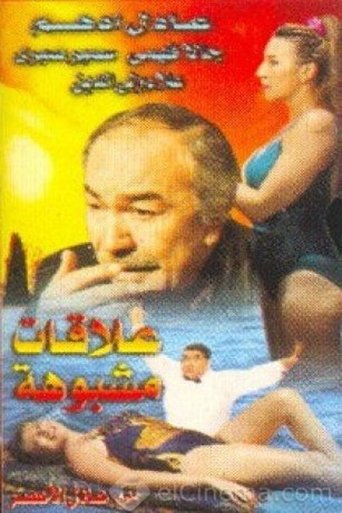 NR
NRMusa leads an arms-dealing gang, and Rashad defects from the gang to work alone. However, Musa watches his steps to destroy him, so he records a videotape in which he confesses to the details of the arms deals that Musa is making. Rashad's wife, Wafaa, suffers from her husband's ambiguity and nervousness, and meets Salah the singer in a nightclub, and they fall in love.
Suspicious Connections
1996
 9.0
9.0Azoz, an employee at the Opera House accompanies a violinist who has just arrived from tours abroad in her errands in the city. He eventually gets influenced by her and starts listening to classical music, and simultaneously gets bored with his life and wife.
Concerto in Darb Saada
1998
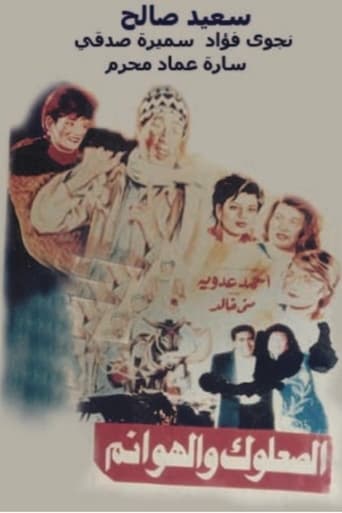 NR
NRSusie owns a company for the production of perfumes and produces a kind of it mixed with drugs in order to achieve greater wealth. She seeks to find distributors for the new variety, provided that it is not subject to suspicion.
The vagabond and the ladies
1991
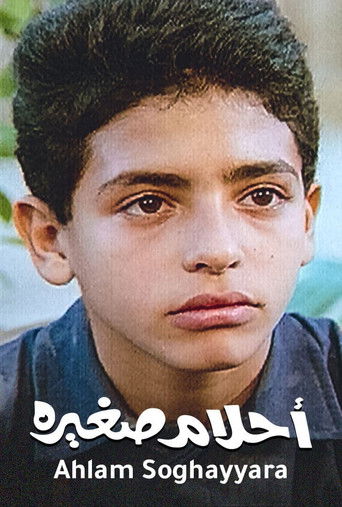 9.0
9.0Gharib recalls his life’s journey, which intersects with what the city of Suez experienced over two centuries through the Triple aggression and the Defeat of 1967. Gharib meets Mahmoud, who had been with his father in the people's resistance and they work together in resistance activities.
Little Dreams
1993
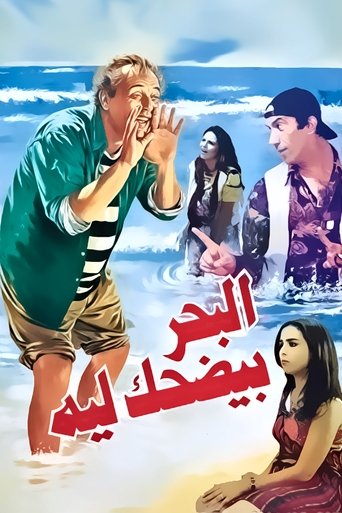 6.5
6.5Hussein is in a state of extreme depression because of the boring routine of work and the pressures of life he faces as an employee, husband and brother, decides to escape from the reality of his work and his family, go out to the street without a goal to know the master who provides a place to stay, and while roaming recognize Naima One of the teams roams the streets and falls in love with her.
Why Does the Sea Laugh
1995
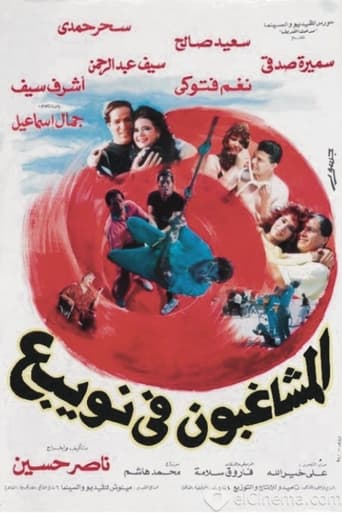 NR
NRThe story revolves around the three friends (Abdullah, Sami, Ibrahim), who are recruited into one military unit, and after their term of service ends, they return to their homes in (Cairo), on the way they meet three beautiful girls (Karima, Wafaa, Amal) coming from ( Nuweiba, they convince the three young men to work with them in (Nuiba), where the job opportunities are available, and with great wages, the three young men travel to (Nuiba) so as not to be exposed to the risks of unemployment.
Almshaghebon Fe Noabae
1992
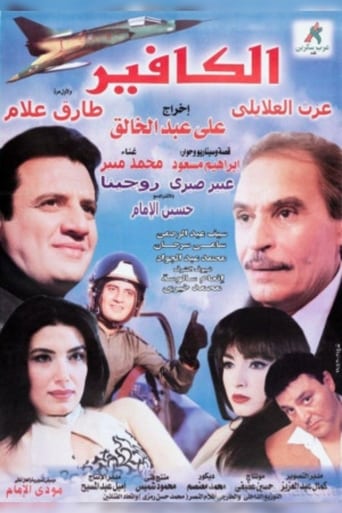 NR
NRThe Egyptian intelligence service uses the Egyptian young man Akram, who is renowned for his genius in the field of aeronautical engineering. In order to study and know the secrets of the "Al Kafir" plane, the intelligence officer, General Yehya Iham Akram, is trying to go to France to repair the Concorde. Akram convince them at the airport that he arrived from Rome wrong but that the Israeli intelligence prepares him easy prey and recruit him after being brutally tortured, and his coach Margo, who is in love with him, and turns Margo on her device and decide to secede, and trial, is handed over to others, and Akram Aflat of Mossad men , And hijack the plane Alkafir and then destroy it and jump Parachute to be picked up by the Egyptian intelligence.
El-Kafeer
1999
 NR
NRWhile the great businessman Noman El-Prince is at sea on a yacht outing, he hits a fisherman's boat and kills both the fisherman and his son. Prosecutor Hamdi handles the investigation, and some fishermen testify against Noman, who is imprisoned pending the case. But his lawyer succeeds in proving his innocence by fabricating defense witnesses. He incites one of his aides to kill Hamdi.
three on a bloodbath
1994
1980s · 9 titles
 4.8
4.8Set in 1987 against the backdrop of a hunger strike by the Egyptian film industry, Chahine himself steps in to play Yehia, the famed Egyptian director whose life is chronicled in "Alexandria, Why?" and "An Egyptian Story". Obsessed with Amr, the handsome actor he discovered and cast as his alter-ego in parts one and two of The Alexandria Trilogy, Yehia pressures Amr to star in various film projects that change even as Yehia's perception of the young actor begins to change. He first casts Amr as Hamlet, which the actor deems too demanding for his talents, then as the lead in a musical biopic of demigod Alexander the Great, who founded the city of Alexandria in 332 B.C.
Alexandria Again and Forever
1989
 6.5
6.5After we last see him in "Alexandria, Why?" Egyptian filmmaker Yehia Mourad is in his thirties, and successful in his work, he has grown distant from his wife and children and suffers a symbolic blockage of the heart while shooting the final scenes of his latest film. After being flown to England for evaluation, it's determined that Yehia must undergo emergency surgery. Fact and fiction blend seamlessly—with healthy doses of cleverly absurdist fantasy—as the film explores the various personalities and forces that have made Yehia (and Youssef Chahine) the man he has become.
An Egyptian Story
1982
 5.9
5.9This big-budget historical epic from acclaimed Egyptian director Youssef Chahine features a crazed turn by Patrice Chereau as Napoleon Bonaparte. The film, an Egyptian-French co-production, deals with Napoleon's occupation of Alexandria and its effect on a typical Egyptian family. Michel Piccoli leads the cast as a general in Napoleon's army who tentatively befriends a local poet and falls in love with two young Egyptian brothers, reflecting complex themes of colonial desire, affection, and personal connection.
Adieu Bonaparte
1985
 4.5
4.5After Hassan and Hala split up, each moves on with their life as Hala marries a corrupt elderly businessman and Hassan loses his wife in a diving accident. Hala and Hassan reunite after many years apart in a dangerous situation that reignites their love story.
Hell Below Water
1989
 NR
NRSina' learns of the numerous affairs her husband Shakir has had with other women. At this time, she gets to know Hashem, and they become increasingly close. Hashem learns of the dysfunctions within Sina’’s family and tries to take advantage of this for his own interests, specially after meeting Arfan, the husband of Sina’s sister. Arfan uses Sina’s sister’s money for his own projects, and tries to pressure his daughter Hoda into marrying a rich Arab man.
House of the Poisoned Family
1986
 5.4
5.4Egypt, 1947: in the midst of a cholera outbreak. A washerwoman tries to take care of her family, while at the same time resisting the advances of a charming suitor who's half her age.
The Sixth Day
1986
 8.8
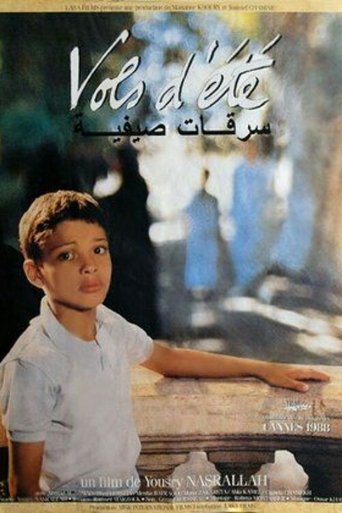
8.8Set in the summer of 1961 during President Nasser's land reforms, this is a story of the childhood friendship between Yasser, the son of a bourgeois landowner, and Leil, the son of an Egyptian peasant. When turbulent times tear Yasser's family apart, the boys team up for a money-making scheme that results in misadventures.
Summer Thefts
1988
 NR
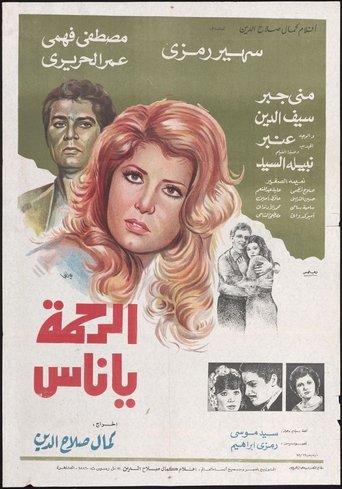
NRThe story of four friends after their graduation as they start their careers, including Ahmed who leaves Laila behind when he travels to get his PhD despite her objections. A furious Laila tries to get Hamdy to marry her as revenge despite the age difference between them.
Have Mercy People
1981
 NR
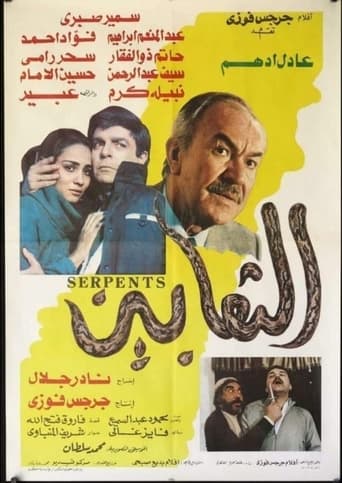
NRShedid, a contractor who owns a large company in Alexandria where his brother works, discovers during digging at one of the sites a Pharaonic cemetery. He tries to keep the contents of the cemetery for himself to smuggle it abroad and everyone starts betraying one another out of greed.
The Snakes
1986
1970s · 7 titles
 6.5
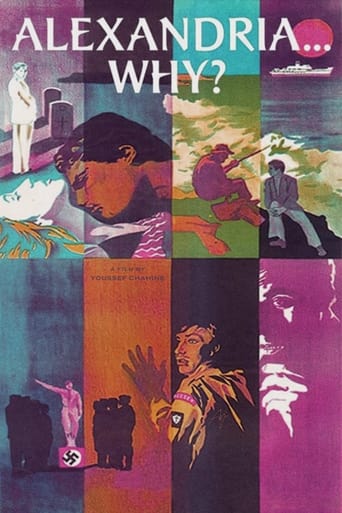
6.5Amid the poverty, death, and suffering caused by World War II, 18-year-old Yehia retreats into a private world of fantasy and longing. Obsessed with Hollywood, he dreams of studying filmmaking in America but struggles to pursue his dream, given the constraints of his life in the middle class and the horrors of war.
Alexandria… Why?
1979
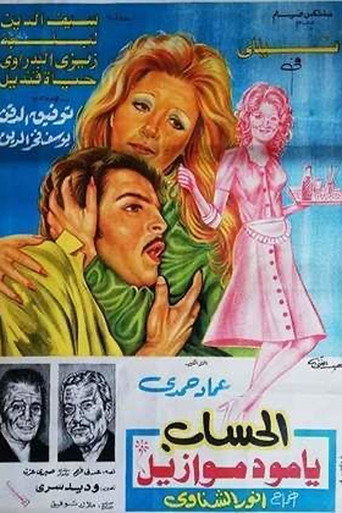 NR
NRThree young women working at a cafe struggle with difficult relationships, betrayal, and loss as they navigate their lives after graduation.
El hesab ya mademosile
1978
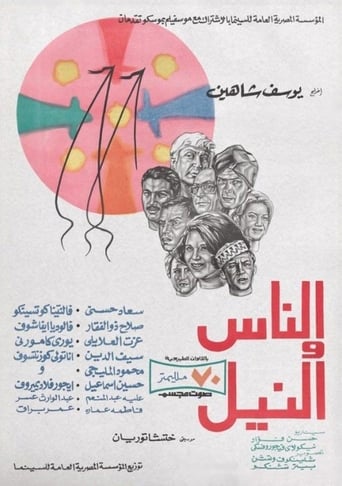 4.0
4.0The construction of the Aswan dam as seen by those who took part in it: engineers, workers, Egyptians, and Soviets.
The People and the Nile
1972
 7.4
7.4When a free-spirited sailor is found murdered, his twin brother, a famous novelist, is the prime suspect. Investigators uncover a possible liaison between the dead sailor and the writer's wife, and also learn that Sayed's successful fictions owed much to the inspiration of his brother Mahmoud's adventurous life. Just as the evidence against the writer seems overwhelming, Mahmoud turns up alive. But why are the twins never seen together...?
The Choice
1971
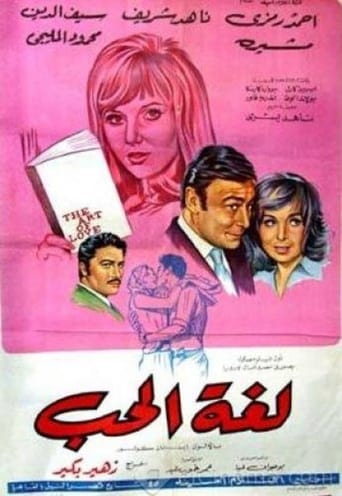 4.0
4.0An Egyptian man falls in love with a Polish woman and gets a scholarship to be with her. Meanwhile, an American student decides to seduce him for revenge.
Language of Love
1974
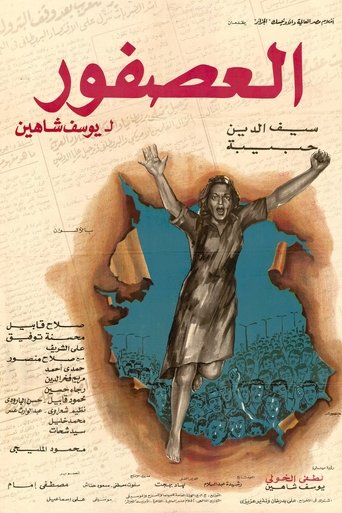 6.9
6.9Set shortly before and during the Six Day War in June of 1967, The Sparrow follows a young police officer stationed in a small village in Upper Egypt whose inhabitants suffer from the harassment of a corrupt businessman.
The Sparrow
1972
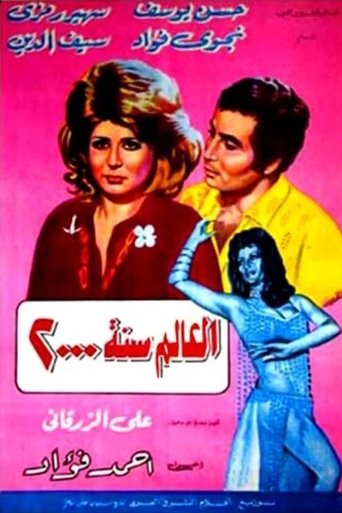 NR
NRUnable to afford the dowry of his wealthy sweetheart, a young man is devastated when his beloved's father forces her to marry another, leaving him to convince his scientist brother to use his knowledge to shrink him. As he becomes pint-sized, he turns the life of his beloved's husband into hell.
The World in 2000
1972
1960s · 4 titles
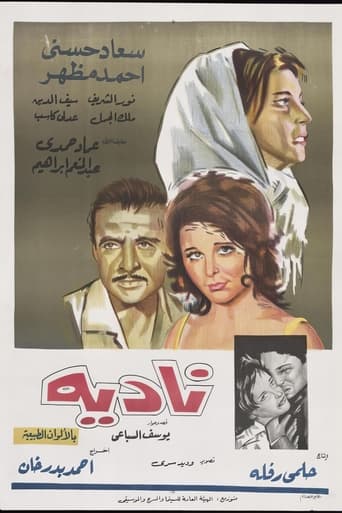 6.0
6.0The twins (Nadia and Mona) live in peace in Cairo with their father, a university professor, and their French mother. While Nadia is shy, Mona is bold and free. Nadia is exposed to a fire accident, and the father dies, so the family is forced to travel to France, where Mona also dies, but after... Nadia writes to Dr. Medhat with a picture of Mona, and he is about to come to France to see her, so Nadia falls into trouble for fear of discovering her true nature.
Nadia
1969
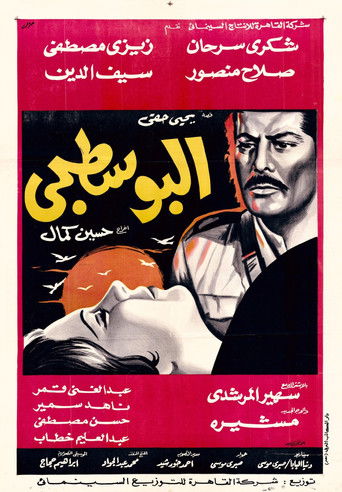 6.7
6.7Abbas, a resident of Cairo, is appointed by the government to hold the office of supervisor in a post office in a small village in Upper Egypt.
The Postman
1968
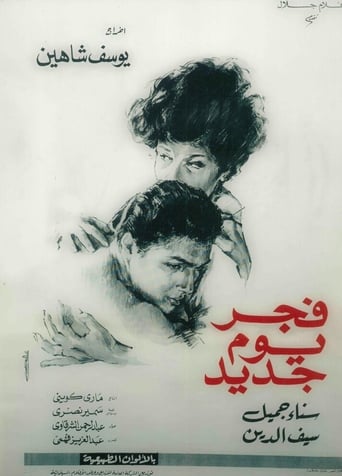 7.8
7.8The story of a 40-year-old married woman who has fallen into idleness and does not know how to approach the revolutionary events in her country. She finds a new meaning in life when she falls in love with an aspiring young student. “I shot FAGR YOM GUEDID in 1964. I count it among my best films and still stand by it completely. It is about the class whose assets were nationalized after the 1952 revolution. I explored the question of whether this class still had a place in Egyptian society.”
Dawn of a New Day
1964
 5.5
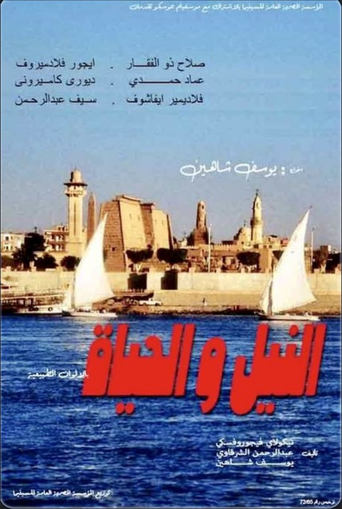
5.5Renegotiating the representational paradigm of nationhood the film draws a heterogeneous picture of Egyptian society as well as Soviet workers as they embarked on the momentous dam enterprise. The films presents a vision of a nation deep rooted in unity as well as diversity. The films projection of a renewed imagining of the nation inadvertently acknowledges a new and nuanced understanding of its goals, political objectives, and how these impact the personal within it. (KHOURI)
The Nile and the Life
1968

Series credits
NRDr. Layla Sallam, freshly healing from two tumultuous marriages, finds herself drawn to Omar, a complex patient battling mental illness. As their bond deepens—blurring lines between love and healing—Omar's quest for truth challenges Layla to confront her own demons.
Hekayat Beneeshha
2009
10.0The story revolves around a sports editor named (Hesham), who chooses to marry (Dina) without consulting his mother, who controls his father. Many problems occur when he moves to live near his family, due to his mother's interference in his life and her falling into disputes with his wife.
Door to Door
2011
7.3A retired Egyptian officer working at the Egyptian embassy in Tel Aviv decides to plot revenge against Israel for freezing his bank accounts when he objected to its monstrous conduct in Palestine. In Egypt, he recruits five of his former students to rob Israel’s largest bank.
Ferqet Naji Atallah
2012
NRThe events revolve around Amina, a journalist who tries to uncover corruption in society, as she discovers a gang that steals children and sells them abroad to those who can't have children.
In Amina's Hands
2008
NRNo synopsis available yet.
نابليون والمحروسة
2012
The series shows how the leaders of the former regime used thugs in their illegal business, one of those thugs is Hamza, who works as a mechanic as a cover for his dubious activities.
The Thug
2012
 NR
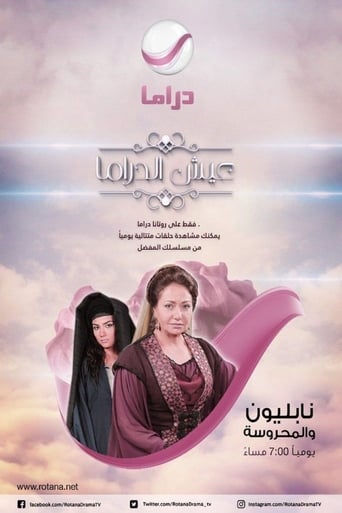
NRA portrait of the social and political aspects of Egypt during the late 18th-century French campaign, and the most important events that ensued, from Battle of Shubra Khit between Napoleon and the Mamluk leader, Murad Bey, and through the first and second Revolt of Cairo, till the defeat and exit of the campaign.
Napoleon And Al Mahrousa
2012
 NR
NRMunira falls in love with Sayed who works as a driver for her family. Her family forces her to marry someone else, and Sayed marries his cousin, Amina, who gives him money and he becomes a businessman. He divorces Amina and meets a woman whose family can help him with his projects.
Years of Misery and Love
1998
 NR
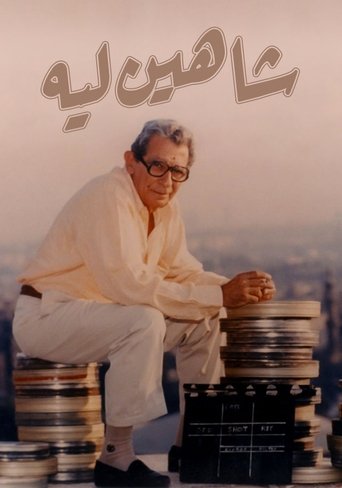
NRThe documentary series (Shaheen... Why?) takes a look at all the musical performances in Youssef Chaheen's films, from his first film to his last, through 6 parts that make up this series. يلقي المسلسل الوثائقي (شاهين.. ليه؟) نظرة على جميع العروض الغنائية في أفلام يوسف شاهين، من أول فيلم له وحتى آخر فيلم من خلال 6 أجزاء هي قوام هذا المسلسل
Shaheen... Why?
—