
Directing
Wang Ping
Born — Died
1916-08-31 — 1990-12-01
Place of birth
Nanjing, Jiangsu province, China
Known for
Directing
Credits
16 titles
Ping Wang is a Chinese film director and actress. She is considered to be the first female director in the People's Republic of China. Leftist womens' liberation became a major influence early in her life and she was a long time supporter of the communist revolution. Her work was financially supported by the state, which provided her with significant access to filmic resources, allowing her to learn the techniques of filmmaking through practice and experiment with film form. She became a respected and influential director. Because gender equality was a significant part of the Communist Party’s plan for economic reform, the following two decades would see a rise in the number of female dir…
Known for
 5.0
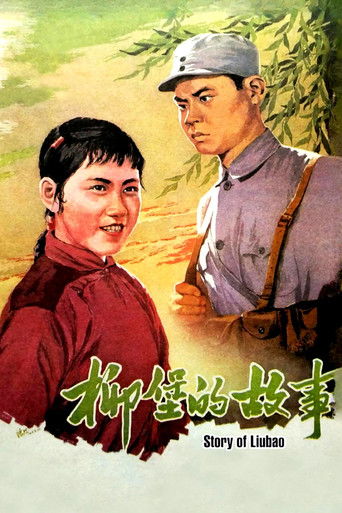
5.0Lin Jin, a solider of the New Fourth Army, stayed in Liubao village with his Army. During Lin Jin's stay, he fell in love with a local girl, Ermeizi. However, he had to leave Liubao with his troops for several years. Lin Jin and Ermeizi lost contact during the war after Lin Jin had left Liubao. Years later, Jin returns to Liubao where he finds Ermeizi again.
The Story of Liubao
1957
 6.7
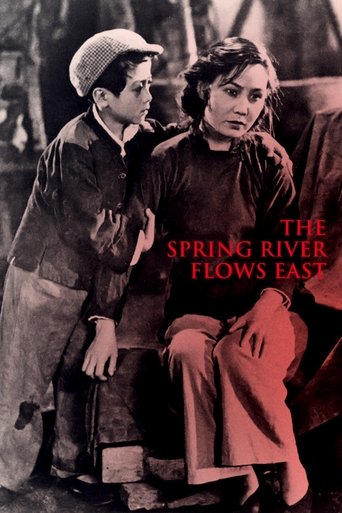
6.71930's China. The village of a poor family is taken over by the occupying Japanese army. One son, Zhongliang, leaves his wife and young son to join a medic group for the Chinese Army. The other son, Zhangmin goes into hiding to protect his family. The focus shifts back and forth from the brothers' parents and Zhongliang's wife and son to Zhongliang's newfound life of luxury in a town not too far away. The plight of Zhongliang's mother, his wife, Sufan and her son, Kongeson is contrasted with Zhongliang's rise in a flourishing company.
The Spring River Flows East
1947
 NR
NRThe work consists of 6 large-scale dances, 4 sing and dance performances and a chorus. The music and dance epic also gathers colorful dances of China's nations.
Song of the chinese revolution
1986
 6.3
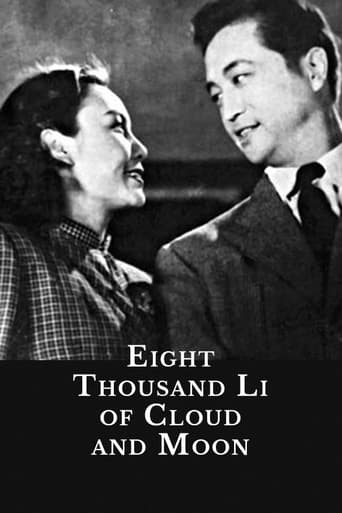
6.3A college girl and a musician go to the front of the anti-Japanese war and fall in love.
Eight Thousand Li of Cloud and Moon
1947
 5.0
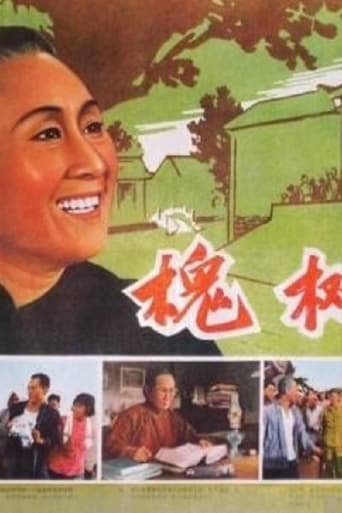
5.0The story of a village amidst the winds of change, with Aunt Guo a female member of the Communist Party as the center. This multi-level display of Chinese farmers of different thinking style and perplexing relationships, reflects some of the major changes in China's rural areas from land reform to the people's commune being established in this historical stage.
Locust Tree Village
1962
 NR
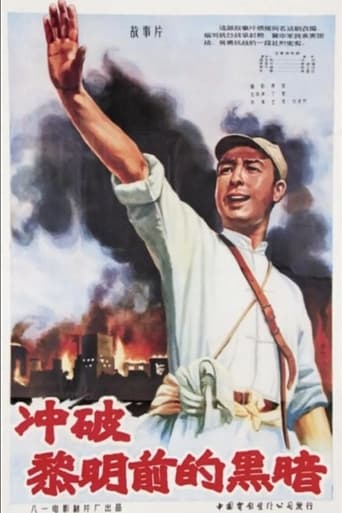
NRAbout May 1942, the Japanese elite mobilized thousands of troops to bases in central Hebei. A platoon of army troops were ordered to cover the transfer, the platoon leader was seriously injured. Yan Zhigang Li met his aunt and was saved. He led the soldiers with Qingsha Zhang, to fight the enemy , remove and destroy the enemy's guard towers and to break their cruelty.
Breaking Through the Darkness
1956
Film credits
1940s · 4 titles
6.71930's China. The village of a poor family is taken over by the occupying Japanese army. One son, Zhongliang, leaves his wife and young son to join a medic group for the Chinese Army. The other son, Zhangmin goes into hiding to protect his family. The focus shifts back and forth from the brothers' parents and Zhongliang's wife and son to Zhongliang's newfound life of luxury in a town not too far away. The plight of Zhongliang's mother, his wife, Sufan and her son, Kongeson is contrasted with Zhongliang's rise in a flourishing company.
The Spring River Flows East
1947
6.3A college girl and a musician go to the front of the anti-Japanese war and fall in love.
Eight Thousand Li of Cloud and Moon
1947
6.3A college girl and a musician go to the front of the anti-Japanese war and fall in love.
Eight Thousand Li of Cloud and Moon
1947
 6.4
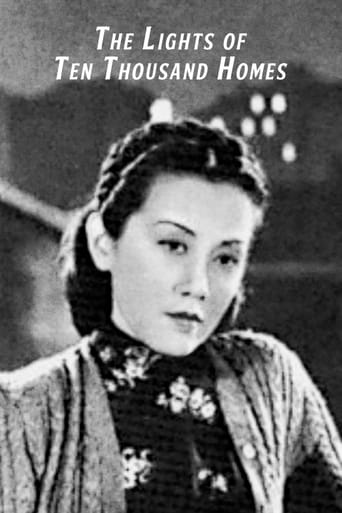
6.4This tale of familial warfare and sacrifice takes place in hard-pressed Shanghai at the end of the 1940s. Hu Zhiqing can barely support his wife and children, and his situation is worsened by the unexpected arrival of his mother, brother and sister-in-law. When he is fired by his unscrupulous boss, the whole family becomes embroiled in one emotional/economic struggle after another.
The Lights of Ten Thousand Homes
1948
Behind the camera
5.0Lin Jin, a solider of the New Fourth Army, stayed in Liubao village with his Army. During Lin Jin's stay, he fell in love with a local girl, Ermeizi. However, he had to leave Liubao with his troops for several years. Lin Jin and Ermeizi lost contact during the war after Lin Jin had left Liubao. Years later, Jin returns to Liubao where he finds Ermeizi again.
The Story of Liubao
1957
NRThe work consists of 6 large-scale dances, 4 sing and dance performances and a chorus. The music and dance epic also gathers colorful dances of China's nations.
Song of the chinese revolution
1986
5.0The story of a village amidst the winds of change, with Aunt Guo a female member of the Communist Party as the center. This multi-level display of Chinese farmers of different thinking style and perplexing relationships, reflects some of the major changes in China's rural areas from land reform to the people's commune being established in this historical stage.
Locust Tree Village
1962
NRAbout May 1942, the Japanese elite mobilized thousands of troops to bases in central Hebei. A platoon of army troops were ordered to cover the transfer, the platoon leader was seriously injured. Yan Zhigang Li met his aunt and was saved. He led the soldiers with Qingsha Zhang, to fight the enemy , remove and destroy the enemy's guard towers and to break their cruelty.
Breaking Through the Darkness
1956
 8.5
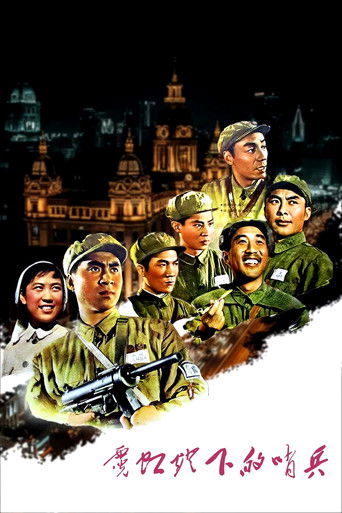
8.5Soldiers act as sentinels in the city center after the liberation of Shanghai and they are facing all kinds of temptations.
Sentinel Under the Neon Lights
1964
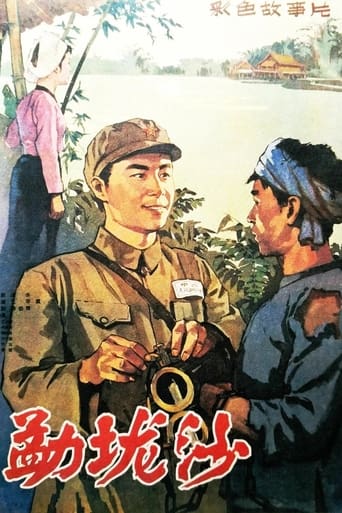 NR
NRBased on the novel "In Faraway Mynlunsha" about the events that took place in 1950 on the southern border of the People's Republic of China, where the Tai people live. About the struggle to establish people's power in this remote corner, about the resistance of enemies and saboteurs who tried to turn the population against the People's Liberation Army working group that came to the village to help this previously oppressed and downtrodden people.
The Area of Menglongsha
1960
 6.4
6.4An underground CPC telegrapher, Li Xia, fights against the Japanese enemy and dies before the eve of Shanghai's liberation in 1939.
The Eternal Wave
1958
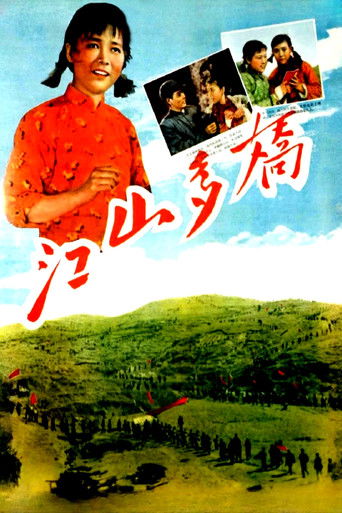 NR
NRIn the mid-1950s Henan countryside, communist youth league member Xian Yue responds to the call of the county committee, signing up to participate in the youth commando team, as do the little sisters. Laoxin Yue and other elders firmly oppose the women going up the mountain, think it it is nonsense, unlucky and so on. In response to the feudal remnants of the discussion, Xian Yue does not compromise, carrying out a face-to-face struggle and eventually leading the commando members up the mountain.
Beautiful Homeland
1959
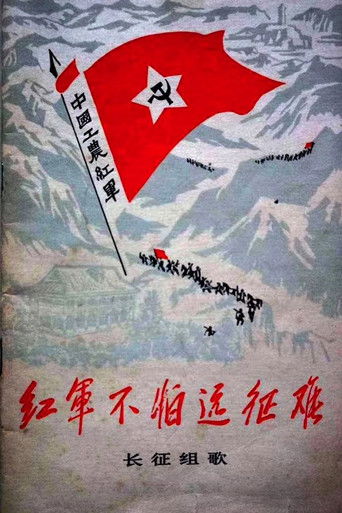 NR
NRThe Long March Suite
Songs of the Long March
1976
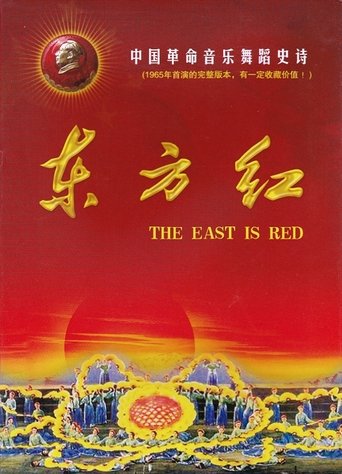 6.1
6.1Pre-Cultural Revolution propaganda at its most lavish, this model opera depicts the history and evolution of the Communist Party of China under Mao Zedong from its founding in July 1921 to the establishment of "New China" in 1949. Detailed in the musical are several key events in CPC history such as the Northern Expedition, the KMT-led Shanghai massacre of 1927, the Nanchang Uprising and formation of the People's Liberation Army, the Long March and the founding of the PRC on October 1, 1949.
The East Is Red
1965
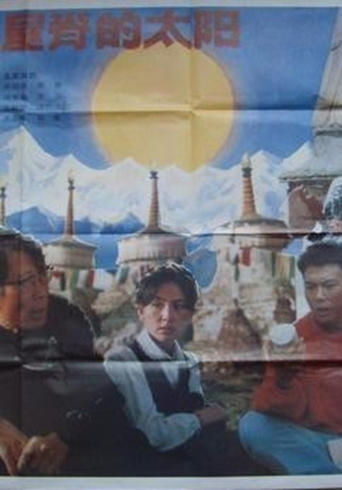 NR
NRGeological surveyors assist in the building of a geothermal power plant in 1970s Tibet.
The Sun on the Roof of the World
1990
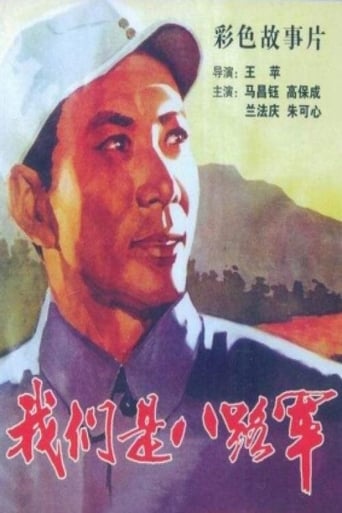 NR
NRDuring the most difficult years of the Anti-Japanese War in 1941, the Japanese invaders and the Kuomintang's forces colluded with each other harassing the Shaanxi-Gansu-Ningxia border area. Because of this, people faced many difficulties. A charcoal burning team of Eighth Route Army in Yan'an responded to the call of the Party Central Committee and Chairman Mao to "do it yourself, get enough food and clothing". Under the leadership of the captain Zhao Changlong, they rush to the deep mountains and old forests to cut through thorns, camp, and dig kilns to burn charcoal.
We are the 8th Route Army Battalion
1978