
Directing
Zvonimir Berković
Born — Died
1928-03-21 — 2009-06-09
Place of birth
Belgrade
Known for
Directing
Credits
23 titles
Zvonimir Berković was a director and script writer, author of "Rondo", one of the key films of so-called auteur cinematography in Croatia and Yugoslavia. He studied violin under Stjepan Šulek and theatrical direction at Theatre Academy in Zagreb. He worked in puppet theater and wrote theatrical and musical criticism. He began working on films in 1954. As the first dramatist in Jadran Film he soon begins to write scripts. For the scenario of the film "H-8" (1958, d. Nikola Tanhofer), co-written with Tomislav Butorac, he won The Golden Arena and the audience award at the Pula film festival. His directorial debut was "Moj stan" ("My Home", 1962), which won awards in Belgrade and Cannes. In 196…
Known for
 6.2
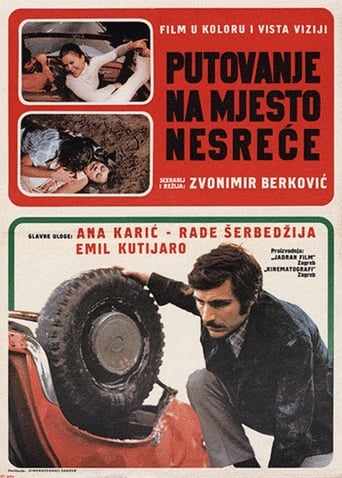
6.2A young married woman Jelena finds about her husband's car accident from an unknown stranger named Vlatko, but also that he wants to be visited by his mistress rather than her. The encounter with her father, an ex-politician, will be another shock, but that's when she accepts Vlatko's courtship without being able to see his self-interested nature.
The Scene of the Crash
1971
 6.3
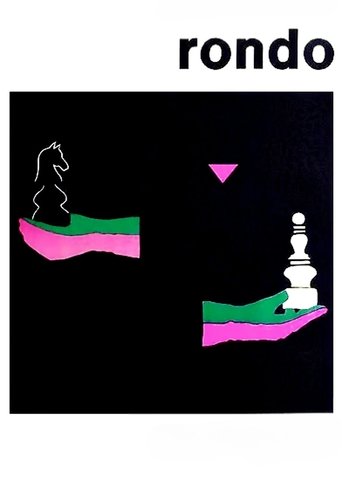
6.3Every Sunday, lonely bachelor and refined judge Mladen goes to play chess with his friend, sculptor Fedji. Slowly, he engages in a love affair with Neda, Fedia's wife, and almost invisibly, a love triangle forms. Chess board is the central part of the film, as moves on the board reflect emotions of the characters.
Rondo
1966
 5.8
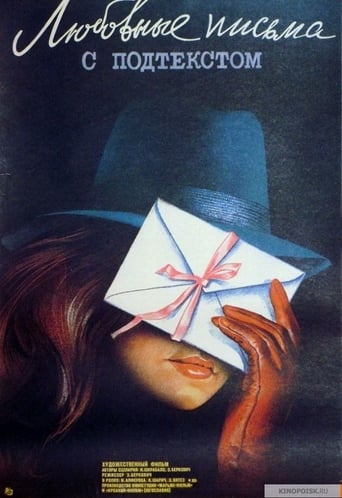
5.8Musicologist and professor Kosor wakes up in a hospital. He has survived a serious car accident. In a bed next to his lies the amiable economist Gajski, whose wife Melita regularly visits him. This unusually beautiful woman is the first person that Kosor sees after he gains consciousness and is completely enchanted by her. Kosor becomes obsessed by Melita’s physical beauty and her trustworthy character and begins a risky game of writing and sending her anonymous love letters…
Premeditated Love Letters
1985
 7.8
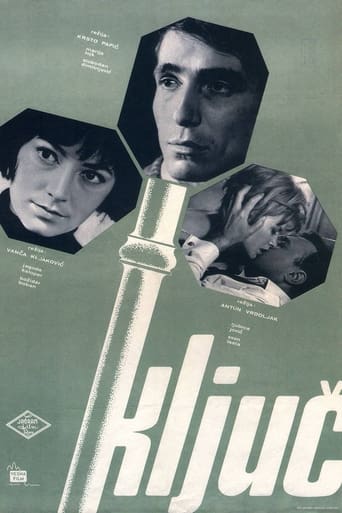
7.8Segment "Duga ulica" (A Long Street): A young man named Boris and a girl, Vera, live in the same neighborhood. They meet one night when she loses her key. Boris invites her to spend the night at his place; Segment "Čekati" (To Wait): Married students, Ivan and Sonja, live in an old woman's apartment. She is sick and the couple hopes that she will die soon, so that they may inherit her apartment; Segment "Poslije predstave" (After the Play): A husband and a wife lose the key to their apartment and have to spend the night in a hotel. The experience is wonderful and renews their feelings for each other, if only for a night.
The Key
1965
 NR
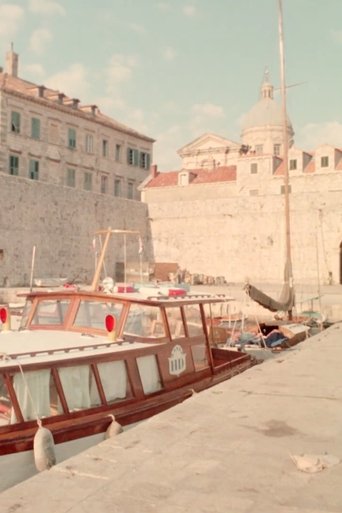
NRZvonimir Berković decided to present the Dubrovnik Summer Festival on film in an imaginative manner. He set scenes from the most popular plays of the Festival across various locations in Dubrovnik, so Pero Kvrgić acts Negromant's monologue from "Dundo Maroje" while interacting with vendors on the local marketplace, and in the dreamy atmosphere of Lokrum forest fairies are performing a scene from Držić's "Grižula".
Dubrovnik Summer Festival
1969
 NR
NRShort animated film.
All Because of a Plate
1959
Film credits
Behind the camera
6.2A young married woman Jelena finds about her husband's car accident from an unknown stranger named Vlatko, but also that he wants to be visited by his mistress rather than her. The encounter with her father, an ex-politician, will be another shock, but that's when she accepts Vlatko's courtship without being able to see his self-interested nature.
The Scene of the Crash
1971
6.2A young married woman Jelena finds about her husband's car accident from an unknown stranger named Vlatko, but also that he wants to be visited by his mistress rather than her. The encounter with her father, an ex-politician, will be another shock, but that's when she accepts Vlatko's courtship without being able to see his self-interested nature.
The Scene of the Crash
1971
6.3Every Sunday, lonely bachelor and refined judge Mladen goes to play chess with his friend, sculptor Fedji. Slowly, he engages in a love affair with Neda, Fedia's wife, and almost invisibly, a love triangle forms. Chess board is the central part of the film, as moves on the board reflect emotions of the characters.
Rondo
1966
6.3Every Sunday, lonely bachelor and refined judge Mladen goes to play chess with his friend, sculptor Fedji. Slowly, he engages in a love affair with Neda, Fedia's wife, and almost invisibly, a love triangle forms. Chess board is the central part of the film, as moves on the board reflect emotions of the characters.
Rondo
1966
5.8Musicologist and professor Kosor wakes up in a hospital. He has survived a serious car accident. In a bed next to his lies the amiable economist Gajski, whose wife Melita regularly visits him. This unusually beautiful woman is the first person that Kosor sees after he gains consciousness and is completely enchanted by her. Kosor becomes obsessed by Melita’s physical beauty and her trustworthy character and begins a risky game of writing and sending her anonymous love letters…
Premeditated Love Letters
1985
5.8Musicologist and professor Kosor wakes up in a hospital. He has survived a serious car accident. In a bed next to his lies the amiable economist Gajski, whose wife Melita regularly visits him. This unusually beautiful woman is the first person that Kosor sees after he gains consciousness and is completely enchanted by her. Kosor becomes obsessed by Melita’s physical beauty and her trustworthy character and begins a risky game of writing and sending her anonymous love letters…
Premeditated Love Letters
1985
7.8Segment "Duga ulica" (A Long Street): A young man named Boris and a girl, Vera, live in the same neighborhood. They meet one night when she loses her key. Boris invites her to spend the night at his place; Segment "Čekati" (To Wait): Married students, Ivan and Sonja, live in an old woman's apartment. She is sick and the couple hopes that she will die soon, so that they may inherit her apartment; Segment "Poslije predstave" (After the Play): A husband and a wife lose the key to their apartment and have to spend the night in a hotel. The experience is wonderful and renews their feelings for each other, if only for a night.
The Key
1965
NRZvonimir Berković decided to present the Dubrovnik Summer Festival on film in an imaginative manner. He set scenes from the most popular plays of the Festival across various locations in Dubrovnik, so Pero Kvrgić acts Negromant's monologue from "Dundo Maroje" while interacting with vendors on the local marketplace, and in the dreamy atmosphere of Lokrum forest fairies are performing a scene from Držić's "Grižula".
Dubrovnik Summer Festival
1969
NRZvonimir Berković decided to present the Dubrovnik Summer Festival on film in an imaginative manner. He set scenes from the most popular plays of the Festival across various locations in Dubrovnik, so Pero Kvrgić acts Negromant's monologue from "Dundo Maroje" while interacting with vendors on the local marketplace, and in the dreamy atmosphere of Lokrum forest fairies are performing a scene from Držić's "Grižula".
Dubrovnik Summer Festival
1969
NRShort animated film.
All Because of a Plate
1959
 7.5
7.5A bus traveling from Belgrade to Zagreb is involved in a tragic accident when a reckless driver causes a catastrophic collision on a rainy night, leading to the tragic deaths of several passengers.
H-8...
1958
 7.0
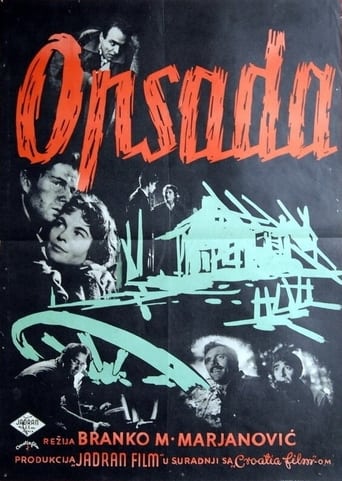
7.0A group of partisans is under siege, surrounded by strong German forces. Some of them remember the events that preceded the siege. This is an omnibus of three intertwined stories.
The Siege
1956
 5.8
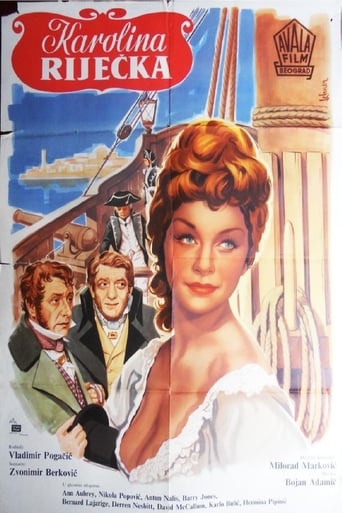
5.8The movie Karolina Rijecka is loosely based on the legendary story of young Karolina Belinic. When the English fleet began firing cannons on the Adriatic port of Rijeka, young Karolina boarded the ship of English Admiral John Leard and negotiated a cease-fire to save the town from destruction.
Caroline of Rijeka
1961
 6.5
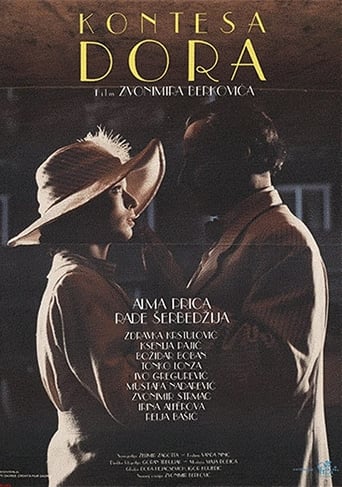
6.5In the early 1920s, filmmaker and cabaret director Karlo Armano meets a mysterious woman who only calls herself Dora. After a night of passionate romance, he wakes up to find her missing and goes on a quest to find her, soon realizing that the woman he had fallen in love with is none other than famed composer and autonomist Dora Pejačević.
Countess Dora
1993
6.5In the early 1920s, filmmaker and cabaret director Karlo Armano meets a mysterious woman who only calls herself Dora. After a night of passionate romance, he wakes up to find her missing and goes on a quest to find her, soon realizing that the woman he had fallen in love with is none other than famed composer and autonomist Dora Pejačević.
Countess Dora
1993
A semi-silent short film about a Croatian family moving to a new home. Their daughter comments everything in her homework essay.
My Apartment
1963
A semi-silent short film about a Croatian family moving to a new home. Their daughter comments everything in her homework essay.
My Apartment
1963
 7.5
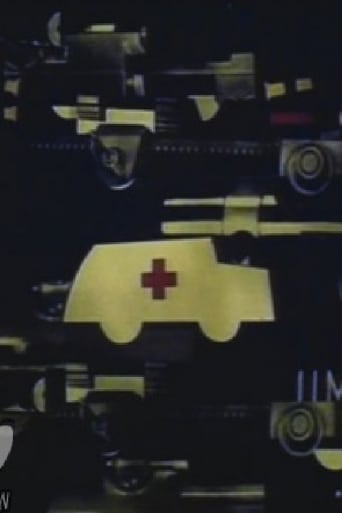
7.5The story of a blind barrel-organist losing his dog and finding it again.
Everyday Chronicle
1962
 8.0
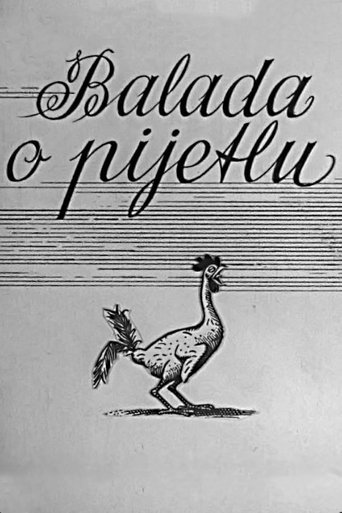
8.0An imaginative advertising film about Podravka and its soup concentrates, told through the perspective of a rooster. The first part of the film is dedicated to the rooster's life and Podravian motifs, and the second one to the Podravka factory.
Ballad of a Rooster
1964
8.0An imaginative advertising film about Podravka and its soup concentrates, told through the perspective of a rooster. The first part of the film is dedicated to the rooster's life and Podravian motifs, and the second one to the Podravka factory.
Ballad of a Rooster
1964
 NR
NRThe intellectual and the sensual are combined in this essay presentation of the work of the painter Ivo Vojvodić from Dubrovnik. Through the presentation of three frequent motifs of Vojvodić's painting - the sea, reefs and letters - Berković touches upon the emigratory fate of Vojvodić's family in desire for a home and the Ragusan ideal of freedom.
The Sea, Reefs, Letters
1987
NRThe intellectual and the sensual are combined in this essay presentation of the work of the painter Ivo Vojvodić from Dubrovnik. Through the presentation of three frequent motifs of Vojvodić's painting - the sea, reefs and letters - Berković touches upon the emigratory fate of Vojvodić's family in desire for a home and the Ragusan ideal of freedom.
The Sea, Reefs, Letters
1987