Acting
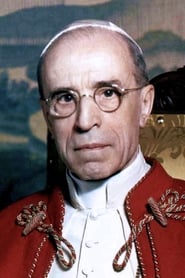
Pope Pius XII
Born — Died
1876-03-02 — 1958-10-09
Place of birth
Rome, Italy
Known for
Acting
Credits
20 titles
Pope Pius XII (Italian: Pio XII; born Eugenio Maria Giuseppe Giovanni Pacelli; 2 March 1876 – 9 October 1958) was head of the Catholic Church and sovereign of Vatican City from 2 March 1939 until his death on 9 October 1958.
Known for
 7.0
7.0Three World War II buddies promise to meet at a specified place and time 10 years after the war. They keep their word only to discover how far apart they've grown. But the reunion sparks memories of youthful dreams that haven't been fulfilled -- and slowly, the three men reevaluate their lives and try to find a way to renew their friendship.
It's Always Fair Weather
1955
 NR
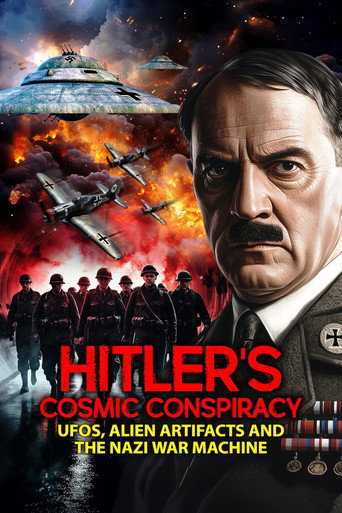
NRExplore the mysterious legend of the Thule society and the mystical "Vril" energy that the Nazi's claimed aided them in their pursuit for world power.
Hitler's Cosmic Conspiracy: UFOs, Alien Artifacts and the Nazi War Machine
2025
 NR
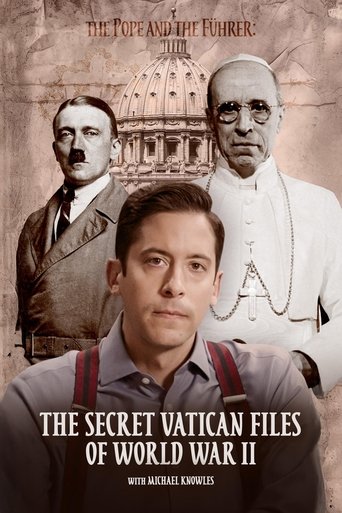
NRPope Pius XII, the man who led the Church through WWII, has been maligned by history as the Pope that could have stood against Hitler, but remained silent. Recent archival revelations, however, tell a different story. What is the truth? How did he respond to the Nazi threat? And who told his story?
The Pope and the Führer - The Secret Vatican Files of World War II
2025
 8.2
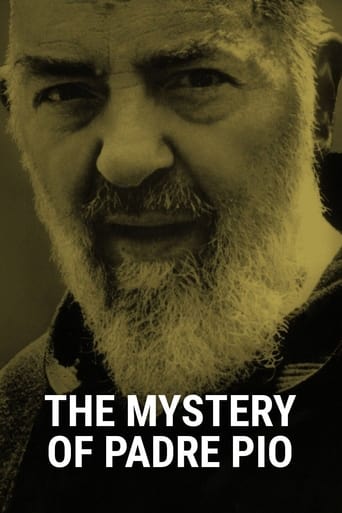
8.2The documentary offers testimonies and documents never disclosed about the plot against its protagonist, who had the stigmata of Jesus Christ in his hands, feet and side for 50 consecutive years.
The Mystery of Padre Pio
2018
 6.9
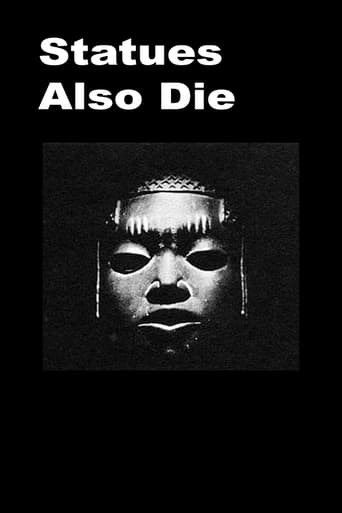
6.9Commissioned by the journal Présence Africaine, this short documentary examines how African art is devalued and alienated through colonial and museum contexts. Beginning with the question of why African works are confined to ethnographic displays while Greek or Egyptian art is celebrated, the film became a landmark of anti-colonial cinema and was banned in France for eight years.
Statues Also Die
1953
 6.4
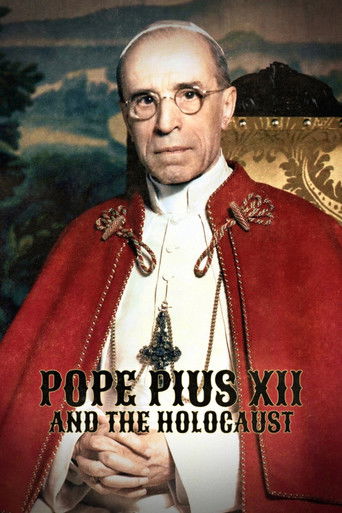
6.4A portrait of Pope Pius XII (1876-1958), head of the Catholic Church from 1939 until his death, who, during World War II, and while European Jews were being exterminated by the Nazis, was accused of keeping a disconcerting and shameful silence.
Pope Pius XII and the Holocaust
2024
Film credits
2020s · 3 titles
NRExplore the mysterious legend of the Thule society and the mystical "Vril" energy that the Nazi's claimed aided them in their pursuit for world power.
Hitler's Cosmic Conspiracy: UFOs, Alien Artifacts and the Nazi War Machine
2025
6.4A portrait of Pope Pius XII (1876-1958), head of the Catholic Church from 1939 until his death, who, during World War II, and while European Jews were being exterminated by the Nazis, was accused of keeping a disconcerting and shameful silence.
Pope Pius XII and the Holocaust
2024
 7.3
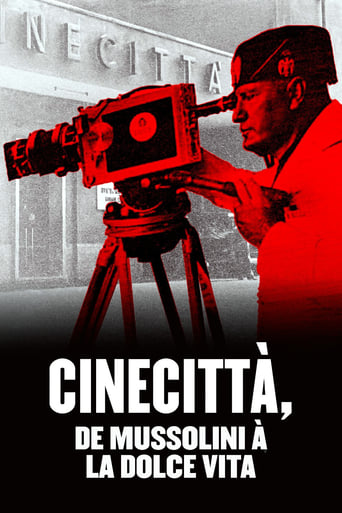
7.3Cinecitta is today known as the center of the Italian film industry. But there is a dark past. The film city was solemnly inaugurated in 1937 by Mussolini. Here, propaganda films would be produced to strengthen the dictator's position.
Cinecittà, de Mussolini à la Dolce Vita
2021
2010s · 4 titles
8.2The documentary offers testimonies and documents never disclosed about the plot against its protagonist, who had the stigmata of Jesus Christ in his hands, feet and side for 50 consecutive years.
The Mystery of Padre Pio
2018
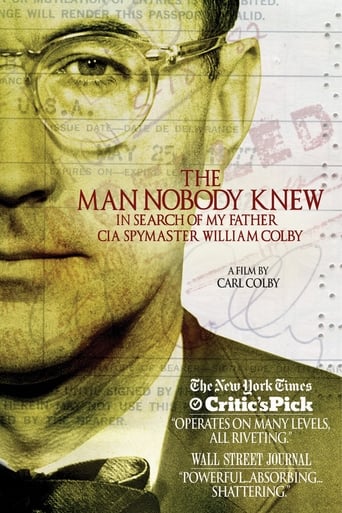 6.2
6.2A personal exploration into the life of America's controversial former CIA Director told through the eyes of his wife and filmmaker son, Carl. Through extraordinary events in twentieth century history, this consummate soldier/spy stood at the center of the Agency's most clandestine activities and operations. The film reveals the 'cover life' of this CIA operative, who followed orders and took on the dirtiest assignments until the Nixon Administration ordered him to 'stonewall' Congress about the CIA's past abuses, but he refused. This film reveals why, for the first time, he could not obey.
The Man Nobody Knew: In Search of My Father, CIA Spymaster William Colby
2011
 7.3
7.3He counseled presidents and popes, served on corporate boards and infuriated Richard Nixon. He was one of the only friends to whom Ann Landers turned for advice. During his 35 years as president of the University of Notre Dame, Theodore Hesburgh became one of the most influential and inspiring people of the 20th century.
Hesburgh
2019
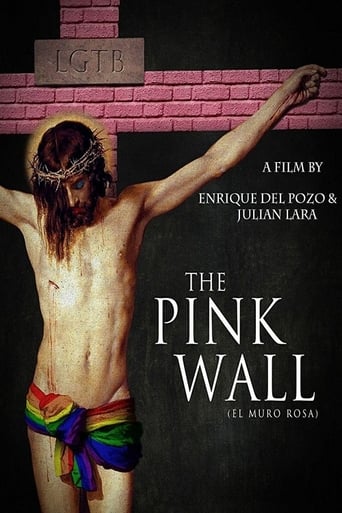 NR
NRThe historical memory of torture, persecution and killings of homosexuals and lesbians in Spain during Franco's dictatorship provides an opportunity to tell about discrimination and homophobia in the rest of the world. Those who lived through that period recall times when being gay was a crime and the Church was completely indifferent; even the movie (and the fashion) world turned their backs. Today Spain is actually a model for enlightened social attitudes and for the freedoms achieved by the GLBT community. So it is important to remind the young of the high price paid by the older generations. One of the directors of the film, Enrique del Pozo, is a singer and actor who is openly bisexual and very famous in Spain.
The Pink Wall
2011
1980s · 2 titles
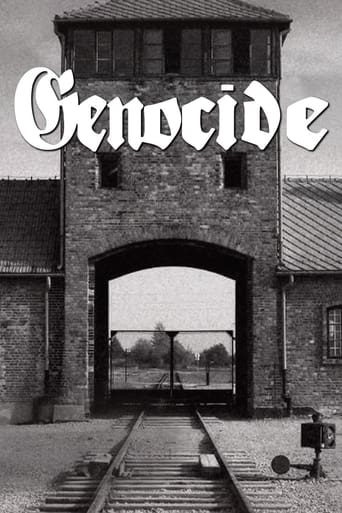 7.5
7.5The mass murder of Jewish people by the Nazi regime is chronicled, with a warning that anti-Semitism is on the rise and the events of the Holocaust could happen again. The history of European Jewish culture and events before and during the Holocaust are seen in newsreels, photographs, and animated segments. The words of the victims of the era are read, and footage from the liberation os a concentration camp is shown.
Genocide
1982
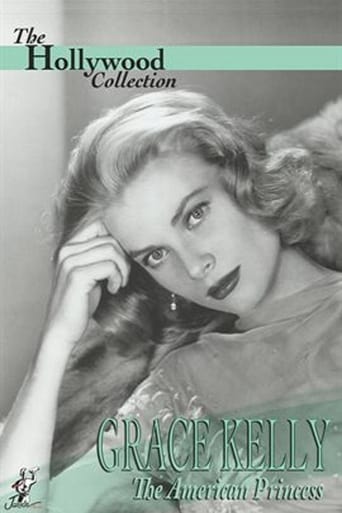 7.0
7.0A biography of American actress Grace Kelly from her early days as an aspiring actress to her death as Princess of Monaco.
Grace Kelly: The American Princess
1987
1960s · 2 titles
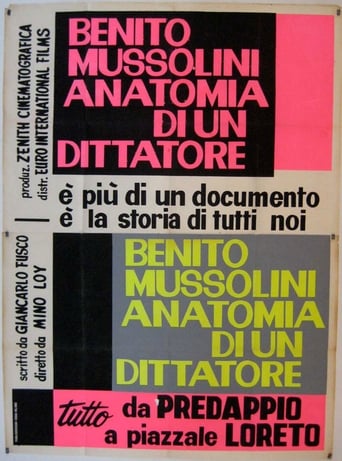 6.4
6.4No synopsis available yet.
Benito Mussolini: Anatomy of a Dictator
1962
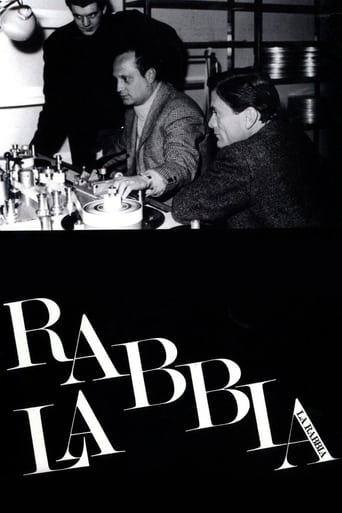 7.0
7.0Documentary footage (from the 1950s) and accompanying commentary to attempt to answer the existential question, Why are our lives characterized by discontent, anguish, and fear? The film is in two completely separate parts, and the directors of these respective sections, left-wing Pier Paolo Pasolini and conservative Giovanni Guareschi, offer the viewer contrasting analyses of and prescriptions for modern society. Part I, by Pasolini, is a denunciation of the offenses of Western culture, particularly those against colonized Africa. It is at the same time a chronicle of the liberation and independence of the former African colonies, portraying these peoples as the new protagonists of the world stage, holding up Marxism as their "salvation", and suggesting that their "innocent ferocity" will be the new religion of the era. Guareschi's part, by contrast, constitutes a defense of Western civilization and a word of hope, couched in traditional Christian terms, for man's future.
La Rabbia
1963
1950s · 5 titles
7.0Three World War II buddies promise to meet at a specified place and time 10 years after the war. They keep their word only to discover how far apart they've grown. But the reunion sparks memories of youthful dreams that haven't been fulfilled -- and slowly, the three men reevaluate their lives and try to find a way to renew their friendship.
It's Always Fair Weather
1955
6.9Commissioned by the journal Présence Africaine, this short documentary examines how African art is devalued and alienated through colonial and museum contexts. Beginning with the question of why African works are confined to ethnographic displays while Greek or Egyptian art is celebrated, the film became a landmark of anti-colonial cinema and was banned in France for eight years.
Statues Also Die
1953
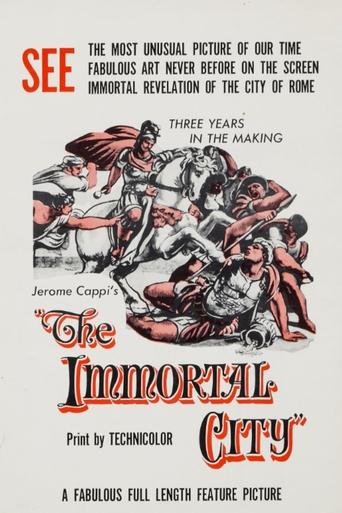 10.0
10.0From the legendary times of Romulus and Remus to the present day, the compelling story of the eternal city's twenty-five centuries of civilization traces the rise of Christianity over paganism through studies of Vatican art treasures.
The Immortal City
1954
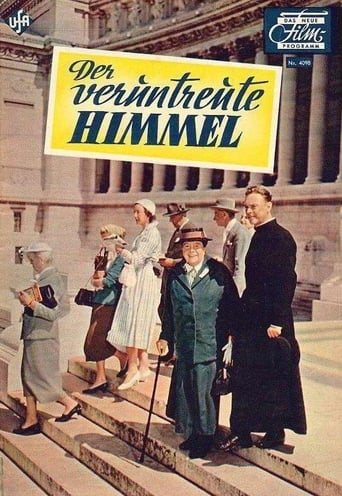 7.0
7.0No synopsis available yet.
Embezzled Heaven
1958
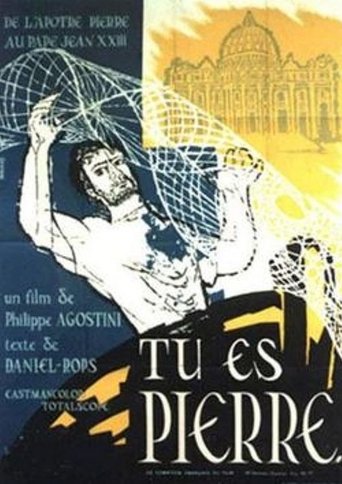 7.0
7.0Catholicism, from the Apostle Peter to Pope John XXIII.
Tu es Pierre
1959