
Production
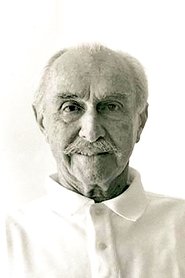
Thomaz Farkas
Born — Died
1924-09-17 — 2011-03-25
Place of birth
Budapest, Hungary
Known for
Production
Credits
43 titles
Known for
 NR
NRTestimony by instrumentalist Osvaldinho da Cuíca with historical explanation of the presence of cuíca in several countries around the world and its popularization in Brazil based on samba. Osvaldinho gives tips on how to extract the sound from the instrument and makes a presentation at the Casa Verde Samba School Mocidade Alegre.
Instrumentos da Música Popular Brasileira - A Cuíca
1978
 10.0
10.0Photographs present Hermeto Paschoal in the middle of the instruments he plays in the studio in his house. The rehearsals where the sounds are discovered and improvisation sets the tone. Hermeto's testimonies on the self-taught construction of his theoretical knowledge about music and his political position on the market. The musicians who are part of his band talk about the joint process of creation and the admiration they feel for the multi-instrumentalist. The creation of Hermetus from the sounds of bees and next to the frods. The use of unusual objects made of iron and the use of the body itself to generate new sounds.
Hermeto, the Champ
1981
 NR
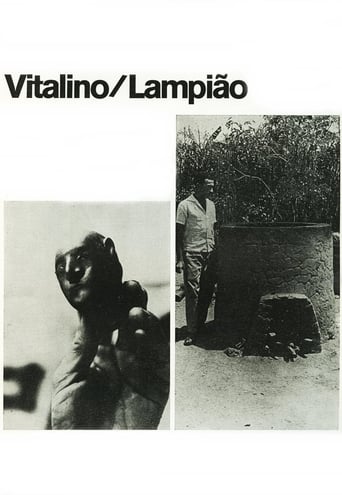
NRFrom the clay used to make tiles or clay clay, an image of Lampião, the king of Cangaço, begins to emerge through the work of ceramicist Manuel Vitalino dos Santos. According to the artist, son of Mestre Vitalino, the most famous clay artisan in the Northeast, it would be preferable to abandon the art rather than having to change his artisanal production method. Tradition and consumption are discussed when the art arrives to be sold at the Caruaru Fair in Pernambuco. The soundtrack is provided by the voice of singer Severino Pinto.
Vitalino/Lampião
1969
 7.0
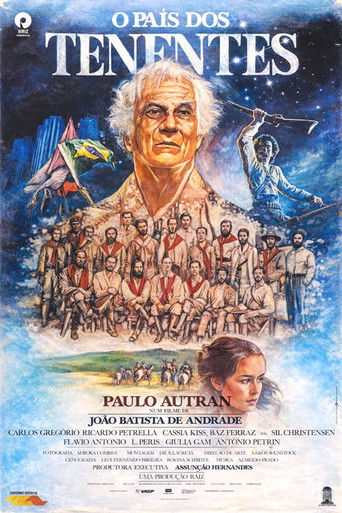
7.0With death getting near, a retired officer remembers the most important passages in his life and his participation in historical events in Brazil, such as the Lieutenants' Movement, and the 1964 coup.
O País dos Tenentes
1987
 6.2
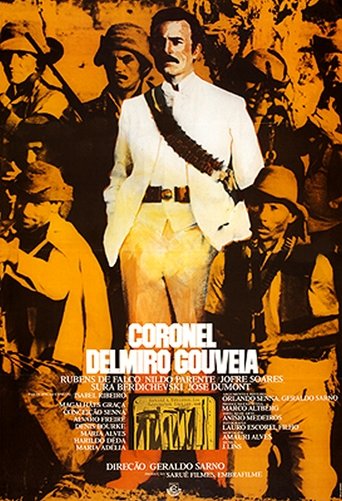
6.2In the beginning of the 20th Century, in the Northeast of Brazil, one of the first Brazilian industrialists is persecuted because he refuses to sell his business to a British company.
Colonel Delmiro Gouveia
1979
 NR
NRNo synopsis available yet.
Instrumentos da Música Popular Brasileira - O Berimbau
1978
Film credits
2000s · 3 titles
 NR
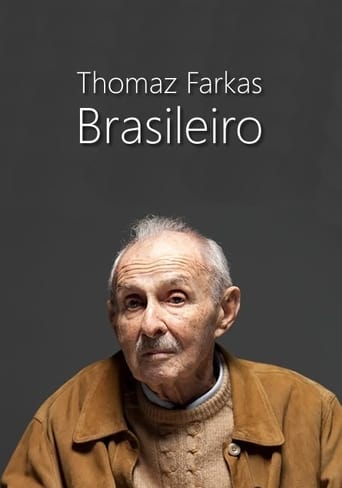
NRAbout the Hungarian photographer, an exponent of the history of the Brazilian documentary, directed by filmmaker Walter Lima Junior and sponsored by Petrobras.
Thomaz Farkas, Brazilian
2003
No synopsis available yet.
Amizade
2009
 NR
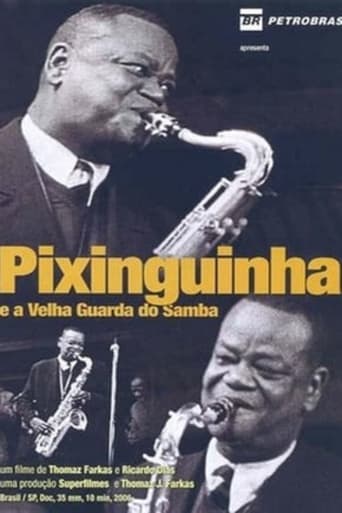
NRThe documentary records the celebrations for the celebration of the fourth centenary of the city of São Paulo, in 1954. In charge of the party, Pixinguinha, Donga, João da Baiana and other representatives of the Old Guard.
Pixinguinha and the Old Masters of Samba
2006
Behind the camera
NRTestimony by instrumentalist Osvaldinho da Cuíca with historical explanation of the presence of cuíca in several countries around the world and its popularization in Brazil based on samba. Osvaldinho gives tips on how to extract the sound from the instrument and makes a presentation at the Casa Verde Samba School Mocidade Alegre.
Instrumentos da Música Popular Brasileira - A Cuíca
1978
10.0Photographs present Hermeto Paschoal in the middle of the instruments he plays in the studio in his house. The rehearsals where the sounds are discovered and improvisation sets the tone. Hermeto's testimonies on the self-taught construction of his theoretical knowledge about music and his political position on the market. The musicians who are part of his band talk about the joint process of creation and the admiration they feel for the multi-instrumentalist. The creation of Hermetus from the sounds of bees and next to the frods. The use of unusual objects made of iron and the use of the body itself to generate new sounds.
Hermeto, the Champ
1981
NRFrom the clay used to make tiles or clay clay, an image of Lampião, the king of Cangaço, begins to emerge through the work of ceramicist Manuel Vitalino dos Santos. According to the artist, son of Mestre Vitalino, the most famous clay artisan in the Northeast, it would be preferable to abandon the art rather than having to change his artisanal production method. Tradition and consumption are discussed when the art arrives to be sold at the Caruaru Fair in Pernambuco. The soundtrack is provided by the voice of singer Severino Pinto.
Vitalino/Lampião
1969
6.2In the beginning of the 20th Century, in the Northeast of Brazil, one of the first Brazilian industrialists is persecuted because he refuses to sell his business to a British company.
Colonel Delmiro Gouveia
1979
NRNo synopsis available yet.
Instrumentos da Música Popular Brasileira - O Berimbau
1978
 NR
NRThe disorderly growth of large urban centers in the country and the discussion about the development and existence of cultural spaces. Based on the example of the Teatro de Ópera in Campinas, a building that managed to consolidate construction and space for the existence of a square, theater and architecture are discussed, pointing out the future coexistence between men and cities. Using models, the film presents a new urban concept of the square, as a point of bringing people together for an encounter with cultural things, combining gardens, concert halls, compilation rooms and libraries. A theatrical rehearsal, held in an unfinished theater in Campinas / SP, designed by the architect Fábio Penteado.
Ensaio
1975
 8.6
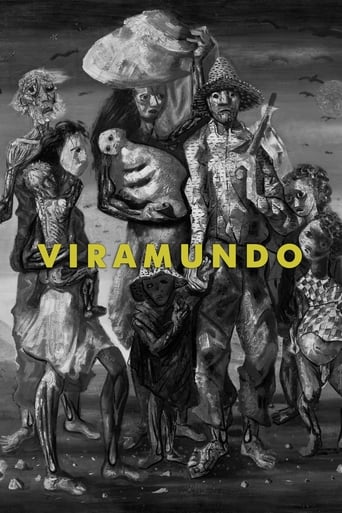
8.6Viramundo shows the saga of the northeastern migrants that arrive in São Paulo, beginning with a train arriving and ending with a train leaving São Paulo in a cycle repeated every day. Viramundo's aim was to question why the military coup d'état in Brazil happened without any popular resistance or revolution or reaction of the society.
Viramundo
1965
 NR
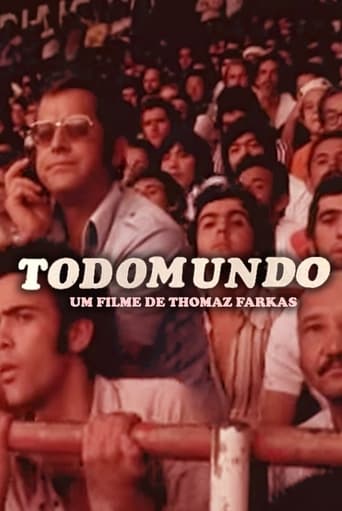
NRThe crowd is the focus of this documentary, which presents historical scenes of the Brazilian Championship. Irreverent and poetic, the movie pays homage to the spectacle provided by football.
Todomundo
1980
NRThe crowd is the focus of this documentary, which presents historical scenes of the Brazilian Championship. Irreverent and poetic, the movie pays homage to the spectacle provided by football.
Todomundo
1980
 8.5
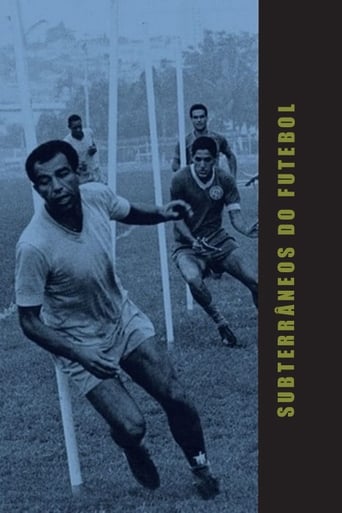
8.5The practices of football in Brazil and the issues surrounding the sport. Press, players as a commodity, the popular passion, the practice on the fields of várzea. The statements of Luiz Carlos de Freitas, a young promise of Palmeiras, and Feola's coach, as well as an interview with Pelé.
Subterrâneos do Futebol
1965
 8.0
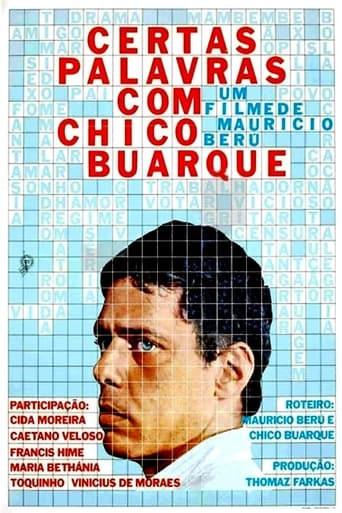
8.0The life and work of Brazilian singer-songwriter, guitarist, composer, playwright, writer and poet Chico Buarque de Hollanda.
Certas Palavras com Chico Buarque
1980
 7.8
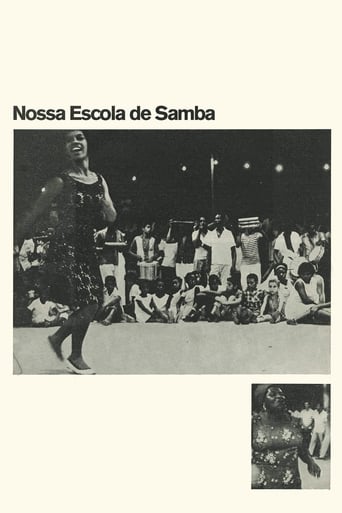
7.8A year in the life of a samba school, from the first rehearsals to the parade on the avenue.
Nossa Escola de Samba
1965
 5.0
5.0No synopsis available yet.
Eu Carrego um Sertão Dentro de Mim
1980
 NR
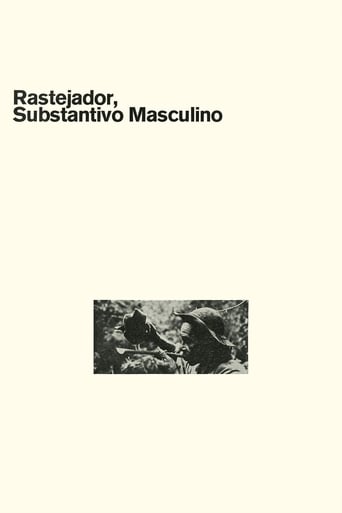
NRReport of a crawler, who helped the steering wheels to find traces of the cangaceiros in the caatinga and their knowledge to survive in this environment.
Rastejador, Substantivo Masculino
1970
 NR
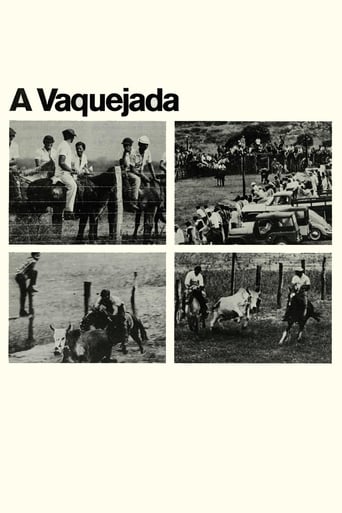
NRIn the interior of Paraíba a tournament between cowboys who must demonstrate mastery in knocking an ox down by the tail while they ride.
A Vaquejada
1970
 7.5
7.5After years lost in a ingrate job, Hugo decides to take a drastic measure: to compensate for the time he lost, he will rob the bank in which he worked all his life. Everything goes well in the execution of the plan, but the appearance of the firm's cleaner can put everything to waste.
Na Boca da Noite
1971
 NR
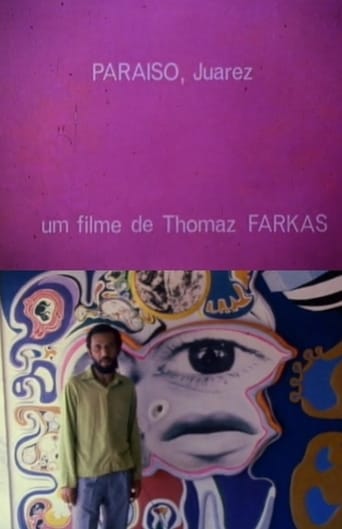
NRThe painter Juarez Paraíso describes the assembly of panels at the entrance of the Cinema Tupi, in Salvador, explaining their meaning.
Paraíso, Juarez
1971
NRThe painter Juarez Paraíso describes the assembly of panels at the entrance of the Cinema Tupi, in Salvador, explaining their meaning.
Paraíso, Juarez
1971
NRThe painter Juarez Paraíso describes the assembly of panels at the entrance of the Cinema Tupi, in Salvador, explaining their meaning.
Paraíso, Juarez
1971
 NR
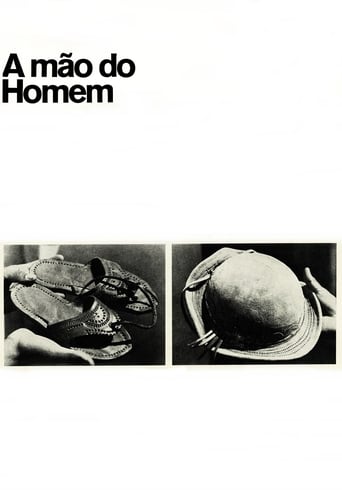
NRA vision of the different forms of handicraft production in the interior of Paraíba.
A Mão do Homem
1970
 NR
NRA documentary about Italian immigration in Brazil.
Andiamo In’merica – Os Italianos No Brasil
1978
 9.0
9.0Expedito, after being abandoned by his parents, became Zefa's adopted son until he became a man and started earning his living as an independent fisherman. As soon as he finds out that Zefa is very ill, Expedito runs back home and finds his adoptive mother in agony. At the edge of the bed, a mysterious woman, who claims to be Death, sits.
Tatu Bola
1971
 NR
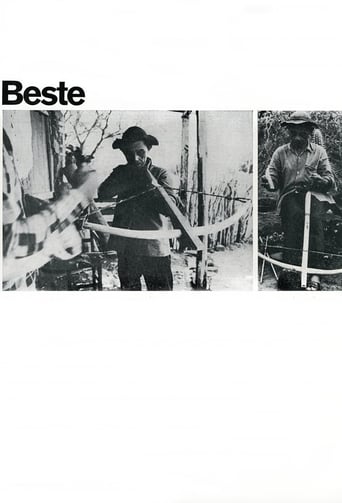
NRDeformed form by which the word "beast" (medieval weapon) is pronounced in the north of the Brazilian state of Bahia and was still present in the cultural memory of the region.
Beste
1970
 NR
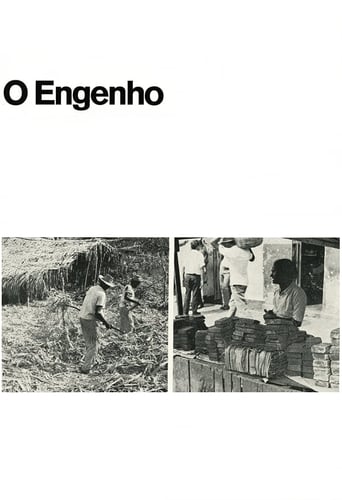
NRThe process of production of rapadura in the Brazilian state of Ceará.
O Engenho
1970
NRThe documentary records the celebrations for the celebration of the fourth centenary of the city of São Paulo, in 1954. In charge of the party, Pixinguinha, Donga, João da Baiana and other representatives of the Old Guard.
Pixinguinha and the Old Masters of Samba
2006
 9.0
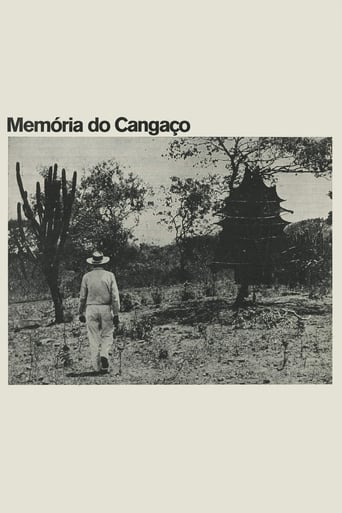
9.0The origins of "cangaço", armed brigands in the Northeast between 1935 and 1939, interviews with some survivors of the fighting, police and outlaws movement. Interspersed with testimonials, authentic sequences of films made in 1936 by Benjamin Abraham, an Arab peddler who managed to film the famous band of Virgulino Ferreira da Silva, the "Lampião".
Memória do Cangaço
1964
 NR
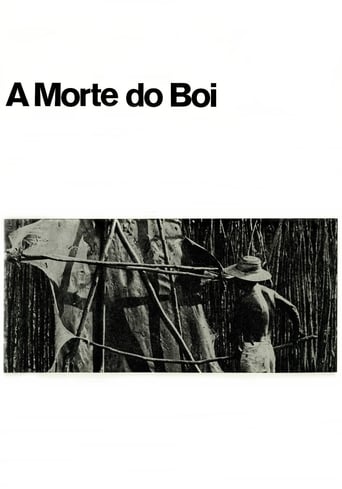
NRNo synopsis available yet.
A Morte do Boi
1970
 8.5
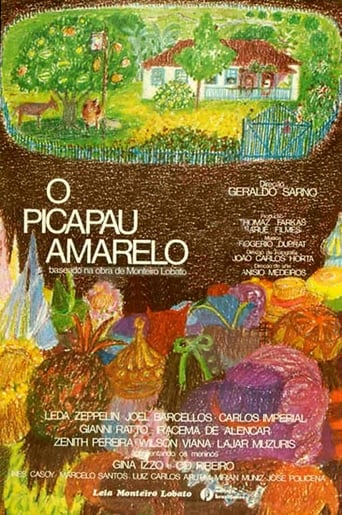
8.5The Viscount of Sabugosa is locked in the library writing an encyclopedia about the characters in children's fables. Dona Benta receives a letter from little Thumb, written on a rose petal, in which he, realizing that the inhabitants of the world of fables are forgotten in the books on the shelves, requests that everyone live in Sítio do Picapau Amarelo. Emília and the children love the idea, and Dona Benta says yes. They move
O Picapau Amarelo
1973
 NR
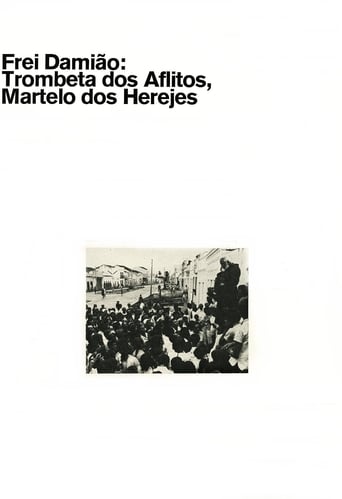
NRNo synopsis available yet.
Frei Damião: Trombeta dos Aflitos, Martelo dos Herejes
1970
 NR
NRNo synopsis available yet.
O Homem de Couro
1970
 NR
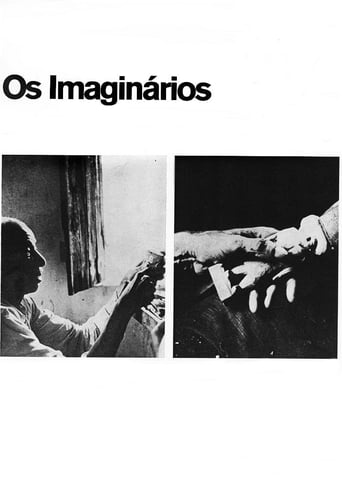
NRPilgrims from the Northeast have the habit of buying images of characters in whom they identify exemplary behavior. By carving wood to shape these figures, the imaginary artists, artisans who make images of typical characters from the traditional Northeast, perpetuate a tradition that has changed over time. The ways of the traditional artist adapt to the demands of the tourism market and the dissociation between their conscience and the real meaning of the work to which they dedicate themselves.
Os Imaginários
1970
 9.0
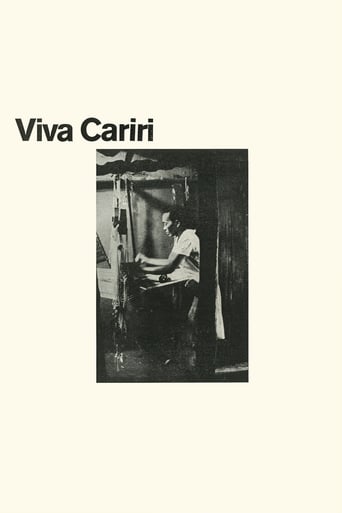
9.0The confrontations and conflicts between the city of Padre Cicero's pilgrims and the attempts to develop the region.
Viva Cariri
1970
 NR
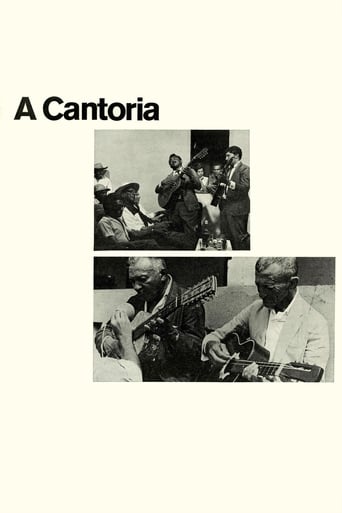
NRIn May 1969 at Tres Irmãos Farm, Caruaru, PE: Lourival Batista and Severino Pinto, two singers by profession, meet for a challenge. This film documents some moments of the Cantoria.
A Cantoria
1970
 NR
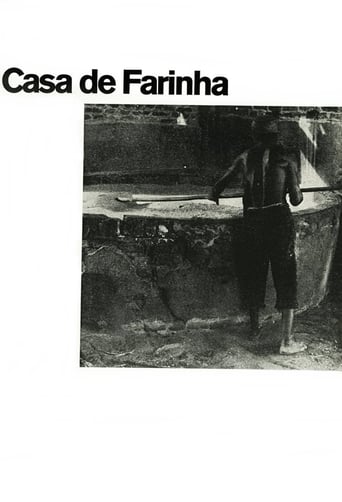
NRDocumentation of the production of cassava flour, a basic component in northeastern Brazilian food.
Casa de Farinha
1970
 NR
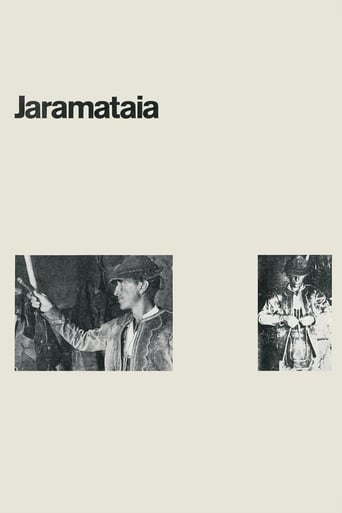
NRLife on the Jaramataia farm in the interior of Paraíba and the relations between the cowboys and the owners of the land.
Jaramataia
1970
 NR
NRNo synopsis available yet.
Jornal do Sertão
1970
 NR
NRNo synopsis available yet.
A Erva Bruxa
1970
 6.0
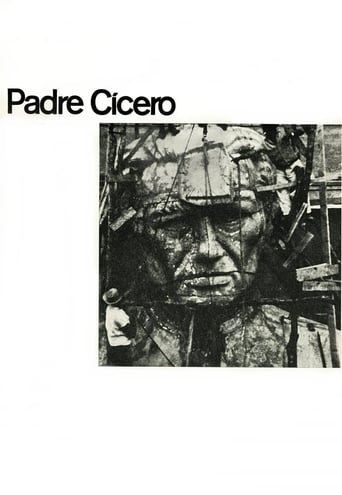
6.0A short documentary that presents the legacy of Padre Cícero, an important priest for the Juazeiro do Norte community, who managed to bring progress and new developments to the town after a miracle to brought plenty of attention to the region.
Padre Cícero
1971