
Directing
Manuel Octavio Gómez
Born — Died
1934-11-14 — 1988-01-02
Place of birth
Havana, Cuba
Known for
Directing
Credits
17 titles
Manuel Octavio Gómez was a Cuban film director and screenwriter, recognized for his contributions to Cuban cinema during the post-revolutionary period. He began his career in the 1960s, directing documentaries and short films that reflected the social and political changes in Cuba. Gómez's notable works include La primera carga al machete (1969), a film depicting the Cuban War of Independence, and Los días del agua (1971), which explores themes of faith and superstition. His films are characterized by their innovative narrative techniques and commitment to social realism, making significant contributions to Latin American cinema.
Known for
 NR
NRDocumentary in four parts on Latin American cinema. Fourth episode: in Cuba, the ICAIC, created in the aftermath of the Castro revolution, is at once a film school, a production company and a state cultural branch. Cuban filmmakers testify to the situation and themes specific to their national cinema.
Claves, 4: Memories of Cuban cinema
1984
 6.0
6.0An adolescent leaves his homeland to emigrate to Cuba in 1916. The film covers his life until the 1960s and at the same time reflects on the history of the country that becomes his second homeland.
Gallego
1988
 NR
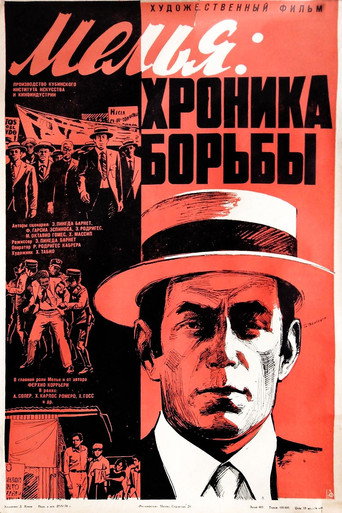
NRExperimental historical film, with documentary elements. A study of the conceptual development of the young hero Julio Antonio Mella, founder of the Communist Party of Cuba, from the process of the Student Reforms to his assassination in Mexico at the age of 25, in the arms of the Italian photographer Tina Modotti.
Mella
1975
 6.8
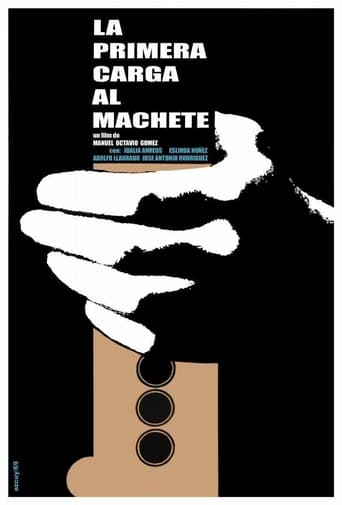
6.8Cuban peasants wield machetes in a violent uprising against Spanish authorities in the late 19th century.
The First Charge of the Machete
1969
Documentary addressing the difficulties that arose in the city of Nuevitas (Camagüey) between 1964 and 1967, due to the industrial development promoted in the territory, which led to an unexpected population growth in just a few months.
Nuevitas
1969
 5.4
5.4Tulipa, an old strip-teaser from a traveling circus, is replaced by a younger, more wild woman. She must teach the job to her successor or cling to an act that she values as true art.
Tulipa
1967
Film credits
Behind the camera
6.0An adolescent leaves his homeland to emigrate to Cuba in 1916. The film covers his life until the 1960s and at the same time reflects on the history of the country that becomes his second homeland.
Gallego
1988
NRExperimental historical film, with documentary elements. A study of the conceptual development of the young hero Julio Antonio Mella, founder of the Communist Party of Cuba, from the process of the Student Reforms to his assassination in Mexico at the age of 25, in the arms of the Italian photographer Tina Modotti.
Mella
1975
6.8Cuban peasants wield machetes in a violent uprising against Spanish authorities in the late 19th century.
The First Charge of the Machete
1969
6.8Cuban peasants wield machetes in a violent uprising against Spanish authorities in the late 19th century.
The First Charge of the Machete
1969
Documentary addressing the difficulties that arose in the city of Nuevitas (Camagüey) between 1964 and 1967, due to the industrial development promoted in the territory, which led to an unexpected population growth in just a few months.
Nuevitas
1969
Documentary addressing the difficulties that arose in the city of Nuevitas (Camagüey) between 1964 and 1967, due to the industrial development promoted in the territory, which led to an unexpected population growth in just a few months.
Nuevitas
1969
5.4Tulipa, an old strip-teaser from a traveling circus, is replaced by a younger, more wild woman. She must teach the job to her successor or cling to an act that she values as true art.
Tulipa
1967
Adaptation of the famous novel, impassioned denunciation of the Guatemalan dictator Manuel Estrada Cabrera.
Mr. President
1983
This Cuban feature examines the circumstances arising out of a woman's claim to have seen the Virgin Mary and to have been healed by waters from a nearby stream. In an accelerating storm of cynical opportunism, her sincere beliefs are exploited by businessmen, politicians and military men. Rival groups compete to exploit the hysteria the vision causes, and the chaos culminates in a revolution. Striking imagery and skillful camerawork enhance this feature.
The Days of Water
1971
This Cuban feature examines the circumstances arising out of a woman's claim to have seen the Virgin Mary and to have been healed by waters from a nearby stream. In an accelerating storm of cynical opportunism, her sincere beliefs are exploited by businessmen, politicians and military men. Rival groups compete to exploit the hysteria the vision causes, and the chaos culminates in a revolution. Striking imagery and skillful camerawork enhance this feature.
The Days of Water
1971
 9.0
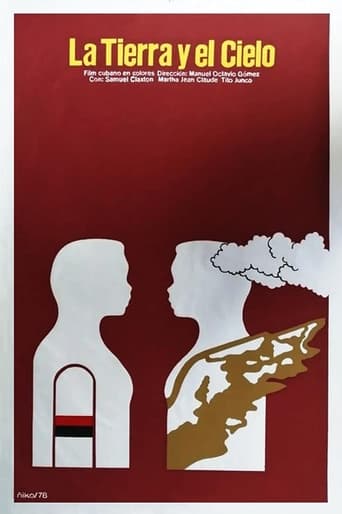
9.0Pedro, a young black man born into a family of Haitians who emigrated to Cuba, returns to his town and notes the changes that the new times have brought.
La tierra y el cielo
1977
 7.0
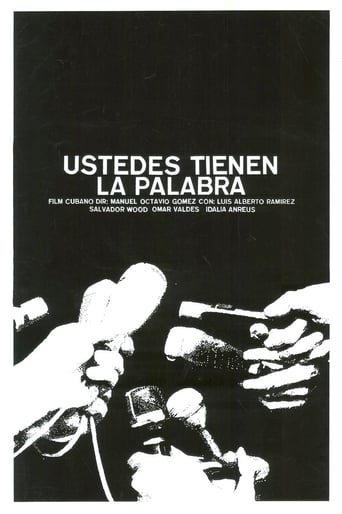
7.0Rebuild, in the same place of events, a trial held in 1969 to four men, accused of sabotage for having caused the fire of a forest plan that caused the death of eight people and large material losses. At the same time, it analyzes retrospectively the circumstances that contributed to the occurrence of the crime.
Ustedes tienen la palabra
1973
Within a year, illiteracy on Cuba was eliminated thanks to the literacy brigades: an army of 100,000 youth people who set out with chalk and blackboards under their arms. Historia de una batalla follows them during their activities. The film also shows how the Cuban people devoted themselves to the economic progress of the country, and how they resisted the invasion at the Bay of Pigs.
Story of a Battle
1962
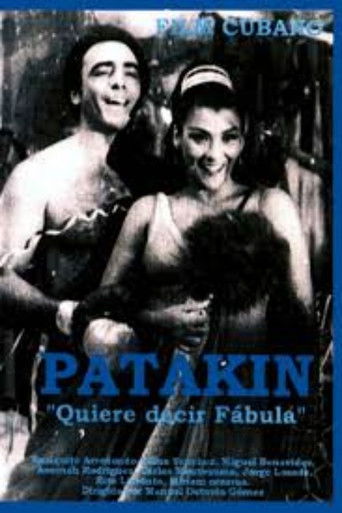 9.0
9.0Socialist musical comedy made in Cuba
Patakin Means Fable
1985
9.0Socialist musical comedy made in Cuba
Patakin Means Fable
1985
A young sociologist returns to Nuevitas, his hometown, to investigate the transformations taking place there, brought about by the advance of the revolutionary process. Disagreeing with the way his predecessor worked, he tries to change it and discovers the complexity of human relationships, social problems, and the sexist and racial prejudices she had to face.
Woman, Man, City
1978