
Acting
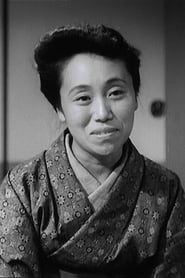
Haruko Sugimura
Born — Died
1909-01-06 — 1997-04-04
Place of birth
Hiroshima, Japan
Known for
Acting
Credits
64 titles
Haruko Sugimura (杉村 春子, January 6, 1909 – April 4, 1997) was a Japanese stage and film actress, best known for her appearances in the movies of Yasujiro Ozu and Mikio Naruse from the late 1940s to the early 1960s. In the West, her most famous role was that of Shige, the elderly couple's hairdresser daughter in Ozu's Tokyo Story (1953). After the war, she was highly praised by such masters as Akira Kurosawa, Keisuke Kinoshita, Yasujiro Ozu, Mikio Naruse, Shiro Toyoda, Kenji Mizoguchi, and Tadashi Imai for her natural and realistic acting. In particular, she was a regular in Yasujiro Ozu's films, appearing in nine of his films.
Known for
 8.2
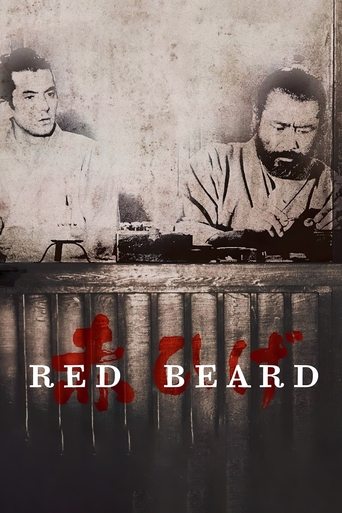
8.2Aspiring to an easy job as personal physician to a wealthy family, Noboru Yasumoto is disappointed when his first post after medical school takes him to a small country clinic under the gruff doctor Red Beard. Yasumoto rebels in numerous ways, but Red Beard proves a wise and patient teacher. He gradually introduces his student to the unglamorous side of the profession, ultimately assigning him to care for a prostitute rescued from a local brothel.
Red Beard
1965
 8.1
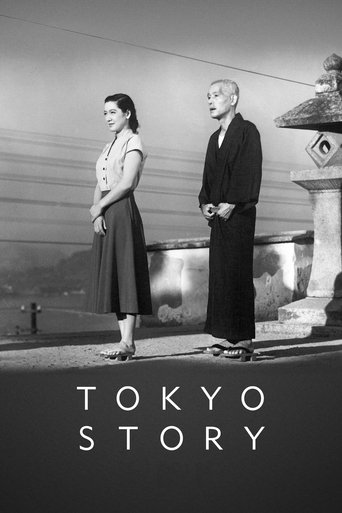
8.1The elderly Shukishi and his wife, Tomi, take the long journey from their small seaside village to visit their adult children in Tokyo. Their elder son, Koichi, a doctor, and their daughter, Shige, a hairdresser, don't have much time to spend with their aged parents, and so it falls to Noriko, the widow of their younger son who was killed in the war, to keep her in-laws company.
Tokyo Story
1953
 8.0
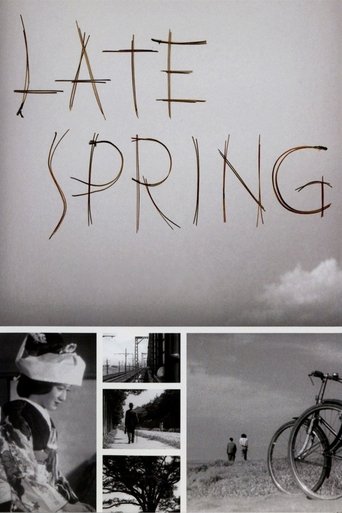
8.0Noriko is perfectly happy living at home with her widowed father, Shukichi, and has no plans to marry -- that is, until her aunt Masa convinces Shukichi that unless he marries off his 27-year-old daughter soon, she will likely remain alone for the rest of her life. When Noriko resists Masa's matchmaking, Shukichi is forced to deceive his daughter and sacrifice his own happiness to do what he believes is right.
Late Spring
1949
 7.7
7.7Taking its title from an archaic Japanese word meaning "ghost story," this anthology adapts four folk tales. A penniless samurai marries for money with tragic results. A man stranded in a blizzard is saved by Yuki the Snow Maiden, but his rescue comes at a cost. Blind musician Hoichi is forced to perform for an audience of ghosts. An author relates the story of a samurai who sees another warrior's reflection in his teacup.
Kwaidan
1965
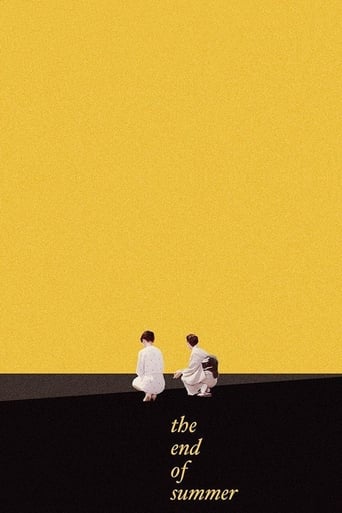 7.5
7.5The family of an older man who runs a small sake brewery become concerned with his finances and his health after they discover him visiting an old mistress from his youth.
The End of Summer
1961
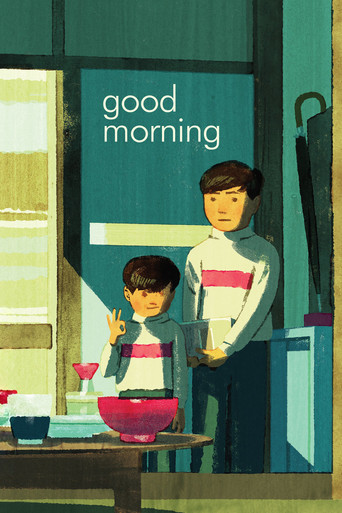 7.7
7.7Two boys beg their parents for a television set, nagging them until all patience is lost. The parents order the boys to be quiet and the boys do exactly that--refusing to utter a word. The boys' silence ultimately puts the whole neighborhood into turmoil.
Good Morning
1959
Film credits
1990s · 3 titles
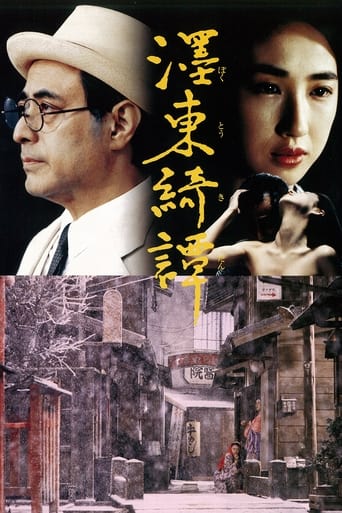 7.2
7.2A story of Japanese writer Kafu Nagai (1879-1959), a man about sixty with a huge reputation of seducer who falls madly in love for a young geisha named Oyuki. Meticulous and smartly dressed, Nagai patiently wrote in his diary his thoughts during many years. A melancholy reflection on the passage of time and a brilliant interpretive exercise.
The Strange Tale of Oyuki
1992
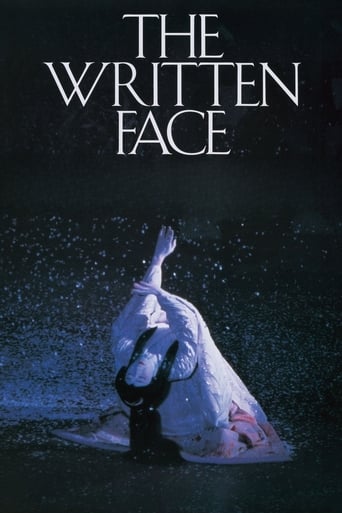 8.0
8.0In Japanese theater, women's roles are traditionally played by men. The man playing the woman's role, the Onnagata, does not imitate the woman, as in the West, but tries to capture her significance. He need not stick close to his model, but draws far more from his own identity - a shift of value takes place, which is nonetheless not a step beyond. THE WRITTEN FACE is an attempt to offer an insight into the Japanese Kabuki star Tamasaburo Bando, one of the last defenders of this ancient and disappearing performing tradition.
The Written Face
1995
 7.1
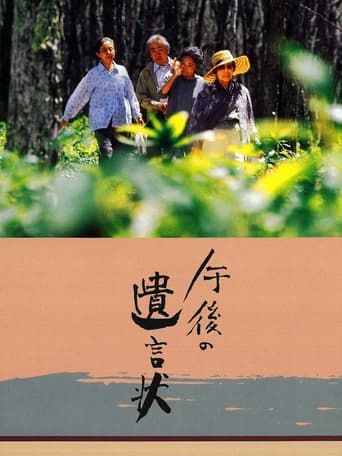
7.1A retired actress whose husband has recently died visits her summer home. There she has encounters with old friends and acquaintances who bring various stories and news of death and the past
A Last Note
1995
1970s · 2 titles
 7.2
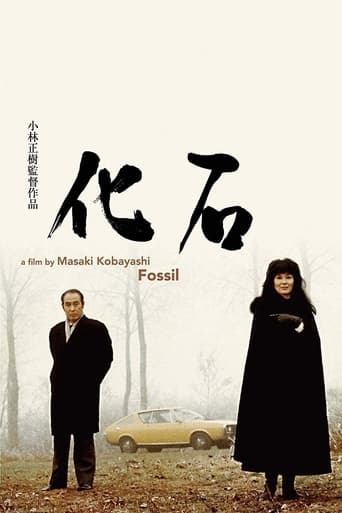
7.2An industrialist is diagnosed with terminal cancer. He is abroad in Europe at the time, and a glimpse of a Japanese woman in that setting causes him to imagine her as the personification of his impending fate. As his dialogue with his imagined mortality continues, he meets the living woman, the template for his fantasy, and together, they tour rural churches. Gradually, he comes to some kind of peace about the diagnosis. When he returns to Japan, he is met with a series of challenges that profoundly test the lessons he has learned.
The Fossil
1975
 6.3
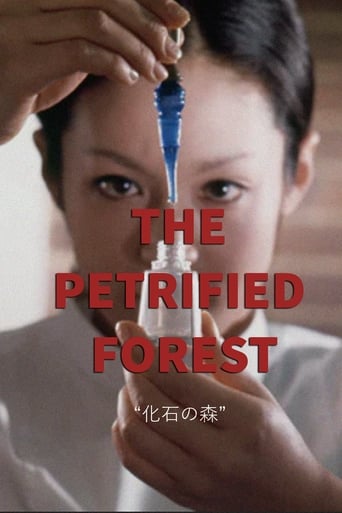
6.3Troubled medical student Haruo navigates a toxic relationship with his mother and a dangerous affair with former classmate Eiko, leading to a murder plot involving a potent poison.
The Petrified Forest
1973
1960s · 19 titles
8.2Aspiring to an easy job as personal physician to a wealthy family, Noboru Yasumoto is disappointed when his first post after medical school takes him to a small country clinic under the gruff doctor Red Beard. Yasumoto rebels in numerous ways, but Red Beard proves a wise and patient teacher. He gradually introduces his student to the unglamorous side of the profession, ultimately assigning him to care for a prostitute rescued from a local brothel.
Red Beard
1965
7.7Taking its title from an archaic Japanese word meaning "ghost story," this anthology adapts four folk tales. A penniless samurai marries for money with tragic results. A man stranded in a blizzard is saved by Yuki the Snow Maiden, but his rescue comes at a cost. Blind musician Hoichi is forced to perform for an audience of ghosts. An author relates the story of a samurai who sees another warrior's reflection in his teacup.
Kwaidan
1965
7.5The family of an older man who runs a small sake brewery become concerned with his finances and his health after they discover him visiting an old mistress from his youth.
The End of Summer
1961
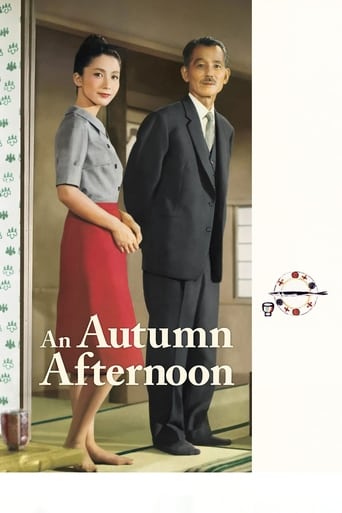 7.9
7.9Widower Shuhei Hirayama's caretaker is his 24-year-old daughter, Michiko. Gradually, he comes to realize that Michiko should not be obliged to look after him for the rest of his life, so he arranges a marriage for her.
An Autumn Afternoon
1962
 7.3
7.3Japan, 1860. The men of the Mito clan, victims of the Ansei purge, anxiously prowl around the Sakurada Gate of Edo Castle with the intention of assassinating Naosuke Ii of Hikone, tairō of the Tokugawa shogunate and responsible for their misfortune.
Samurai Assassin
1965
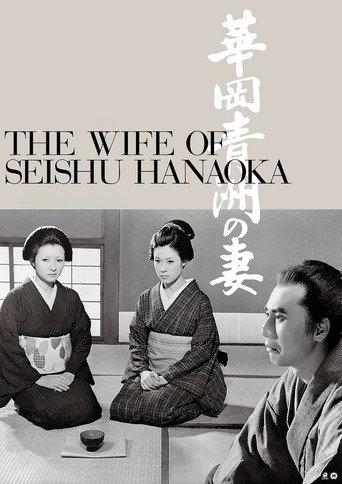 6.6
6.6The disturbing story of a physician who conducted the first operation with general anaesthetic, and the women in his life who are both so determined to win his love that they volunteer as subjects for his experiments
The Wife of Seishu Hanaoka
1967
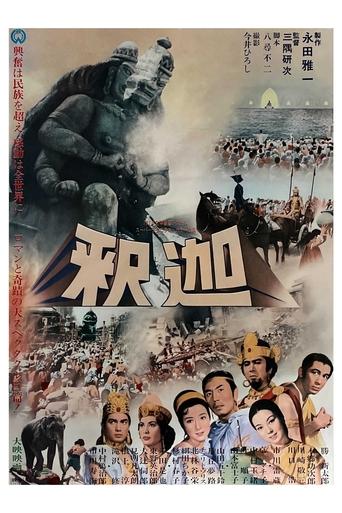 10.0
10.0An Indian prince leaves his world of comfort and riches behind to wander and meditate for six years in search of spiritual enlightenment. Siddartha (Cojoin Hong) turns his back on the old religion when people are starving needlessly and holy rituals include human sacrifices. During his meditations, he is tempted by erotic dancing women, demons, and the evil machinations of his criminal cousin. Devastate to attain the spiritual perfection and become the Buddha. He travels to convert followers by his kindness and wisdom, gaining a multitude of believers when he stops an elephant from crushing a local priest. Buddha of course goes on to become one of the great religious leaders of the world.
Buddha
1961
 6.7
6.7Young lord Saburo Nobuyasu struggles to find comfort in life. His arranged marriage to Tokuhime, daughter of one-time family enemy Oda Nobunaga, provides little happiness. His manipulative mother adds further complications through her constant interference and attempts at defeating the Nobunaga family.
The Conspirator
1961
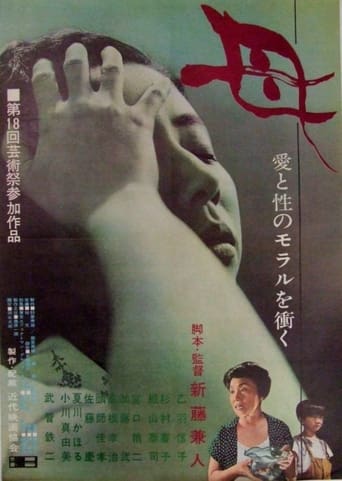 6.8
6.8A divorced woman enters a marriage arranged by her mother in exchange for money to save the life of her seriously ill son.
Mother
1963
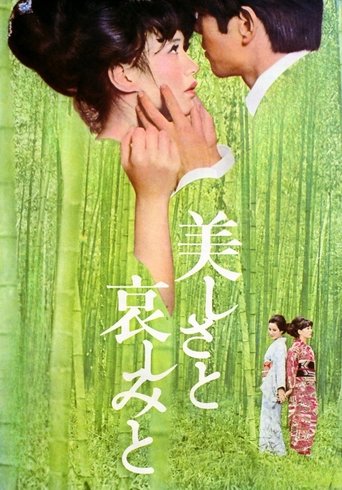 5.7
5.7When the man who seduced famous painter Otoko Ueno as a teenager–and then wrote a bestselling novel about it–reappears in her life, her pupil–and lesbian lover–hatches a plot to destroy the man and his livelihood.
With Beauty and Sorrow
1965
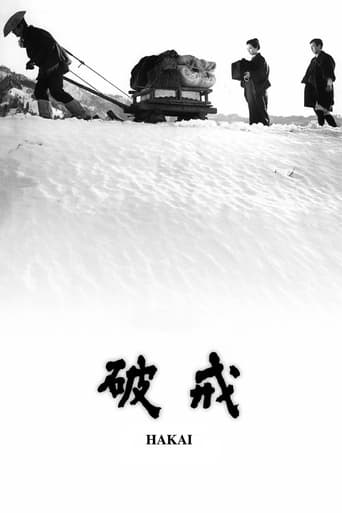 6.8
6.8Ushimatsu's father told him never to reveal his lower-caste heritage; years later, he now contemplates confiding in an activist fighting against such discrimination.
The Broken Commandment
1962
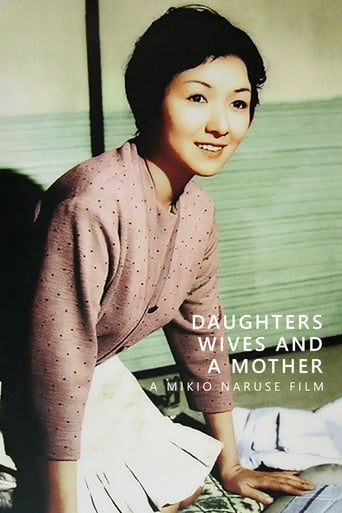 7.3
7.3Sanae is left a widow after her prestigious husband dies, but holds the proceeds of a million yen insurance policy. Being childless, her former in-laws have no objection to her return to her own family.
Daughters, Wives and a Mother
1960
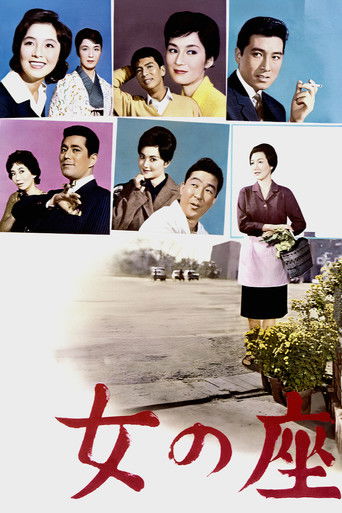 7.2
7.2Drama about the lives of the five daughters and daughter-in-law of a store owner.
The Wiser Age
1962
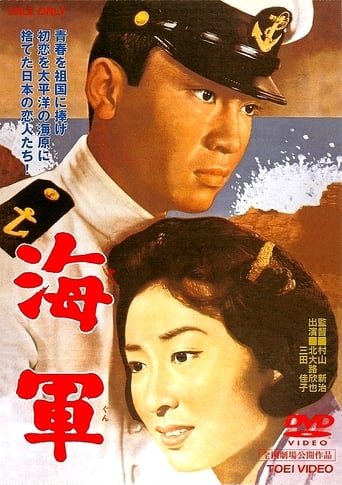 NR
NRA tale of two best friends in the WWII era Japan. Takao is a young man enthusiastic about joining the navy to fight for his country. He convinces his best friend Shinji to join him. As it turns out, however, Takao's poor health prevents him from entering the navy while his friend is chosen instead. As time goes by, Takao becomes a painter and changes his mind about the meaningfulness of war and fighting, while his friend goes the opposite path. Meanwhile Takao's sister falls in love with Shinji.
The Navy
1963
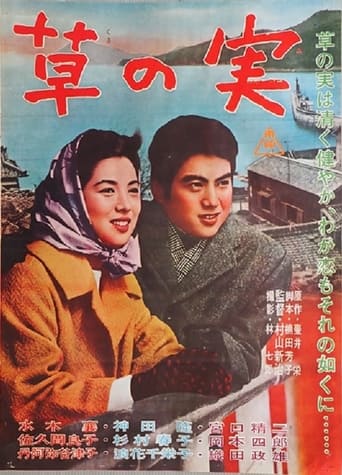 NR
NR1962 Japanese movie
Jun'ai monogatari kusa no mi
1962
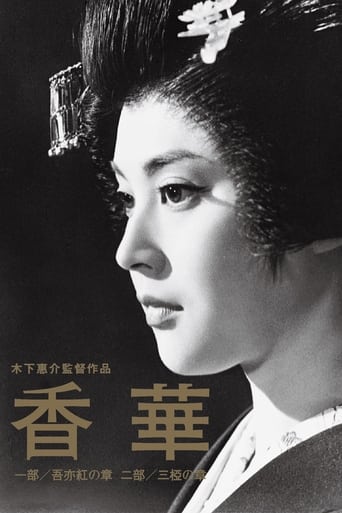 7.2
7.2After her mother runs away from home, Tomoko is raised to be a geisha. One day Tomoko meets her mother in a red-light district in Tokyo and her life deeply gets in trouble.
The Scent of Incense
1964
 9.0
9.0One day a company executive learns that his younger brother, whom he recommended, embezzled company funds. To save the situation he withdraws his life savings and gives money to his younger brother. He then suddenly disappears…
The Radish and the Carrot
1965
 NR
NR"Youth After School" takes Tokyo and Kyoto as the stage, and tells the story of a family that develops around the daughter's marriage. The play was broadcast on NHK TV in 1963, but the program recording technology was not mature at that time, and relevant people called it "phantom TV drama (幻のドラマ)". However, this TV series that was originally thought to be lost has been rediscovered after 50 years.
Youth After School
1963
 7.2
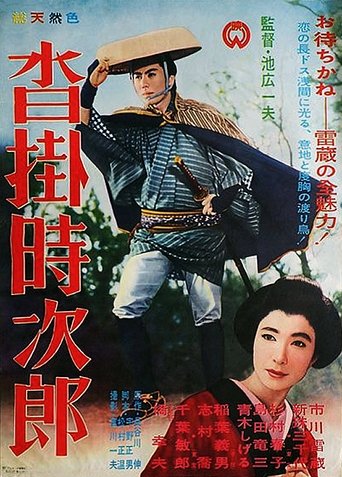
7.2One of Japan's most popular stories is the tale of Kutsukake Tokijiro, a traveling gambler who finds that he must take care of the wife and child of a yakuza he had been forced by the code of the gamblers to fight man to man. In a brilliant performance from super-star Ichikawa Raizo, with strong support from two of the greats from Toho, Shimura Takashi (7 Samurai) and Aratama Michiyo (Sword of Doom) the heartfelt story reaches new heights. Tokijiro, having learned the true nature of the boss to whom he was obligated for having spent a night and eaten at the gang's headquarters takes up arms against them in a running battle fought across the back roads of the entire nation. Another powerful rendition of this superb story, it is not to be missed!
The Gambler's Code
1961
1950s · 26 titles
8.1The elderly Shukishi and his wife, Tomi, take the long journey from their small seaside village to visit their adult children in Tokyo. Their elder son, Koichi, a doctor, and their daughter, Shige, a hairdresser, don't have much time to spend with their aged parents, and so it falls to Noriko, the widow of their younger son who was killed in the war, to keep her in-laws company.
Tokyo Story
1953
7.7Two boys beg their parents for a television set, nagging them until all patience is lost. The parents order the boys to be quiet and the boys do exactly that--refusing to utter a word. The boys' silence ultimately puts the whole neighborhood into turmoil.
Good Morning
1959
 7.9
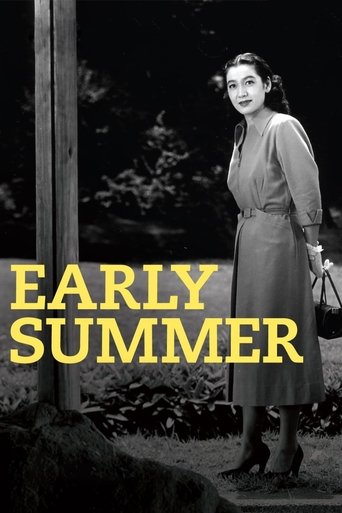
7.9In postwar Tokyo, Noriko lives with her extended family. Although she enjoys her career and her social life, her more traditional family worries about her single marital status at the advanced age of 28. 40-year-old business associate Takako proposes, Noriko's family press her into accepting, but when her widowed childhood friend Kenkichi returns to the neighborhood, she finds her heart leading in another direction.
Early Summer
1951
 6.7
6.7In 8th-century China, the Emperor grieves the death of his wife. The Yang family wants to provide the Emperor with a consort so that they may consolidate their court influence. General An Lushan finds a distant relative working in their kitchen, whom they groom to present to the Emperor. The Emperor falls in love and she becomes the Princess Yang Kwei-fei. The Yangs are then appointed important ministers, though An Lushan is not given the court position he covets.
Princess Yang Kwei-fei
1955
 7.6
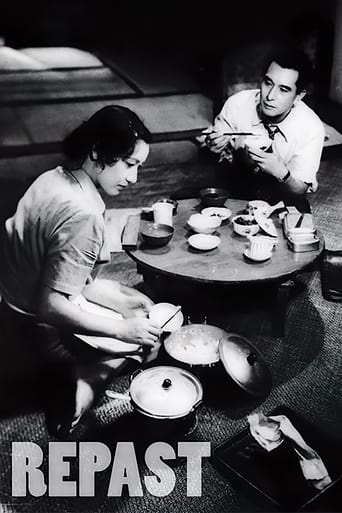
7.6In post-WWII Osaka, a middle-aged woman is forced to examine her dreary life and marriage when her husband's young and flirtatious cousin arrives for a brief stay to escape an arranged marriage.
Repast
1951
 7.5
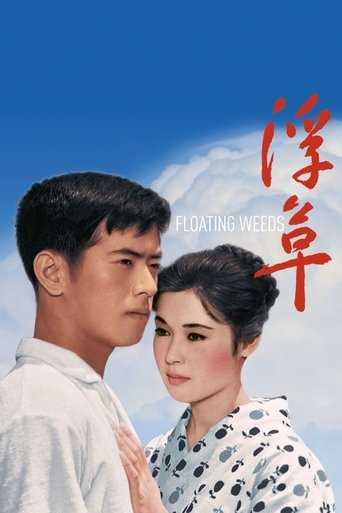
7.5A theater troupe master's visit with his old flame unintentionally sets off a chain of unexpected events with devastating consequences.
Floating Weeds
1959
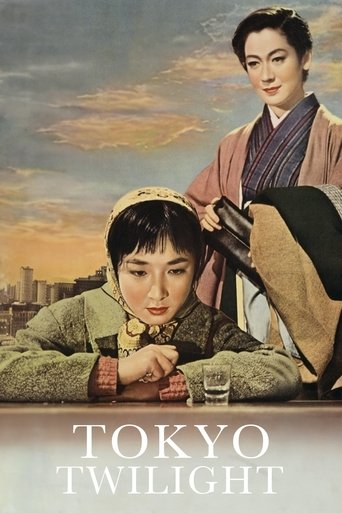 7.7
7.7Two sisters learn about the existence of their long-lost biological mother, but the younger is unable to accept the fact that she was abandoned as a child.
Tokyo Twilight
1957
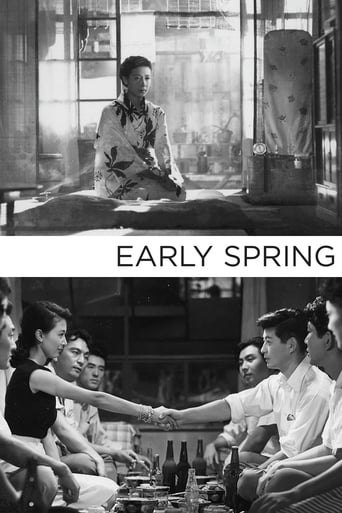 7.5
7.5A young salaryman and his wife struggle within the confines of their passionless relationship while he embarks on an extramarital affair.
Early Spring
1956
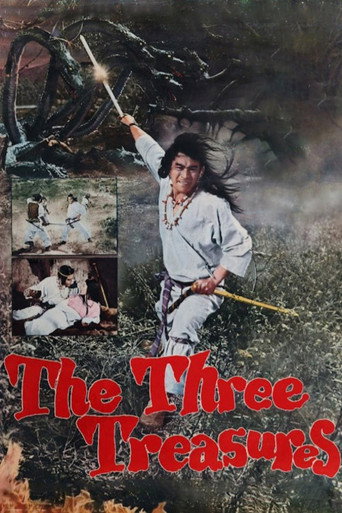 5.5
5.5The legend of the birth of Shintoism. In Fourth Century Japan, the Emperor's son Ouso expects to succeed his father on the throne, but Otomo, the Emperor's vassal, prefers Ouso's stepbrother, and conspires to have Ouso die on a dangerous mission he has contrived. But Ouso prevails in the mission and returns to his father's castle under a new name, Prince Yamato Takeru. Otomo plots to have the Prince sent into even greater danger, but Otomo is unaware that the gods have favored the Prince and the outcome is far from what any of them expected.
The Three Treasures
1959
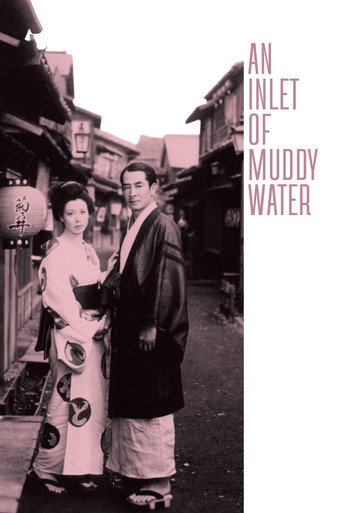 6.2
6.2A Japanese woman writes down three stories she has witnessed or heard of in her diary, each about the difficult situation a young woman finds herself in.
An Inlet of Muddy Water
1953
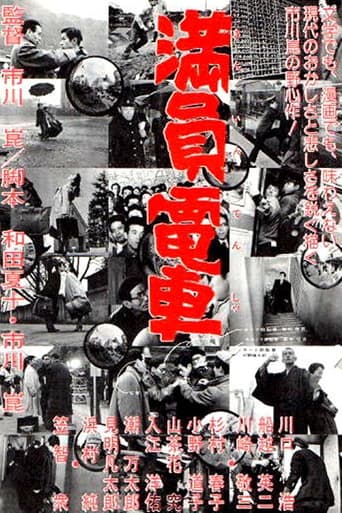 6.8
6.8Tamio Moroi, a young university graduate, works at a large brewery where he is taught to do nothing but look busy. When his father goes insane, he is told to send money for medical research into the condition. This prompts him to pay his father a visit, leading to a series of mishaps that leaves him at the bottom of the heap in what he once expected to be a promising lifetime career.
The Crowded Train
1957
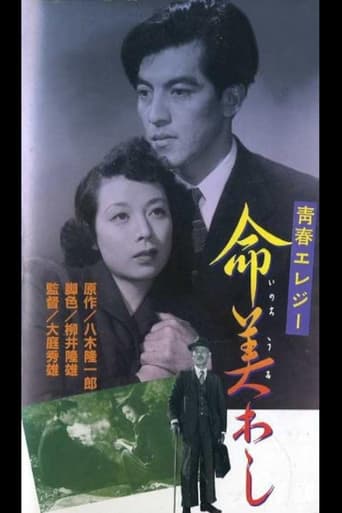 10.0
10.0Inochi uruwashi
Beauty of Life
1951
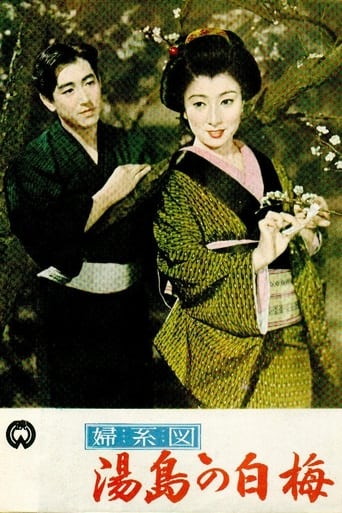 8.0
8.0Hayase, a schoolteacher, assists Sakai in editing a German-Japanese dictionary. Hayase owes much to Sakai, as Sakai raised him for 13 years after Hayase lost his parents in a war. Hayase has been secretly married to Otsuta, a former geisha, and has been unable to tell Sakai of the marriage, aware as he is that Sakai wants him to marry his daughter, Taeko. Otsuta wants Hayase to tell Sakai about her, but understands the difficulty of his position. At a festival, Otsuta is mistaken for a pickpocket and taken to the police. Because of her background as a geisha, newspaper reporters eagerly delve into her past and report that she has been married to Hayase. Unaware of what has been printed in the papers, Hayase decides to tell Sakai about his marriage. Sakai shows the newspaper to him and orders Hayase to part with Otsuta. Given no chance to explain, Hayase accepts Sakai's order.
The Romance of Yushima
1955
 7.7
7.7A war widow with a young boy manages a farm with her bossy mother-in-law. When a reporter comes to interview her, the two begin an affair. He turns out to be married and won't leave his wife. Her older brother tries to marry off his children and hang on to/ extend his farm through an advantageous marriage in the face of threatened land confiscation and the desire of his children to get comfortable urban jobs instead of the backbreaking work in the paddy fields under parental control.
Summer Clouds
1958
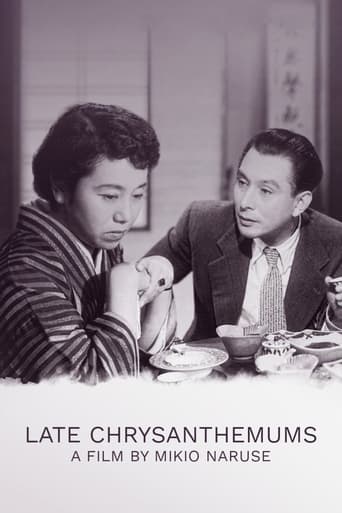 7.2
7.2What is the life of a Geisha like once her beauty has faded and she has retired? Kin has saved, and become a wealthy money-lender, spending her days coldly collecting debts. Even her best friends, fellow Geisha Tomi, Nobu, and Tamae, are now indebted to her. For all of them, the glamour of their young lives has passed; Tomi and Tamae have disappointing children. Kin has two former lovers who still pursue her; one she wants to see, and the other she doesn't. But even the one she remembers fondly, when he shows up, proves less than satisfactory.
Late Chrysanthemums
1954
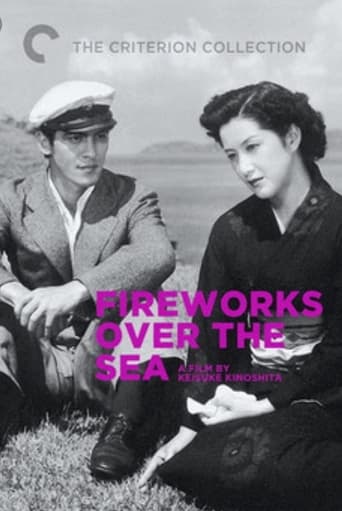 5.4
5.4A fishing union depends on two brothers to make up the losses caused by the dishonest captains they replaced.
Fireworks Over the Sea
1951
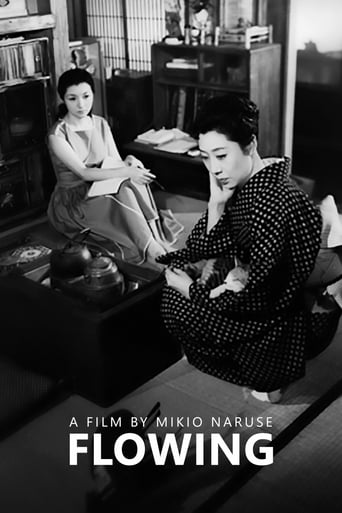 7.2
7.2Otsuta is running the geisha house Tsuta in Tokyo. Her business is heavily in debt. Her daughter Katsuyo doesn't see any future in her mother's trade in the late days of geisha. But Otsuta will not give up. This film portrays the day time life of geisha when not entertaining customers.
Flowing
1956
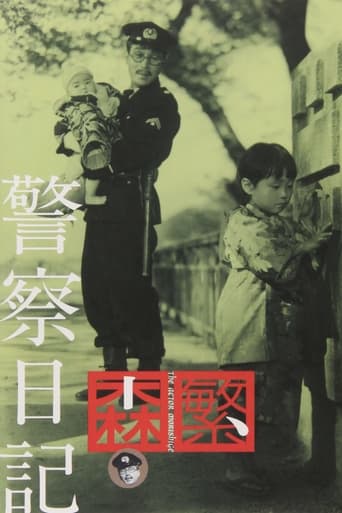 7.0
7.0Lending money, job hunting for civilians and babysitting. All these things are usually not listed on a policeman's job description. But for the officers of this local police station, it‘s part of their daily routine. One day, patrolman Yoshii (Hisaya Morishige) finds an abandoned baby and a six year old girl standing in front of the station. When he's declined by the welfare office, orphanage and local health clinic to take them in, he decides to take care of them himself.
Policeman's Diary
1955
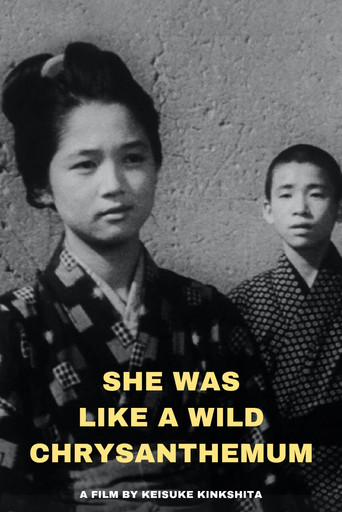 7.0
7.0On the way back to his childhood home, a septuagenarian man recalls his childhood and adolescence, in particular his love for a young woman.
She Was Like a Wild Chrysanthemum
1955
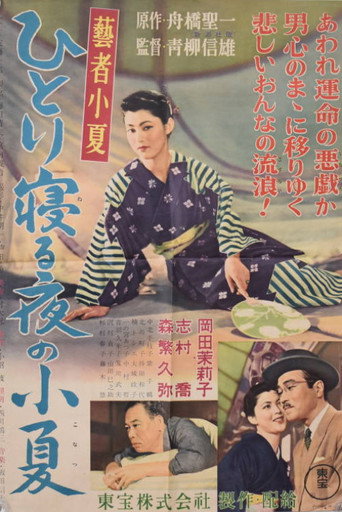 NR
NRA sequel to Geisha Konatsu (1954).
The Tears of Geisha Konatsu
1955
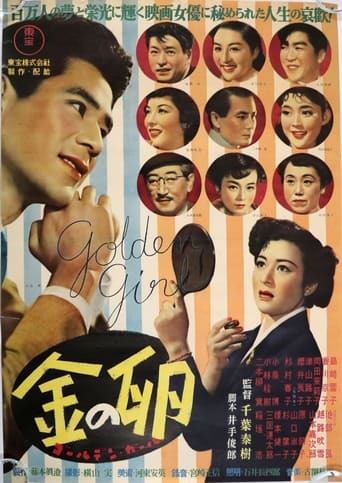 9.0
9.0Once an average and seemingly ordinary Tokyo girl, she suddenly finds herself as a TV star owing to her discovery by a casting company, which noticed photographs that her cousin had sent. When another actress falls ill she is given the role instead. Her first film is a success propelling the young actress to popularity, her own fans, money and a house. While everything looks dandy from the outside not all is well within the family however.
Kin no tamago: Golden Girl
1952
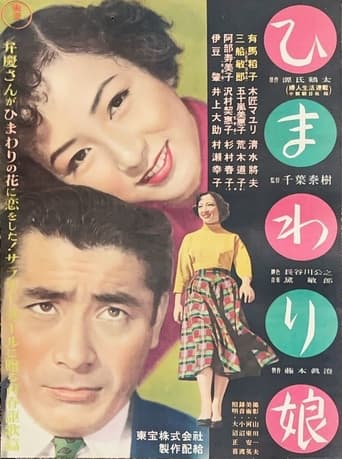 10.0
10.0Young Setsuko Fujino begins a new job at Tokyo Chemical Company. She likes her boss, Ippei Hitachi, and enjoys serving him tea, despite the fact that her fellow workers think the women employees should not have to act in such a servile manner. When the women go on strike over the issue, Setsuko finds herself caught in the middle. When the heir to the company, Ryosuke Tanabe, proposes marriage to Setsuko, she is honored, but realizes that her real affection is for Hitachi.
Sunflower Girl
1953
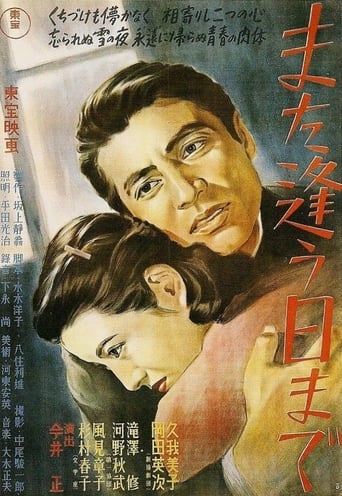 6.7
6.7Saburo and Keiko fall in love with each other but the tide of war separates them.
Till We Meet Again
1950
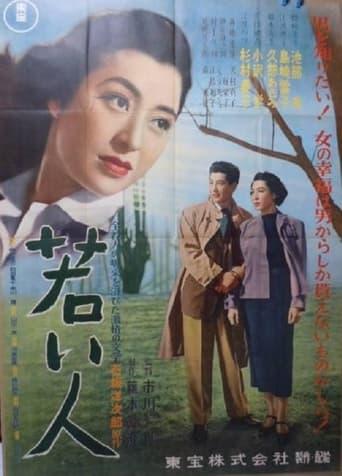 8.0
8.0No synopsis available yet.
Forbidden Path
1952
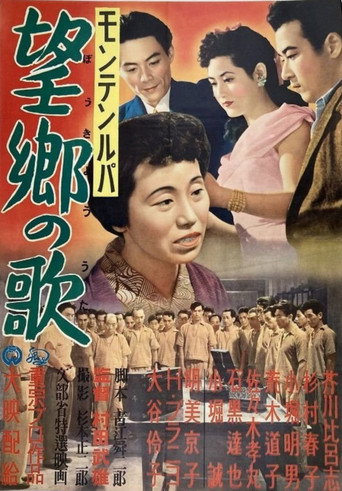 NR
NRA moving episode in which a war criminal in the Philippines, having faced death, pleads earnestly while trembling with fear.
Muntinlupa: Song of Nostalgia
1953
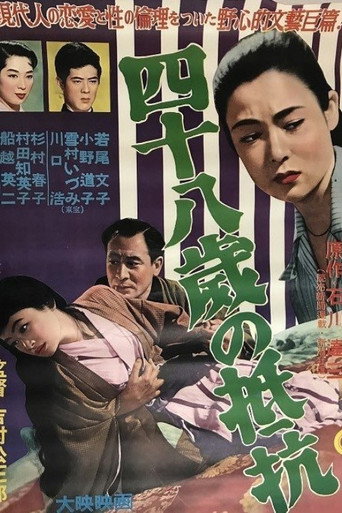 NR
NRA literary masterpiece that sharply critiques the ethics of modern romance, featuring a 48-year-old father who burns through the last of his youth with a teenage girl, and a daughter in her twenties who falls in love with a younger man and champions sexual liberation.
Yonjū-hassai no teikō
1956
1940s · 9 titles
8.0Noriko is perfectly happy living at home with her widowed father, Shukichi, and has no plans to marry -- that is, until her aunt Masa convinces Shukichi that unless he marries off his 27-year-old daughter soon, she will likely remain alone for the rest of her life. When Noriko resists Masa's matchmaking, Shukichi is forced to deceive his daughter and sacrifice his own happiness to do what he believes is right.
Late Spring
1949
 6.9
6.9After her anti-fascist professor father is dismissed, Yukie navigates love, political repression, and wartime upheaval—ultimately forging her own path in pre- and post-WWII Japan.
No Regrets for Our Youth
1946
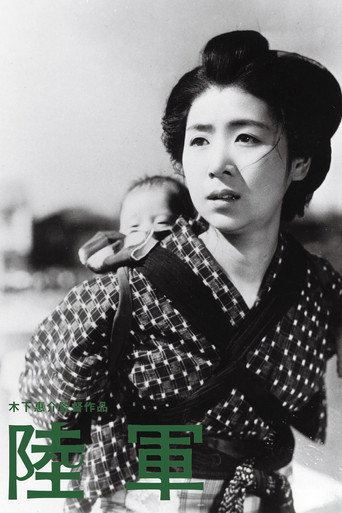 6.8
6.8Though plagued by ill health all his life, a young Japanese man is obligated to fulfill his family's longstanding military tradition.
Army
1944
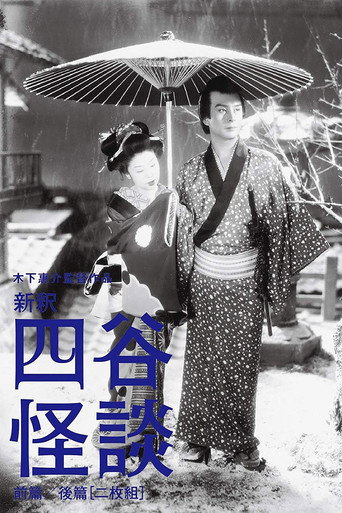 6.6
6.6Iemon Tamiya is an impoverished masterless samurai who craves a better life, which he cannot have because of his marriage to Oiwa, who is completely devoted to her husband.
Yotsuya Ghost Story Part 1
1949
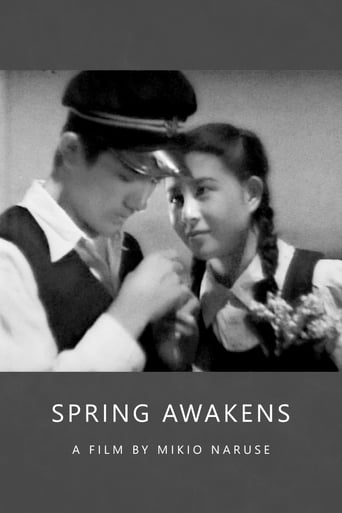 6.8
6.8Slice of life film centered on a couple of years in the life of a rural high school girl.
Spring Awakens
1947
6.6Part 2 starts where the first film ended, with Iemon disposing of the bodies of his wife and Kohei, marrying upward, and being blackmailed by the evil Naosuke.
Yotsuya Ghost Story Part 2
1949
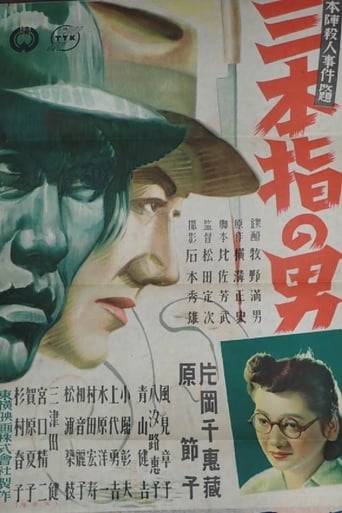 7.0
7.0Being acquainted with the bride's uncle, a famed private detective is invited to a wedding ceremony. The groom's family is moneyed and owns large tracts of land. The bride is a former teacher and was rumoured to have had an affair, which explains why the groom's family opposed the union. On the night of the ceremony the bride and groom are killed in a sealed room. There is evidence left, however, as there is a hand print on the wall albeit with only the trace of three fingers.
Three-Fingered Detective
1947
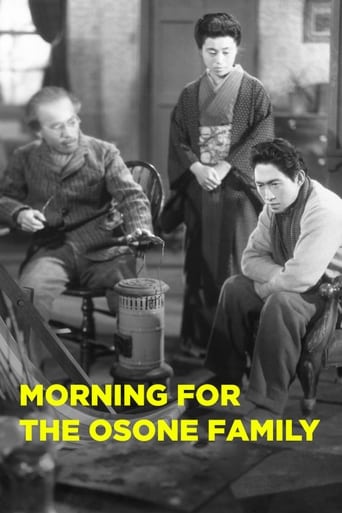 6.7
6.7A Japanese family weathers much hardship after their military uncle comes to live with them during WWII.
Morning for the Osone Family
1946
 NR
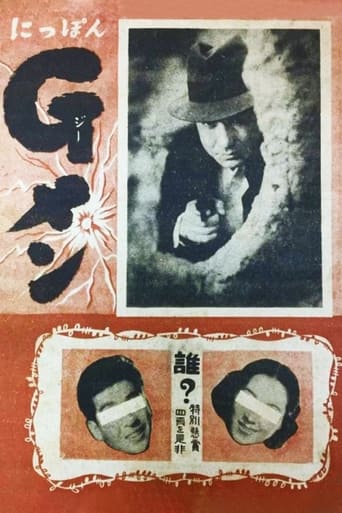
NRThe investigative unit of the Metropolitan Police Department organized a special investigative team to uncover a series of frequent gang robberies and car gangs... This is the first film in the Nippon G-Men series, of which four more films were later released.
G-Men of Japan
1948
Series credits
 NR
NRA former couple, separated for over 20 years, were reunited after being told their son had only 3 months to live. What should they do as parents? As they worried, they soon began to feel the weight of their family ties...
An Early Autumn
1987
 NR
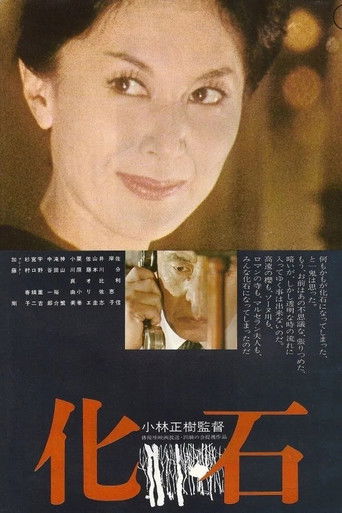
NRAn industrialist is diagnosed with terminal cancer. He is abroad in Europe at the time, and a glimpse of a Japanese woman in that setting causes him to imagine her as the personification of his impending fate. As his dialogue with his imagined mortality continues, he meets the living woman, the template for his fantasy, and together, they tour rural churches. Gradually, he comes to some kind of peace about the diagnosis. When he returns to Japan, he is met with a series of challenges that profoundly test the lessons he has learned.
Fossil
1972
 NR
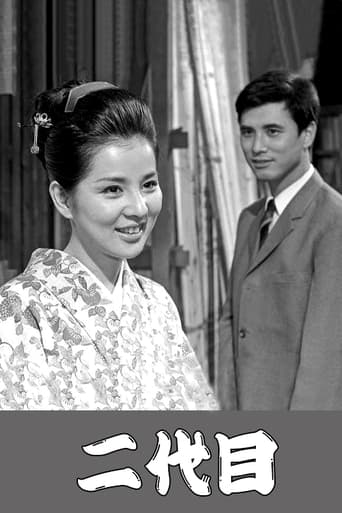
NRThe film explores the joys and sorrows of intergenerational life and the love between a mother and daughter at a lumber wholesale store in Kiba, Tokyo.
Second generation
1970
No synopsis available yet.
雪の華
1973