
Writing
Kōgo Noda
Born — Died
1893-11-19 — 1968-09-23
Place of birth
Hakodate, Japon
Known for
Writing
Credits
41 titles
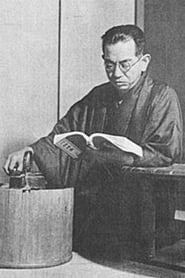
Kōgo Noda (野田高梧, November 19, 1893 – September 23, 1968) was a legendary Japanese screenwriter best known for his long-standing collaboration with director Yasujirō Ozu. Together, they co-wrote some of the most critically acclaimed masterpieces in world cinema history, including "Tokyo Story" (1953), "Late Spring" (1949), "Early Summer" (1951), and "An Autumn Afternoon" (1962). Noda also served as the inaugural president of the Japan Screenwriters Guild.
Known for
 8.0
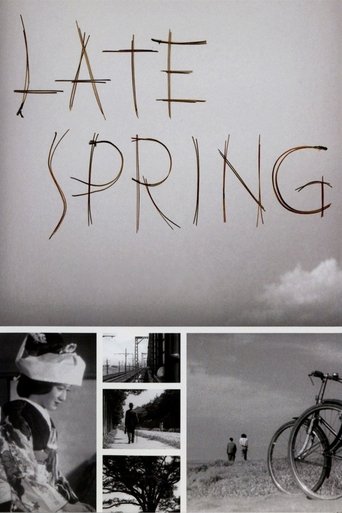
8.0Noriko is perfectly happy living at home with her widowed father, Shukichi, and has no plans to marry -- that is, until her aunt Masa convinces Shukichi that unless he marries off his 27-year-old daughter soon, she will likely remain alone for the rest of her life. When Noriko resists Masa's matchmaking, Shukichi is forced to deceive his daughter and sacrifice his own happiness to do what he believes is right.
Late Spring
1949
 8.2
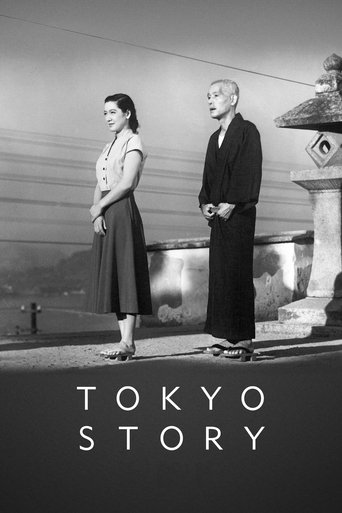
8.2The elderly Shukishi and his wife, Tomi, take the long journey from their small seaside village to visit their adult children in Tokyo. Their elder son, Koichi, a doctor, and their daughter, Shige, a hairdresser, don't have much time to spend with their aged parents, and so it falls to Noriko, the widow of their younger son who was killed in the war, to keep her in-laws company.
Tokyo Story
1953
 7.5
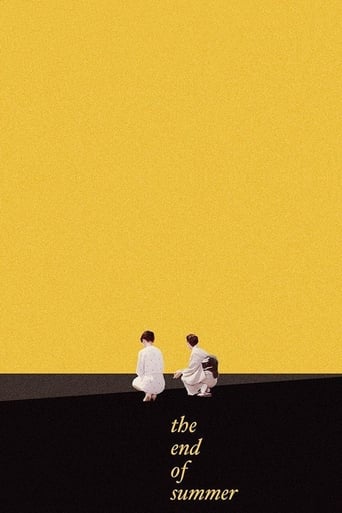
7.5The family of an older man who runs a small sake brewery become concerned with his finances and his health after they discover him visiting an old mistress from his youth.
The End of Summer
1961
 7.7
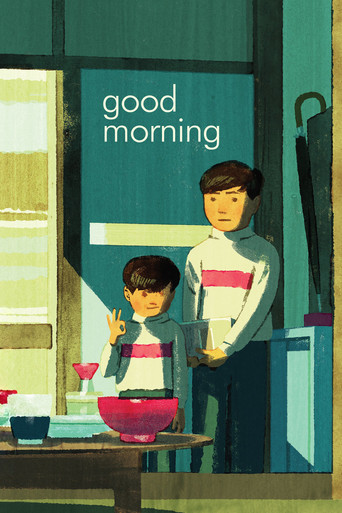
7.7Two boys beg their parents for a television set, nagging them until all patience is lost. The parents order the boys to be quiet and the boys do exactly that--refusing to utter a word. The boys' silence ultimately puts the whole neighborhood into turmoil.
Good Morning
1959
 7.9
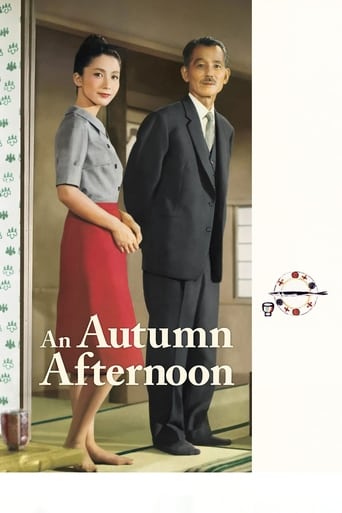
7.9Widower Shuhei Hirayama's caretaker is his 24-year-old daughter, Michiko. Gradually, he comes to realize that Michiko should not be obliged to look after him for the rest of his life, so he arranges a marriage for her.
An Autumn Afternoon
1962
 7.7
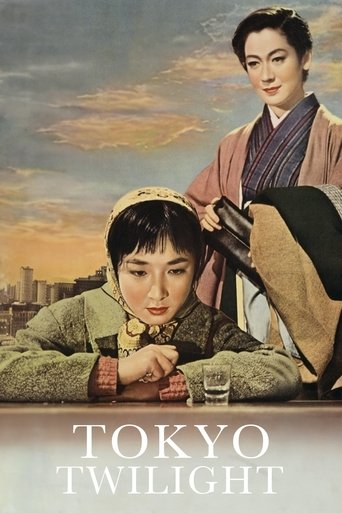
7.7Two sisters learn about the existence of their long-lost biological mother, but the younger is unable to accept the fact that she was abandoned as a child.
Tokyo Twilight
1957
Film credits
Behind the camera
8.0Noriko is perfectly happy living at home with her widowed father, Shukichi, and has no plans to marry -- that is, until her aunt Masa convinces Shukichi that unless he marries off his 27-year-old daughter soon, she will likely remain alone for the rest of her life. When Noriko resists Masa's matchmaking, Shukichi is forced to deceive his daughter and sacrifice his own happiness to do what he believes is right.
Late Spring
1949
8.2The elderly Shukishi and his wife, Tomi, take the long journey from their small seaside village to visit their adult children in Tokyo. Their elder son, Koichi, a doctor, and their daughter, Shige, a hairdresser, don't have much time to spend with their aged parents, and so it falls to Noriko, the widow of their younger son who was killed in the war, to keep her in-laws company.
Tokyo Story
1953
7.5The family of an older man who runs a small sake brewery become concerned with his finances and his health after they discover him visiting an old mistress from his youth.
The End of Summer
1961
7.7Two boys beg their parents for a television set, nagging them until all patience is lost. The parents order the boys to be quiet and the boys do exactly that--refusing to utter a word. The boys' silence ultimately puts the whole neighborhood into turmoil.
Good Morning
1959
7.9Widower Shuhei Hirayama's caretaker is his 24-year-old daughter, Michiko. Gradually, he comes to realize that Michiko should not be obliged to look after him for the rest of his life, so he arranges a marriage for her.
An Autumn Afternoon
1962
7.7Two sisters learn about the existence of their long-lost biological mother, but the younger is unable to accept the fact that she was abandoned as a child.
Tokyo Twilight
1957
 7.4
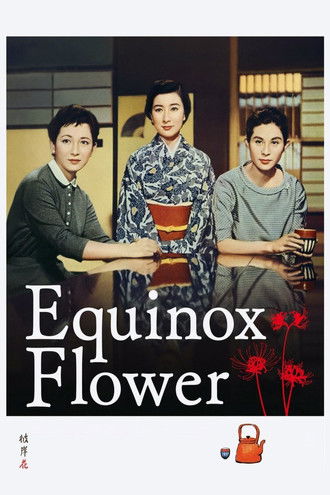
7.4Wataru's outwardly liberal views on marriage are severely tested when his daughter declares her love for a coworker and is adamant to live her own way, instead of agreeing to an arranged marriage. Outwitted by his female relatives, Hirayama stubbornly refuses to admit defeat.
Equinox Flower
1958
 7.7
7.7A woman and her daughter are each forced to contend with an increasing pressure to marry, particularly from three men who knew her late husband.
Late Autumn
1960
 7.5
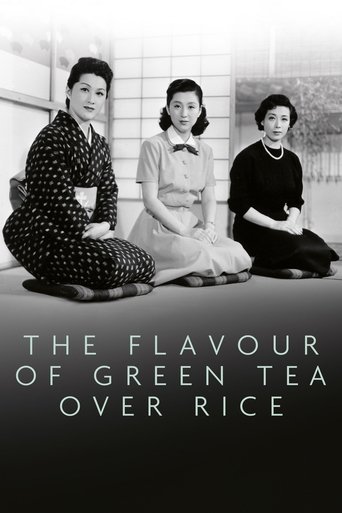
7.5The arranged marriage between a capricious woman from Tokyo high society and a quiet rustic man is tested by a marital crisis.
The Flavor of Green Tea Over Rice
1952
 7.5
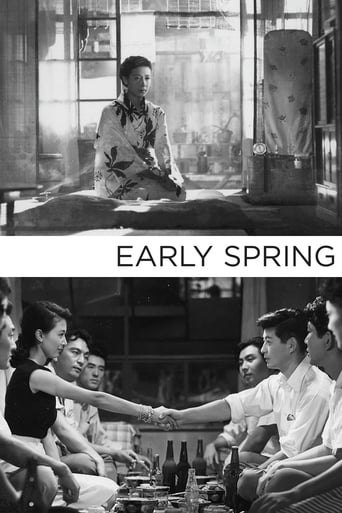
7.5A young salaryman and his wife struggle within the confines of their passionless relationship while he embarks on an extramarital affair.
Early Spring
1956
 7.9
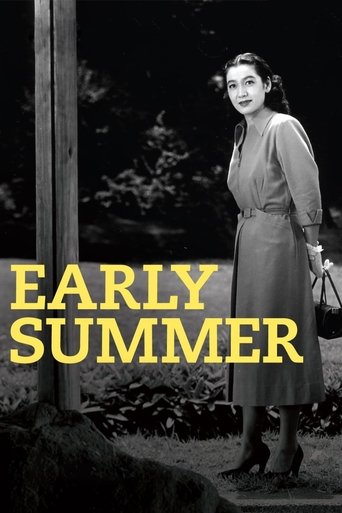
7.9In postwar Tokyo, Noriko lives with her extended family. Although she enjoys her career and her social life, her more traditional family worries about her single marital status at the advanced age of 28. 40-year-old business associate Takako proposes, Noriko's family press her into accepting, but when her widowed childhood friend Kenkichi returns to the neighborhood, she finds her heart leading in another direction.
Early Summer
1951
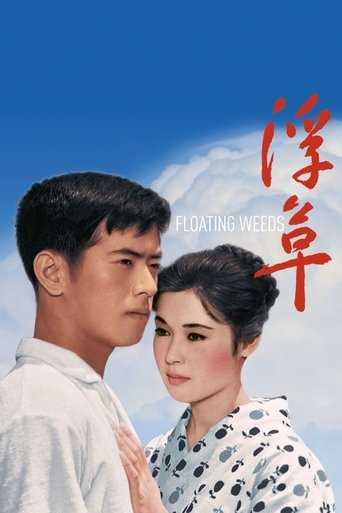 7.5
7.5A theater troupe master's visit with his old flame unintentionally sets off a chain of unexpected events with devastating consequences.
Floating Weeds
1959
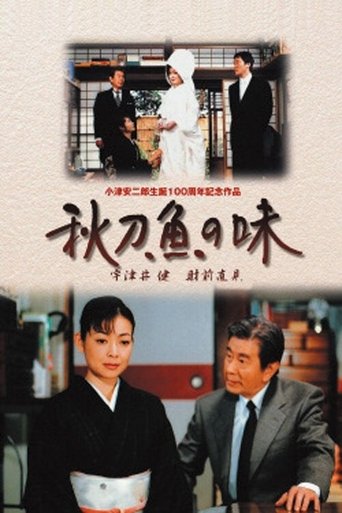 NR
NRA 2003 version of the 1962 original. Shuhei Hirayama is a widower with a 24-year-old daughter. Gradually, he comes to realize that she should not be obliged to look after him for the rest of his life, so he arranges a marriage for her.
An Autumn Afternoon
2003
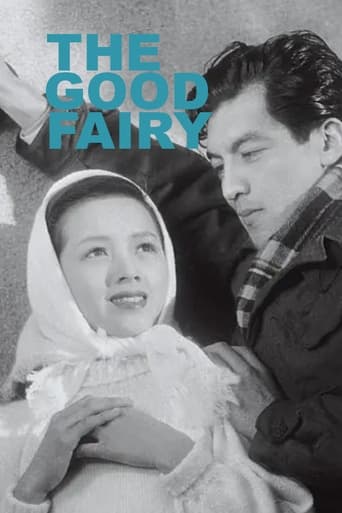 5.8
5.8The wife of an elite government official left her husband, and a young journalist is sent to investigate the case. But his boss has a hidden agenda.
The Good Fairy
1951
 7.0
7.0In a back alley of the Shitamachi district of Tokyo, Kihachi bears witness to a series of romantic complications involving the inhabitants of the neighborhood. Considered to be a lost film.
An Innocent Maid
1935
 NR
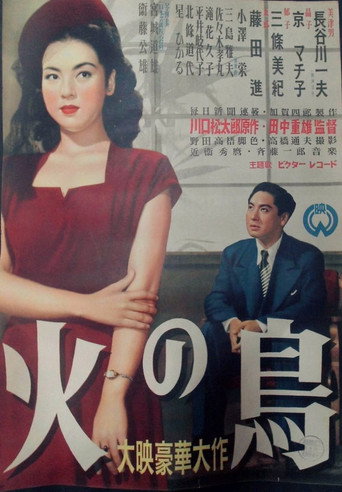
NRNo synopsis available yet.
Phoenix
1950
 8.0
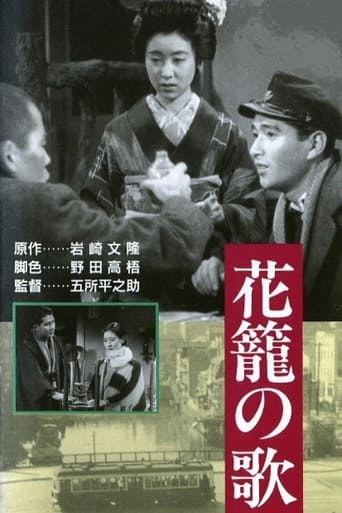
8.0Three men fall in love with the same young girl who works in a tonkatsu restaurant in the Shitamachi district of Tokyo.
Song of the Flower Basket
1937
 6.8
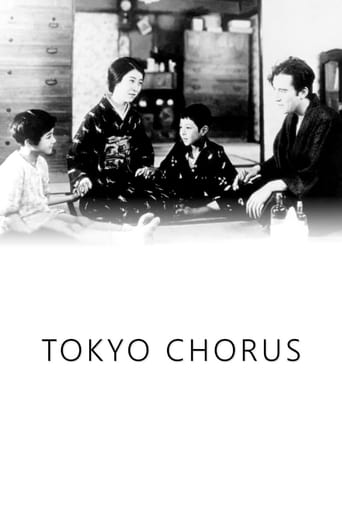
6.8During the Depression, a young man struggles to provide for his family after he is sacked for defending an older colleague.
Tokyo Chorus
1931
 NR
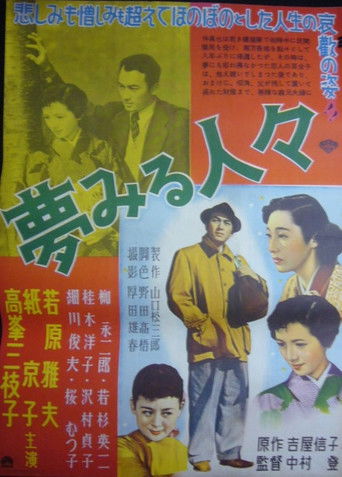
NRShinya Ban (Masao Wakahara) returns from the south and is deeply disappointed when he learns that his mutual friend Yuriko (Mieko Takamine) is marrying Toshio (Toshio Hosokawa), the son of Zenpei Hamaguchi (Yoshito Yamaji), for her obligation. He encouraged the unhappy Yuriko and taught her how to make her marriage with Toshio a happy one. He makes a fresh start as an architect under the care of Ryosuke Shibata (Jiro Yanagi), who had taken care of his father, but Ryosuke's daughter Sumiko (Yoko Katsuragi) has feelings for him. Fujie Kakimoto's (Sadako Sawamura) son Koichi (Eiji Wakasugi) came to know about Sumiko and asked her to marry him after coming to Shinya to ask for her design. Knowing that Shinya's love for Yuriko would not be easily wiped away, Sumiko decided to marry Koichi, who had a bad leg. Shinya watches the beautiful bond between Koichi and Sumiko and decides to forget his past and move forward on the path to self-perfection.
Dreaming People
1953
 7.3
7.3An actress returns to Tokyo after a successful stint in Hollywood to reclaim—with the help of her gangster brother—the daughter she abandoned years before.
No Blood Relation
1932
 7.1
7.1Setsuko is in an unhappy marriage to Mimura, an unemployed, alcoholic engineer. She had always been in love with Hiroshi but both failed to propose when Hiroshi left for France a few years ago. But now he's back and Mariko tries to reunite them, although she too is secretly in love with Hiroshi.
The Munekata Sisters
1950
 6.8
6.8Ryoichi and Chikako, brother and sister, live together. Chikako toils during the day and, at night, prostitutes herself to fund his college tuition.
Woman of Tokyo
1933
 NR
NRIn the movies of those times, you can see young boys in the company scene often. Those boys were called kyuji (給仕), which means “waiter” literally. They are doing odd jobs in the company including serving tea, ushering visitors, buying tobacco, etc. Ordering lunch for the individual requests was also an important job. Those boys were hired often as soon as they graduated from elementary school.
Let's Go in Good Spirits
1941
Japanese film from 1934.
Honeymoon
1934
 NR
NRNo synopsis available yet.
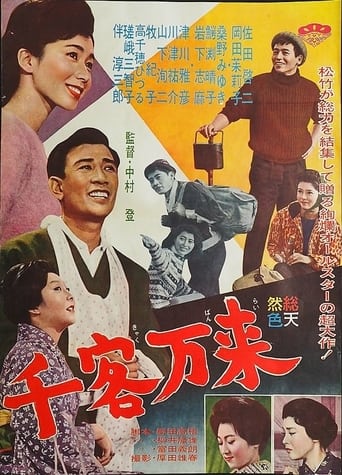
A Roaring Trade
1962
 7.0
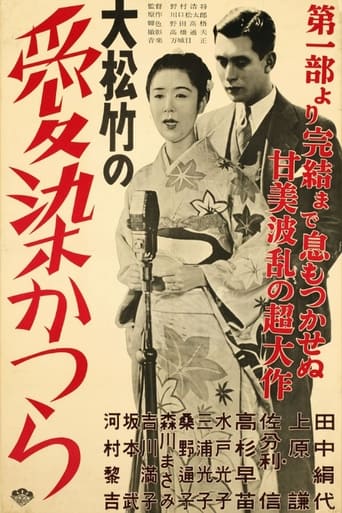
7.0A young doctor, Kozo Tsumura, falls for young nurse Katsue Takaishi. But she's got a secret: she's a widow with a son. Kozo and Katsue decide to run away to Kyoto, but her child suddenly became sick and she just missed the train and Kozo. She makes it to Kyoto finally, but is unable to meet him. Plus she isn't accepted into Kyoto society. She goes back to her hometown and tries to forget him. She quits the hospital to concentrate on her singing. She makes her professional debut with the hit "Aizen Katsura". Kozo is in the audience.
The Tree of Love
1938
 NR
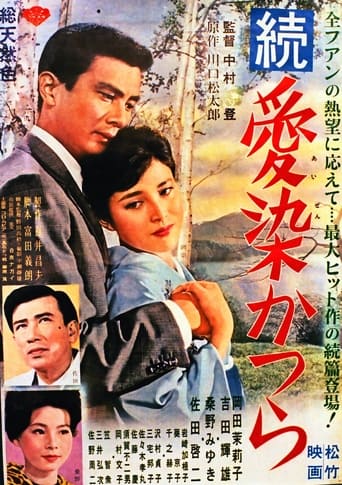
NR1962 Japanese movie
Zoku aizen katsura
1962
 NR
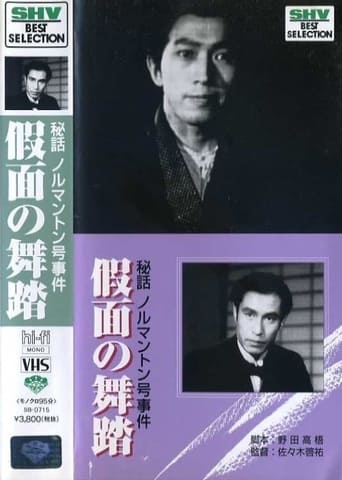
NRJapanese propaganda film about the Normanton Incident.
Dancing with a Mask
1943
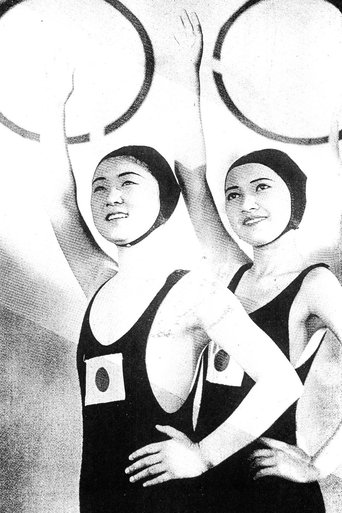 10.0
10.0Shigeko and Midori, star swimmers at the renowned Kirishima Girls’ School, are training relentlessly with their sights set on the Los Angeles Olympics. But for the past week, Shigeko has been absent from practice. Her father has fallen ill, and to support her family’s struggling finances, she has secretly taken a job at a trading company. When Masao discovers this, he asks Midori to convince her to return, but soon the school learns of her secret. The students rally to raise funds, though the principal refuses their help, promising instead to handle the situation himself. Shigeko resumes training and travels to Tokyo for the qualifying meet. She touches the wall first in the 100-meter freestyle—only to receive news of her father’s passing. Overcome with grief, she collapses, cared for by Midori, whose own exhaustion leaves her finishing fourth. Despite these hardships, their prior accomplishments earn them a place on Japan’s Olympic team.
Shine, Japanese Women
1932
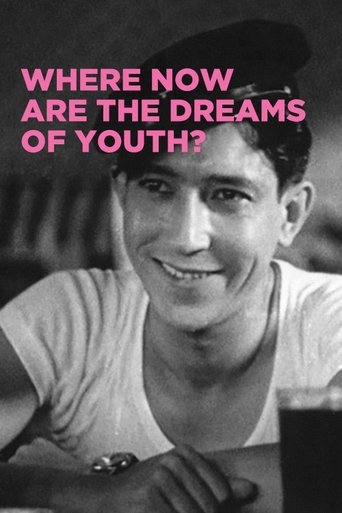 6.5
6.5When a young man inherits his father's lucrative business, he cheats the system to set up three of his college friends with jobs.
Where Now Are the Dreams of Youth?
1932
 10.0
10.0A salaryman finds some money in the street and gets a reward for returning it to its rightful owner. However his colleagues immediately start borrowing money and selling him things he doesn't need, much to his wife's annoyance. Considered to be a lost film.
The Luck Which Touched the Leg
1930
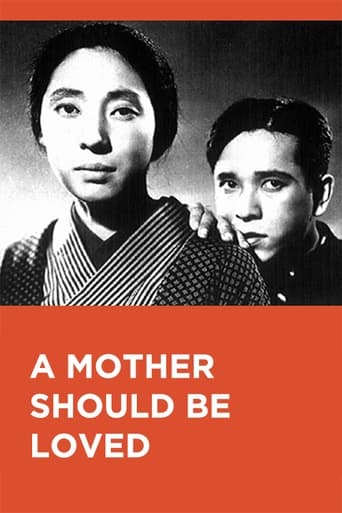 5.8
5.8A young man discovers that the woman who raised him is his stepmother. His stepbrother, who is unaware of the revelation, resents his mother for always punishing him more severely than his stepsibling.
A Mother Should Be Loved
1934
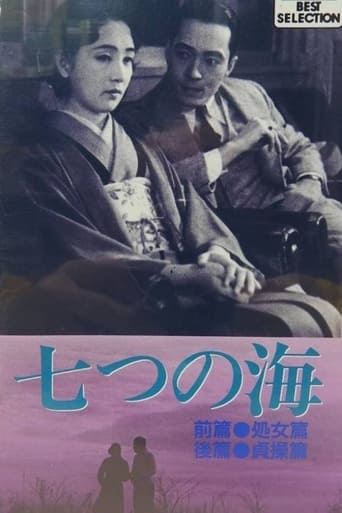 8.0
8.0Part two of Shimizu's major silent Seven Seas, a family drama of the intertwining fates of the rich, decadent Yagibashis and the far less prosperous Sone family.
Seven Seas: Chastity Chapter
1932
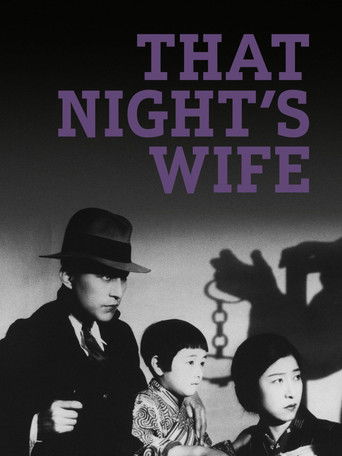 6.3
6.3In Depression-era Japan, a man commits a robbery to save his critically ill daughter and escapes with the funds, but complications arise.
That Night's Wife
1930
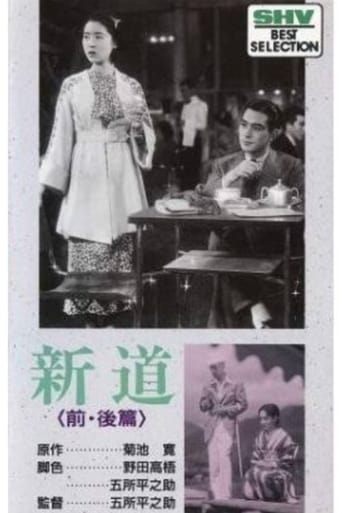 8.5
8.5The eldest daughter of a noble family is in love with an aviator while being courted by a fellow aristocrat she thinks is a dullard. This part is told from the perspective of Akemi.
The New Road: Akemi
1936
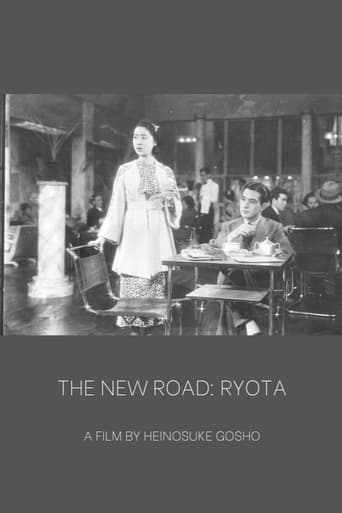 7.5
7.5The eldest daughter of a noble family is in love with an aviator while being courted by a fellow aristocrat she thinks is a dullard. Told from the perspective of Ryota. In this second part, we learn that Akemi is pregnant...
The New Road: Ryota
1936
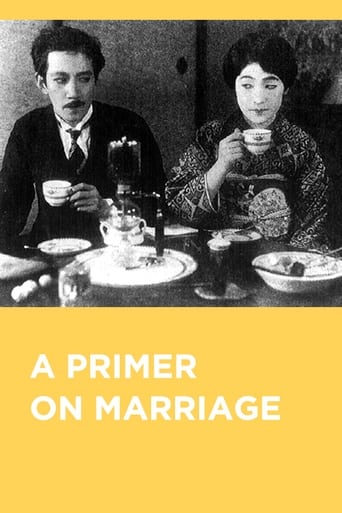 8.0
8.0Bored in his marriage, a dentist flirts with a young woman on a train. However he soon finds himself embroiled in a series of misunderstandings with his wife, the young woman and her husband. Considered to be a lost film.
A Primer on Marriage
1930
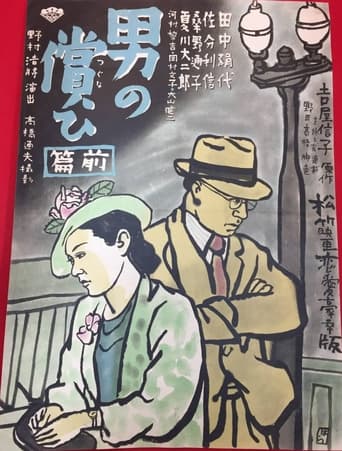 NR
NRSabu Toshinobu is an archaeologist who has taken a liking to Kinuyo Tanaka, the daughter of an archaeologist at an inn in Izu, where he is visiting to conduct an excavation. Sabun gets along well with his childhood friend Michiko Kuwano, but his mother (Fumiko Okamura) is against her, so he gives up easily and ends up being married to Kinuyo Tanaka.
A Man's Recompense: Part 1
1937
Japanese silent film from 1927.
The Basement
1927
 NR
NRHiromasa Nomura World War II era film
Dance of the Capital
1942