
Directing
Katerina Thomadaki
Born
1947-01-01 (79)
Place of birth
Athens, Greece
Known for
Directing
Credits
61 titles
Katerina Thomadaki, born in Athens, Greece, has studied literature and philosophy at the University of Athens, theater theory at the University Paris III, Sorbonne, philosophy of art at the University Paris I, Sorbonne, computer graphics at the National School of Decorative Arts, Paris. She teaches media art at the University Paris I, Sorbonne.
Known for
 NR
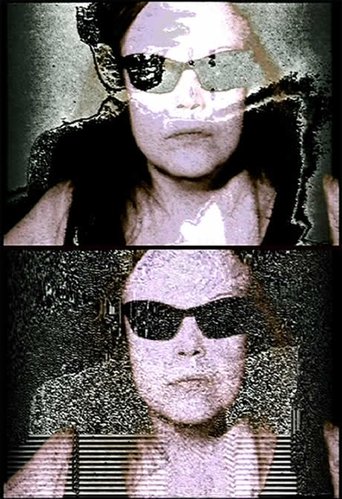
NRAngel Scan. "Trip" – but without substances – except the substances created by the brain when energy awakes as a creative conscience, accompanied by an intense experience of "light" and "darkness". Hustle and bustle, bombing of atoms, dance of electric particles animated of an ultra fast movement.Invisible units of infra-atomic energy, forms/colours which are characterized by their irradiating heat and by their attraction strength as well as their potential of sound/ vibratory energy.
Angel Scan
2007
 NR
NRReel 1 of Gérard Courant's on-going Cinematon series.
Cinématon I
1978
 NR
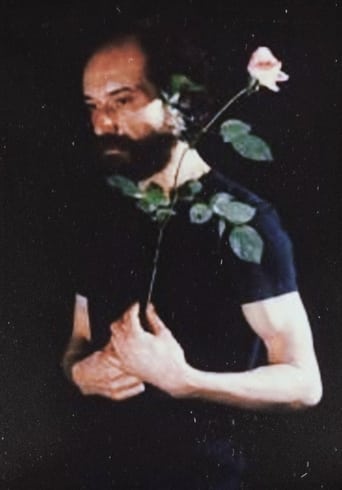
NRA single-screen version of the Portraits / Mirrors multi-projection. Featuring portraits of: Aloual, Gaël Badaud, Raphaël Bassan, Yann Beauvais, Jean-Michel Bouhours, Gérard Courant, Berndt Deprez, Bertrand Gadenne, Mythia Kolésar, Christian Lebrat, Stéphane Marti, Pascal Martin, Michel Nedjar, Dominique Noguez, Vivian Ostrovsky, Bernard Roué, Martine Rousset, Alain Sayag, Unglee, and Catherine Zbinden.
Portraits / Mirrors
1984
 NR
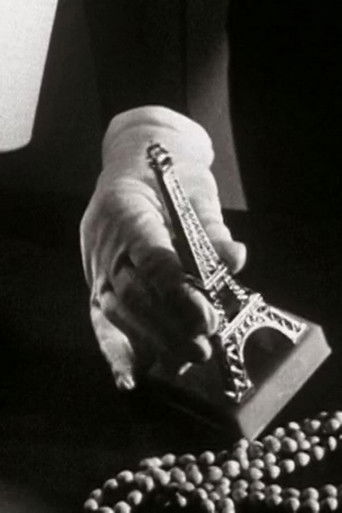
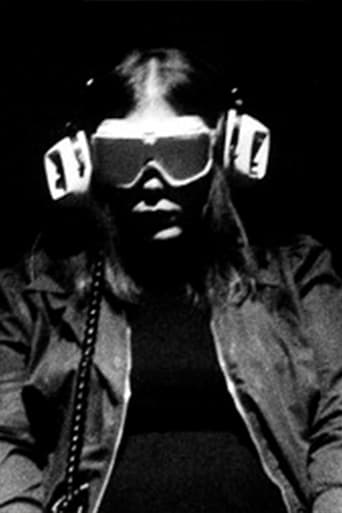
NRProfessor Anatole Lacoste is having a meeting with one of the agents of doctor Brain at a Jackson Pollock exhibition at Centre Pompidou. Meanwhile, Deborah is about to take a bath when burglar Torlim Novak breaks into her house. Everything seems to be normal when the computer at the control station spots an anomaly in the way history functions. But how does one stop the film?
European Crisis
1982
 NR
NRIn 1976, Maria Klonaris and Katerina Thomadaki direct with the Collectif 010 in La Cartoucherie in Vincennes a 48-hour action, Torture, which is recorded on tape by Jean Roualdès. In 2012, after the digitization of the original video tapes by the Bibliothèque Nationale of France for the Klonaris/Thomadaki Archive, the two artists proceed to a reinterpretation of this document, highlighting the characteristics of the 1/2-inch video format. This video is a trace of a public performance, where bodies, even under constraint, blinded and gagged, manifest their protest power against coercion. This performance against torture is one of the first examples of the art of the body theorized by the two artists.
La Torture
2012
 3.2
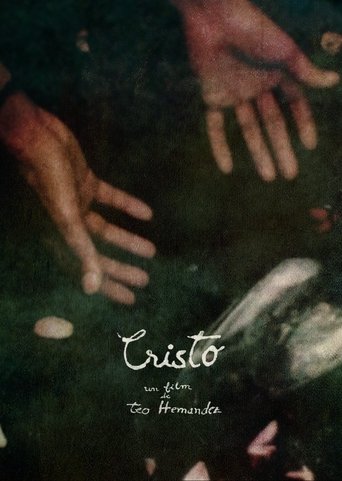
3.2All of history, that of Christ or any other, permeates the world, leaves its mark, modifying and informing history, and all that the human reproduces and creates. The best way for historical interpretation or literary adaptation is to move as far as possible from literal interpretation. That is, it is a contemporary and personal interpretation. The story of Christ is an archetypal story. It has modified and informed a morality and a vision of the human being in the West, it must be taken for what it is and what it has become: matter.
Cristo
1977
Film credits
2010s · 1 titles
2000s · 2 titles
 NR
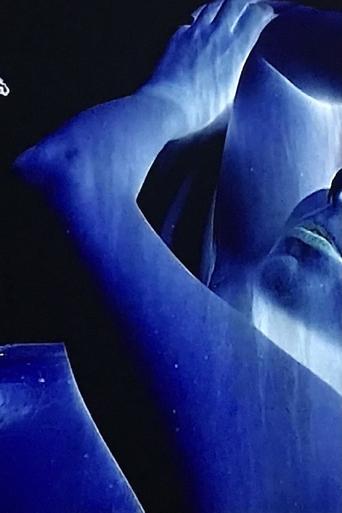
NRPortrait of Katerina in a hotel room by the sea. Her sunglasses reflect her body and Maria’ s camera in the mirror, thus revealing, albeit in a fragment, the relational principle of their cinema and of their double self-portraits. A constellation of stars crosses her skin. Everything is as blue as the sea and the universe. In this metamorphic alchemy, microcosm and macrocosm intertwine.
Hôtel Artemis
2000
 NR
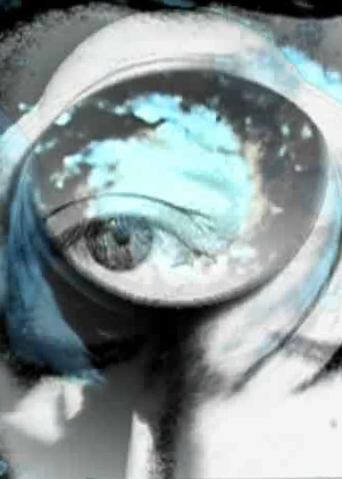
NRThe macrocosm present in QUASAR is a non colonized outer space. A non science-fictionalized outer space. It is a space of fantasized stars and galaxies, black holes and light particles. It is a space of hypnotic contemplation and dissociation of the subject from the self. Immersion into macrocosmic vibrations, rotations, contractions, into slow and curved time patterns. Non linear, non climactic time. Outer-inner skies.
Quasar
2004
1980s · 6 titles
NRProfessor Anatole Lacoste is having a meeting with one of the agents of doctor Brain at a Jackson Pollock exhibition at Centre Pompidou. Meanwhile, Deborah is about to take a bath when burglar Torlim Novak breaks into her house. Everything seems to be normal when the computer at the control station spots an anomaly in the way history functions. But how does one stop the film?
European Crisis
1982
 NR
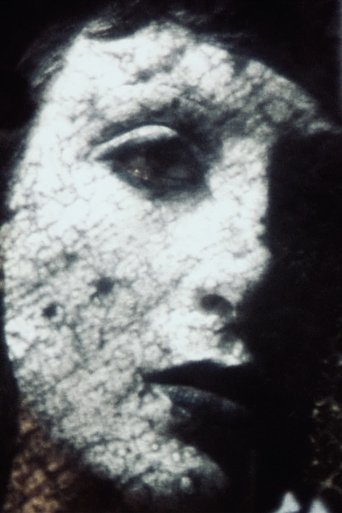
NRAfter five years of intense work on identity, an alchemical quest for the depths, after nine films and films / actions where the actresses' gestures resounded against a black background which eliminated the environment to reveal the inside, taken outside: encounter of the inside with the outside. Journey back into memory. Crossing the Greek landscape in August. The seas. The ruins, remains of abandoned houses, homes with holes, pierced by the wind, inside crossed by the outside. Unheimlich: the disturbing strangeness. Activation of a memory of origins. Unheimlich: what should remain secret, hidden and which manifests itself. MHTRIS = mother's country.
Unheimlich III: The Mothers
1981
 NR
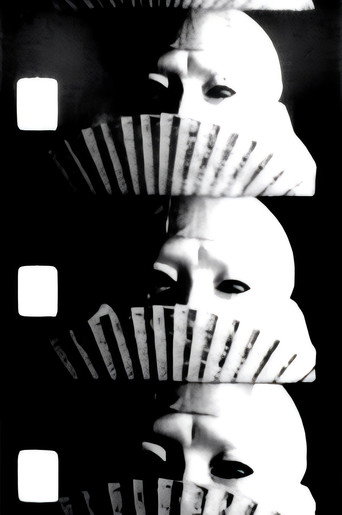
NRPrimarily a trilogy and a complementary work, or an experimental tetralogical cycle by Maria Klonaris and Katerina Thomadaki, consisting of 4 films: Unheimlich I: Secret Dialogue, Unheimlich II: Astarti, Kha Uebertragung - Les embaumées, and Unheimlich III: Les Mères.
Le Cycle de l’Unheimlich
1981
 NR
NRNo synopsis available yet.
A Touch of Venus
1980
 NR
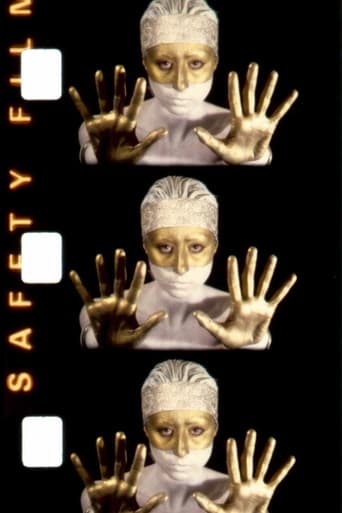
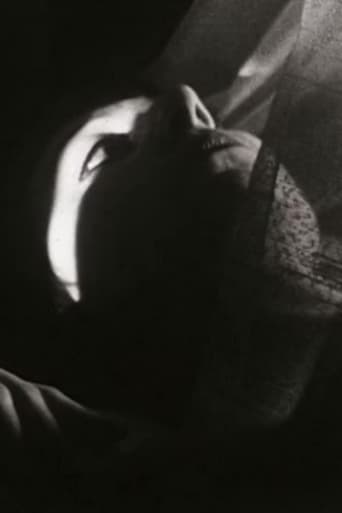
NRAstarti, the Greek name for Ishtar, is an archetype of a deep, nocturnal feminine that emerges from subterranean darkness. We experience an embodied cinematic experience realised through a sensuous aesthetic as we are invited to enter a strange and uncertain world of inner depths and hypnotising effects. There, we encounter three women actantes, embodied by the artists, who play mythic and magical female figures such as Medusa and Salome. They metamorphose, dance and enter trances where the body vibrates into transformation. Figures reveal themselves out of silence which is both the moment of creation and an eternal reality. The film itself actualises that which is inactual and gives form to blackness through a poetics of intimacy and an ethics of interpersonal relationships, which is founded in the artists’ own double authorship.
Unheimlich II: Astarti
1980
 NR
NRNo synopsis available yet.
Body and Soul
1981
1970s · 10 titles
NRReel 1 of Gérard Courant's on-going Cinematon series.
Cinématon I
1978
3.2All of history, that of Christ or any other, permeates the world, leaves its mark, modifying and informing history, and all that the human reproduces and creates. The best way for historical interpretation or literary adaptation is to move as far as possible from literal interpretation. That is, it is a contemporary and personal interpretation. The story of Christ is an archetypal story. It has modified and informed a morality and a vision of the human being in the West, it must be taken for what it is and what it has become: matter.
Cristo
1977
 6.5
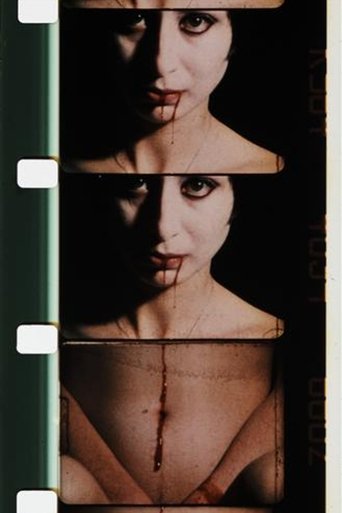
6.5With this film-manifesto, the two artists invent what they called the Cinéma corporel (Cinema of the Body), they present themselves as a "double auteur femme" and they lay the foundations of the radical critical and esthetical positions of their work to come. Double Labyrinthe has a mirror structure based on their "mutual gaze": in the first part Katerina performs while filmed by Maria and in the second part Maria performs filmed by Katerina.
Double Labyrinthe
1976
 4.9
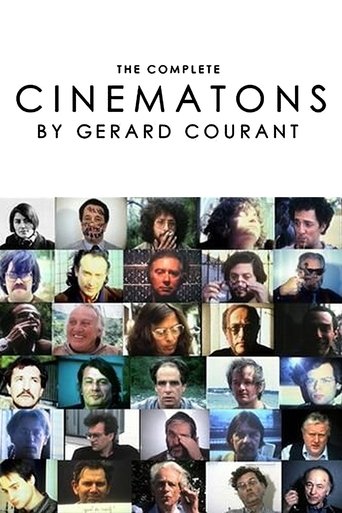
4.9Cinématon is a 156-hour long experimental film by French director Gérard Courant. It was the longest film ever released until 2011. Composed over 36 years from 1978 until 2006, it consists of a series of over 2,821 silent vignettes (cinématons), each 3 minutes and 25 seconds long, of various celebrities, artists, journalists and friends of the director, each doing whatever they want for the allotted time. Subjects of the film include directors Barbet Schroeder, Nagisa Oshima, Volker Schlöndorff, Ken Loach, Benjamin Cuq, Youssef Chahine, Wim Wenders, Joseph Losey, Jean-Luc Godard, Samuel Fuller and Terry Gilliam, chess grandmaster Joël Lautier, and actors Roberto Benigni, Stéphane Audran, Julie Delpy and Lesley Chatterley. Gilliam is featured eating a 100-franc note, while Fuller smokes a cigar. Courant's favourite subject was a 7-month-old baby. The film was screened in its then-entirety in Avignon in November 2009 and was screened in Redondo Beach, CA on April 9, 2010.
Cinématon
1978
 NR
NRNo synopsis available yet.
J'aime
1978
 NR
NRThe film revolves around three notions: Kha = the etheric double according to ancient Egyptians. Perpetual specter in all respects resembling the physical body of a dead person. Uebertragung = transfer. Phenomenon by which an emotional state experienced for one object is extended to another by an association. Identification. Projection. Moving from one order of things to another. Embalming = filling a corpse with balsamic, desiccating and antiseptic substances to preserve them. Fill with a sweet smell. Perfume.
Kha Uebertragung - Les embaumées
1979
 5.0
5.0Flash Passion is one of the very first films that the two artists made in Athens when they took up the super-8 camera and extended their theatre practice towards cinema. Here, Maria Klonaris looks at/films Katerina Thomadaki.
Flash Passion
1970
 NR
NRNo synopsis available yet.
For Eyes Only
1978
 NR
NRThe female universe through four female characters: a child, a prostitute who never appears, me and the other, the other and me. Inside. The texts: invasion of the female exterior.
L'enfant qui a pissé des paillettes
1977
 NR
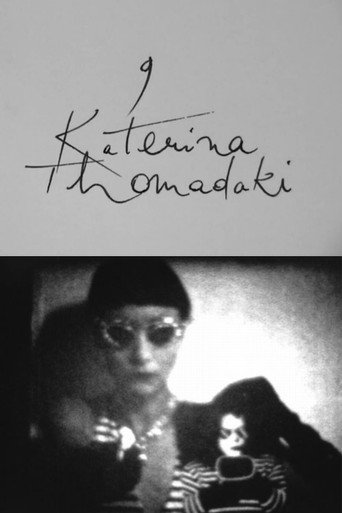
NRPortrait of Greek filmmaker Katerina Thomadaki, shot in Paris (France) on March 16, 1978 at 11:00 AM.
Cinématon n°9 : Katerina Thomadaki
1978
Behind the camera
NRAngel Scan. "Trip" – but without substances – except the substances created by the brain when energy awakes as a creative conscience, accompanied by an intense experience of "light" and "darkness". Hustle and bustle, bombing of atoms, dance of electric particles animated of an ultra fast movement.Invisible units of infra-atomic energy, forms/colours which are characterized by their irradiating heat and by their attraction strength as well as their potential of sound/ vibratory energy.
Angel Scan
2007
NRA single-screen version of the Portraits / Mirrors multi-projection. Featuring portraits of: Aloual, Gaël Badaud, Raphaël Bassan, Yann Beauvais, Jean-Michel Bouhours, Gérard Courant, Berndt Deprez, Bertrand Gadenne, Mythia Kolésar, Christian Lebrat, Stéphane Marti, Pascal Martin, Michel Nedjar, Dominique Noguez, Vivian Ostrovsky, Bernard Roué, Martine Rousset, Alain Sayag, Unglee, and Catherine Zbinden.
Portraits / Mirrors
1984
NRIn 1976, Maria Klonaris and Katerina Thomadaki direct with the Collectif 010 in La Cartoucherie in Vincennes a 48-hour action, Torture, which is recorded on tape by Jean Roualdès. In 2012, after the digitization of the original video tapes by the Bibliothèque Nationale of France for the Klonaris/Thomadaki Archive, the two artists proceed to a reinterpretation of this document, highlighting the characteristics of the 1/2-inch video format. This video is a trace of a public performance, where bodies, even under constraint, blinded and gagged, manifest their protest power against coercion. This performance against torture is one of the first examples of the art of the body theorized by the two artists.
La Torture
2012
6.5With this film-manifesto, the two artists invent what they called the Cinéma corporel (Cinema of the Body), they present themselves as a "double auteur femme" and they lay the foundations of the radical critical and esthetical positions of their work to come. Double Labyrinthe has a mirror structure based on their "mutual gaze": in the first part Katerina performs while filmed by Maria and in the second part Maria performs filmed by Katerina.
Double Labyrinthe
1976
6.5With this film-manifesto, the two artists invent what they called the Cinéma corporel (Cinema of the Body), they present themselves as a "double auteur femme" and they lay the foundations of the radical critical and esthetical positions of their work to come. Double Labyrinthe has a mirror structure based on their "mutual gaze": in the first part Katerina performs while filmed by Maria and in the second part Maria performs filmed by Katerina.
Double Labyrinthe
1976
 8.0
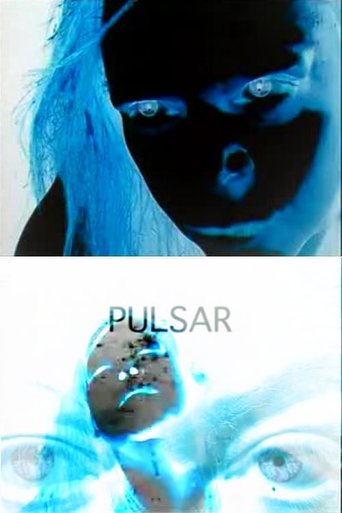
8.0"Pulsar" belongs to "The Angel Cycle" ("Le Cycle de l´Ange"). In this cycle of works we create bonds between the human body and astronomical bodies. Maria Klonaris´ improvised performance is a negative dance which lies between pleasure and catastrophe, a black and blue body language which grapples with the white of the screen and the luminous suddenness of a firework display.
Pulsar
2001
NRPortrait of Katerina in a hotel room by the sea. Her sunglasses reflect her body and Maria’ s camera in the mirror, thus revealing, albeit in a fragment, the relational principle of their cinema and of their double self-portraits. A constellation of stars crosses her skin. Everything is as blue as the sea and the universe. In this metamorphic alchemy, microcosm and macrocosm intertwine.
Hôtel Artemis
2000
“Personal Statement” stages photographical treatments of the original medical document. The images unfold vertically while feminine hands (Katerina Thomadaki) try to stroke this mutant body. The off-screen voice (Maria Klonaris) talks to the photographed subject.
Personal Statement
1994
 NR
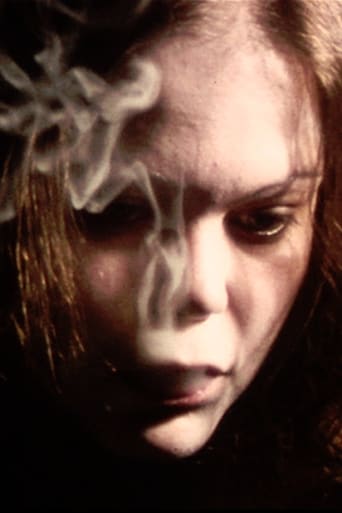
NRSMOKING is a brief portrait of Maria Klonaris composed of seven shots. Katerina Thomadaki completed it in 2016, two years after Maria Klonaris' passing, from rushes shot in 1975 at the time of the filming of DOUBLE LABYRINTHE. The Greek word that appears at the beginning of the film, μετείκασμα, signifies "meta-image" and refers to retinal persistence.
Smoking
2016
NRSMOKING is a brief portrait of Maria Klonaris composed of seven shots. Katerina Thomadaki completed it in 2016, two years after Maria Klonaris' passing, from rushes shot in 1975 at the time of the filming of DOUBLE LABYRINTHE. The Greek word that appears at the beginning of the film, μετείκασμα, signifies "meta-image" and refers to retinal persistence.
Smoking
2016
 9.5
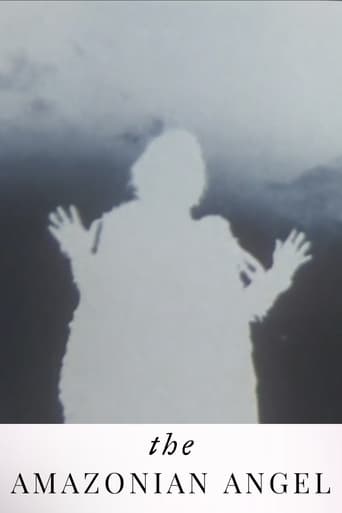
9.5This filmic portrait is born of a double movement: the meeting of Lena Vandrey with our cinematographic universe, our meeting with her pictorial world, her space and her collection of processional figures and articulated dolls. Crossings of imaginations, of mythologies: the South, the origins, the search for a "greecity", the search for the magical potential of the image, the feminine one as "force in love". Crossings of plastic gestures: one on canvas support, the other on photographic and filmic support. We invited the artist to become herself body-painting, filmed painting. We have staged her texts, her paintings, her objects, her space. Attempt to reveal it as an embodiment of its own mythology.
The Amazonian Angel
1992
 NR
NRNo synopsis available yet.
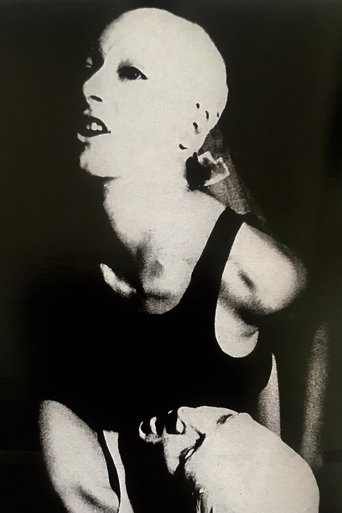
Myth-Historima
1982
NRThe macrocosm present in QUASAR is a non colonized outer space. A non science-fictionalized outer space. It is a space of fantasized stars and galaxies, black holes and light particles. It is a space of hypnotic contemplation and dissociation of the subject from the self. Immersion into macrocosmic vibrations, rotations, contractions, into slow and curved time patterns. Non linear, non climactic time. Outer-inner skies.
Quasar
2004
No synopsis available yet.
Les Bonnes
1982
No synopsis available yet.
Soma
1978
 NR
NRNo synopsis available yet.
Myrto
1980
NRAfter five years of intense work on identity, an alchemical quest for the depths, after nine films and films / actions where the actresses' gestures resounded against a black background which eliminated the environment to reveal the inside, taken outside: encounter of the inside with the outside. Journey back into memory. Crossing the Greek landscape in August. The seas. The ruins, remains of abandoned houses, homes with holes, pierced by the wind, inside crossed by the outside. Unheimlich: the disturbing strangeness. Activation of a memory of origins. Unheimlich: what should remain secret, hidden and which manifests itself. MHTRIS = mother's country.
Unheimlich III: The Mothers
1981
NRAfter five years of intense work on identity, an alchemical quest for the depths, after nine films and films / actions where the actresses' gestures resounded against a black background which eliminated the environment to reveal the inside, taken outside: encounter of the inside with the outside. Journey back into memory. Crossing the Greek landscape in August. The seas. The ruins, remains of abandoned houses, homes with holes, pierced by the wind, inside crossed by the outside. Unheimlich: the disturbing strangeness. Activation of a memory of origins. Unheimlich: what should remain secret, hidden and which manifests itself. MHTRIS = mother's country.
Unheimlich III: The Mothers
1981
NRPrimarily a trilogy and a complementary work, or an experimental tetralogical cycle by Maria Klonaris and Katerina Thomadaki, consisting of 4 films: Unheimlich I: Secret Dialogue, Unheimlich II: Astarti, Kha Uebertragung - Les embaumées, and Unheimlich III: Les Mères.
Le Cycle de l’Unheimlich
1981
NRThe female universe through four female characters: a child, a prostitute who never appears, me and the other, the other and me. Inside. The texts: invasion of the female exterior.
L'enfant qui a pissé des paillettes
1977
 NR
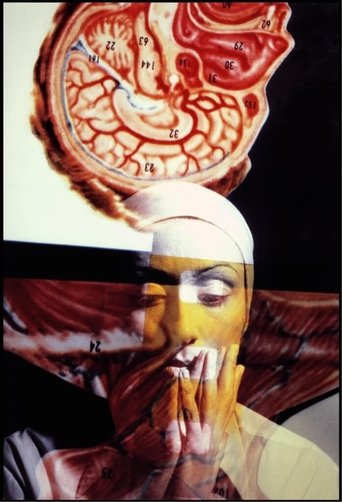
NRAfter the semantic body (Double Labyrinth) and the libidinal body (L'enfant qui a pissé des paillettes, Soma) we are dealing here with another theme: that of the painful body or, more precisely, the memory of the body in relation to pain lived.
Arteria magna in dolore laterali
1979
 NR
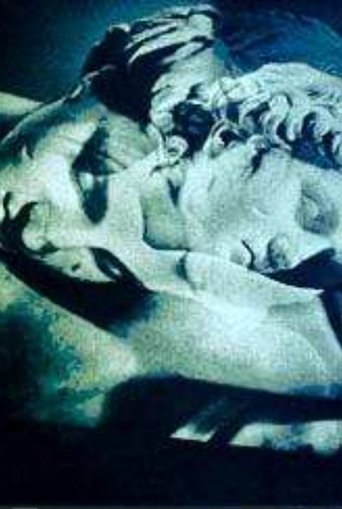
NRNo synopsis available yet.
Mystère I: Hermaphrodite endormi/e
1983
NRAstarti, the Greek name for Ishtar, is an archetype of a deep, nocturnal feminine that emerges from subterranean darkness. We experience an embodied cinematic experience realised through a sensuous aesthetic as we are invited to enter a strange and uncertain world of inner depths and hypnotising effects. There, we encounter three women actantes, embodied by the artists, who play mythic and magical female figures such as Medusa and Salome. They metamorphose, dance and enter trances where the body vibrates into transformation. Figures reveal themselves out of silence which is both the moment of creation and an eternal reality. The film itself actualises that which is inactual and gives form to blackness through a poetics of intimacy and an ethics of interpersonal relationships, which is founded in the artists’ own double authorship.
Unheimlich II: Astarti
1980
 NR
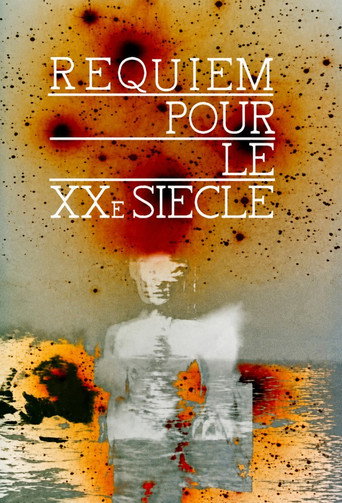
NR“Requiem pour le XXè siècle” is a manifesto against war. It is an elegy. The photograph is connected with images that are part of our collective memory: extracts from newsreels of World War II that have been reworked and transformed through various optical and electronic processes. World War II was a condensation of violence (biological and environmental destructions, racism, ethnic clearing, and persecution of people who are different…) and ongoing wars perpetuate that violence. This work is a metaphorical representation of all past, present and future wars. Constructed on the dramatic tension between the violence of wars and the presence of the intersex hermaphroditic “Angel”: Their eyes are bandaged; they are a symbol for difference, having an ambiguous position: observer, witness, victim or judge.
Requiem for the 20th Century
1994
No synopsis available yet.
Dagmar et Eve. Un portrait de Dagmar Bürger et Eve Eiholzer
1979
 NR
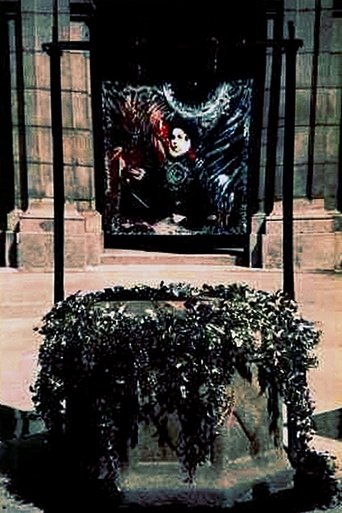
NRThe child points to the Secret. For what do we see? A blindfolded Renaissance figure of the In Between (in between the sexes, in between the worlds). The well suggests the Underground (Water). The crypt as well (Earth). Underground matrix. La Puerta del Angel: a meditation space. M. K. - K. T. Madrid 1992
Night Show for Angel
1992
 NR
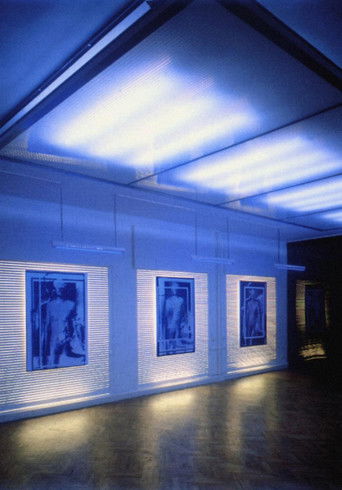
NRVideo of the installation "XYXX Mosaic Identity" (Offenes Kulturhaus - Linz, 1994).
XYXX Mosaic Identity
2013
NRVideo of the installation "XYXX Mosaic Identity" (Offenes Kulturhaus - Linz, 1994).
XYXX Mosaic Identity
2013
No synopsis available yet.
Raisins
—
No synopsis available yet.
L'œil
—
 NR
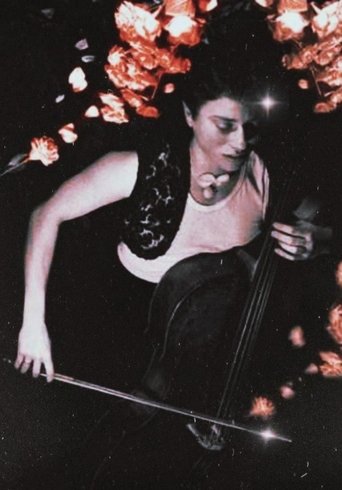
NRThis film is made from the soundtrack of the multimedia installation/environment Mystère I: Sleeping Hermaphrodite that we created for the XII Biennale de Paris in 1982. The idea of creating a second work, purely cinematographic this time - here, from the same soundtrack, seemed particularly stimulating since it poses in depth the question of the complex relationships between sound and image in a non-narrative context. MK - KT, 1985
Gardens of the Sleeping Hermaphrodite
1985
 NR
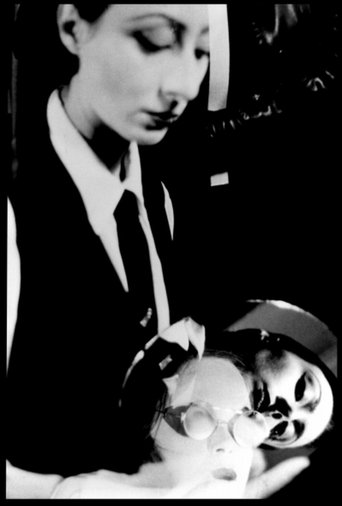
NRAn echoing, nocturnal, elliptical text. Female voices speak it. Fragments of music punctuate and suspend the images. The text says the transformation of the hero into a woman during his sleep. Games of inverted masks, transvestites, transparency of the frontiers of the sexes. Self-representations. Black and white visions clouded with magenta and cyan. Fields, positives, negatives, degrees of grey, light textures. A device made up of screens and projectors, still images and moving images, the projection surface multiplied. Water, bare trees, light trails, a gun, tigers.
Orlando - Hermaphrodite II
1983
 6.0
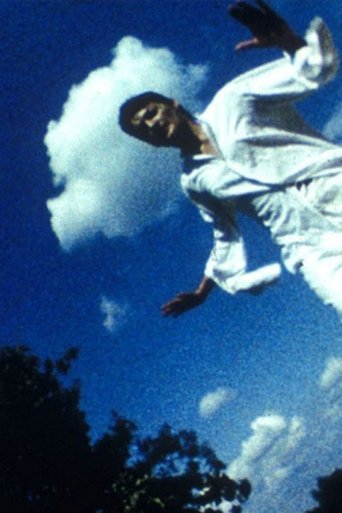
6.0In "Falling. Desert. Syn" there is the body of repetition—not of tautology but of smooth resurrection; a body dying and being resurrected in a dance without suffering. A body of the desert, which is not deserted, but instead possessed by a force of attraction towards the sky, a force as strong as the one towards the earth. A body for the stars, the same one which plunges into the underworlds.
Falling. Desert. Syn
1985
6.0In "Falling. Desert. Syn" there is the body of repetition—not of tautology but of smooth resurrection; a body dying and being resurrected in a dance without suffering. A body of the desert, which is not deserted, but instead possessed by a force of attraction towards the sky, a force as strong as the one towards the earth. A body for the stars, the same one which plunges into the underworlds.
Falling. Desert. Syn
1985
 NR
NRPortrait of Katerina Logotheton, grandmother of the filmmaker, two years before her death on 3 July 1973.
3. VII. 1973
1976
No synopsis available yet.
Quartier Koundouriotis
—
 5.0
5.0Portrait of the filmmaker’s mother in her garden. Part of the Portrait Series by Maria Klonaris & Katerina Thomadaki, the film was initially presented as an interlude during the multi-projection performance of Unheimlich III: Les Mères at Centre Pompidou in 1981.
Portrait of My Mother in Her Garden
1981
No synopsis available yet.
Satin Knife Seduction
—
No synopsis available yet.
Cimetière de Kallithéa
—
 NR
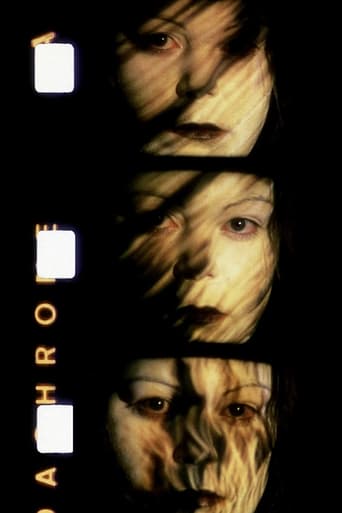
NRThe film takes the Freudian concept of the uncanny generated by an inexplicable strangeness to expose the reappearance of the repressed feminine unconscious through splitting, doubling and mirroring the cinematic image to question the boundaries of the real. The late Maria Klonaris, who sadly passed away in the begining of 2014, with co-author Katerina Thomadaki, was responsible for some of the most radical womens' liberationist and transgender films and art ever created. Of Greek origin but based in Paris, Klonaris and Thomadaki were founders of the Cinema of the Body, a profound investigative practice into gender and bodily identity.
Unheimlich I: Secret Dialogue
—