
Acting
Aleksandre Lortkipanidze
Born — Died
1898-05-20 — 1975-01-01
Place of birth
Tiflis, Russian Empire [now Tbilisi, Republic of Georgia]
Known for
Acting
Credits
8 titles
Known for
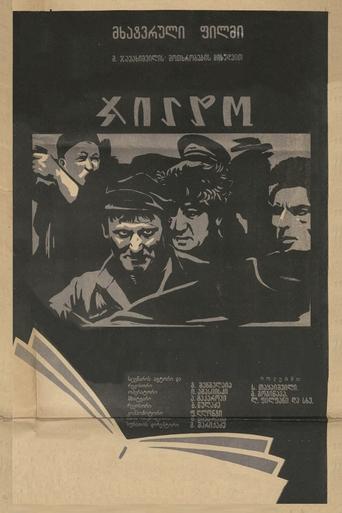 7.0
7.0No synopsis available yet.
Award
1965
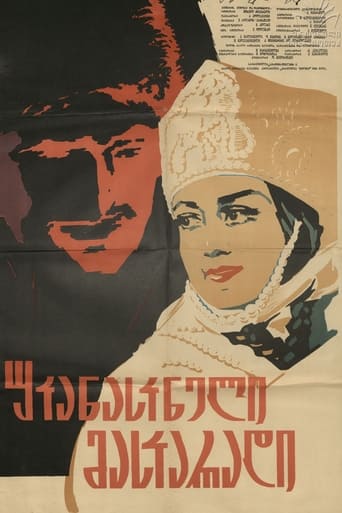 5.8
5.8The revolutionary struggle of the Georgian proletariat is the central theme of this story. The narrative follows the life and fate of a young revolutionary named Mito. After the Mensheviks disrupt a railway strike, Mito is sentenced to three years in prison, and his father is executed. During his time in prison, Mito shares a cell with an old Bolshevik, which transforms the hot-headed and unstable young man into a conscious Bolshevik. Soon, World War I begins, and Mito, who has just been released from prison, is sent to war.
The Last Masquerade
1934
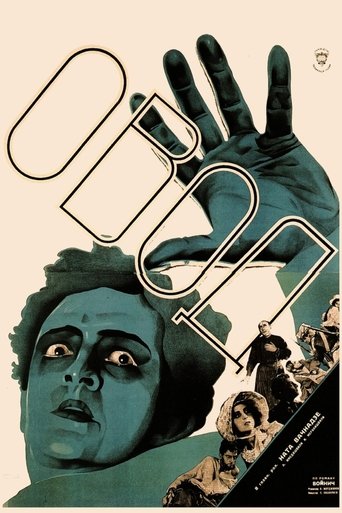 7.7
7.7In Italy during the first half of the 19th century, Arthur, a student at a seminary, joined the revolutionary society “Young Italy.” His sincere faith in God compelled him to reveal the society’s secret during confession to his new confessor. However, the confessor denounced the society, leading to the arrest of its members.
The Gadfly
1928
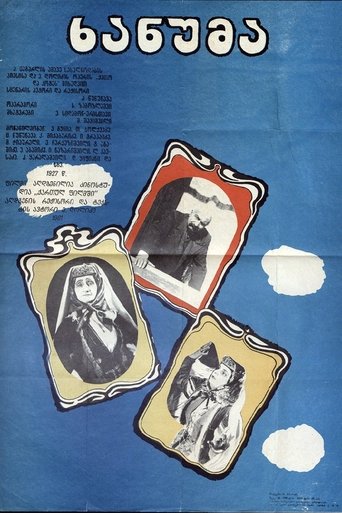 5.2
5.2Prince bon-vivant Levan Phantiashvili finds himself in a difficult financial situation. To make his life better he agrees to marry the merchant Adam Varakhidze’s daughter, Elo. The merchant is happy for this move opens the door in a high society for him until he finds out that Elo is not quite happy with his decision.
Khanuma
1926
 6.7
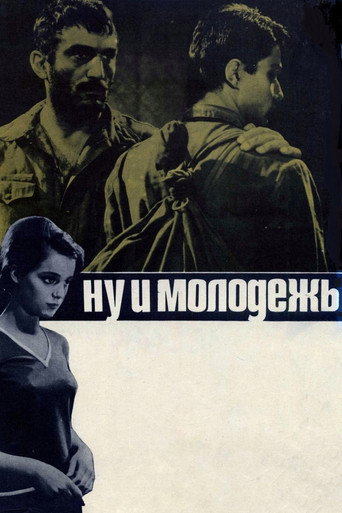
6.7Film school desk akhladaprenil guys from Tbilisi in the early days of World War II soldier's overcoat to put on, temporarily put aside their dreams, loved ones and fire parted ways scattered. Thus began a new phase of their lives, gantsdebita and misery. Yesterday's long-suffering smile in front of the boys grow up into fighters.
Look at These Young People!
1969
Sergo and his wife Maro do not spare their care for Alyosha, who was taken out of an orphanage. The family's peace is disturbed by the arrival of an old friend, Sandro. As it turns out, Alyosha was the son of Maro and Sandro. Whether he finds out or not, Sergo leaves home and takes Alyosha with him. Maro is acutely aware of his guilt. At a gathering of the pioneer squad, Alyosha tells the children about his family drama. The pioneers reconcile Alyosha's parents.
Foster-father
1930
Film credits
1960s · 2 titles
7.0No synopsis available yet.
Award
1965
6.7Film school desk akhladaprenil guys from Tbilisi in the early days of World War II soldier's overcoat to put on, temporarily put aside their dreams, loved ones and fire parted ways scattered. Thus began a new phase of their lives, gantsdebita and misery. Yesterday's long-suffering smile in front of the boys grow up into fighters.
Look at These Young People!
1969
1930s · 4 titles
5.8The revolutionary struggle of the Georgian proletariat is the central theme of this story. The narrative follows the life and fate of a young revolutionary named Mito. After the Mensheviks disrupt a railway strike, Mito is sentenced to three years in prison, and his father is executed. During his time in prison, Mito shares a cell with an old Bolshevik, which transforms the hot-headed and unstable young man into a conscious Bolshevik. Soon, World War I begins, and Mito, who has just been released from prison, is sent to war.
The Last Masquerade
1934
Sergo and his wife Maro do not spare their care for Alyosha, who was taken out of an orphanage. The family's peace is disturbed by the arrival of an old friend, Sandro. As it turns out, Alyosha was the son of Maro and Sandro. Whether he finds out or not, Sergo leaves home and takes Alyosha with him. Maro is acutely aware of his guilt. At a gathering of the pioneer squad, Alyosha tells the children about his family drama. The pioneers reconcile Alyosha's parents.
Foster-father
1930
 NR
NRThe film mocks the stereotypical image of Caucasians and Georgians. False representations of the Caucasus are satirized: Kakhuri wine flows like a spring on a narrow street of Tbilisi, which is drunk with wine glasses; Barbers shave their clients with a dagger, and if something offends them, they cut them with the same dagger; And A dancing Georgian woman dancing is observing all these without any emotion.
True Caucasian
1931
 7.2
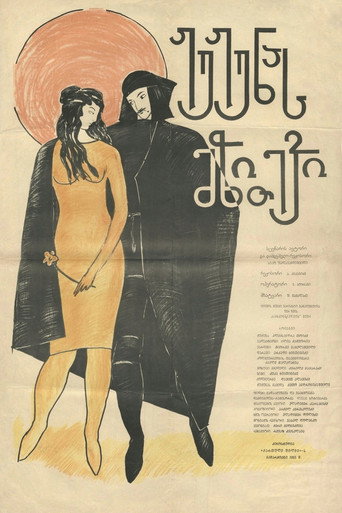
7.2Varden, a poor peasant decides to find a rich fiancée but in vain. Following Galaktion, his rich neighbor’s advice, he attempts a horse theft but fails and nearly escapes death. Thanks to Jujuna, his other neighbor, he finds job at the village’s blacksmith.
Jujuna's Dowry
1934
1920s · 2 titles
7.7In Italy during the first half of the 19th century, Arthur, a student at a seminary, joined the revolutionary society “Young Italy.” His sincere faith in God compelled him to reveal the society’s secret during confession to his new confessor. However, the confessor denounced the society, leading to the arrest of its members.
The Gadfly
1928
5.2Prince bon-vivant Levan Phantiashvili finds himself in a difficult financial situation. To make his life better he agrees to marry the merchant Adam Varakhidze’s daughter, Elo. The merchant is happy for this move opens the door in a high society for him until he finds out that Elo is not quite happy with his decision.
Khanuma
1926