
Directing
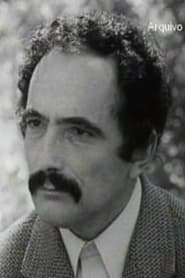
António Campos
Born — Died
1922-05-29 — 1999-03-08
Place of birth
Leiria, Portugal
Known for
Directing
Credits
29 titles
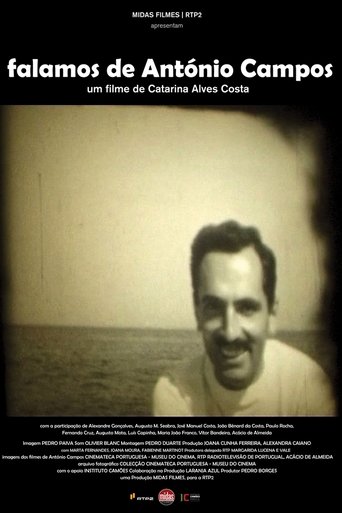
António Campos (29 May 1922 – 8 March 1999) was one of the pioneer filmmakers of visual anthropology in Portugal. Mainly using pure documentary techniques, he shot ethnographic films and tried docufiction. As well as in fictional films, he used the methods of direct cinema to portray the life of ancient human communities (ethnofiction) of his country. He started making films at the beginning of the sixties, at the same time as John Marshall (US) and Michel Brault (Canada). Without knowing much about Jean Rouch, he followed his steps in an original way. He integrated a troupe of theater amateurs and worked at a state department office in Leiria. He got a grant from the Calouste Gulbenkian F…
Known for
 5.5
5.5Ti Miséria has a supernatural power. When Death comes to take her, she traps her in a pear tree. But without death the world doesn't work. Those whose work depend on Death, want it to be freed from the tree. It is then that Death makes a deal with Ti Miséria.
Ti Miséria
1979
Armando, the only grandson of an old worker of Salinas de Aveiro, studies music in France and any news from him is scarce. The grandfather Abilio then decides to send him a letter announcing his death and Armando rushes to return.
A Tremonha de Cristal
1993
 8.5
8.5An adaptation of two short stories by Passos Coelho, essentially shot in a valley that is a territory threatened by floods, the film is a cinematographic chronicle of the rural worker in the area of Montemor-o-Velho.
Histórias Selvagens
1978
 6.5
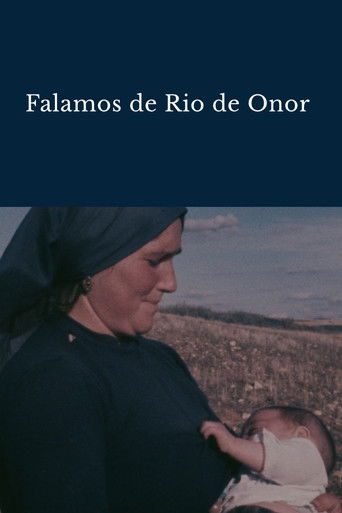
6.5A borderland village of Trás-os-Montes, 27 km away from Bragança, Rio de Onor preserved - due to its isolated location - the old communitarian practices, of farmers and shepherds, that define it as an important and unmistakable center of this region.
Falamos de Rio de Onor
1974
 5.7
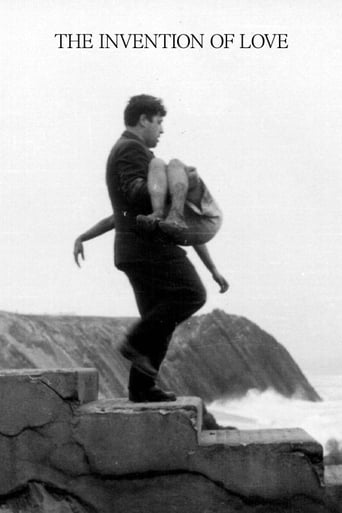
5.7A couple is pursued by the police and citizens of a city for the crime of having invented love. In every corner of the city, on the walls of the bars, on the doors of public buildings, in the windows of the bus, even that wall ruined through radio ads and detergents in the small shop window, where no one enters the lobby of the railway station which was the home of our hope of escape, a poster denounces our love.
The Invention of Love
1966
 9.0
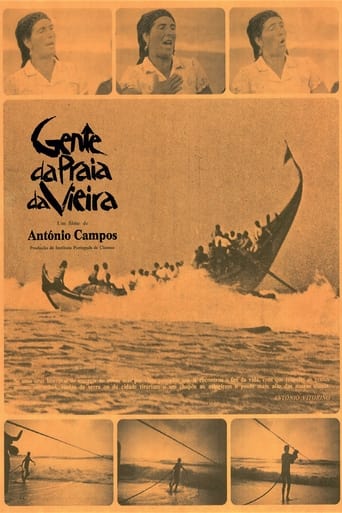
9.0The migration that saw the fishermen from the Vieira coast move inland, where they settled and formed the Avieiros communities. - Cinéma du réel
Gente da Praia da Vieira
1976
Film credits
Behind the camera
5.5Ti Miséria has a supernatural power. When Death comes to take her, she traps her in a pear tree. But without death the world doesn't work. Those whose work depend on Death, want it to be freed from the tree. It is then that Death makes a deal with Ti Miséria.
Ti Miséria
1979
5.5Ti Miséria has a supernatural power. When Death comes to take her, she traps her in a pear tree. But without death the world doesn't work. Those whose work depend on Death, want it to be freed from the tree. It is then that Death makes a deal with Ti Miséria.
Ti Miséria
1979
Armando, the only grandson of an old worker of Salinas de Aveiro, studies music in France and any news from him is scarce. The grandfather Abilio then decides to send him a letter announcing his death and Armando rushes to return.
A Tremonha de Cristal
1993
8.5An adaptation of two short stories by Passos Coelho, essentially shot in a valley that is a territory threatened by floods, the film is a cinematographic chronicle of the rural worker in the area of Montemor-o-Velho.
Histórias Selvagens
1978
8.5An adaptation of two short stories by Passos Coelho, essentially shot in a valley that is a territory threatened by floods, the film is a cinematographic chronicle of the rural worker in the area of Montemor-o-Velho.
Histórias Selvagens
1978
6.5A borderland village of Trás-os-Montes, 27 km away from Bragança, Rio de Onor preserved - due to its isolated location - the old communitarian practices, of farmers and shepherds, that define it as an important and unmistakable center of this region.
Falamos de Rio de Onor
1974
6.5A borderland village of Trás-os-Montes, 27 km away from Bragança, Rio de Onor preserved - due to its isolated location - the old communitarian practices, of farmers and shepherds, that define it as an important and unmistakable center of this region.
Falamos de Rio de Onor
1974
6.5A borderland village of Trás-os-Montes, 27 km away from Bragança, Rio de Onor preserved - due to its isolated location - the old communitarian practices, of farmers and shepherds, that define it as an important and unmistakable center of this region.
Falamos de Rio de Onor
1974
5.7A couple is pursued by the police and citizens of a city for the crime of having invented love. In every corner of the city, on the walls of the bars, on the doors of public buildings, in the windows of the bus, even that wall ruined through radio ads and detergents in the small shop window, where no one enters the lobby of the railway station which was the home of our hope of escape, a poster denounces our love.
The Invention of Love
1966
5.7A couple is pursued by the police and citizens of a city for the crime of having invented love. In every corner of the city, on the walls of the bars, on the doors of public buildings, in the windows of the bus, even that wall ruined through radio ads and detergents in the small shop window, where no one enters the lobby of the railway station which was the home of our hope of escape, a poster denounces our love.
The Invention of Love
1966
5.7A couple is pursued by the police and citizens of a city for the crime of having invented love. In every corner of the city, on the walls of the bars, on the doors of public buildings, in the windows of the bus, even that wall ruined through radio ads and detergents in the small shop window, where no one enters the lobby of the railway station which was the home of our hope of escape, a poster denounces our love.
The Invention of Love
1966
9.0The migration that saw the fishermen from the Vieira coast move inland, where they settled and formed the Avieiros communities. - Cinéma du réel
Gente da Praia da Vieira
1976
 4.0
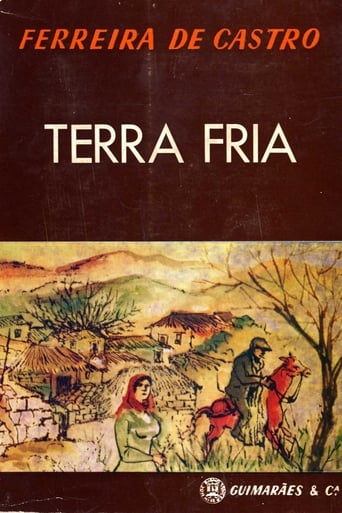
4.0In the forties, in a little settlement lost amidst the mountains of Trás-os-Montes, Leonardo tries to survive by buying and selling marten and fox furs, dreaming of the day he’ll close a big deal.
Cold Land
1992
4.0In the forties, in a little settlement lost amidst the mountains of Trás-os-Montes, Leonardo tries to survive by buying and selling marten and fox furs, dreaming of the day he’ll close a big deal.
Cold Land
1992
Short documentary on Marc Chagall.
Chagall - Breve a Lua, Lua Cheia, Virá Aparecer
1967
Commissioned by the Leiria Tourism Municipal Commission, this documentary shows the streets of the city, the people at the fair, the Lis River, the field workers, the Industrial and Commercial School, the Social Assistance Centre, the Afonso Lopes Vieira Nursery...
Leiria 1960
1960
"The festivities in honour of Sao Pedro,August 8th and 9th 1975. A complement to Gente da Praia da Vieira, isolated from the whole film material, because of its specificities and thematic unity." (José de Matos-Cruz)
A Festa
1975
 7.0
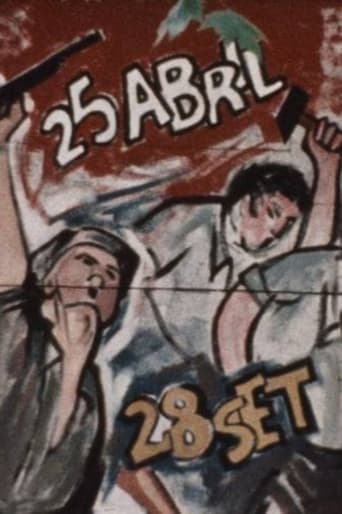
7.0Following the Revolution of April 25, 1974, the walls of the city of Lisbon became a means of celebrating and transmitting revolutionary ideals and slogans. The text by painter António Domingues praises this plastic work initiated by the Plastic Artists Cell of the Portuguese Communist Party.
Paredes Pintadas da Revolução Portuguesa
1976
 9.0
9.0The miller’s wife is about to give birth. Lying in her bed, she writhes in pain. The midwife cannot help her and the doctor is not here. It is then that the priest is called.
The Lord
1959
9.0The miller’s wife is about to give birth. Lying in her bed, she writhes in pain. The midwife cannot help her and the doctor is not here. It is then that the priest is called.
The Lord
1959
 10.0
10.0Adaptation of the eponymous tale by Loureiro Botas.
Um Tesoiro
1958
This is a film supported by an association between the flow of the waters of the river and the flow of the lives of the men and women who work day to day, fighting for their survival. The title of the film states that the focus will be on the people who live on the banks of the River Lis, that is, the film offers us portraits of those who are from the banks of the River Lis. The work and poverty of the people living on the banks of the river run side by side, but also hope, as children have a special place in this film...
Retratos dos das Margens do Rio Lis
1965
 7.0
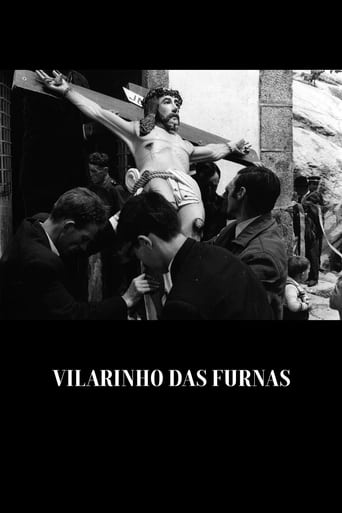
7.0Situated at the foot of Yellow Mountain, which protected it from the cold offshore winds of winter, and between the rivers Man and Eido, which irrigated the fields around it, the village of Vilarinho das Furnas was destroyed in 1969. This documentary provides a tribute to the people of the town during the last 12 months of its existence, before being erased by the cold and clear waters that gave it life for so long.
Vilarinho das Furnas
1971
7.0Situated at the foot of Yellow Mountain, which protected it from the cold offshore winds of winter, and between the rivers Man and Eido, which irrigated the fields around it, the village of Vilarinho das Furnas was destroyed in 1969. This documentary provides a tribute to the people of the town during the last 12 months of its existence, before being erased by the cold and clear waters that gave it life for so long.
Vilarinho das Furnas
1971
7.0Situated at the foot of Yellow Mountain, which protected it from the cold offshore winds of winter, and between the rivers Man and Eido, which irrigated the fields around it, the village of Vilarinho das Furnas was destroyed in 1969. This documentary provides a tribute to the people of the town during the last 12 months of its existence, before being erased by the cold and clear waters that gave it life for so long.
Vilarinho das Furnas
1971
 10.0
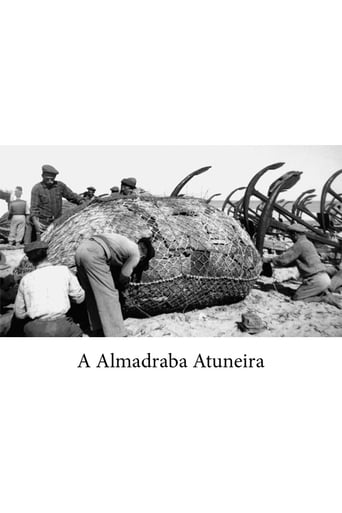
10.0The life of tuna fishermen and their families during the fishing season on Pumpkin Island in Tavira (Algarve). The documentary depicts their fishing methods and their return home after fishing. This was the last activity of "frame" or "almadraba" tuna fishery, before the camp was destroyed by the sea in the winter of the following year, in 1962.
A Almadraba Atuneira
1961
10.0The life of tuna fishermen and their families during the fishing season on Pumpkin Island in Tavira (Algarve). The documentary depicts their fishing methods and their return home after fishing. This was the last activity of "frame" or "almadraba" tuna fishery, before the camp was destroyed by the sea in the winter of the following year, in 1962.
A Almadraba Atuneira
1961
10.0The life of tuna fishermen and their families during the fishing season on Pumpkin Island in Tavira (Algarve). The documentary depicts their fishing methods and their return home after fishing. This was the last activity of "frame" or "almadraba" tuna fishery, before the camp was destroyed by the sea in the winter of the following year, in 1962.
A Almadraba Atuneira
1961