
Directing
John Dickinson
Place of birth
Buenos Aires, Argentina
Known for
Directing
Credits
13 titles
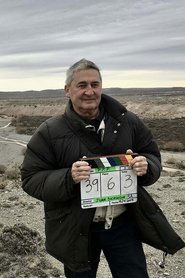
Argentine/British born in Buenos Aires, 1946. B.A. in History from Harvard College, 1967, magna cum laude, film studies/workshops at Swedish Film Institute, AFI, and Cal Arts. He has worked in film since 1970, as cameraperson/lighting cameraperson, soundman, and director. In the 1970s he left Argentina and settled in Venezuela, directing documentaries like The Cumaná Devil, Country Painter, and The Mandolin King, which received a total of 24 awards in Venezuela, Germany and France. Dickinson also made the feature documentary Ajishama, and produced and directed two fiction features in Venezuela, Blows and Boleros, (Channel 4 London, Foncine), and The Crystal Ship (Dickinson/Foncine). In 200…
Known for
 9.0
No synopsis available yet.
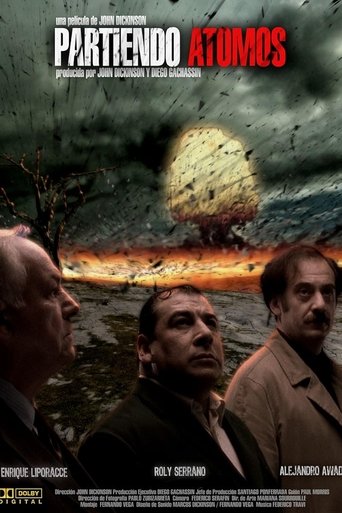
Partiendo átomos
2005
Feature film by John Dickinson.
Entre golpes y boleros
1990
 NR
Venezuelan documentary that centers on Luis del Valle Hurtado, an artist from Cumaná, one of the first European settlements in the Americas, who, for over three decades, has embodied the Diablo de Cumaná (Cumaná Devil) during annual festivities. Del Valle's performance is a fusion of Indigenous, Spanish, and African influences, where he transforms into a drumming, dancing black Satan. His portrayal draws inspiration from various sources, including the myth of Saint Michael the Archangel, the behavior of cats—animals often linked to witchcraft—and his own dreams, creating a unique and personal interpretation of the devil. Through this ritualistic dance, the documentary delves into themes of cultural syncretism, identity, and the enduring power of traditional expressions in Venezuela.
The Cumaná Devil
1984
 NR
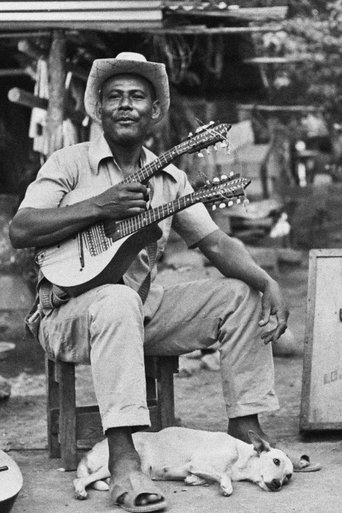
Cruz Quinal, "the mandolin king," lives near Cumana in a mountain valley surrounded by sugarcane fields. Perpetuating 16th century Spanish traditions of guitar-making, Cruz fashions such musical instruments as cuatros, marimba, escarpandola, and his own creation, a mandolin with two fretboards. He is an accomplished musician as well. In this moving portrait, Cruz compares himself to a decaying colonial church across the street: revered yet neglected, the village altar stands, paint peeling, under the open sky.
El rey del bandolín
1985
 NR
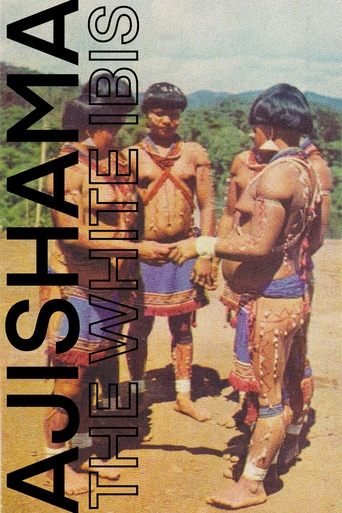
Shot in Venezuela over a 30-year period, this documentary depicts the life and work of José Maria Korta, the controversial Jesuit Missionary with the Ye'kwana people of the Amazon.
Ajishama, The White Ibis
2003
 NR
Documentary that attempts to establish a portrait of the variable -and at times immeasurable- collective of Constitución Station. Vendors, train drivers, officials, the needy, opportunists and untimely offer a framework that is in daily tension between those who live the space as a threshold to other realities and those who live it as their living space. The film sets out to recover these small stories from a perspective as meticulous as it is distant, to observe each of these tenuous events as an impartial, silent and almost impressionistic spectator in order to obtain from this zero sum, the general portrait of a world.
A day in Constitución
2011
Behind the camera
9.0No synopsis available yet.
Partiendo átomos
2005
Feature film by John Dickinson.
Entre golpes y boleros
1990
Feature film by John Dickinson.
Entre golpes y boleros
1990
NRVenezuelan documentary that centers on Luis del Valle Hurtado, an artist from Cumaná, one of the first European settlements in the Americas, who, for over three decades, has embodied the Diablo de Cumaná (Cumaná Devil) during annual festivities. Del Valle's performance is a fusion of Indigenous, Spanish, and African influences, where he transforms into a drumming, dancing black Satan. His portrayal draws inspiration from various sources, including the myth of Saint Michael the Archangel, the behavior of cats—animals often linked to witchcraft—and his own dreams, creating a unique and personal interpretation of the devil. Through this ritualistic dance, the documentary delves into themes of cultural syncretism, identity, and the enduring power of traditional expressions in Venezuela.
The Cumaná Devil
1984
NRCruz Quinal, "the mandolin king," lives near Cumana in a mountain valley surrounded by sugarcane fields. Perpetuating 16th century Spanish traditions of guitar-making, Cruz fashions such musical instruments as cuatros, marimba, escarpandola, and his own creation, a mandolin with two fretboards. He is an accomplished musician as well. In this moving portrait, Cruz compares himself to a decaying colonial church across the street: revered yet neglected, the village altar stands, paint peeling, under the open sky.
El rey del bandolín
1985
NRShot in Venezuela over a 30-year period, this documentary depicts the life and work of José Maria Korta, the controversial Jesuit Missionary with the Ye'kwana people of the Amazon.
Ajishama, The White Ibis
2003
NRShot in Venezuela over a 30-year period, this documentary depicts the life and work of José Maria Korta, the controversial Jesuit Missionary with the Ye'kwana people of the Amazon.
Ajishama, The White Ibis
2003
NRDocumentary that attempts to establish a portrait of the variable -and at times immeasurable- collective of Constitución Station. Vendors, train drivers, officials, the needy, opportunists and untimely offer a framework that is in daily tension between those who live the space as a threshold to other realities and those who live it as their living space. The film sets out to recover these small stories from a perspective as meticulous as it is distant, to observe each of these tenuous events as an impartial, silent and almost impressionistic spectator in order to obtain from this zero sum, the general portrait of a world.
A day in Constitución
2011
 NR
Cleto Rojas, a peasant painter in Venezuela, discusses his artwork. From movies and Roman mythology to his own dreams and scenes of rural life, Rojas takes inspiration from all sources and transforms the world around him into fantastic visions. He teaches village children his technique of using house-paint on canvas, as his wife goes about her own housework, singing slowly. The painter is bemused by the attention of anthropologists and art critics, and he talks about the pitfalls of attention. He remembers traveling to Caracas as a young man to meet famous painters and being disappointed in them. His ambitions are more focused on the content of his work - Rojas wishes he could envision and paint one of Venezuela's heroes, Simon Boilvar, as he really was, as no accurate representations exist now. Without looking for fame, he continues painting all kinds of images as he sees them.
Peasant Painter
1984
NRCleto Rojas, a peasant painter in Venezuela, discusses his artwork. From movies and Roman mythology to his own dreams and scenes of rural life, Rojas takes inspiration from all sources and transforms the world around him into fantastic visions. He teaches village children his technique of using house-paint on canvas, as his wife goes about her own housework, singing slowly. The painter is bemused by the attention of anthropologists and art critics, and he talks about the pitfalls of attention. He remembers traveling to Caracas as a young man to meet famous painters and being disappointed in them. His ambitions are more focused on the content of his work - Rojas wishes he could envision and paint one of Venezuela's heroes, Simon Boilvar, as he really was, as no accurate representations exist now. Without looking for fame, he continues painting all kinds of images as he sees them.
Peasant Painter
1984
A documentary that follows a group of ceramicists from across Argentina and the region who build inverted-draft wood-fired ceramic kilns in schools, cultural centers and community spaces. The project, conceived by ceramicist Emilio Villafañe, operates on a nonprofit basis and turns each build into an occasion for exchange about pottery and wood firing, where participants organize the work, share knowledge and develop tools for self-management.
Hornos sin fronteras
—