

Acting
Lourdes Mayer
Born — Died
1920-03-13 — 1998-07-25
Place of birth
Rio de Janeiro, Rio de Janeiro, Brazil
Known for
Acting
Credits
21 titles
Maria de Lourdes Cantanheda (Rio de Janeiro, March 13, 1920 — Rio de Janeiro, July 25, 1998) was a Brazilian actress, radio broadcaster and voice actress.
Known for
 8.4
Fátima Accioly is a young, callous woman who wants to be rich and successful at any price. After selling her family's house in the country, she heads to Rio and gets to know dress man César who is unscrupulous himself. Meanwhile, her mother Raquel stays behind without home and money, but finally tries to find her daughter in the big city. Both women come in contact with the rich Roitman family which changes their lives forever.
Vale Tudo
1988
 7.8
A down-on-her-luck former inmate tries to reconnect with her daughter--to the objections of her sister who raised the girl, meets a millionaire, and transforms into a strong woman, returning to society at Dancin' Days nightclub's opening.
Dancin' Days
1978
 7.9
No synopsis available yet.
Xica da Silva
1996
 7.0
The young and rich Patricia, daughter of Ambassador André Dumont's first marriage, is in love with and reciprocated by Luiz Carlos, a poor boy, son of the family's maid, Isolda. Whoever doesn't like to see her with the maid's son is her stepmother, Renata Dumont, André's wife. Renata is an ambitious woman who hides her humble origins and a secret from the past that unites her with Isolda. Career, she married the diplomat André, from a traditional family, with whom she had a son, Lipe.
Mad Love
1983
 9.0
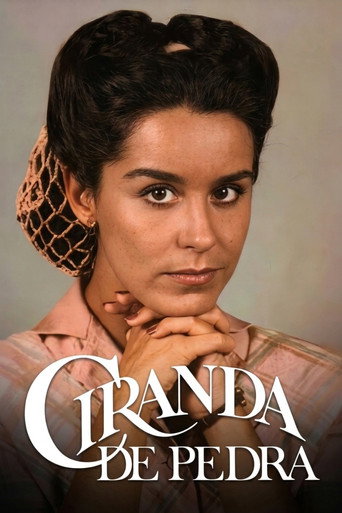
Set in 1940s São Paulo, the story follows Laura, a modern woman devoted to the arts who is oppressed by her husband, Natércio Prado—a wealthy man with traditional views. Amidst marital turmoil, Laura suffers a severe trauma and is even committed to an asylum by her husband. The couple separates, and the family is torn apart: Laura keeps her youngest daughter, Virgínia, while Natércio retains custody of the other daughters, Otávia and Bruna. Frail and penniless, Laura moves into the Vila Mariana home of her neurologist, Daniel. He is in love with his patient and believes her condition is physical rather than mental. Laura hides the fact that Virgínia is actually Daniel's daughter. The youngest daughter eventually returns to live with her father, where she faces hostility and harshness from the housekeeper, Frau Herta.
Ciranda de Pedra
1981
 8.3
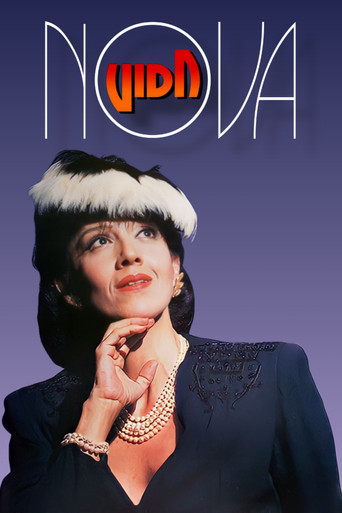
São Paulo, 1945. A tenement in the Bixiga neighborhood centralizes the plots and characters. The cheerful Lalá is a former prostitute who got along with a senator of the Republic, her lover, who, when he died, left her in an excellent financial situation, since she had a daughter with him, Marialina. Lalá is courted by the simple Italian Antônio Sapateiro, a mature man in love with her. The Portuguese Manoel Vitor loves the Jewish Ruth, but her parents forbid dating because of religion.
Vida Nova
1988
Film credits
1970s · 2 titles
 8.5
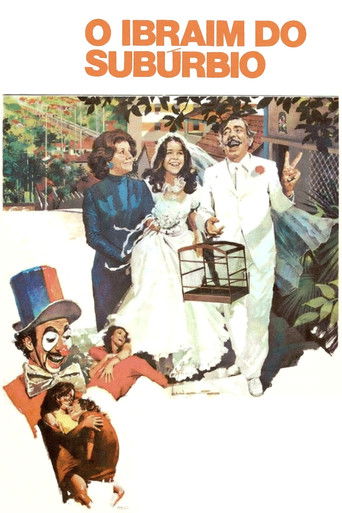
A poor man from the North Zone of Rio, head of a family, Roy struggles in every way to survive and accepts a job as a professional laugher on a TV station; Casimiro de Abreu de Sousa lives in a fantasy world in which he imagines himself to be part of high society. His daughter's wedding awakens in Casimiro the desire to achieve everything he has always fantasized about.
O Ibraim do Subúrbio
1977
 5.7
70-year-old widower living in a poor Rio de Janeiro suburb falls in love again when he finds a woman of approximately the same age.
Summer Showers
1978
Series credits
8.4Fátima Accioly is a young, callous woman who wants to be rich and successful at any price. After selling her family's house in the country, she heads to Rio and gets to know dress man César who is unscrupulous himself. Meanwhile, her mother Raquel stays behind without home and money, but finally tries to find her daughter in the big city. Both women come in contact with the rich Roitman family which changes their lives forever.
Vale Tudo
1988
7.8A down-on-her-luck former inmate tries to reconnect with her daughter--to the objections of her sister who raised the girl, meets a millionaire, and transforms into a strong woman, returning to society at Dancin' Days nightclub's opening.
Dancin' Days
1978
7.9No synopsis available yet.
Xica da Silva
1996
7.0The young and rich Patricia, daughter of Ambassador André Dumont's first marriage, is in love with and reciprocated by Luiz Carlos, a poor boy, son of the family's maid, Isolda. Whoever doesn't like to see her with the maid's son is her stepmother, Renata Dumont, André's wife. Renata is an ambitious woman who hides her humble origins and a secret from the past that unites her with Isolda. Career, she married the diplomat André, from a traditional family, with whom she had a son, Lipe.
Mad Love
1983
9.0Set in 1940s São Paulo, the story follows Laura, a modern woman devoted to the arts who is oppressed by her husband, Natércio Prado—a wealthy man with traditional views. Amidst marital turmoil, Laura suffers a severe trauma and is even committed to an asylum by her husband. The couple separates, and the family is torn apart: Laura keeps her youngest daughter, Virgínia, while Natércio retains custody of the other daughters, Otávia and Bruna. Frail and penniless, Laura moves into the Vila Mariana home of her neurologist, Daniel. He is in love with his patient and believes her condition is physical rather than mental. Laura hides the fact that Virgínia is actually Daniel's daughter. The youngest daughter eventually returns to live with her father, where she faces hostility and harshness from the housekeeper, Frau Herta.
Ciranda de Pedra
1981
8.3São Paulo, 1945. A tenement in the Bixiga neighborhood centralizes the plots and characters. The cheerful Lalá is a former prostitute who got along with a senator of the Republic, her lover, who, when he died, left her in an excellent financial situation, since she had a daughter with him, Marialina. Lalá is courted by the simple Italian Antônio Sapateiro, a mature man in love with her. The Portuguese Manoel Vitor loves the Jewish Ruth, but her parents forbid dating because of religion.
Vida Nova
1988
 7.7
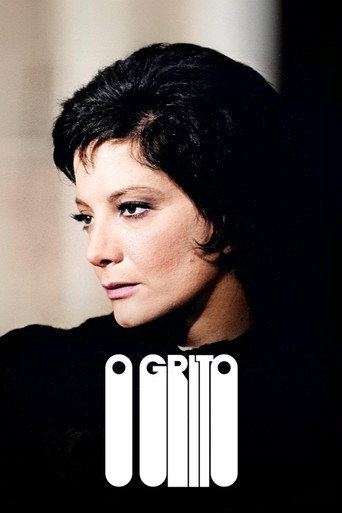
No synopsis available yet.
O Grito
1975
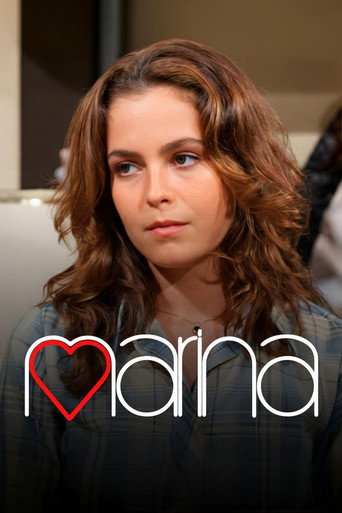 7.0
Marina is raised by her father on an island after her mother's death. As a teenager, she moves to Rio de Janeiro to study and live with her godparents, where she ends up falling in love with Marcelo.
Marina
1980
 9.0
In 1979, Maria Isabel Caldeira had to leave Brazil because her husband, Humberto, was involved in a political kidnapping. Because of this, she left behind her infant son, Lucas. Upon returning fifteen years later, her greatest struggle is the search for her lost son. Maria Isabel returns on the same flight as Renato Alcântara, a European football star returning to Brazil to coach Pindorama Futebol Clube. Around this time, Felipe Caldeira, Maria Isabel's father, is vying for the club's presidency against the corrupt Alberto Drummond. The behind-the-scenes world of football serves as a backdrop for a plot involving murder, child exploitation, a homosexual couple seeking acceptance, a submissive woman left in a clinic by her husband, who is having an affair with the housekeeper, and other stories.
O Campeão
1996
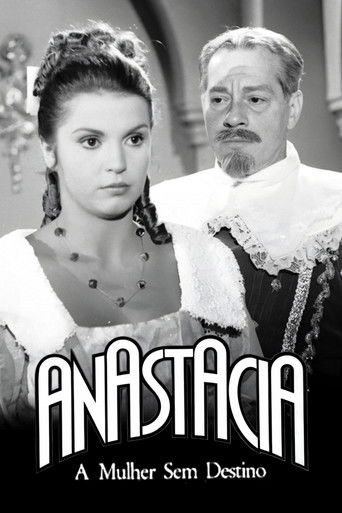 7.0
No synopsis available yet.
Anastácia, a Mulher sem Destino
1967
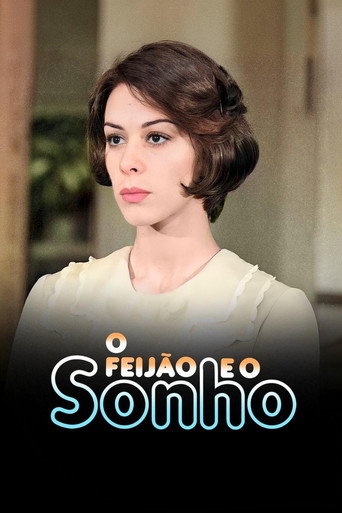 7.0
Juca Campos Lara dreams of poetry, but pressured by reality, he trades art for the sake of supporting his family. The struggle between making ends meet and his dream unfolds in four significant phases.
O Feijão e o Sonho
1976
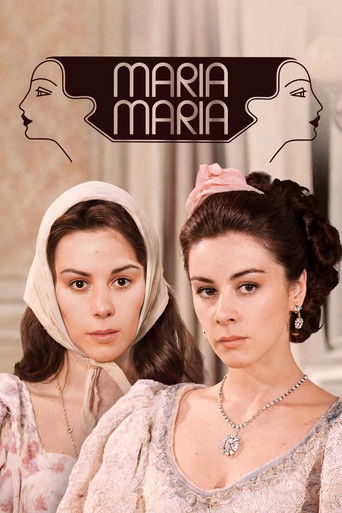 8.0
In the backlands, the drover Ricardo marks the destiny of young Maria. Years later, in Xique-Xique, a mistake between two identical women rekindles passions, separations, and an impossible love.
Maria, Maria
1978
 10.0
Eugênio Fontes is a medical student striving for upward social mobility. His impoverished childhood left him with an inferiority complex that hinders him in both his career and his romantic life; consequently, his struggles and dreams are entirely focused on achieving financial security. Deeply conflicted, he feels unable to love his parents, Alzira and Ângelo, to whom he owes his education. While in medical school, Eugênio meets Olívia Miranda, and the two fall in love. However, he ultimately marries Eunice—a beautiful, wealthy young woman and the daughter of the industrialist Cintra. Through his marriage to Eunice, Eugênio secures a good job and gains influential connections, such as a friendship with Felipe Lobo, a respected architect and associate of his father-in-law. Yet, as time goes by, the young doctor begins to question his marriage.
Olhai os Lírios do Campo
1980
 NR
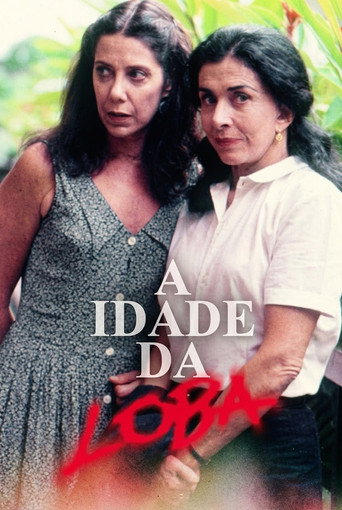
Valquíria, after the death of her husband, leaves the small town of São José do Barreiro, in the interior of São Paulo state, in search of professional fulfillment, alongside her best friend, Irene. In this new phase of their lives, they encounter a shared love from thirty years ago, Montenegro. This reunion is marked by many misunderstandings, including the difficulty Montenegro and Valquíria have in being together permanently. In parallel, other storylines will develop: that of Suzana, Valquíria's daughter who discovers that Montenegro is her real father and does not accept him; and that of the various residents of Piconês's boarding house, where Valquíria lives, who seek professional success and romantic fulfillment.
A Idade da Loba
1995
 8.1
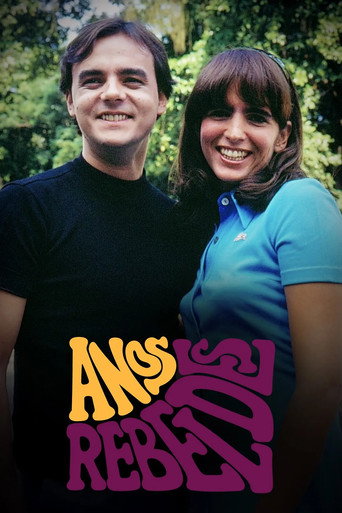
Mini series about the 1960s in Rio de Janeiro, when a politically engaged student falls in love with a left wing journalist's daughter who doesn't care for politics. The romance follows 15 years of Brazilian history, since President João Goulart deposition by military reactionary forces, until the first signs of restoration of democracy, in the 1980s.
Anos Rebeldes
1992
 10.0
No synopsis available yet.
E Nós, Aonde Vamos?
1970
No synopsis available yet.
Enquanto Houver Estrelas
1969
No synopsis available yet.
O Acusador
1964
 10.0
No synopsis available yet.
Conflito
1982