
Directing
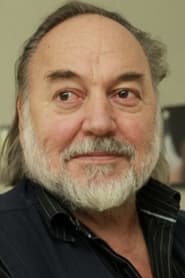
Karpo Aćimović Godina
Born
1943-06-26 (83)
Place of birth
Skopje, Macedonia, Yugoslavia
Known for
Directing
Credits
37 titles
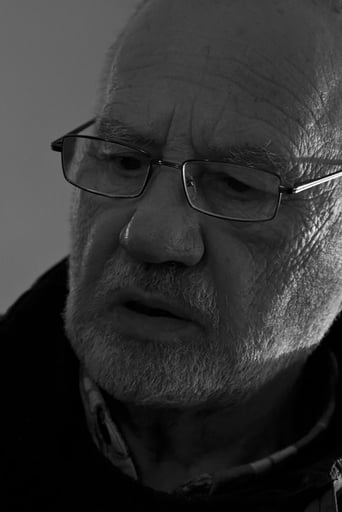
Karpo Ačimović Godina (born 26 June 1943) is a Slovenian cinematographer and film director. He is one of the most important representatives of the Yugoslav cinematic movement "Black Wave".
Known for
 5.4
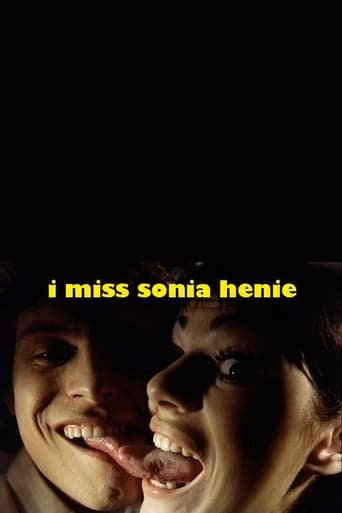
5.4One camera in one setting, one attic and eight young directors – the result is a unique Dadaistic collage of seven short sketches. The original task for each filmmaker was to keep each short under three minutes, to set it in one hotel room, and to include the sentence “I miss Sonja Henie." This experimental film was shot over a single night at the international film festival FEST in Beograd in 1971.
I Miss Sonia Henie
1971
 5.7
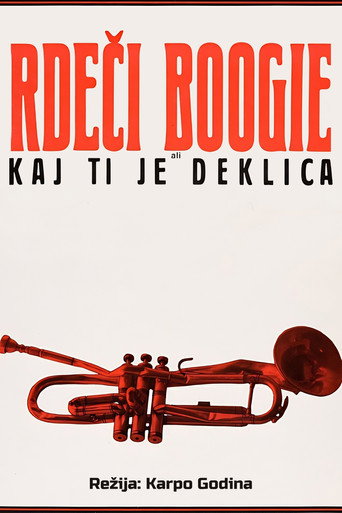
5.7Comedy about a group of musicians who are sent to play to villagers and workers to raise morale during a 5 year plan. The trouble is they prefer to play jazz and boogie music to the traditional folk songs, and each time they try their jazz they are reprimanded by the local party secretary.
Red Boogie
1982
 NR
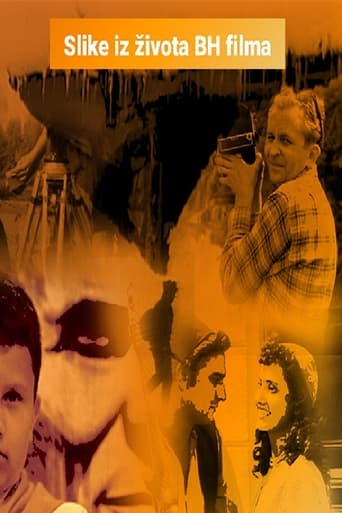
NRThe history of Bosnian cinematography over 75 years of existence.
Scenes from the Life of BH Film
2022
 6.2
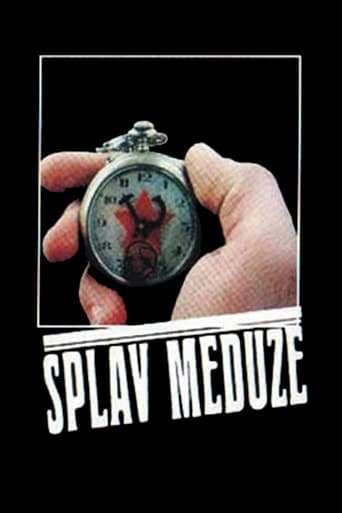
6.2Story about a group of eccentric Dadaist artists in a small Serbian town in the 1920s.
The Medusa Raft
1980
 7.2
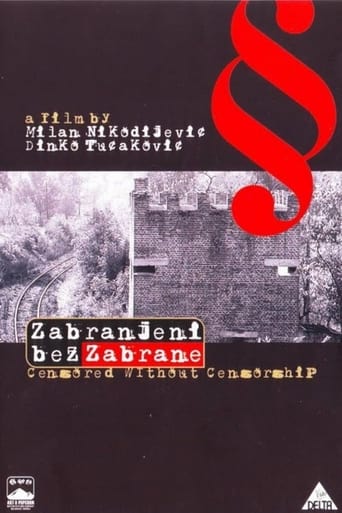
7.2Through the conversation with Yugoslav film authors and excerpts from their films, this documentary film tells a story of a film phenomenon and censorship, and its focus is, in fact, a painful epoch of Yugoslav film called “a Black Wave”, which was the most important and artistically strongest period of Yugoslav film industry, created in the sixties and buried in the early seventies by means of ideological and political decisions. The film tells a great “thriller” story of the ideological madness which characterised the totalitarian psychology having left multiple consequences felt up to our very days. It stresses similarities between totalitarian regimes defending their taboos on the example of the persecution of the most important Yugoslav film authors. Those film authors have, however, made world careers and inspired many later authors. The film is the beginning of a debt pay-off to the most significant Yugoslav film authors.
Censored without Censorship
2007
 10.0
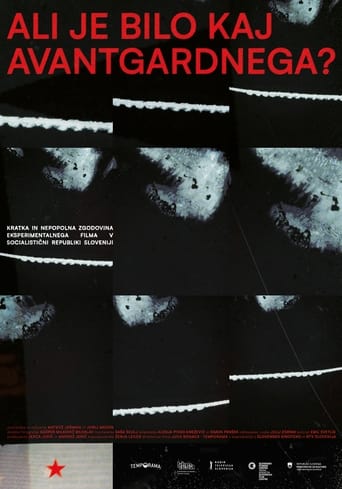
10.0Between 2013 and 2023, Slovenian Cinematheque preserved and digitized 179 short films created on a tiny stretch of land between the Alps and the Adriatic Sea in the period of socialism (1945-1991), but mostly outside the prevailing state production. Today, we belatedly recognize these films as experimental and as an important, innovative part of the Slovenian film heritage, visible again for the first time after decades. The production of Alpe-Adria Underground! has radically accelerated efforts to preserve, digitize and restore this segment of Slovenian cinema.
Alpe-Adria Underground!
2025
Film credits
2020s · 3 titles
NRThe history of Bosnian cinematography over 75 years of existence.
Scenes from the Life of BH Film
2022
10.0Between 2013 and 2023, Slovenian Cinematheque preserved and digitized 179 short films created on a tiny stretch of land between the Alps and the Adriatic Sea in the period of socialism (1945-1991), but mostly outside the prevailing state production. Today, we belatedly recognize these films as experimental and as an important, innovative part of the Slovenian film heritage, visible again for the first time after decades. The production of Alpe-Adria Underground! has radically accelerated efforts to preserve, digitize and restore this segment of Slovenian cinema.
Alpe-Adria Underground!
2025
 NR
NRA biographical film about director Bahrudin 'Bato' Čengić and his contribution to Bosnian cinematography.
Bato
2021
2010s · 2 titles
Druga linija aka The Other Line is a product of many years of research of neo-avant-garde cultural and art scene in Novi Sad, Serbia (late 60s and 70s), which has been marginalized until today. This artistic movement was directly connected not only with important art centers of the former Yugoslavia, but also with existing flows of world art during its brief and productive activities (7e Biennale de Paris, 19th Berlinale). The cultural and artistic emancipation of that time had implied individual freedom of expression and strong reaction to established boundaries. This avant-garde movement had become threat to communist establishment, the authors' work were sabotaged, the films were sealed off, five artists were taken to trial, two were sent in prison. How is it that the retrograde mechanism of shutting down and removing the most creative and representative progressive impulses of our surrounding is still so current to this day?
The Other Line
2016
 NR
NRA portrait of the greats of Slovenian and Yugoslav documentary film, from his point of view, and that of his family and colleagues Karpo Aćimović-Godina, Jože Pogačnik and others.
Mako.
2013
Behind the camera
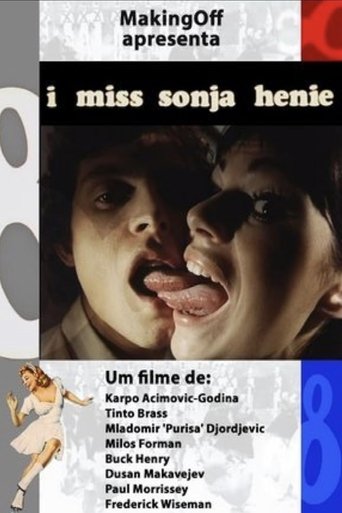
5.4One camera in one setting, one attic and eight young directors – the result is a unique Dadaistic collage of seven short sketches. The original task for each filmmaker was to keep each short under three minutes, to set it in one hotel room, and to include the sentence “I miss Sonja Henie." This experimental film was shot over a single night at the international film festival FEST in Beograd in 1971.
I Miss Sonia Henie
1971
5.7Comedy about a group of musicians who are sent to play to villagers and workers to raise morale during a 5 year plan. The trouble is they prefer to play jazz and boogie music to the traditional folk songs, and each time they try their jazz they are reprimanded by the local party secretary.
Red Boogie
1982
6.2Story about a group of eccentric Dadaist artists in a small Serbian town in the 1920s.
The Medusa Raft
1980
 7.8
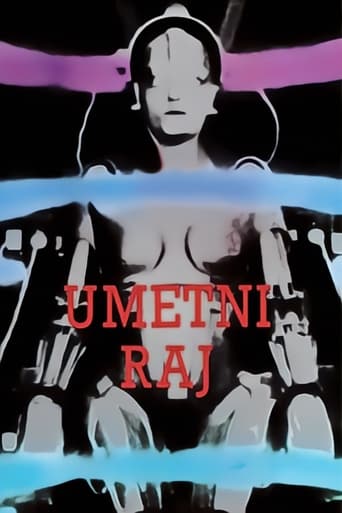
7.8Los Angeles in 1935. Fritz Lang receives in his hotel apartment the young film amateur Willy, who wants to prepare an interview with him. At a certain moment Lang starts relating how, as an army officer in the First World War, he spent some time in the house of the lawyer Karol Gatnik in a small town in the northeast of Slovenia. Lang makes friends with Gatnik and gets aquainted with all members of his family. When Lang finds out that Gatnik is a passionate film amateur and that he also possesses his own camera, they make a film together. This is probably Lang’s first contact with cinematography. Late at night Lang looks at the photographs in Los Angeles and revives in his spirit the imaginary meeting with his friend Gatnik.
Artificial Paradise
1990
 6.2
6.2Plotless and wordless, beautifully edited shots of young (often naked or semi-naked) people in various positions, illustrating different emotions, actions and situations, underlined by rock music.
The Gratinated Brains of Pupilija Ferkeverk
1971
6.2Plotless and wordless, beautifully edited shots of young (often naked or semi-naked) people in various positions, illustrating different emotions, actions and situations, underlined by rock music.
The Gratinated Brains of Pupilija Ferkeverk
1971
 NR
NRTV film about the legendary Ljubljana bar Šumi.
Chubby Was Here - Farewell Šumi
2000
 5.0
5.0Documentary focusing on the making of "I Miss Sonia Henie"
I Miss Sonja Henie: The Making of a Film
1972
 6.9
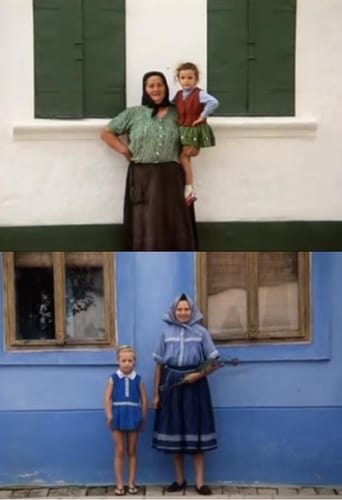
6.9The Serbian province of Vojvodina is home to a multi-ethnic population of Serbs, Croats, Slovaks, Ukrainians, Romanians, and Roma. The different groups seem to coexist cheerfully and peacefully, full of respect for each other’s customs, songs and religions. But the filmmaker’s ironical gaze discovers cracks in a facade that has long been less harmonious than it seems…
Litany of Happy People
1971
6.9The Serbian province of Vojvodina is home to a multi-ethnic population of Serbs, Croats, Slovaks, Ukrainians, Romanians, and Roma. The different groups seem to coexist cheerfully and peacefully, full of respect for each other’s customs, songs and religions. But the filmmaker’s ironical gaze discovers cracks in a facade that has long been less harmonious than it seems…
Litany of Happy People
1971
Experimental 8mm film by Karpo Godina.
Anno Passato
1966
 8.8
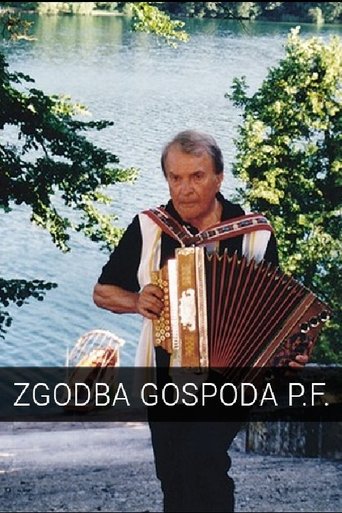
8.8The mysterious, charming Mr. P. F., the protagonist of this full-length documentary film, is a sportsman, inventor, owner of more than 400 patents and a cosmopolitan who knew life in Europe's most glamorous cities. His inquisitiveness and the spirit of cosmopolitanism lured him to Switzerland, where he only just started living. Very quickly he ended up among the European rich elite and they accepted him as one of them. He was a millionaire who was thought to be a billionaire and who also lived like a billionaire.
The Story of Mr. P. F.
2003
8.8The mysterious, charming Mr. P. F., the protagonist of this full-length documentary film, is a sportsman, inventor, owner of more than 400 patents and a cosmopolitan who knew life in Europe's most glamorous cities. His inquisitiveness and the spirit of cosmopolitanism lured him to Switzerland, where he only just started living. Very quickly he ended up among the European rich elite and they accepted him as one of them. He was a millionaire who was thought to be a billionaire and who also lived like a billionaire.
The Story of Mr. P. F.
2003
The story is set in the period after World War II, in the Slovenian Karst, in an area controlled by the Americans. The film was intended to be a historical drama, but due to internal conflicts between the director and producer, it was never made.
Where Is Stella del Nord?
2002
 9.0
9.0The film follows the stream of consciousness of Ksenija Hribar, a ballet dancer from Ljubljana and a long time member of London Contemporary Dance Company.
Xenia on Tour
1975
Experimental 8mm film by Karpo Godina.
Game/Wildlife
1965
Godina was ordered to make a short film glorifying the army, but instead made a film about making love, not war. The censors hacked it up, but he managed to save one complete copy.
About the Art of Love or a Film with 14441 Frames
1972
Godina was ordered to make a short film glorifying the army, but instead made a film about making love, not war. The censors hacked it up, but he managed to save one complete copy.
About the Art of Love or a Film with 14441 Frames
1972
On the trail of the partisan to the liberator from the first days of the liberation of Yugoslavia to the meeting with the generation of '68.
Universal Sun
1968
On the trail of the partisan to the liberator from the first days of the liberation of Yugoslavia to the meeting with the generation of '68.
Universal Sun
1968
After film school, Godina’s first professional work as a director was “Picnic on Sunday,” a 1968 black-and-white short without any words that shows how seven different people spend a Sunday. A simple concept, but in Godina’s hands the short is suffused with both sexuality and revolution. - Paste
Picnic on Sunday
1968
After film school, Godina’s first professional work as a director was “Picnic on Sunday,” a 1968 black-and-white short without any words that shows how seven different people spend a Sunday. A simple concept, but in Godina’s hands the short is suffused with both sexuality and revolution. - Paste
Picnic on Sunday
1968
Experimental 8mm film by Karpo Godina.
Dog
1965
Experimental 8mm film by Karpo Godina.
Dog
1965
 NR
NRThe response of the director Karpo Godina and poet Boris A. Novak to the manipulations of the government and the party machinery that bicycles were a means of Nazi and fascist propaganda.
The History of Cycling
2020
 9.0
9.0This short film is part of Karpo Aćimović Godina's experimental and documentary work in 1970s Yugoslav cinema. It extends his interest in regional identities, minorities, and the visual traces left by different cultures on Yugoslav territory. The film offers a journey through examples of architecture, decor, and objects related to Islamic tradition in the former Yugoslavia, such as mosques, ornamental elements, and calligraphy. It explores how this art is embedded in the region's history and in the daily lives of the communities that produced it. It is an observational film, without a dramatic plot, functioning primarily as a "visual essay" on the material culture of Islam in a Balkan context. The tone is analytical and contemplative, closer to a cultural study or a poetic inventory.
Islam
1973
9.0This short film is part of Karpo Aćimović Godina's experimental and documentary work in 1970s Yugoslav cinema. It extends his interest in regional identities, minorities, and the visual traces left by different cultures on Yugoslav territory. The film offers a journey through examples of architecture, decor, and objects related to Islamic tradition in the former Yugoslavia, such as mosques, ornamental elements, and calligraphy. It explores how this art is embedded in the region's history and in the daily lives of the communities that produced it. It is an observational film, without a dramatic plot, functioning primarily as a "visual essay" on the material culture of Islam in a Balkan context. The tone is analytical and contemplative, closer to a cultural study or a poetic inventory.
Islam
1973
 NR
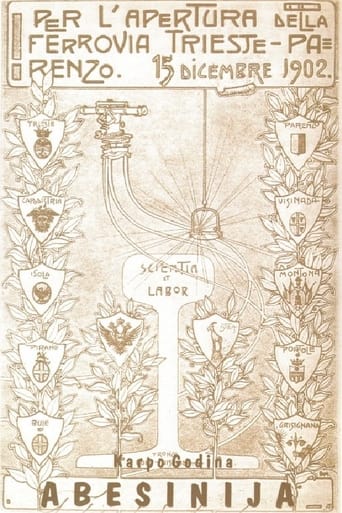
NRA sentimental, delightful journey along the former railway route “Porečanka” that connected Trieste and Poreč from 1902 until 1935. Then it was dismantled and the tracks to be used in Mussolini’s war in Abyssinia but they sank in the Mediterranean – an ironic turn of history, an ideal subject for Karpo Godina, the master of tender wit.
Abyssinia
1999
NRA sentimental, delightful journey along the former railway route “Porečanka” that connected Trieste and Poreč from 1902 until 1935. Then it was dismantled and the tracks to be used in Mussolini’s war in Abyssinia but they sank in the Mediterranean – an ironic turn of history, an ideal subject for Karpo Godina, the master of tender wit.
Abyssinia
1999