
Directing
Raphael Montañez Ortíz
Born
1934-01-30 (92)
Place of birth
Brooklyn, New York, USA
Known for
Directing
Credits
35 titles
Raphael Montañez Ortíz (b. 1934, New York) is a multidisciplinary artist perhaps best known for his radical performances of the 1960s as part of the Destructivist movement which he helped to articulate. Not many know that he is also a pioneer of found footage cinema who deserves greater recognition within the American filmic avant-garde. Starting in 1957, he produced a number of singular works by subjecting 16mm prints of commercially- or institutionally-produced films to a cut-up method inspired by Yaqui shamanic practices, a kind of ritualistic chance operation intended to break down their structure and thoroughly undermine their discursive power. In the mid-1980s, Montañez Ortiz continued…
Known for
 8.0
8.0An associative view of the days, nights and characters that enclosed the life of Arthur Janov, which defines in the conclusion "It's never too late to have a happy childhood". Arthur Janov (1924-2017) was a classic instance of being the right charismatic therapist at the right time - the zeitgeist. Dr. Janov first heard about the embryo to the primal scream through one of his patients when he performed conventional psycho dynamic therapy. It was an absurd theatre performance by Raphael Montañez Ortiz called "Mommy, Daddy" presented in London, 1966. The birth of Primal therapy happened when Arthur Janov's book, "The Primal Scream" was published early 1970.
Arthur Janov's Primal Therapy
2018
 NR
NRRandomly spliced pieces of a newsreel featuring notable news from 1946.
Newsreel
1958
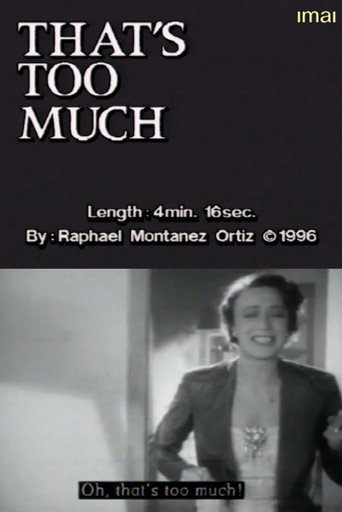 NR
NROne of director Ortiz’s final computer-laser-videos, marking a significant point in his career as an interdisciplinary artist and pioneer of the Destructivism movement.—Yesenia Perez
That's Too Much
1996
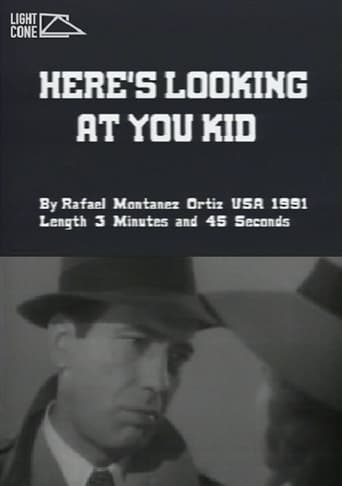 NR
NRA remix film combining elements of found footage and structural filmmaking by combining Humphrey Bogart's quote from Casablanca with found footage of explosions, emphasized by repetition.
Here's Looking At You Kid
1991
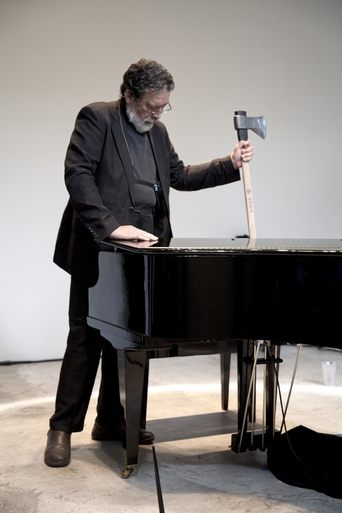 5.0
5.0The concept of ritual-theater has been important since the early sixties in its production. It consists of the staging of violence through real acts that appeal to equally real and live emotions with an audience, that is, the action and the reaction that it provokes in the public happen simultaneously. This art of destruction represented by Raphael Montañez Ortiz is the theatricalization of a daily destruction, which we live in day to day.
Piano Destruction Concert: Dada con Mama
2014
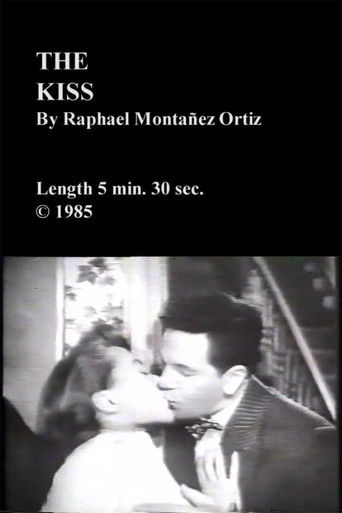 NR
NRIn his film work from the early 1980s, the artist used an Apple computer hooked up to a laser disc player. He scratched the laser disc, creating a stammering image, and a disconnection between time and space.
The Kiss
1985
Film credits
2010s · 3 titles
8.0An associative view of the days, nights and characters that enclosed the life of Arthur Janov, which defines in the conclusion "It's never too late to have a happy childhood". Arthur Janov (1924-2017) was a classic instance of being the right charismatic therapist at the right time - the zeitgeist. Dr. Janov first heard about the embryo to the primal scream through one of his patients when he performed conventional psycho dynamic therapy. It was an absurd theatre performance by Raphael Montañez Ortiz called "Mommy, Daddy" presented in London, 1966. The birth of Primal therapy happened when Arthur Janov's book, "The Primal Scream" was published early 1970.
Arthur Janov's Primal Therapy
2018
5.0The concept of ritual-theater has been important since the early sixties in its production. It consists of the staging of violence through real acts that appeal to equally real and live emotions with an audience, that is, the action and the reaction that it provokes in the public happen simultaneously. This art of destruction represented by Raphael Montañez Ortiz is the theatricalization of a daily destruction, which we live in day to day.
Piano Destruction Concert: Dada con Mama
2014
 NR
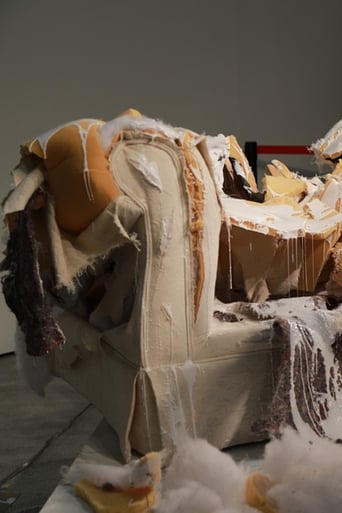
NRRaphael Montañez Ortiz tells a story about an elderly Jewish couple that didn't watch television or listen to the radio. Instead they used to talk lovingly to each other for every day of their long marriage. And in a sense there was a glow around them. When the couple were young their daughter died from polio. And so this energy or glow, in a kabbalistic sense, was their guardian angel, their daughter. Therefore...
Couch Destruction: Angel Release
2017
Behind the camera
NRRandomly spliced pieces of a newsreel featuring notable news from 1946.
Newsreel
1958
NROne of director Ortiz’s final computer-laser-videos, marking a significant point in his career as an interdisciplinary artist and pioneer of the Destructivism movement.—Yesenia Perez
That's Too Much
1996
NRA remix film combining elements of found footage and structural filmmaking by combining Humphrey Bogart's quote from Casablanca with found footage of explosions, emphasized by repetition.
Here's Looking At You Kid
1991
5.0The concept of ritual-theater has been important since the early sixties in its production. It consists of the staging of violence through real acts that appeal to equally real and live emotions with an audience, that is, the action and the reaction that it provokes in the public happen simultaneously. This art of destruction represented by Raphael Montañez Ortiz is the theatricalization of a daily destruction, which we live in day to day.
Piano Destruction Concert: Dada con Mama
2014
NRIn his film work from the early 1980s, the artist used an Apple computer hooked up to a laser disc player. He scratched the laser disc, creating a stammering image, and a disconnection between time and space.
The Kiss
1985
 NR
NR1996 / U-Matic / color-b&w / sound / 1S / 12' 00
The Conversation
1996
 NR
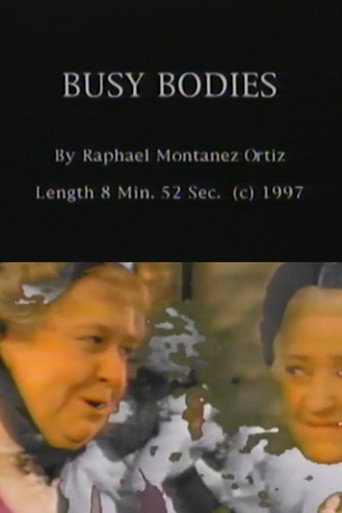
NROne of Ortiz’s final computer-laser-videos, marking a significant point in his career as an interdisciplinary artist and pioneer of the Destructivism movement.—Yesenia Perez
Busy Bodies
1997
 NR
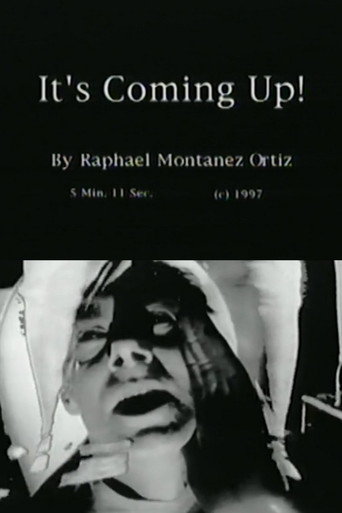
NROne of Ortiz’s final computer-laser-videos, marking a significant point in his career as an interdisciplinary artist and pioneer of the Destructivism movement.—Yesenia Perez
It's Coming Up
1997
 NR
NRRaphael Montañez Ortíz takes a scene from the film Winchester '73 and creates a redux of his 1958 works 'Cowboy' and 'Indian Film' using LaserDisc technology to recreate that original destructionist viewing experience.
Welcome
1985
 NR
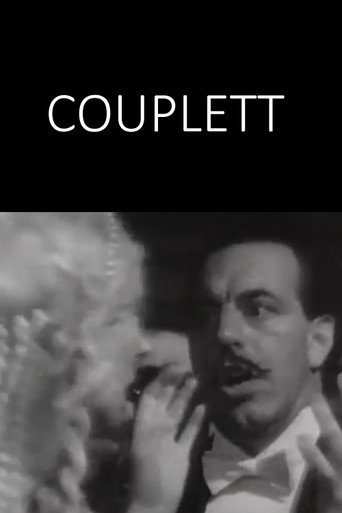
NRRaphael Montañez Ortíz manipulates and distorts a scene from the classic film Freaks using digital editing techniques to give the scene a destructive quality.
Couplett
1986
 NR
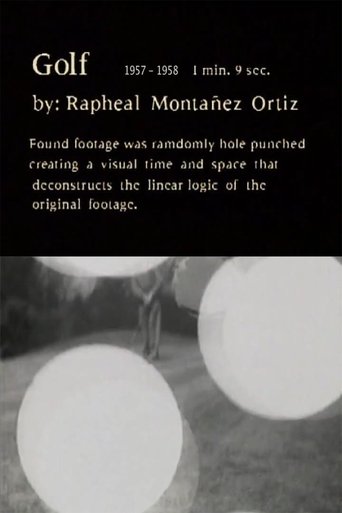
NR"Golf" was the result of my attempt to make space in the frame, space that was non-film space, that would take over the film space. With each random hole punch, I chanted, 'Emptiness is fullness. (Raphael Montañez Ortiz)
Golf
1957
 NR
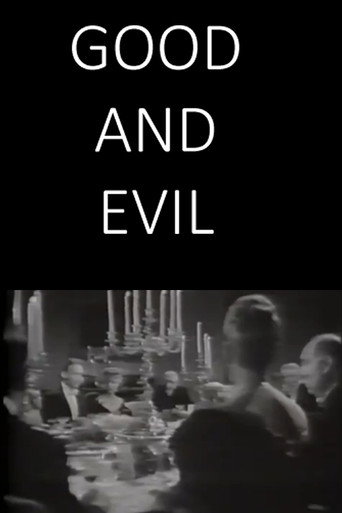
NRRaphael Montañez Ortíz visually manipulates a scene of Spencer Tracy in his role from the classic film San Francisco to create a destructionist viewing experience
Good and Evil
1986
 NR
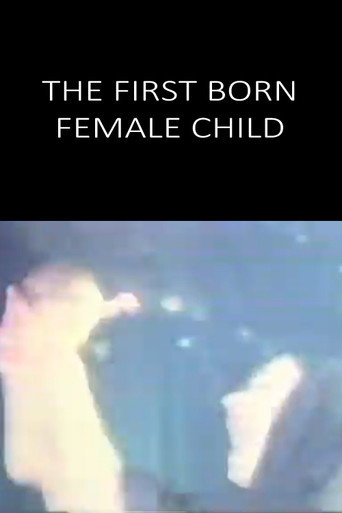
NRRaphael Montañez Ortíz takes a scene of the birth of Jesus taken from the television miniseries Jesus of Nazareth and distorts and manipulates it to create a destructionist viewing experience.
The First Born Female Child
1986
 NR
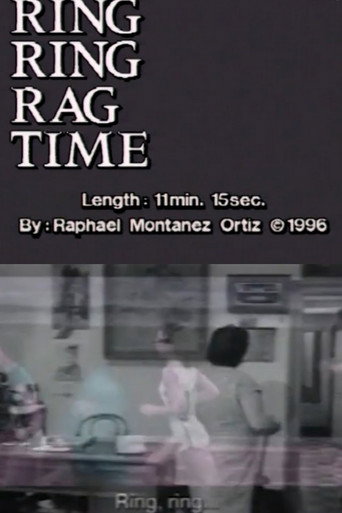
NRby Raphael MONTAÑEZ ORTIZ 1996 / color-b&w / sound / 1S / 11' 15
Ring Ring Rag Time
1996
 NR
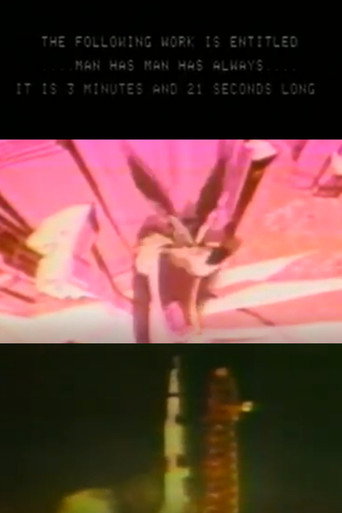
NRRaphael Montañez Ortíz cycles through two clips: footage of a rocket launch and a clip of a Wile E. Coyote cartoon and manipulates and distorts the two clips to create a destructionist viewing experience.
Man Has Man Has Always
1987
 NR
NRIn the mesmerizing Beach Umbrella, 1985, a shapely woman in a white bathing suit tears across the sand at a panicked clip, pursued by the Technicolor trio of the Three Caballeros. When the woman at last collapses, the cartoon characters descend, seething in a manic swarm over her body, a scene somewhere between a feeding frenzy and a gangbang. Once satisfied, the trio zoom off, allowing the woman time to stand before they begin the chase anew.
Beach Umbrella
1985
 NR
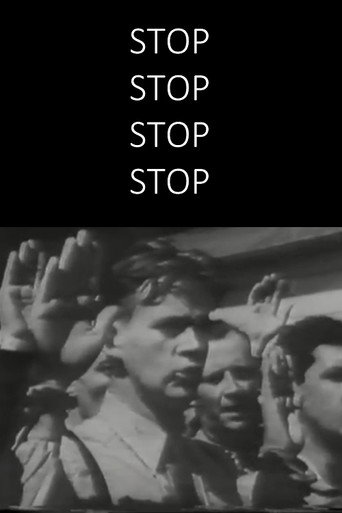
NRRaphael Montañez Ortíz distorts scenes from assorted World War II-era newsreels using digital editing technology to create a destructionist film.
Stop Stop Stop Stop
1986
In his film work from the early 1980s, the artist used an Apple computer hooked up to a laser disc player. He scratched the laser disc, creating a stammering image, and a disconnection between time and space.
Dance Number
1985
 NR
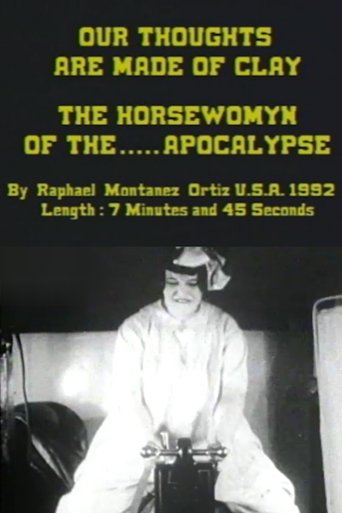
NRSimilar to the work of Martin Arnold, this outré and charged video-work employs footage from a Stroheim vehicle with film of a woman sexually straddling a mechanized pommel horse to suit its own message.
Our Thoughts Are Made of Clay: The Horsewomyn of the Apocalypse
1992
 NR
NRRaphael Montañez Ortíz takes a scene from the film Phantom Lady and manipulates and distorts it using digital video software to create a destructionist experience.
If You Don't Want It Anymore
1988
 NR
NRRaphael Montañez Ortíz distorts the famous line from Gregory Peck's performance in the 1956 adaptation of Moby Dick using digital equipment to create a destructionist viewing experience.
I Spent My Last Breathe At Thee
1986
 NR
NRStarting in 1985, Montañez Ortiz begins a series of what he calls “digital/laser/videos”; he makes a large number of these “arresting, provocative and suggestive” works
You Bust Your Bunns
1986
Performed at the Whitney Museum of American Art
Piano Destruction Concert: Humpty Dumpty Had a Great Fall
1996
 NR
NRMetaphor on the massacre with the help of diverted images and a very varied soundtrack. The soundtrack was added in 1962.
Henny Penny: The Sky Is Falling
1958
NRRaphael Montañez Ortiz tells a story about an elderly Jewish couple that didn't watch television or listen to the radio. Instead they used to talk lovingly to each other for every day of their long marriage. And in a sense there was a glow around them. When the couple were young their daughter died from polio. And so this energy or glow, in a kabbalistic sense, was their guardian angel, their daughter. Therefore...
Couch Destruction: Angel Release
2017
 NR
NRThe same year that Bruce Conner completed his famed A Movie, Montañez Ortiz destroyed a 16mm print of a banal Western, Winchester '73, with a tomahawk. He then placed the scraps of film in a medicine bag "to release the evil," intoned a ritual chant he had learned from his Yaqui grandfather, and spliced together the exorcised fragments in a random order.
Cowboy and "Indian" Film
1958
 NR
NR1991 / U-Matic / b&w / sound / 1S / 3' 00
Gonna Get Me a Gal
1991
A several-second passage depicting a woman's agitated face is repeated in a loop that decomposes, distorts and reassembles her expression and gesture into an image of masochistic violence, whipped by gusts of voice synthesizer-induced, destroyed sound. The author appropriates the videotape and, through jerks of fast-forwarding and rewinding, it disintegrates the temporality not only of the original shot but also of the event depicted.
Pushann Pushann
1986
A selection of works from the late 1950's - late 1980's which begins with one of a number of piano destruction concerts performed at the DESTRUCTION IN ART SYMPOSIUM held in London England in 1966
Introspective: Ortiz Art-Work Late 1950s - Late 1980s
1996
 NR
NRWith the aid of the Computer Department at Rutgers University, Montañez Ortiz devised a software interface that allowed him to digitize a videotape by scratching it forward and backward, completely disrupting its temporality.
What Is This
1985
 NR
NRAn 80-sec excerpt of the edge-to-edge scan of Raphael Montañez Ortiz’s 1957 film "Golf"s 16mm celluloid print with punched holes across the frame lines and on the original soundtrack.
Ritual Destruction of "Follow Through"
1957
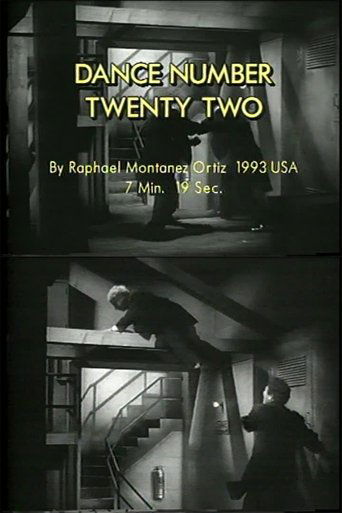 NR
NRAn experimental video based on repetition and crazy rhythm.
Dance Number 22
1993