
Directing
Robert Fenz
Born — Died
1969-03-21 — 2020-08-20
Place of birth
Ann Arbor, Michigan
Known for
Directing
Credits
14 titles
Robert Fenz was a visionary filmmaker and artist whose dynamic moving images speak directly to his passionate connection to place and the fleeting, untold histories he so skillfully reanimated. Inspired by the great street photography of the 1950s and 1960s and dedicated to shooting film as film, Fenz invented extraordinary beautiful, innovative and often rapturous images that gave vital form to his notion of the cinema as an expressive form able to challenge dominant perceptions of the world. For Fenz cinema did not need sound to give voice to those unwritten chapters of revolutionary change around the world that so fascinated him. While most of Fenz’s films are silent his passion for jazz …
Known for
 NR
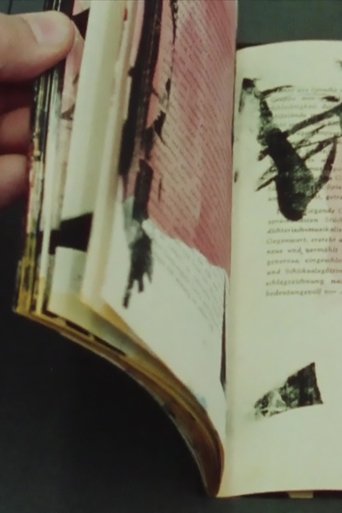
NRDocumentation of a book project by artist Arturo Herrera.
Books
2014
 NR
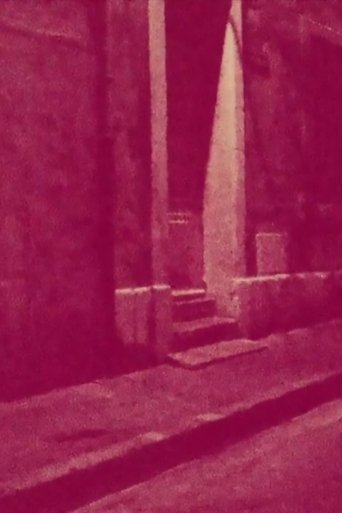
NRThe night of Marseille seen in a different way
The Night
2014
Filmmaker Robert Fenz returned to the locations of three classic films made by the pioneering American ethnographic filmmaker Robert Gardner. Dead Birds (1964) was filmed in West Papua, Rivers of Sand (1974) in Ethiopia and Forest of Bliss (1986) in Varanasi, India. Correspondence is an elegy for a kind of imagemaking that is in the process of disappearing.
Correspondence
2011
The film came about when Robert Fenz was working on the last film by Chantal Akerman: From the Other Side, an experimental documentary about the border between the United States and Mexico. In her film, Akerman provides a picture of life on both sides of the border, emphasising the fact that it is not possible for the viewer to decide on the basis of the picture which country was being talked about. Fenz takes the same element of a physical border separating two worlds to a more abstract level, in which the sharp line adopts a series of different forms.
Crossings
2006
The film is the result of a close bond between music and cinema testifying the many relationships between the two. It is visualized through American iconographic imagery and graphics combined with the great evocative power of ad libbing by the trumpet player Ishmael Wadada Leo Smith.
Vertical Air
1996
from: "Jazz on the Screen" by David Meeker
Duet for Trumpet and Camera
1992
Film credits
Behind the camera
NRDocumentation of a book project by artist Arturo Herrera.
Books
2014
NRThe night of Marseille seen in a different way
The Night
2014
Filmmaker Robert Fenz returned to the locations of three classic films made by the pioneering American ethnographic filmmaker Robert Gardner. Dead Birds (1964) was filmed in West Papua, Rivers of Sand (1974) in Ethiopia and Forest of Bliss (1986) in Varanasi, India. Correspondence is an elegy for a kind of imagemaking that is in the process of disappearing.
Correspondence
2011
The film came about when Robert Fenz was working on the last film by Chantal Akerman: From the Other Side, an experimental documentary about the border between the United States and Mexico. In her film, Akerman provides a picture of life on both sides of the border, emphasising the fact that it is not possible for the viewer to decide on the basis of the picture which country was being talked about. Fenz takes the same element of a physical border separating two worlds to a more abstract level, in which the sharp line adopts a series of different forms.
Crossings
2006
The film is the result of a close bond between music and cinema testifying the many relationships between the two. It is visualized through American iconographic imagery and graphics combined with the great evocative power of ad libbing by the trumpet player Ishmael Wadada Leo Smith.
Vertical Air
1996
The film is the result of a close bond between music and cinema testifying the many relationships between the two. It is visualized through American iconographic imagery and graphics combined with the great evocative power of ad libbing by the trumpet player Ishmael Wadada Leo Smith.
Vertical Air
1996
from: "Jazz on the Screen" by David Meeker
Duet for Trumpet and Camera
1992
 7.0
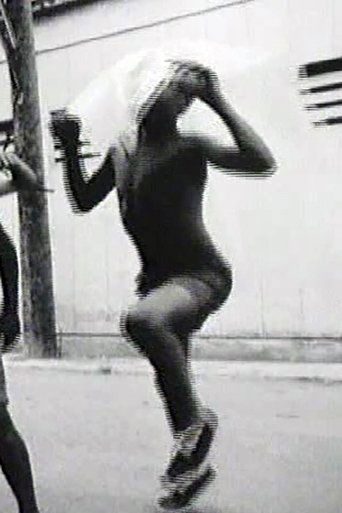
7.0Structured as an improvisational homage to Cuba's endurance and captures the serene rhythm of Havana's contemporary street life
Meditations on Revolution Part I: Lonely Planet
1997
 9.0
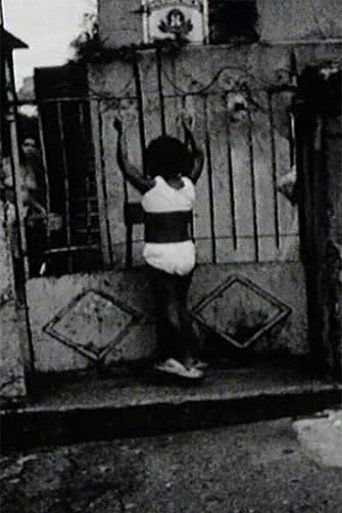
9.0Filmed in Rochina, Latin America’s largest shantytown.
Meditations on Revolution Part II: The Space in Between
1997
 NR
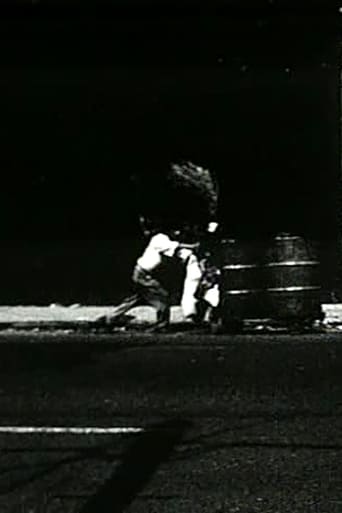
NRShots of streets and subways in New York, Mexico, and San Cristobal de las Casas are intertwined with images of revolutionary figures of the past.
Meditations on Revolution Part III: Soledad
2001
 NR
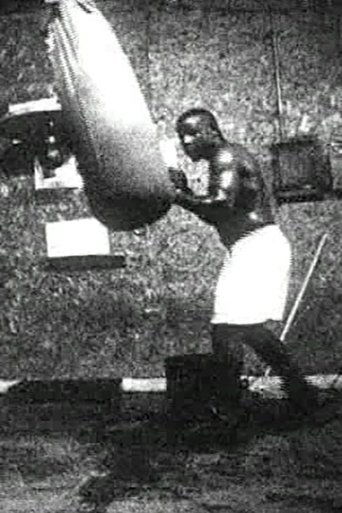
NRCaptures the discipline of a boxer preparing for a fight.
Meditations on Revolution Part IV: Greenville, MS
2001
 10.0
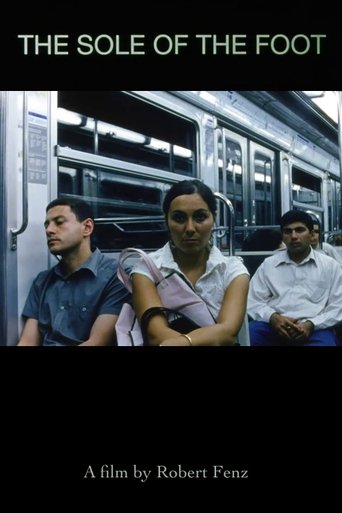
10.0Borders (and all the politics attending the drawing of borders) exist to keep some people in (citizenship) and others out. This film is an attempt to capture the presence of people otherwise denied the political right to be at home in some place that is their home, where they have their roots, where they have their being.
The Sole of the Foot
2011
 NR
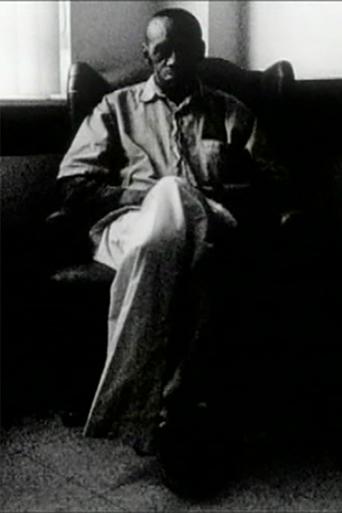
NRAn evocative portrait of New York jazz artist Marion Brown.
Meditations on Revolution Part V: Foreign City
2003