
Directing
Jean-André Fieschi
Born — Died
1942-05-05 — 2009-07-01
Place of birth
Ajaccio, Corsica France
Known for
Directing
Credits
16 titles
Jean-André Fieschi was born on 5 May 1942 in Ajaccio, Corsica, France. He was a director and writer, known for Théâtre (1980), Heat of Desire (1981) and Cuixart, permanencia del barroco (1963). He died on 1 July 2009 in Sao Paulo, SP, Brazil.
Known for
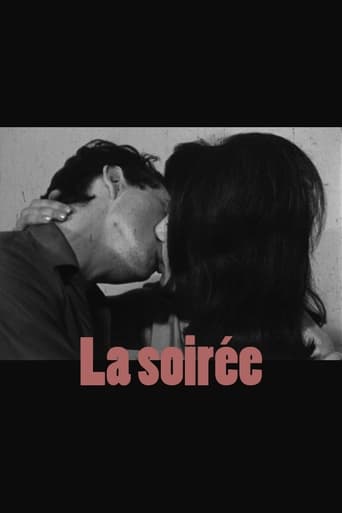 4.3
Unfinished film by Jean Eustache . A couple kisses. A group of friends talk inside a room. One of them reads from a paper.
The Evening
1961
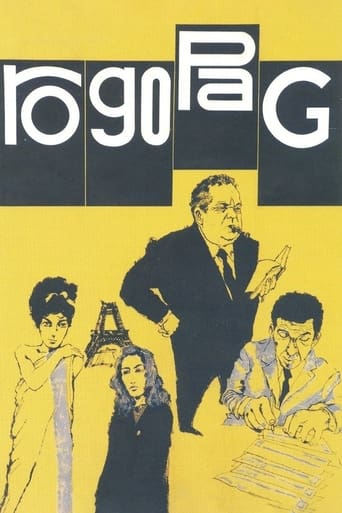 7.2
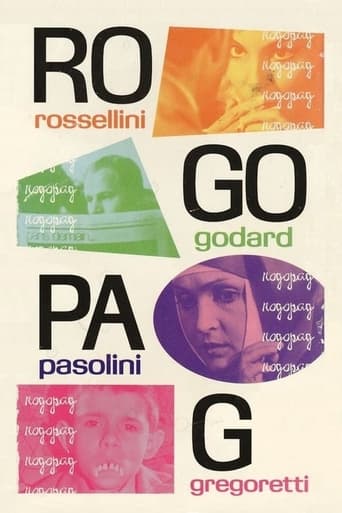
Four short films by four different directors dealing with the principles of modern life. "Illibatezza" (Rossellini): The hostess Anna Maria, to dissuade an aggressive suitor who prefers maternal tendencies, assumes an unscrupulous attitude, obeying the suggestions of her distant boyfriend. "The New World" (Godard): The deflagration of an atomic bomb causes strange effects on the inhabitants of a city. "La ricotta" (Pasolini): During the filming of a film about a religious subject, the extra Stracci dies hanging on the cross due to an indigestion of ricotta. "Il pollo spante" (Gregoretti): While an expert illustrates to a board of merchants the most modern techniques to increase sales through the discovery of the secret self of the average consumer, the human story of a bourgeois who, following these suggestions, focuses on the purchase of a plot of land in the countryside.
Ro.Go.Pa.G.
1963
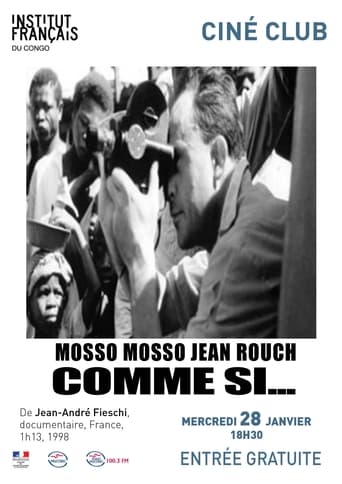 6.0
No synopsis available yet.
Cinéma, de notre temps: Mosso, mosso (Jean Rouch comme si...)
1999
 5.6
In France in the near future, revolt and chaos erupt. A right-wing politician, Philippe Muphand, is set to take control when his lady friend Caroline walks out, announcing she will take up with the first fool she sees. The fool is Serge Laine, a professor and author of the prize-winning "Le voyage qui ne finit pas," headed to the train station for tickets to Barcelona where he and his wife will enjoy a second honeymoon and he will lecture at the university. Caroline seduces Serge, and he soon abandons wife, family, job, and honesty to embrace Caroline, the romanticism of Jack London, and murder.
Heat of Desire
1981
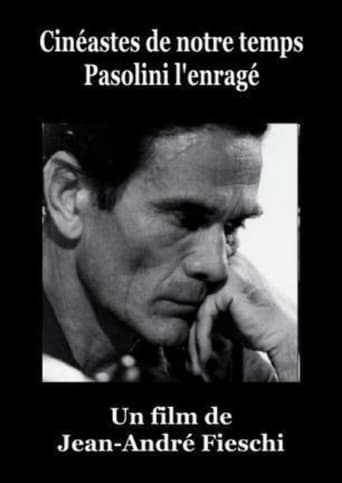 9.0
The first "filmed portrait" of Pasolini was created by French television in July 1966 as part of the prestigious series Cinéastes de notre temps, directed by Janine Bazin and André S. Labarthe. Interviewed on the streets of the Roman suburbs and in his studio, Pasolini analyzes his dramatic relationship with Italian society and retraces the trajectory of his works up to Hawks and Sparrows.
Pasolini l'Enragé
1966
 NR
A musician has to compose a commissioned work for a film. But his mind is guided by external solicitations that constantly divert him from his work.
The Accompaniment
1969
Film credits
1990s · 1 titles
1960s · 3 titles
4.3Unfinished film by Jean Eustache . A couple kisses. A group of friends talk inside a room. One of them reads from a paper.
The Evening
1961
7.2Four short films by four different directors dealing with the principles of modern life. "Illibatezza" (Rossellini): The hostess Anna Maria, to dissuade an aggressive suitor who prefers maternal tendencies, assumes an unscrupulous attitude, obeying the suggestions of her distant boyfriend. "The New World" (Godard): The deflagration of an atomic bomb causes strange effects on the inhabitants of a city. "La ricotta" (Pasolini): During the filming of a film about a religious subject, the extra Stracci dies hanging on the cross due to an indigestion of ricotta. "Il pollo spante" (Gregoretti): While an expert illustrates to a board of merchants the most modern techniques to increase sales through the discovery of the secret self of the average consumer, the human story of a bourgeois who, following these suggestions, focuses on the purchase of a plot of land in the countryside.
Ro.Go.Pa.G.
1963
 6.5
This short film shows a young couple during a short period after the explosion of a nuclear bomb 120 km above Paris. The city appears unaffected, but the man begins to notice changes in the behavior of the people in general and in that of his girl friend in particular. Part of the Italian anthology film RoGoPaG (1962).
The New World
1963
Behind the camera
6.0No synopsis available yet.
Cinéma, de notre temps: Mosso, mosso (Jean Rouch comme si...)
1999
5.6In France in the near future, revolt and chaos erupt. A right-wing politician, Philippe Muphand, is set to take control when his lady friend Caroline walks out, announcing she will take up with the first fool she sees. The fool is Serge Laine, a professor and author of the prize-winning "Le voyage qui ne finit pas," headed to the train station for tickets to Barcelona where he and his wife will enjoy a second honeymoon and he will lecture at the university. Caroline seduces Serge, and he soon abandons wife, family, job, and honesty to embrace Caroline, the romanticism of Jack London, and murder.
Heat of Desire
1981
9.0The first "filmed portrait" of Pasolini was created by French television in July 1966 as part of the prestigious series Cinéastes de notre temps, directed by Janine Bazin and André S. Labarthe. Interviewed on the streets of the Roman suburbs and in his studio, Pasolini analyzes his dramatic relationship with Italian society and retraces the trajectory of his works up to Hawks and Sparrows.
Pasolini l'Enragé
1966
NRA musician has to compose a commissioned work for a film. But his mind is guided by external solicitations that constantly divert him from his work.
The Accompaniment
1969
NRA musician has to compose a commissioned work for a film. But his mind is guided by external solicitations that constantly divert him from his work.
The Accompaniment
1969
 8.0
Actor Ninetto Davoli discusses his collaboration with Pier Paolo Pasolini.
Ninetto the Messenger
1997
 5.0
In 1995, producer Françoise Etchegaray recorded the production of A Summer's Tale. The footage remained on the shelf for years until director Jean-André Fieschi combined the images with bits of the finished film.
The Making of A Summer’s Tale
2005
No synopsis available yet.
L'horreur de la lumière
1982
A film by Jean-André Fieschi.
Les nouveaux mystères de New York (2ème partie)
1979
A “Cinéastes de notre temps” series episode directed by french film critic Jean-André Fieschi, originally aired 16 May 1967.
Nouveau visage du cinéma italien
1967
A “Cinéastes de notre temps” series episode directed by french film critics Noël Burch and Jean-André Fieschi, originally aired in two parts.
La première vague
1968