
Directing
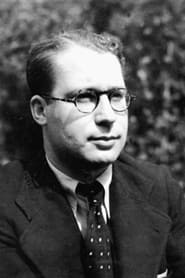
Henri Storck
Born — Died
1907-09-05 — 1999-09-17
Place of birth
Oostende, West Flanders, Belgium
Known for
Directing
Credits
48 titles
From Wikipedia, the free encyclopedia Henri Storck (1907, Ostend – 17 September 1999) was a Belgian author, film-maker and documentarist. In 1933, he directed, with Joris Ivens, Misère au Borinage, a film about the miners in the Borinage area. In 1938, with Andre Thirifays and Pierre Vermeylen, he founded the Cinémathèque Royale de Belgique (Royal Belgian Film Archive). He was an actor in two key films of the history of the cinema: Jean Vigo's Zéro de conduite (1933) in the role of the priest, and Chantal Akerman's Jeanne Dielman, 23 Quay Commercial, 1080 Brussels (1976) in the role of a customer of the prostitute. Jacqueline Aubenas wrote about him, in her expository work, It's been goin…
Known for
 7.4
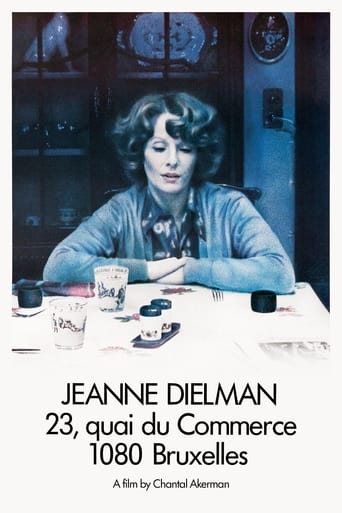
7.4A lonely young widow lives with her son following an immutable order: while the boy is in school, she cares for their apartment, does chores, and receives clients in the afternoon.
Jeanne Dielman, 23, quai du Commerce, 1080 Bruxelles
1976
 7.5
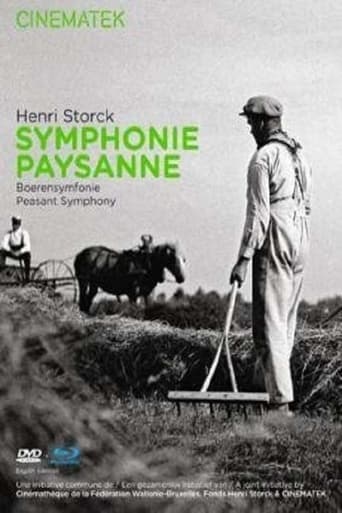
7.5From 1942 to 1944, Henri Storck composed his Symphonie paysanne, in which he describes the day to day life and rituals of the farmers on the rhythm of the seasons. The film is a poem to nature, a lyrical masterpiece on life and death, on animals and plants, on man and his labour.
Peasant Symphony
1944
 6.9
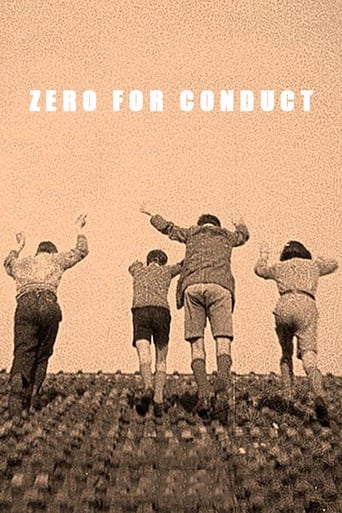
6.9In a repressive boarding school with rigid rules of behavior, four boys decide to rebel against the director on a celebration day.
Zero for Conduct
1933
 NR
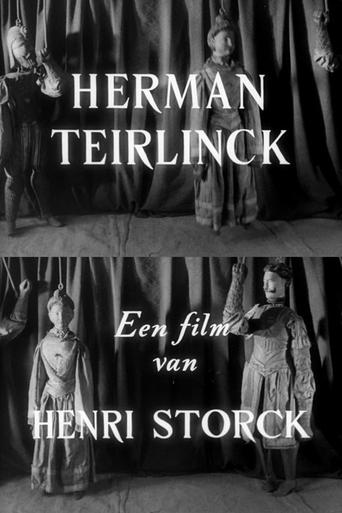
NRA portrait of the belgian writer Herman Teirlinck by Henri Storck.
Herman Teirlinck
1953
 NR
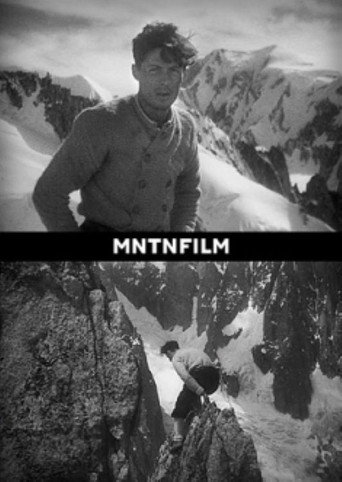
NRThe idea is a simple one: three alpinists climb in the Mont Blanc Massif. This situation brings one face to face with the dangers of the mountain: avalanches, crevasses, fog, the climbing of the rocks, roping up, etc. All of this is magnified, transcended by a remarkable and strong use of the language of cinema. One of the first films about high mountains with Roger Frison-Roche and magnificent music by Maurice Jaubert
Three Lives and a Rope
1934
 6.5
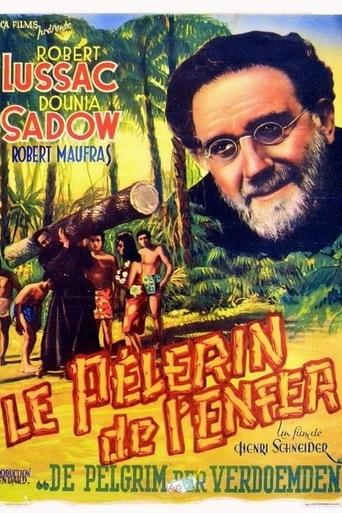
6.5Biopic about Father Damian and his life and work on the island of Molokai.
Pilgrimage to Hell
1946
Film credits
2010s · 2 titles
 3.2
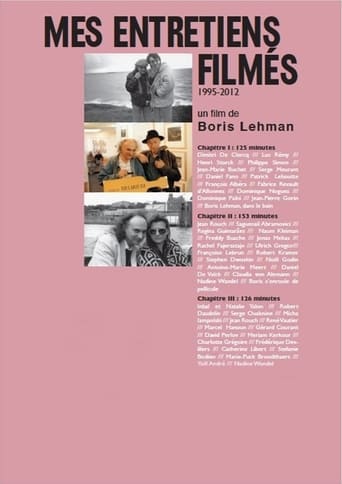
3.2This distinctly personal journey into the artistic possibilities of independent film is not to be missed. Jonas Mekas, Jean-Pierre Gorin, Robert Kramer and many other visionaries and mavericks of the silver screen – as well as a book seller, a critic and a psychoanalyst – discuss what cinema has meant to them, what it is and what it could be and, implicitly, how it has changed over the 18 years in which this film was shot. Director Boris Lehman leads the charge, drawing in moments of absurdist humour and inventive camera work; he keeps things raw and spontaneous. His encounters with the now much-missed Jean Rouch and Stephen Dwoskin are particularly touching and stand testament to their personal playfulness and candour. An engaging, absorbing, epic odyssey of a movie.
My Conversations on Film
2013
 NR
NRFound footage using Chantal Akerman's Jeanne Dielman.
Les variations Dielman
2010
1990s · 1 titles

1980s · 2 titles
 9.0
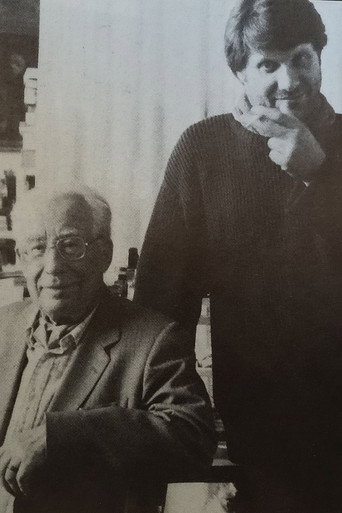
9.0Robbe de Hert’s Henri Storck, ooggetuige (1986) is a brilliant cinematic homage to the founding father of Belgian documentary cinema. Filmed around Storck’s 80th birthday, the film eschews standard biographical formulas. Instead, De Hert crafts an intelligent, vibrant collage that synthesizes rare archival footage with intimate anecdotes told by Storck himself.The documentary excels at tracing Storck’s evolution from an Ostend avant-garde poet to a fierce social activist. De Hert’s signature rebellious tone shines through in bold creative choices, such as overlaying John Lennon's "Working Class Hero" onto the silent, gritty footage of Misère au Borinage (1933). This creates a powerful bridge between 1930s labor struggles and modern social critique
Henri Storck, ooggetuige
1986
Three pioneers of documentary filmmaking – Joris Ivens, Henri Storck, and the man behind the camera, Jean Rouch – recall the early days of the documentary genre and speak about their creative methods and sources of inspiration. This lively discussion between the directors is shot in cinéma vérité style and spliced with footage from their older films.
Ciné-mafia
1980

Behind the camera
7.5From 1942 to 1944, Henri Storck composed his Symphonie paysanne, in which he describes the day to day life and rituals of the farmers on the rhythm of the seasons. The film is a poem to nature, a lyrical masterpiece on life and death, on animals and plants, on man and his labour.
Peasant Symphony
1944
7.5From 1942 to 1944, Henri Storck composed his Symphonie paysanne, in which he describes the day to day life and rituals of the farmers on the rhythm of the seasons. The film is a poem to nature, a lyrical masterpiece on life and death, on animals and plants, on man and his labour.
Peasant Symphony
1944
7.5From 1942 to 1944, Henri Storck composed his Symphonie paysanne, in which he describes the day to day life and rituals of the farmers on the rhythm of the seasons. The film is a poem to nature, a lyrical masterpiece on life and death, on animals and plants, on man and his labour.
Peasant Symphony
1944
NRA portrait of the belgian writer Herman Teirlinck by Henri Storck.
Herman Teirlinck
1953
NRThe idea is a simple one: three alpinists climb in the Mont Blanc Massif. This situation brings one face to face with the dangers of the mountain: avalanches, crevasses, fog, the climbing of the rocks, roping up, etc. All of this is magnified, transcended by a remarkable and strong use of the language of cinema. One of the first films about high mountains with Roger Frison-Roche and magnificent music by Maurice Jaubert
Three Lives and a Rope
1934
6.5Biopic about Father Damian and his life and work on the island of Molokai.
Pilgrimage to Hell
1946
 5.8
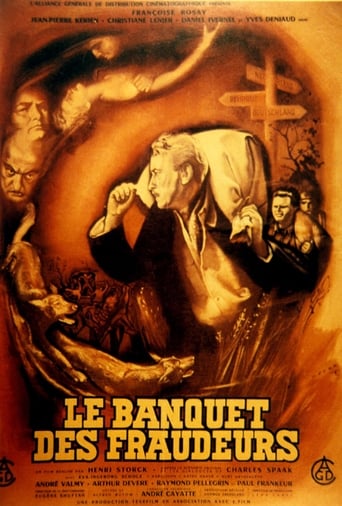
5.8Smuggler's Ball is the English-language title for this French-Belgian seriocomedy. The action takes place along the borders separating Belgium, Holland and France. It is here that the worldly Pierre (J. P. Kieran) carries on a profitable smuggling operation, all the while romancing Siska (Christian Lenier), the daughter of a local customs official. Various subplots and secondary characters weave in and out as the plotline guides the viewer through the WW II years. Towards the end, the story shifts gears when the Benelux Frontier Agreement eliminates all government regulations. The film's screenplay is by Charles Spaak, himself the descendant of a Belgian political family, and thus well-versed in bureaucracy and red tape.
Smuggler's Ball
1952
 5.8
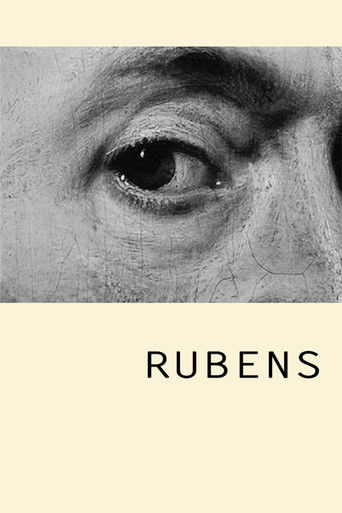
5.8This surreal abstract film falls into three sections, or movements, the first taking place on the ground, the second in the air and the third again on the ground. In the first movement various motifs or themes are introduced, which are again picked up and developed in the third movement. Six spheres, evolved in the first movement, become the sole subject matter–or “dancers”–of the second movement, which consists of a simple type of ballet using the floor-plan choreography or traditional ballet as a basis of interest.
Rubens
1948
5.8This surreal abstract film falls into three sections, or movements, the first taking place on the ground, the second in the air and the third again on the ground. In the first movement various motifs or themes are introduced, which are again picked up and developed in the third movement. Six spheres, evolved in the first movement, become the sole subject matter–or “dancers”–of the second movement, which consists of a simple type of ballet using the floor-plan choreography or traditional ballet as a basis of interest.
Rubens
1948
5.8This surreal abstract film falls into three sections, or movements, the first taking place on the ground, the second in the air and the third again on the ground. In the first movement various motifs or themes are introduced, which are again picked up and developed in the third movement. Six spheres, evolved in the first movement, become the sole subject matter–or “dancers”–of the second movement, which consists of a simple type of ballet using the floor-plan choreography or traditional ballet as a basis of interest.
Rubens
1948
Film edited and directed by Luc de Heusch using images never used that Henri Storck turned in Ostend in 1930 while he was "cinégraphiste" of the city.
Ostende 1930
2004
On Ostend’s North Sea shore, a sudden squall pushes two strangers under a bathing hut; when the sun returns, their flirtation blossoms into a playful, near-wordless seaside idyll of sand, surf, and shells.
Romance on the Beach
1931
 8.2
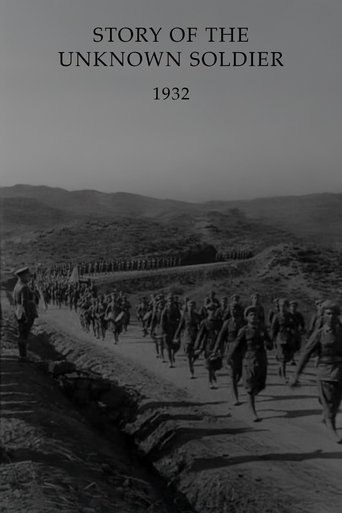
8.2Built from 1928 newsreels—the year 60 nations vowed to outlaw war—Storck’s razor-edged montage mocks the era’s self-congratulation by cross-cutting speeches and parades with portents of renewed violence: nationalism, colonial repression, police brutality. Slow-motion collapsing chimneys and the exhumation of an “unknown soldier” give the satire its sting.
Story of the Unknown Soldier
1932
 7.8
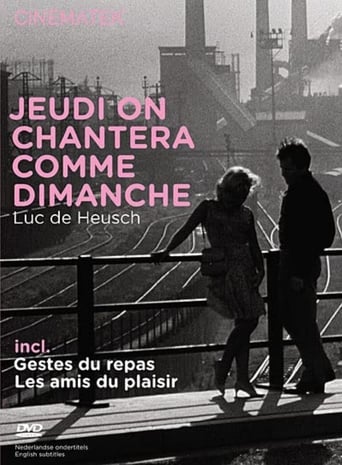
7.8A bitter-sweet story of a young sales assistant and a truck driver trapped between their dreams and the economic depression.
Thursday We Shall Sing Like Sunday
1967
An UN produced French documentary attempting to illustrate the many causes of juvenile delinquency with particular reference to adverse environmental influence.
Crossroads of Life
1949
 NR
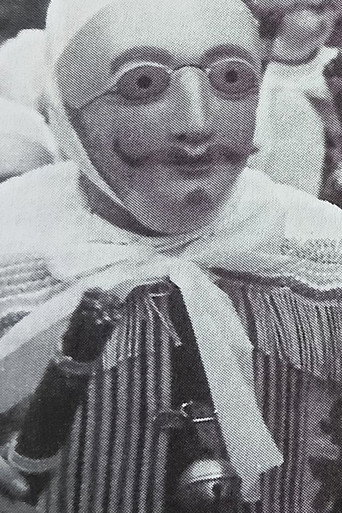
NRHenri Storck: “The General Commissariat for Tourism had organized a ‘Year of Folklore’ and, on that occasion, asked me to make a series of films devoted exclusively to this form of popular culture.” 1.Carnaval van Oostende - 2.Vastenavond te Aalst - 3.Carnaval van Malmédy - 4.Straattoneel in Malmédy - 5.De Gilles van Binche - 6.Meiboomplanting en Passiespel door de marionetten van Toone in Brussel - 7.Heilige Bloedprocessie in Brugge - 8.De 'witte Moussis' van Stavelot en de kermis van Bergen - 9.Passiespel in Lessen en Ligny. Halfoogst-feesten in Outre-Meuse (Luik) - 10.De Chinels van Fisse-la-Ville. De 'Grootjes' van La Louvière. Het ontploiffen van Kruipotten in Luik.
Feesten in België
—
When Anna, a twenty-eight-year-old photographer, is put in charge of a report on the restoration works at The Ostend Museum of Modern Art, she discovers by chance five paintings signed Constant Permeke, whose power and mystery move and fascinate her.She decides to embark on a quest to find out about who Permeke actually was, the places where he lived, how he worked, what experiences he went through.
Permeke
1985
When Anna, a twenty-eight-year-old photographer, is put in charge of a report on the restoration works at The Ostend Museum of Modern Art, she discovers by chance five paintings signed Constant Permeke, whose power and mystery move and fascinate her.She decides to embark on a quest to find out about who Permeke actually was, the places where he lived, how he worked, what experiences he went through.
Permeke
1985
A day-of record of 30 December 1938 as Belgium mourns Emile Vandervelde—“the Boss”—with massed corteges, banners, and eulogies for the Belgian Labour Party leader, statesman, and pillar of international socialism.
The Boss is Dead
1938
 6.3
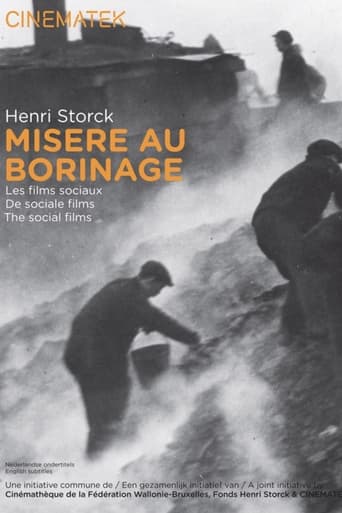
6.3Henri Storck and Joris Ivens’ landmark of social documentary, blending staged scenes with locals and on-the-spot reportage to depict the 1932 miners’ strike in Belgium’s Borinage—evictions, hunger, and police repression—transforming outrage into a call for solidarity.
Borinage
1934
6.3Henri Storck and Joris Ivens’ landmark of social documentary, blending staged scenes with locals and on-the-spot reportage to depict the 1932 miners’ strike in Belgium’s Borinage—evictions, hunger, and police repression—transforming outrage into a call for solidarity.
Borinage
1934
The first Easter Island documentary, filmed in 1935 when the Belgian naval ship Mercator came to collect Drs. Henri Lavacherry and Alfred Métraux, who had arrived six months before to carry out archaeological and ethnological work. The film, directed with melodramatic gusto and featuring a full orchestral score by Maurice Jaubert (who also did the narration), shows islanders, the monuments, and a public dance. A theme of decay and decadence characterizes the film, the motif portrayed gruesomely by extensive close-ups of the inhabitants of the leper colony there at the time. The film suited a romantic image of a mysterious lost civilization, the survivors eking out a pitiful existence on a barren rock. (Grant McCall)
L'île de Pâques
1935
Documentary about the inhabitants, both human and animal, of the Belgian Congo.
Lords of the Forest
1958
 NR
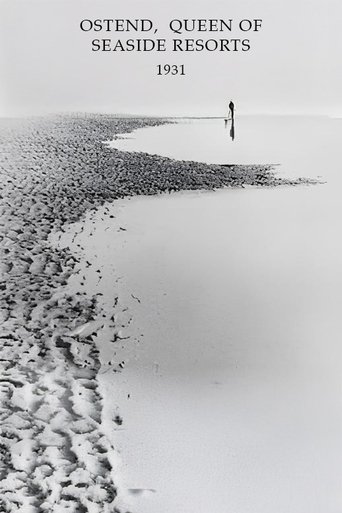
NRA montage drawn from 35 reports Henri Storck filmed in 1930 as the city’s official cinegraphiste. The film celebrates Ostend as a place of joy and vitality—by day and night a city of beaches and parties, of sports, games, and the special pride of belonging to this seaside resort.
Ostend, Queen of Seaside Resorts
1931
 5.0
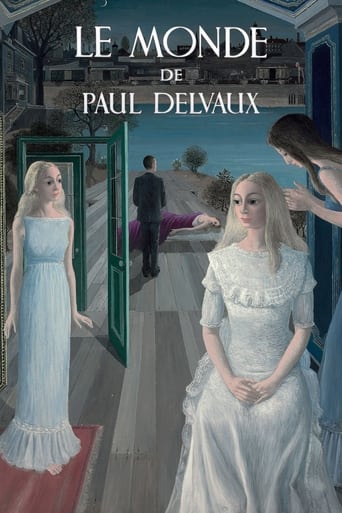
5.0This was Henri Storck first art documentary, a portrait about the painter, Paul Delvaux.
The World of Paul Delvaux
1946
 7.0
7.0The beach and the bathers, poses and gestures. A series of sketches and portraits, little touches that build up into a wry, affectionate portrait of a Sunday at the beach.
Pleasure Trips
1930
A 1934 documentary by Henri Storck.
Productie van gastroduodenal ulcers bij de hond
1934
 5.9
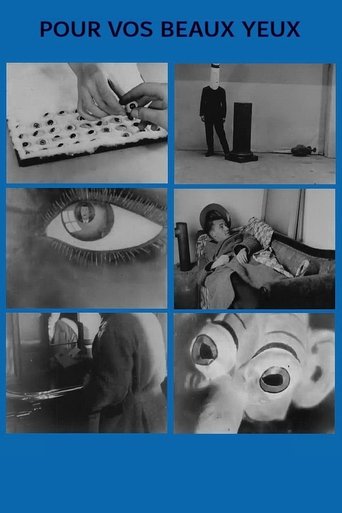
5.9"Pour vos beaux yeux" (For Your Beautiful Eyes) is an eight-minute surrealist short by Henri Storck, conceived from an idea by Félix Labisse. In just 75 shots, it follows a young man who discovers a glass eye in a park, becomes consumed by its strange allure, and tries in vain to rid himself of it by mailing it away. Featuring Henry Van Vyve in the lead role, with cameo appearances by Labisse and his sister Ninette, the film stands as a playful yet unsettling exploration of obsession and absurdity—released only a year after "Un Chien Andalou."
For Your Beautiful Eyes
1929
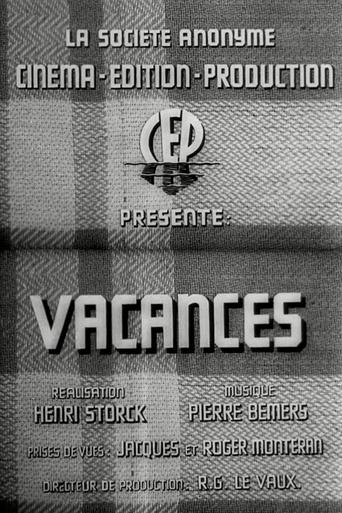 7.0
7.0This trailer for the pleasures of living between La Panne and Le Zoute testifies to the post-1936 euphoria that came with paid holidays, with sun and rest for everybody.
Vacances
1938
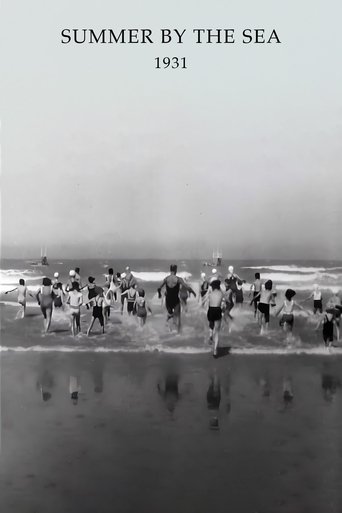 NR
NRA lyrical promotion of Belgium’s North Sea coast that alternates teeming promenades and playful beach games with elegant seafront vistas; shot by John Fernhout and set to Marcel Poot’s score, with commentary by Éric de Haulleville.
Summer by the Sea
1931
 6.0
6.0A family film, a short summer film, made to record the joy of being together. But what a family! Léon Spilliaert, Paul Delvaux, Edgar Tytgat and his wife Maria, Luc and Paul Haessaerts. A garden, some seats and a camera that films the group of friends. They talk (given all the jollity, laughter and gestures seen it is a shame that it is a silent film). A period document only a few minutes long, a witness that puts names to faces, a reminder of a sunny afternoon. Emotion that loses itself in the moment.
Meeting of Artists
1945
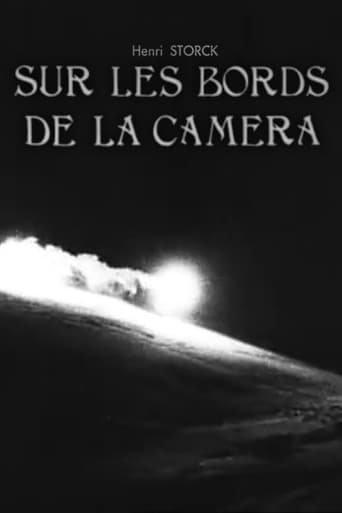 9.0
9.0A montage of images from newsreels; Storck's edit contains comical, poignant, even chilling juxtapositions.
Outside the Border of the Camera
1932
 5.8
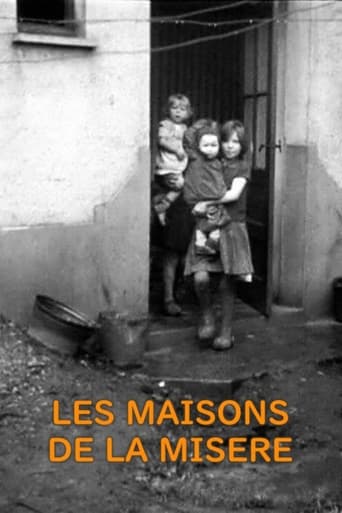
5.8Henri Storck’s militant short on Depression-era Belgium, set in Walloon slums on the outskirts of a prosperous city. Staged vignettes expose substandard housing, overcrowding, and numbed survival through claustrophobic, frame-filling images; a coda on slum clearance and “garden city” rehousing offers guarded hope.
Houses of Poverty
1936
Departing Ostend for the North Sea grounds, a fishing boat casts its herring nets until a drift into French waters prompts a boarding by the coast guards—a brisk portrait of hard work at sea and the thinness of a maritime border.
Herring Fishers
1930
 NR
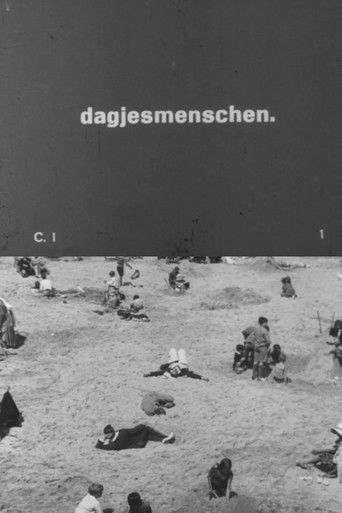
NRA silent seaside vignette from Henri Storck: weekenders (“day-trippers”) descend on the Belgian coast for brief escape—bathing huts, crowds, and playful beach routines rendered in quick, observational fragments.
Daytrippers
1929
 NR
NRNo synopsis available yet.
Le Trois-Mâts Mercator
1935
 5.8
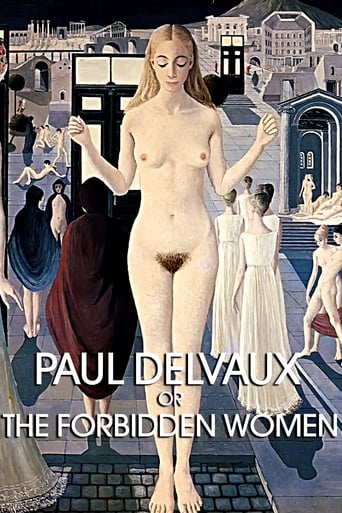
5.8The second part of "Le monde de Paul Delvaux" (1944/1946)
Paul Delvaux or the Forbidden Women
1970
 6.0
6.0One of the first European films commissioned by the countries that signes the Brussels treaty and filmed in the museums of Brussels, Amsterdam, Paris, London, Ghent and The Hague. The film shows, by means of 59 works of art, how painting discovered the landscape once it left the strictly religious context behind. Henri storck wrote, "We have tried to eliminate the artificiality of filming. We have tried to hide the camera in order to immerse the audience in the world of the painting and the landscape that it depicts. We want the viewer to discover the feeling of nature for himself, through the artists.... It is not our ambition to make a critical or informative work." This iconic journey from Bosch to Manet and Turner is accompanied by music by Georges Auric.
The Open Window
1952
Structured in visual chapters: the port, anchors, the wind, the spray, the dunes, the North Sea… A series of images that need no anecdote or explanation. Storck offers a glimpse of Ostend, aspects that order its multiple constitutive elements; The water, the sand, the waves, vital cinematic language displayed in simple pictures. A poetic and kinetic shock, without fiction or sound, which relieves film from its narrative obligation and restores it to the world of sensations that it can alone carry.
Images of Ostend
1929
No synopsis available yet.
Cap au Sud
1935