
Directing
Vincent Carelli
Place of birth
Paris, France
Known for
Directing
Credits
26 titles
Vincent Carelli, after 40 years of actuation as an indigenist, created in 1987 the Vídeo nas Aldeias project, that aims to put video at the service of political and cultural projects of indigenous people. Vincent Carelli produced several documentaries about the methods and results of this work.
Known for
 5.5
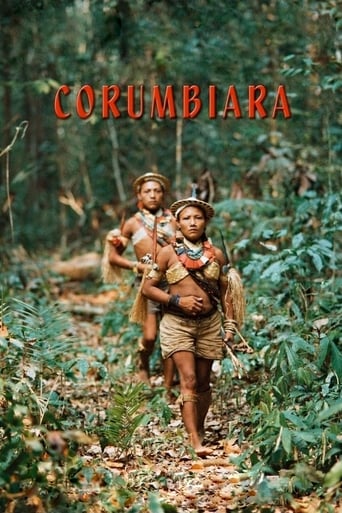
5.5In 1985, a daring worker of the Bureau of Indian Affairs in Brazil denounced a massacre in the lawless region of Corumbiara. The investigations turned to a series of indigenous genocides in the area. Spanning 20 years, the film shows the search for proof and the version of the survivors, when they were finally found, hiding in the forest, terrified of white men.
Corumbiara
2010
 8.2
8.2Waving the flag that states every film is political, Vincent Carelli visibilizes in this documentary the cause of the Guarani-Kaiowá: a group of indigenous people that fear their lands, located in the Mato Grosso do Sul, will be confiscated by the State. A territorial conflict born more than one hundred years ago, during the Paraguay war. While fighting against the Brazilian Congress in order not to be evicted from their homes, the 50.000 indigenous people demand the demarcation of the space that belongs to them. With some rigorous investigative work, the Brazilian director tells with his own voice of the social and political injustices suffered by the Guarani people through material he filmed over the course of more than forty years. The archive images, both color and black and white, reveal the crudeness with which they coexist every day: among the violation of their civil rights and the guts with which they confront the usurpers.
Martyrdom
2017
 NR
NRA first-person account on what it is like to be a part of the indigenous group Guardians of the Forest, in the indigenous territory Caru (Maranhão, Brazil).
Zawxiperkwe Ka’a: Guardiões da Floresta
2019
 NR
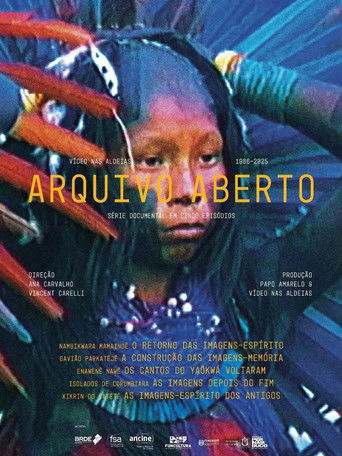
NRArquivo Aberto is a series of five videos that revisits the "Vídeos nas Aldeias" project with the aim of returning the audiovisual recordings made during the project to the original communities.
Arquivo Aberto
2025
 NR
NRNo synopsis available yet.
Arquivo Vivo
2026
 NR
NRNo synopsis available yet.
Virou Brasil
2019
Film credits
Behind the camera
5.5In 1985, a daring worker of the Bureau of Indian Affairs in Brazil denounced a massacre in the lawless region of Corumbiara. The investigations turned to a series of indigenous genocides in the area. Spanning 20 years, the film shows the search for proof and the version of the survivors, when they were finally found, hiding in the forest, terrified of white men.
Corumbiara
2010
8.2Waving the flag that states every film is political, Vincent Carelli visibilizes in this documentary the cause of the Guarani-Kaiowá: a group of indigenous people that fear their lands, located in the Mato Grosso do Sul, will be confiscated by the State. A territorial conflict born more than one hundred years ago, during the Paraguay war. While fighting against the Brazilian Congress in order not to be evicted from their homes, the 50.000 indigenous people demand the demarcation of the space that belongs to them. With some rigorous investigative work, the Brazilian director tells with his own voice of the social and political injustices suffered by the Guarani people through material he filmed over the course of more than forty years. The archive images, both color and black and white, reveal the crudeness with which they coexist every day: among the violation of their civil rights and the guts with which they confront the usurpers.
Martyrdom
2017
8.2Waving the flag that states every film is political, Vincent Carelli visibilizes in this documentary the cause of the Guarani-Kaiowá: a group of indigenous people that fear their lands, located in the Mato Grosso do Sul, will be confiscated by the State. A territorial conflict born more than one hundred years ago, during the Paraguay war. While fighting against the Brazilian Congress in order not to be evicted from their homes, the 50.000 indigenous people demand the demarcation of the space that belongs to them. With some rigorous investigative work, the Brazilian director tells with his own voice of the social and political injustices suffered by the Guarani people through material he filmed over the course of more than forty years. The archive images, both color and black and white, reveal the crudeness with which they coexist every day: among the violation of their civil rights and the guts with which they confront the usurpers.
Martyrdom
2017
NRA first-person account on what it is like to be a part of the indigenous group Guardians of the Forest, in the indigenous territory Caru (Maranhão, Brazil).
Zawxiperkwe Ka’a: Guardiões da Floresta
2019
NRArquivo Aberto is a series of five videos that revisits the "Vídeos nas Aldeias" project with the aim of returning the audiovisual recordings made during the project to the original communities.
Arquivo Aberto
2025
NRNo synopsis available yet.
Arquivo Vivo
2026
NRNo synopsis available yet.
Virou Brasil
2019
 NR
NRThe story of ‘Captain’ Krohokrenhum, leader of the Gavião indigenous people, from Pará state in northern Brazil, who died in 2016.
Goodbye, Captain
2022
As Ariel Ortega thinks about the history of contact of the Mbya-Guarani, he tries to understand how his people got expelled from their land.
Desterro Guarani
2011
 NR
NRThe 'Vídeo nas Aldeias' performed with the Enawenê Nawê Indians, for fifteen years, extensive records of Yaõkwa, their longest ritual, in which the masters of ceremony pull, for seven months, a myriad of songs, in order to maintain the balance of the earthly world as a spiritual world. In this film, another fifteen years later, the Enawenê Nawê rediscover these images and, with them, deceased relatives, customs that have fallen into disuse and precious ritual songs.
Yaõkwá: Image and Memory
2020
 NR
NRMythical-religious interpretation of the Mbya-Guarani on 17th century Jesuit reductions in Brazil, Paraguay and Argentina.
TAVA, a Casa de Pedra
2012
Pemp traces the 25-year struggle of the Parakatêjê (Gavião) to maintain autonomy in the face of huge development projects in the south of Pará, Brazil. From the initial recovery of their lands in 1957 through dealings with FUNAI in the 1970s and the appropriation of Brazil nut monopolies to their negotiations with the government in the eighties, Pemp shows the Parakatêjê’s most precious project; the preservation of their ceremonies and songs. The Kokrenum, chief and keeper of the group’s traditions, uses video to transmit them to future generations.
Pemp
1988
 NR
NRChanter Tachico Guajajara shares the story of how his people learned the sacred chants that conduct their rituals and festivities.
Ma'e Mimiu Haw – A História Dos Cantos
2019
 NR
NRNo synopsis available yet.
Qual é o Jeito Zé?
1990
NRNo synopsis available yet.
Qual é o Jeito Zé?
1990
 NR
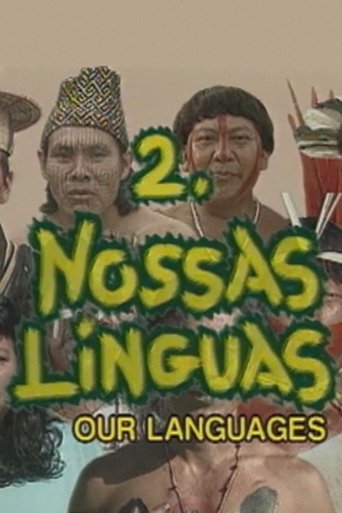
NRPart of the Indians in Brazil series, Our Languages relates the historic repression of indigenous languages in Brazil. Many Indian languages were nearly lost thanks to missionaries and merchants - who rewarded Indians for learning Portuguese with status and material gifts - and government-sponsored schools that punished children for speaking in their native tongues.
Our Languages
—
 5.0
5.0Beginning with the arrival by canoe of a TV and VCR in their village, The Spirit of TV documents the emotions and thoughts of the Waiãpi as they first encounter their own recorded images and those of others. Viewing news broadcasts and videos of other Brazilian native peoples, the Waiãpi see the power of images to facilitate memory preservation and political awareness. Some people worry, though about the invasive spirits of outsiders that can come through the TV. Another concern is the negative exposure that might result from the Waiãpi broadcasting their own images.
The Spirit of TV
1990
5.0Beginning with the arrival by canoe of a TV and VCR in their village, The Spirit of TV documents the emotions and thoughts of the Waiãpi as they first encounter their own recorded images and those of others. Viewing news broadcasts and videos of other Brazilian native peoples, the Waiãpi see the power of images to facilitate memory preservation and political awareness. Some people worry, though about the invasive spirits of outsiders that can come through the TV. Another concern is the negative exposure that might result from the Waiãpi broadcasting their own images.
The Spirit of TV
1990
 10.0
10.0Thirty years ago, a rubber company enslaved a group of Asháninka people, manipulating them into tapping the trees in the lush borderland between Peru and Brazil. The company was expelled by a coalition of Indigenous and non-Indigenous people, led by one mixed race couple. Now the adult children of this marriage combat political corruption and ongoing environmental disaster.
Antonio y Piti
2019
The Waiãpi indigenous people decide to meet and document the Zo’é people. after met, the Zo’é make the visitants know their ancestors' life style; the Waiãpi tell them about the dangers of the white world.
A Arca dos Zo'é
1993
 NR
NRDocumentary about indian people Nhambiquara, living in Brazil, and their celebration of girls' first menstruation, which is for them a sign they are ready for marriage. The film also tackles their struggle to keep their cultural identity and retrieve their lost lands.
Nhambiquara - A Festa da Moça
1987
 NR
NRNo synopsis available yet.
Ninguém Come Carvão
1991
 9.0
9.0No synopsis available yet.
Vídeo nas Aldeias
1989
 NR
NRNo synopsis available yet.
Eu já fui seu irmão
1993