
Directing
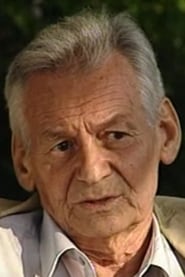
Pál Zolnay
Born — Died
1928-03-26 — 1995-10-17
Place of birth
Budapest, Hungary
Known for
Directing
Credits
20 titles
Pál Zolnay was a Hungarian film director, screenwriter and actor. He directed eleven films between 1962 and 1995. His 1973 film Photography was entered into the 8th Moscow International Film Festival where it won the Silver Prize.
Known for
 7.0
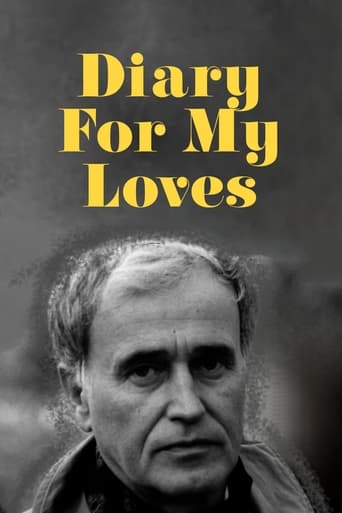
7.0A continuation of "Diary for My Children," the film picks up in 1950, when Juli, the diarist, is 18 and determined to become a movie director.
Diary for My Loves
1987
 7.0
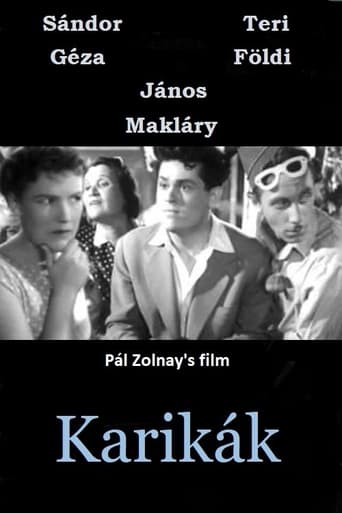
7.0The movie is based on a short story by V. Kataev. A young tractor driver Duri loves Dorka, the daughter of the owner of a ring-throwing attraction. The girl's father is against the marriage. Durie makes a cunning plan: he starts practicing ring throwing. At the opening of the attraction, Durie takes part in the ring toss and wins prize after prize, which he immediately hands out to the people around him. Dorka's father allows Dury to marry Dorka to save his business from ruin.
Karikák
1956
 4.0
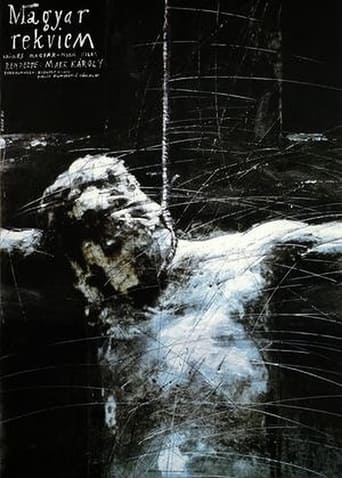
4.01958. In the cell of the condemned, seven men await the signs of an approaching execution. All of them recall their pasts and envision their wish-dreams.
Hungarian Requiem
1990
 6.9
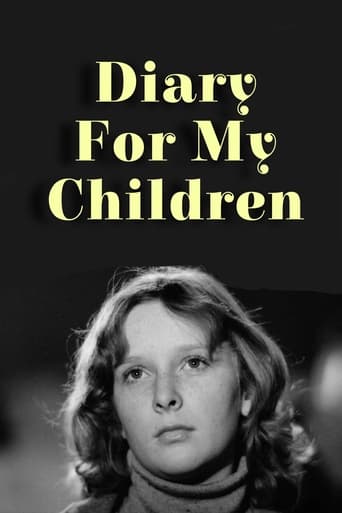
6.9After having lost her parents, young Juli returns from the Soviet Union to her native Budapest. Scarred by the wounds of the past, the ghost of Stalin’s oppression haunts her as she reunites with her aunt and adoptive mother Magda.
Diary for My Children
1984
 9.0
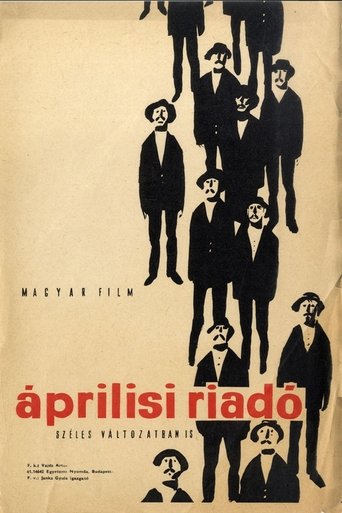
9.01946. Borok Vince, party secretary, and Holló Döme, former landowner, arrive in Nagybökény the same day at Easter. The latter wants to get back his castle and land with the help of his attorney. Albert József, the police-chief, wants to strengthen Communist power with tough actions. His R-guards disperse the clerical torch march.
April Alarm
—
 7.1
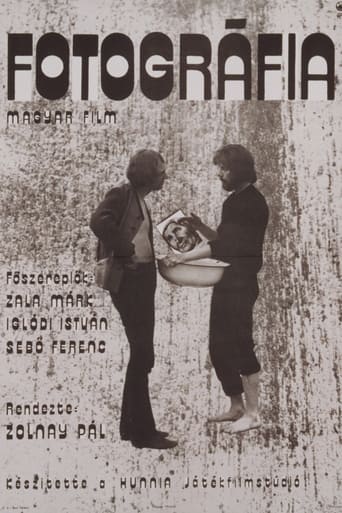
7.1Two actors wandered from house to house in the countryside in the roles of the photographer and the retoucher business man offering their photographic services to the people.
Photography
1973
Film credits
1980s · 2 titles
7.0A continuation of "Diary for My Children," the film picks up in 1950, when Juli, the diarist, is 18 and determined to become a movie director.
Diary for My Loves
1987
6.9After having lost her parents, young Juli returns from the Soviet Union to her native Budapest. Scarred by the wounds of the past, the ghost of Stalin’s oppression haunts her as she reunites with her aunt and adoptive mother Magda.
Diary for My Children
1984
Behind the camera
7.0The movie is based on a short story by V. Kataev. A young tractor driver Duri loves Dorka, the daughter of the owner of a ring-throwing attraction. The girl's father is against the marriage. Durie makes a cunning plan: he starts practicing ring throwing. At the opening of the attraction, Durie takes part in the ring toss and wins prize after prize, which he immediately hands out to the people around him. Dorka's father allows Dury to marry Dorka to save his business from ruin.
Karikák
1956
7.0The movie is based on a short story by V. Kataev. A young tractor driver Duri loves Dorka, the daughter of the owner of a ring-throwing attraction. The girl's father is against the marriage. Durie makes a cunning plan: he starts practicing ring throwing. At the opening of the attraction, Durie takes part in the ring toss and wins prize after prize, which he immediately hands out to the people around him. Dorka's father allows Dury to marry Dorka to save his business from ruin.
Karikák
1956
9.01946. Borok Vince, party secretary, and Holló Döme, former landowner, arrive in Nagybökény the same day at Easter. The latter wants to get back his castle and land with the help of his attorney. Albert József, the police-chief, wants to strengthen Communist power with tough actions. His R-guards disperse the clerical torch march.
April Alarm
—
7.1Two actors wandered from house to house in the countryside in the roles of the photographer and the retoucher business man offering their photographic services to the people.
Photography
1973
7.1Two actors wandered from house to house in the countryside in the roles of the photographer and the retoucher business man offering their photographic services to the people.
Photography
1973
 8.0
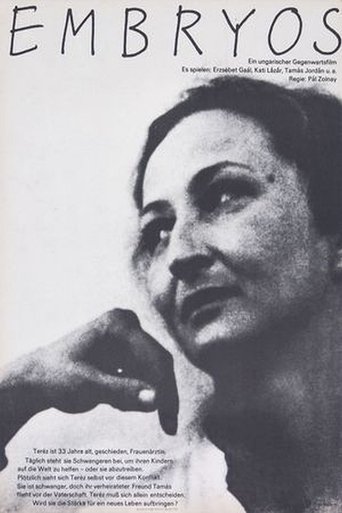
8.0Teréz is an obstetrician-gynaecologist. After her regular working hours she conducts a sociological survey about why couples do not have more children.
Embryos
1986
8.0Teréz is an obstetrician-gynaecologist. After her regular working hours she conducts a sociological survey about why couples do not have more children.
Embryos
1986
 7.2
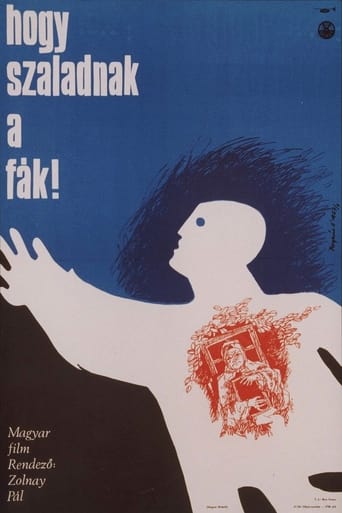
7.2For the first time after 11 years, Simon, a young historian visits the village of his childhood at Balaton and Aunt Lina, his foster-mother. He gets upset by what he experiences there: the old woman's troublesome and vexing everydays, her quiet sadness. He is overwhelmed by his own memories, the death of his foster-father and by everything he was not aware of before, or he simply wanted to forget.
The Sack
1966
7.2For the first time after 11 years, Simon, a young historian visits the village of his childhood at Balaton and Aunt Lina, his foster-mother. He gets upset by what he experiences there: the old woman's troublesome and vexing everydays, her quiet sadness. He is overwhelmed by his own memories, the death of his foster-father and by everything he was not aware of before, or he simply wanted to forget.
The Sack
1966
 7.0
7.0Four young primary school teachers live together in a country cottage of a remote village and in a constant monotony somewhat varied with quarrelling with one another. They spend their lives around the school and the yard. One night, a cheerful company of hunters pops in their home.
Four Girls in a Courtyard
1964
 8.0
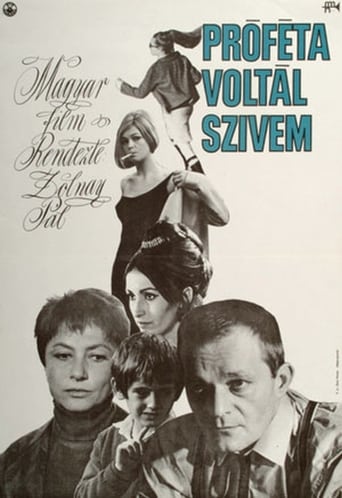
8.0During his neurological treatment, Gábor recalls his recent past. Happy moments of his marriage flash upon him, then he remembers the conflict that made his wife leave him and the women on whose side he is trying to forget.
You Were a Prophet, My Dear
1969
 9.0
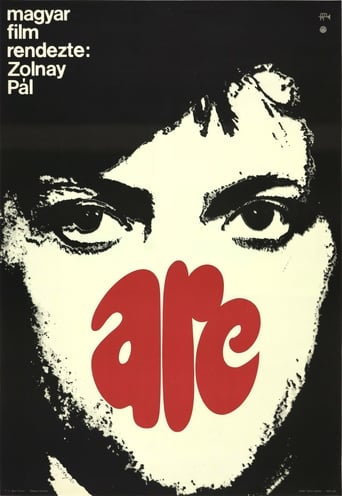
9.0The film take place in Budapest, in the end of The World War II, telling the story of a young Communist who escaped from prison. The boy tries to revitalise his contact with the movement, but he is told to be quiet and wait.
The Face
1970
9.0The film take place in Budapest, in the end of The World War II, telling the story of a young Communist who escaped from prison. The boy tries to revitalise his contact with the movement, but he is told to be quiet and wait.
The Face
1970
The film is a lyrical series of associations compiled from documentaries. Márkus, the actor is shut in his own flat by his wife by accident. While learning his part, on the wings of poetic intuition his imagination tours the great landscapes of the soul, the mystery of human existence.
Shaman
1977
 NR
NRNo synopsis available yet.
A ház
1975
 NR
NRJourneying photographers criss-cross the country. The apparatus in their hands creates a reality that never existed: group pictures of those who never faced a camera together, soldier and civilian, clean shaven and moustached. A mother of three is far from satisfied with her photo, this is not how she imagines herself at all. Time for the retoucher to get to work. Pál Zolnay made this affectionately ironic short as a study for his feature film Photography (Fotográfia).
Photography
1971
Elderly patients are lying in a Budapest hospital. Most have no hope of recovery, even their families have given up on them. All day long they observe as the world goes by, or they simply turn inwards. And yet hope still burns within them: from time to time they gather strength and clench their fists, or even stand up again. Instead of a simple report, director Pál Zolnay and cinematographer Elemér Ragályi recompose images of despair, illness and death, inner fortitude, playfulness and hope into lyrical film poetry.
Rise and Walk
1969