

Known for
 NR
NRAn artist, a zoologist, a nature scholar, and a sheep farmer working in the IT sector, who also happens to be an astronomy enthusiast, all view the demise of biological bodies differently. Forest carrion, larvae under tombstones, sheep in the barn, layers of feathers and bones, and shimmering green flies on decaying flesh – amidst all this is a human trying to understand their place in cosmology. In this grand tapestry of transformation, what is the human species: part of a cycle or more akin to superhuman?
The End
2024
 NR
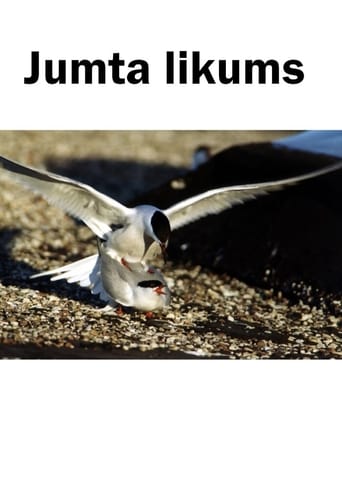
NRIn the early 1980’s two hundred pairs of common terns (Sterna hirundo) were forced to abandon their last natural nesting place on a river island near a major European capital Riga. Looking for a new habitat, the birds chose the flat pebbled roof of a concrete island – a printing house – in the middle of the city. The first generation of birds to grow up on this roof and fly to Southern Africa every winter have covered the distance from the Earth to the Moon. During the film various human attitudes towards the terns will emerge. The attitude of the birds is clear – they view things form above.
Roof on the Moonway
2001
 5.0
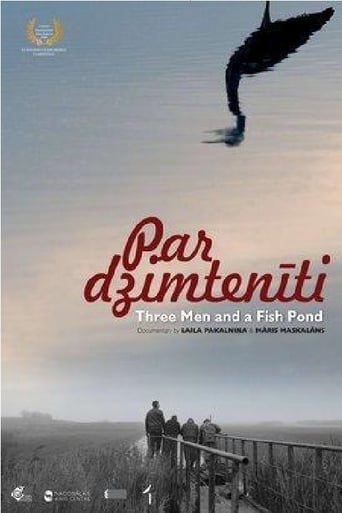
5.0Three elderly country bachelors idle away their time amidst semi-wild nature, closer to birds and pond fish than to humans.
Three Men and a Fish Pond
2008
 7.0
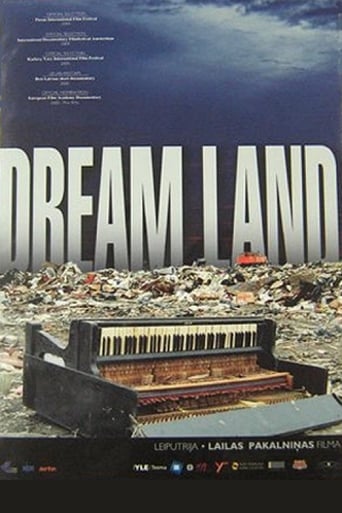
7.0There are places that we don’t want to know anything about, places that we would rather pretend don’t exist at all. One such place is a dumpsite. From the humans’ point of view, it is a ghastly place, a stinking desert of trash. But it’s a desert that is teaming with life.
Dream Land
2004
Experts believe that there are ten pairs of European rollers (Coracias garrulus) in Latvia. In 1997, one of these birds was hit by a car. Biologist Edmunds Račinskis is trying to encourage green magpies to nest in Latvia by putting up artificial birdhouses, but people are too busy to pay attention to rare birds and think that the green shrike is a symbol rather than a real bird species.
Kurš redzējis vārnu?
2004
 NR
NRMāris Strazds (also known as "Mr Black Stork") is a man who's been studying black storks and their behaviour for forty years. His love for and relationship with these beautiful birds is longer than the relationship with his wife. Having spent more than half of his life following black storks, Māris is aware that due to deforestation the number of these birds in Latvia is rapidly approaching zero.
Mr Black Stork
2020
Behind the camera
NRAn artist, a zoologist, a nature scholar, and a sheep farmer working in the IT sector, who also happens to be an astronomy enthusiast, all view the demise of biological bodies differently. Forest carrion, larvae under tombstones, sheep in the barn, layers of feathers and bones, and shimmering green flies on decaying flesh – amidst all this is a human trying to understand their place in cosmology. In this grand tapestry of transformation, what is the human species: part of a cycle or more akin to superhuman?
The End
2024
NRAn artist, a zoologist, a nature scholar, and a sheep farmer working in the IT sector, who also happens to be an astronomy enthusiast, all view the demise of biological bodies differently. Forest carrion, larvae under tombstones, sheep in the barn, layers of feathers and bones, and shimmering green flies on decaying flesh – amidst all this is a human trying to understand their place in cosmology. In this grand tapestry of transformation, what is the human species: part of a cycle or more akin to superhuman?
The End
2024
NRIn the early 1980’s two hundred pairs of common terns (Sterna hirundo) were forced to abandon their last natural nesting place on a river island near a major European capital Riga. Looking for a new habitat, the birds chose the flat pebbled roof of a concrete island – a printing house – in the middle of the city. The first generation of birds to grow up on this roof and fly to Southern Africa every winter have covered the distance from the Earth to the Moon. During the film various human attitudes towards the terns will emerge. The attitude of the birds is clear – they view things form above.
Roof on the Moonway
2001
NRIn the early 1980’s two hundred pairs of common terns (Sterna hirundo) were forced to abandon their last natural nesting place on a river island near a major European capital Riga. Looking for a new habitat, the birds chose the flat pebbled roof of a concrete island – a printing house – in the middle of the city. The first generation of birds to grow up on this roof and fly to Southern Africa every winter have covered the distance from the Earth to the Moon. During the film various human attitudes towards the terns will emerge. The attitude of the birds is clear – they view things form above.
Roof on the Moonway
2001
5.0Three elderly country bachelors idle away their time amidst semi-wild nature, closer to birds and pond fish than to humans.
Three Men and a Fish Pond
2008
5.0Three elderly country bachelors idle away their time amidst semi-wild nature, closer to birds and pond fish than to humans.
Three Men and a Fish Pond
2008
7.0There are places that we don’t want to know anything about, places that we would rather pretend don’t exist at all. One such place is a dumpsite. From the humans’ point of view, it is a ghastly place, a stinking desert of trash. But it’s a desert that is teaming with life.
Dream Land
2004
Experts believe that there are ten pairs of European rollers (Coracias garrulus) in Latvia. In 1997, one of these birds was hit by a car. Biologist Edmunds Račinskis is trying to encourage green magpies to nest in Latvia by putting up artificial birdhouses, but people are too busy to pay attention to rare birds and think that the green shrike is a symbol rather than a real bird species.
Kurš redzējis vārnu?
2004
Experts believe that there are ten pairs of European rollers (Coracias garrulus) in Latvia. In 1997, one of these birds was hit by a car. Biologist Edmunds Račinskis is trying to encourage green magpies to nest in Latvia by putting up artificial birdhouses, but people are too busy to pay attention to rare birds and think that the green shrike is a symbol rather than a real bird species.
Kurš redzējis vārnu?
2004
NRMāris Strazds (also known as "Mr Black Stork") is a man who's been studying black storks and their behaviour for forty years. His love for and relationship with these beautiful birds is longer than the relationship with his wife. Having spent more than half of his life following black storks, Māris is aware that due to deforestation the number of these birds in Latvia is rapidly approaching zero.
Mr Black Stork
2020
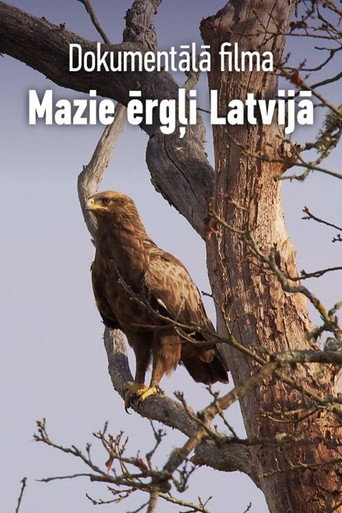 NR
NRNo synopsis available yet.
Mazie ērgļi Latvijā
2021