

Acting
Jan Kiepura
Born — Died
1902-05-16 — 1966-08-15
Place of birth
Sosnowiec, Poland, Russian Empire [now Sosnowiec, Slaskie, Poland]
Known for
Acting
Credits
26 titles
From Wikipedia Jan Wiktor Kiepura (May 16, 1902 – August 15, 1966) was an acclaimed Polish singer (tenor) and actor. In 1926, Jan Kiepura left Poland for an international career in Germany, Hungary, France, and England. When he returned to Poland, with the money he had earned from his performances, he built the well-known hotel Patria in the Polish border town of Krynica-Zdrój, which cost him about US$3 million. Some Polish movies were made there. Kiepura played in twelve Polish musicals, including O czym się nie myśli (1926), Die Singende Stadt (Neapol, śpiewające miasto) (1930), Tout Pour L'amour (Zdobyć cię muszę) (1933), and Mon coeur t'appelle (1934). He signed contracts with Convert…
Known for
No synopsis available yet.
Blick zurück im Film
1963
No synopsis available yet.
Treffpunkt New York
1961
A group of struggling artists, poets, and musicians struggle to survive in squalor without giving up their artistic ideals.
The Eternal Melody
1949
 4.8
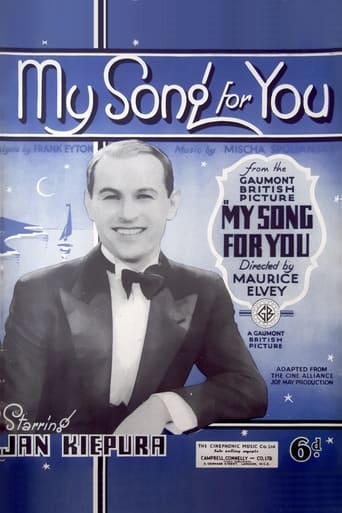
4.8In this opera-oriented musical, Riccardo Gatti, an Italian young tenor in Venice, meets a young woman who sneaks into the opera house to try and get her fiancé hired as the orchestra's pianist.
My Song for You
1934
 7.0
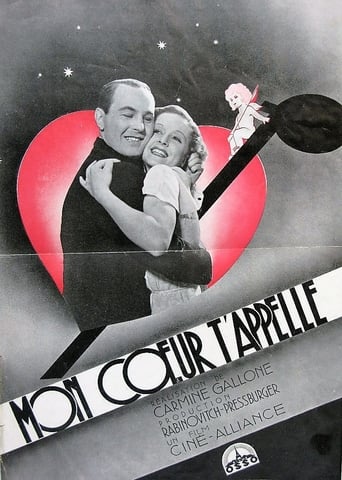
7.0Director Rosé and his opera company travel to Monte Carlo where they expect an engagément to perform at the opera house. During the boat trip Mario, the cheerful tenor, meets a girl hidden in his cabin. He helps her singing for her passage and soon Nicole is adopted by the whole troupe. Then at Monte Carlo the opera director has no intention to sign them. But he has an eye for beautiful women, so Nicole will try to persuade him to reconsider the offer.
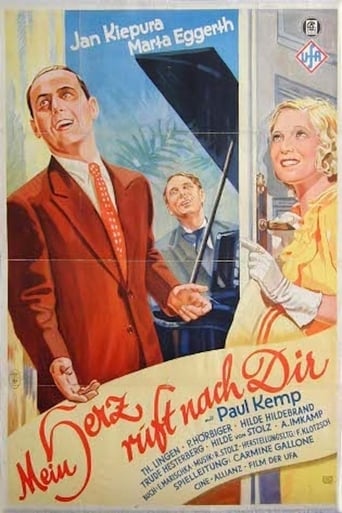
My Heart Is Calling You
1934
 8.0
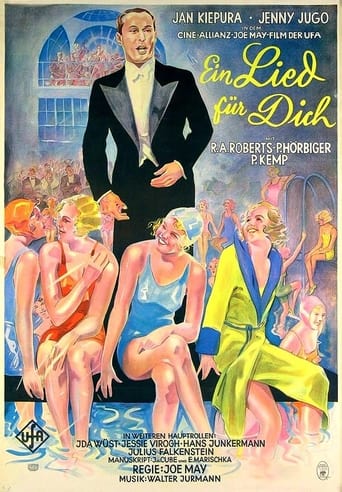
8.0During a concert tour, famous tenor Riccardo Gatti meets Lixie at an Aida rehearsal and takes her for a ballet dancer. She is in fact trying to get a position for her boyfriend, so she accepts Gatti's date for supper. When she runs away he publishes a newspaper ad offering to give a concert anywhere she chooses if she shows up. She chooses a swimming pool hoping to discourage him, but he accepts.
A Song for You
1933
Film credits
1950s · 2 titles
 9.0
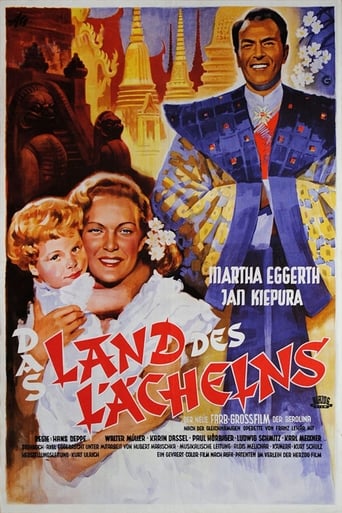
9.0An Austrian singer and an oriental prince who loves singing, fall in love in Vienna, get married and go to his country. She discovers how different the role for women is there, and he fights the old tradition refusing to marry a princess.
The Land of Smiles
1952
No synopsis available yet.
Unknown Sender
1950
1940s · 2 titles
A group of struggling artists, poets, and musicians struggle to survive in squalor without giving up their artistic ideals.
The Eternal Melody
1949
A prima donna hires a man to pretend to be her lover so as to protect her from an unwelcome suitor. Unbeknownst to her, he is a tenor in disguise.
Valse brillante
1949
1930s · 18 titles
4.8In this opera-oriented musical, Riccardo Gatti, an Italian young tenor in Venice, meets a young woman who sneaks into the opera house to try and get her fiancé hired as the orchestra's pianist.
My Song for You
1934
7.0Director Rosé and his opera company travel to Monte Carlo where they expect an engagément to perform at the opera house. During the boat trip Mario, the cheerful tenor, meets a girl hidden in his cabin. He helps her singing for her passage and soon Nicole is adopted by the whole troupe. Then at Monte Carlo the opera director has no intention to sign them. But he has an eye for beautiful women, so Nicole will try to persuade him to reconsider the offer.
My Heart Is Calling You
1934
8.0During a concert tour, famous tenor Riccardo Gatti meets Lixie at an Aida rehearsal and takes her for a ballet dancer. She is in fact trying to get a position for her boyfriend, so she accepts Gatti's date for supper. When she runs away he publishes a newspaper ad offering to give a concert anywhere she chooses if she shows up. She chooses a swimming pool hoping to discourage him, but he accepts.
A Song for You
1933
 7.0
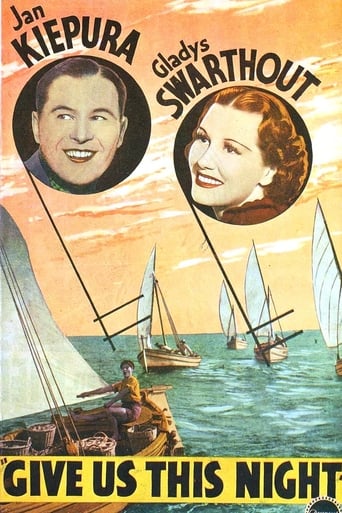
7.0After being introduced to the world of opera, a fisherman (Jan Kiepura) falls for a woman (Swarthout) whose guardian is a noted composer (Philip Merivale). They met when the fisherman evaded the police by seeking refuge in the village church. While there, they are each captivated by hearing the other singing Mass. The beautiful woman falls in love with the fisherman with the wonderful voice.
Give Us This Night
1936
Famous 1930's tenor Jan Kiepura doubles as a singing shop-assistant who stands in for a famous but lazy singer, mixing up each others love-lives in the process.
Ich liebe alle Frauen
1935
 5.5
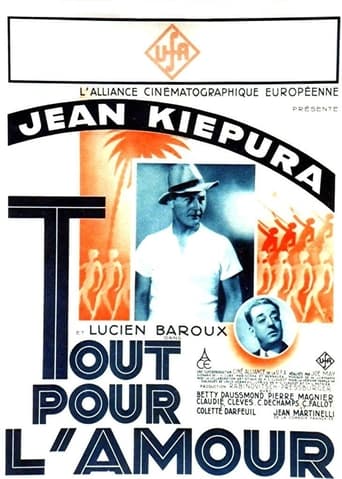
5.5A famous tenor manages to charm away a lovely young lady who was just about to be married to the opera director.
All for Love
1933
 8.0
8.0He was known as Anatole Litvak during his Hollywood directorial career, but he was still Anatole Litwak when he helmed the German musical Das Lied Einer Nacht (The Song of Night). Famed Polish tenor Jan Kiepura stars as famed Italian tenor Ferraro. Escaping from his tyrannical manager, Ferraro switches identities with a young tourist (Fritz Schulz) and goes off on an unscheduled Swiss holiday. Still travelling incognito, our hero falls in love with a winsome mountain girl (Magda Schneider). Alas, both his romance -- and his freedom -- are placed in jeopardy when it turns out that the charming young fellow with whom Ferraro traded identities was actually a notorious swindler. Anatole Litvak also directed the English-language version of Das Lied Einer Nacht, Be Mine Tonight
The Song of Night
1932
An ordinary Viennese taxi driver, Toni Kowalski, wanders into a diner, where a singing competition is taking place, and decides to take part in it. He is recognized as a maverick, the owner of an amazing voice, and is awarded the victory in the competition. Toni is patronized by an influential socialite.
Thank You, Madame
1936
 7.5
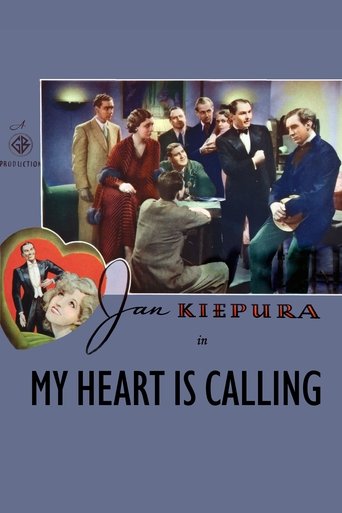
7.5Musical comedy. An opera singer falls for a stowaway on the way to Monte Carlo
My Heart Is Calling
1935
 10.0
10.0An opera company tries to get an engagement.
My Heart Calls You
1934
Jean Morena, famous operatic tenor, is determined to change his engagements for some freedom after the performance. So his manager has the idea of contracting Eugène, a grocery worker who looks just like him and is willing to become a singer, to take his place. Destiny will make them change places also in romantic business.
J'aime toutes les femmes
1935
 5.8
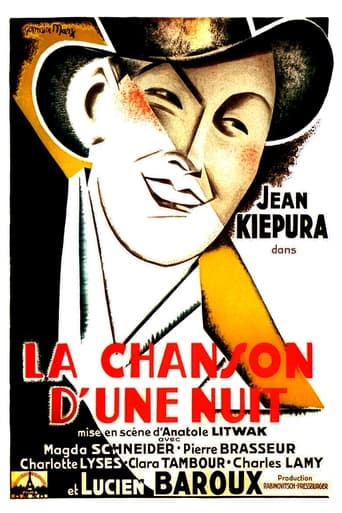
5.8Opera singer Enrico Ferraro, tired of his too many engagements, jumps off the train escaping from his manager and changes to another going to the Riviera. He makes a friend and stops at a village, where (it seems) he can at last have some well deserved holidays, with the added interest of meeting a beautiful girl in the surroundings.
One Night's Song
1933
No synopsis available yet.
Es leuchten die Sterne
1935
 9.0
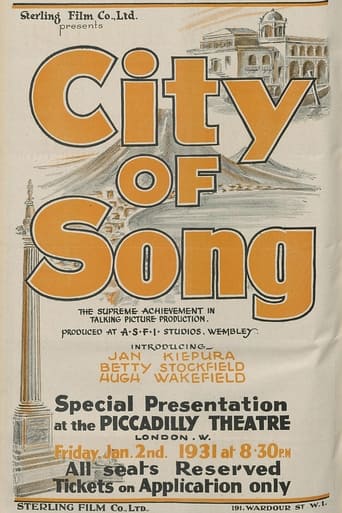
9.0A tourist guide in Naples is taken on by an English woman impressed by his singing, and who regards him as her protege.
City of Song
1931
 6.2
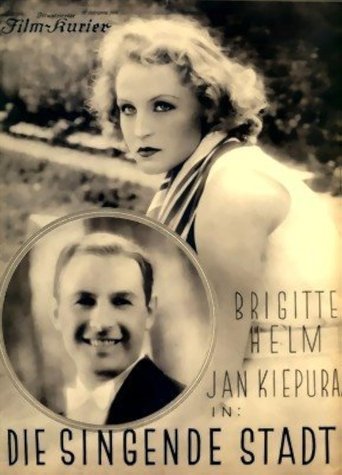
6.2A tourist guide in Naples is taken on by a Viennese woman impressed by his singing, and who regards him as her protege. This film was released as a German version and English Version known as "The City of Song". Brigitte Helm once portrays a beautiful femme fatale who displays her affection and lust for her tourist guide which is paralleled with the main bodied theme of the early romanticist songs played throughout.
The Singing City
1930
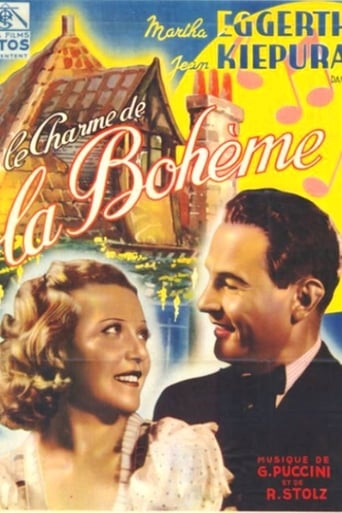 8.0
8.0René and his two artist friends lead a meager but careless life in a Parisian small apartment, their main worry being to avoid the housekeeper. Whenever they get some money they call more friends in and celebrate. This is how he meets beautiful but fragile Denise, who wants to be a singer as himself, and they fall in love. Yet when she finds out her real condition she takes a drastic decision which will determine their fates. La Bohème arias, and more.
The Charm of La Bohème
1937
 7.0
7.0A popular stage tenor can't stay away from his female admirers until his wife threatens to divorce him.
Another Experience
1939
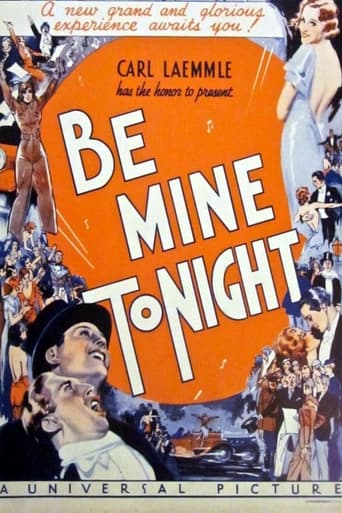 6.5
6.5An Italian operatic tenor is dominated by his female business manager.
Tell Me Tonight
1932