
Known for
 7.8
This film investigates how the media has reported war, from the First World War to the present day.
The War You Don't See
2010
 6.6
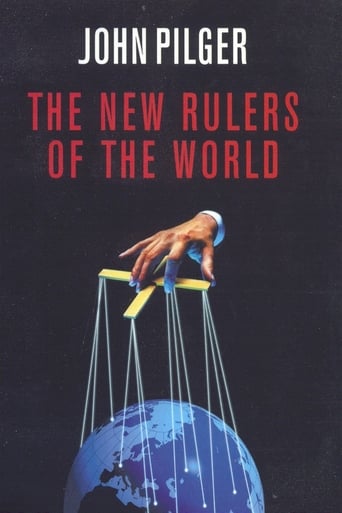
The myths of globalisation have been incorporated into much of our everyday language. "Thinking globally" and "the global economy" are part of a jargon that assumes we are all part of one big global village, where national borders and national identities no longer matter. But what is globalisation? And where is this global village? In 2001, John Pilger made 'The New Rulers of the World', a film exploring the impact of globalisation. It took Indonesia as the prime example, a country that the World Bank described as a 'model pupil' until its 'globalised' economy collapsed in 1998. Globalisation has not only made the world smaller. It has also made it interdependent. An investment decision made in London can spell unemployment for thousands in Indonesia, while a business decision taken in Tokyo can create thousands of new jobs for workers in north-east England.
The New Rulers of the World
2001
Welcome to Australia is a 1999 Carlton Television documentary, written and presented by John Pilger, which was directed and produced by Alan Lowery, and charts the history of injustice endured by indigenous Australians in the context of the build-up to the Sydney 2000 Summer Olympic Games.
Welcome to Australia
1999
The shameful history of persecution of the Aborigines in Australia. The secret history of Australia is a historical conspiracy of silence. Written history has long applied selectivity to what it records, largely ignoring the shameful way that the Aborigines were, and continue to be, treated. Because Aborigines had not cultivated the land they were seen by British colonists as having no proprietorial rights to the land. They had no treaty and therefore no rights under British colonial rule. Little of their resistance is recorded.
The Secret Country: The First Australians Fight Back
1986
 7.0
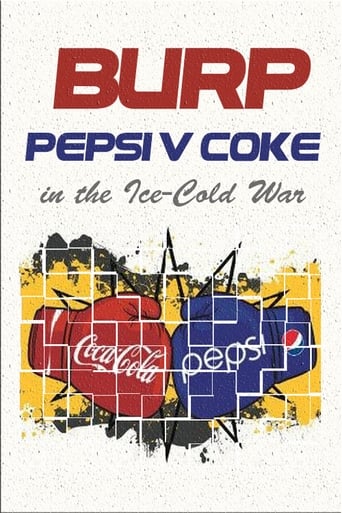
Burp! Pepsi Vs Coke in the Ice Cold War traces the history of these brands against the backdrop of global politics. The second world war was the perfect vehicle for Coca-Cola distribution (including to the Nazis), with bottling plants on front lines paid for by the US war department.
Burp! Pepsi v. Coke in the Ice-Cold War
1984
 6.7
How can a country survive when its jungle borders hold 4000 hostile troops?
Nicaragua: A Nation's Right to Survive
1983
Behind the camera
7.8This film investigates how the media has reported war, from the First World War to the present day.
The War You Don't See
2010
7.8This film investigates how the media has reported war, from the First World War to the present day.
The War You Don't See
2010
6.6The myths of globalisation have been incorporated into much of our everyday language. "Thinking globally" and "the global economy" are part of a jargon that assumes we are all part of one big global village, where national borders and national identities no longer matter. But what is globalisation? And where is this global village? In 2001, John Pilger made 'The New Rulers of the World', a film exploring the impact of globalisation. It took Indonesia as the prime example, a country that the World Bank described as a 'model pupil' until its 'globalised' economy collapsed in 1998. Globalisation has not only made the world smaller. It has also made it interdependent. An investment decision made in London can spell unemployment for thousands in Indonesia, while a business decision taken in Tokyo can create thousands of new jobs for workers in north-east England.
The New Rulers of the World
2001
Welcome to Australia is a 1999 Carlton Television documentary, written and presented by John Pilger, which was directed and produced by Alan Lowery, and charts the history of injustice endured by indigenous Australians in the context of the build-up to the Sydney 2000 Summer Olympic Games.
Welcome to Australia
1999
The shameful history of persecution of the Aborigines in Australia. The secret history of Australia is a historical conspiracy of silence. Written history has long applied selectivity to what it records, largely ignoring the shameful way that the Aborigines were, and continue to be, treated. Because Aborigines had not cultivated the land they were seen by British colonists as having no proprietorial rights to the land. They had no treaty and therefore no rights under British colonial rule. Little of their resistance is recorded.
The Secret Country: The First Australians Fight Back
1986
7.0Burp! Pepsi Vs Coke in the Ice Cold War traces the history of these brands against the backdrop of global politics. The second world war was the perfect vehicle for Coca-Cola distribution (including to the Nazis), with bottling plants on front lines paid for by the US war department.
Burp! Pepsi v. Coke in the Ice-Cold War
1984
6.7How can a country survive when its jungle borders hold 4000 hostile troops?
Nicaragua: A Nation's Right to Survive
1983
 6.0
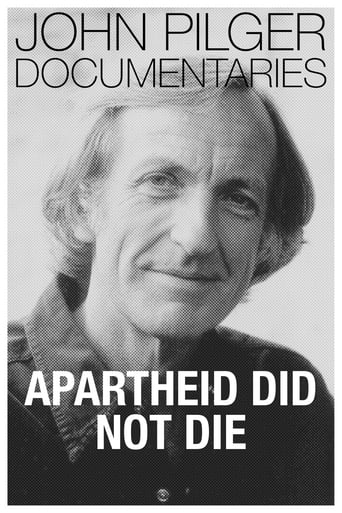
An analysis of South Africa's new, democratic regime.
Apartheid Did Not Die
1998
6.0An analysis of South Africa's new, democratic regime.
Apartheid Did Not Die
1998
 7.6
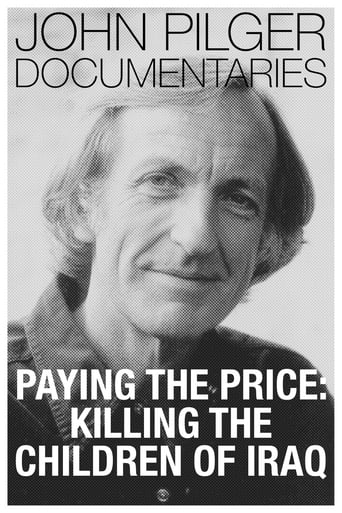
An analysis of the effect of economic sanctions on Iraq.
Paying the Price: Killing the Children of Iraq
2000
7.6An analysis of the effect of economic sanctions on Iraq.
Paying the Price: Killing the Children of Iraq
2000
 NR
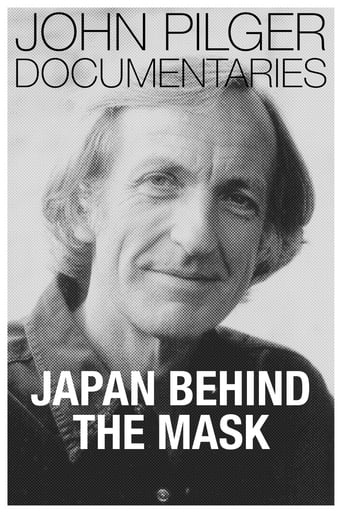
A look at Japanese society and its emergent nationalism.
Japan Behind the Mask
1987
NRA look at Japanese society and its emergent nationalism.
Japan Behind the Mask
1987