
Known for
 6.6
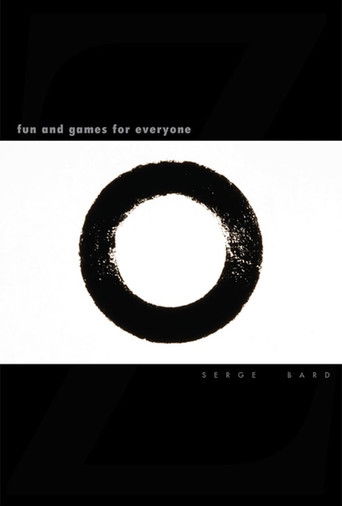
6.6“FUN AND GAMES (FOR EVERYONE): a pitch black and milky white film shot during one of Olivier Mosset's exhibition openings. A psychedelic game of improvisation joins the Zanzibar group with Salvador Dalí, Barbet Schroeder and Jean Mascolo... the solarized image reminiscent of thick strokes of a paintbrush.” - Philippe Azoury
Fun and Games for Everyone
1969
 7.4
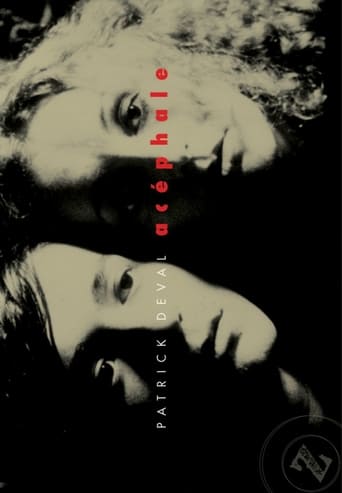
7.4An experimental arrangement of austerely executed but intensely hallucinatory episodes that build into a nightmarish fever of isolation and hopelessness.
Acéphale
1968
 7.8
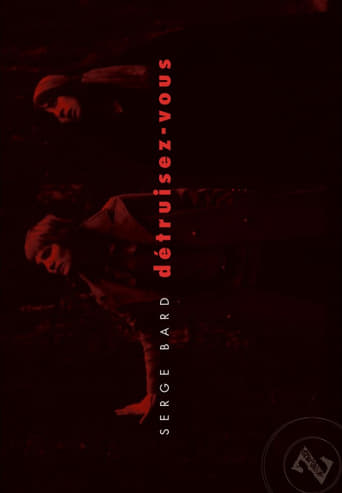
7.8Detruisez-vous is a ‘primitive’ film which breaks all the rules of film-making. It’s the first Zanzibar film (and predates the very naming of the movement), an attempt to make a film which defies the rules of production, the production line of commerce
Destroy Yourselves
1969
 NR
NRThe film begins with shots in Venice, passers-by seized from a hotel room, with Tina Aumont. It continues in Morocco during the filming of Bed of the Virgin, in a hotel room, people chat, play the guitar, smoke.
Home Movie : Marrakech
1968
 5.8
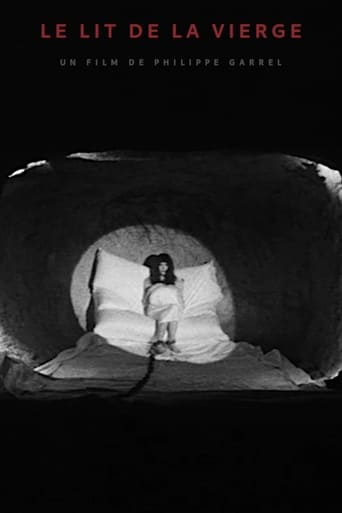
5.830 year old child enters the new city, riding on a donkey. He says he is the Savior. He has spent no time among men. He is trembling with cold. His clothes are soaked. His mother was overprotective ; his father conspicuously absent. He knows that he must face the mockery, refusal, ignorance and blindness of the men around him. They travel in gangs, in large numbers : soldiers, mercenaries or the like, on majestic, imposing horses. Everything is out of proportion to his thin, bewildered, innocent body ; he is the madman of the new city...
The Virgin's Bed
1969
 8.1
8.1An experimental and poetic portrait of a woman.
Home Movie: On the Set of Philippe Garrel's 'Le lit de la vierge'
1968
Film credits
1960s · 2 titles
NRThe film begins with shots in Venice, passers-by seized from a hotel room, with Tina Aumont. It continues in Morocco during the filming of Bed of the Virgin, in a hotel room, people chat, play the guitar, smoke.
Home Movie : Marrakech
1968
 NR
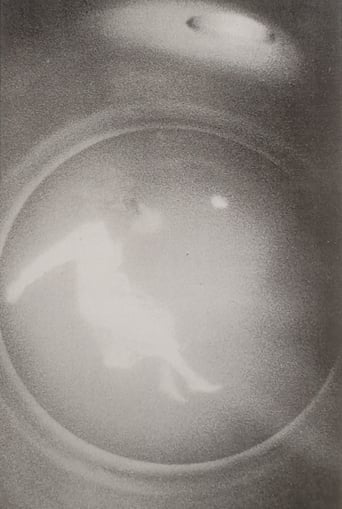
NRThis autobiographical film portrays a regression to life in the womb and represents three psychic states.
Un film
1969
Behind the camera
6.6“FUN AND GAMES (FOR EVERYONE): a pitch black and milky white film shot during one of Olivier Mosset's exhibition openings. A psychedelic game of improvisation joins the Zanzibar group with Salvador Dalí, Barbet Schroeder and Jean Mascolo... the solarized image reminiscent of thick strokes of a paintbrush.” - Philippe Azoury
Fun and Games for Everyone
1969
7.4An experimental arrangement of austerely executed but intensely hallucinatory episodes that build into a nightmarish fever of isolation and hopelessness.
Acéphale
1968
7.8Detruisez-vous is a ‘primitive’ film which breaks all the rules of film-making. It’s the first Zanzibar film (and predates the very naming of the movement), an attempt to make a film which defies the rules of production, the production line of commerce
Destroy Yourselves
1969
5.830 year old child enters the new city, riding on a donkey. He says he is the Savior. He has spent no time among men. He is trembling with cold. His clothes are soaked. His mother was overprotective ; his father conspicuously absent. He knows that he must face the mockery, refusal, ignorance and blindness of the men around him. They travel in gangs, in large numbers : soldiers, mercenaries or the like, on majestic, imposing horses. Everything is out of proportion to his thin, bewildered, innocent body ; he is the madman of the new city...
The Virgin's Bed
1969
8.1An experimental and poetic portrait of a woman.
Home Movie: On the Set of Philippe Garrel's 'Le lit de la vierge'
1968
 6.6
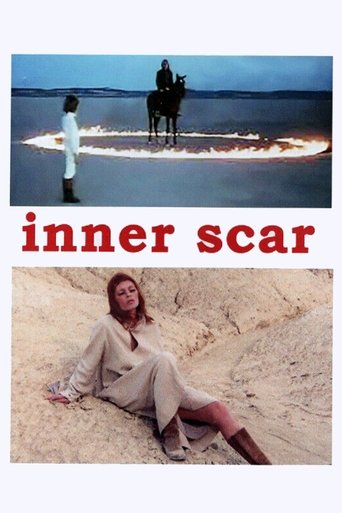
6.6A composition of symbolic, surreal and almost mystic images.
The Inner Scar
1972
Memory of what belongs to the invention of cinema. the film is a single shot to be shown in any order and size (Normal or scope) made in eight hours with a machine that conceptualizes light.
L'Homographe: à quoi rêve le fœtus?
1969
 5.0
5.0Cleopatra situates itself in the same relationship to Hollywood as the Warhol/Morrisey films of the period. It corresponds to Joseph Mankiewicz's 1963 Cleopatra, starring Elizabeth Taylor and Richard Burton which Auder's cast watched and used as the starting point for scene by scene improvisation Auder drew his cast from Warhol's ensemble – including not only Viva and Louis Waldon, but also Taylor Mead, Ondine, Andrea Feldman, Gerard Melanga and others.
Cleopatra
1970
 4.6
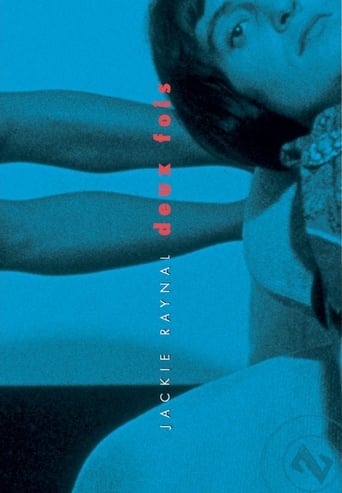
4.6A series of disconnected, minimalist vignettes often featuring Raynal herself, deliberately repeating actions and dialogue to challenge traditional storytelling. The film explicitly seeks to deconstruct cinematic meaning and the conventional portrayal of women in film, serving as a radical, self-aware diary film.
Deux fois
1968
NRThis autobiographical film portrays a regression to life in the womb and represents three psychic states.
Un film
1969
NRThis autobiographical film portrays a regression to life in the womb and represents three psychic states.
Un film
1969
NRThis autobiographical film portrays a regression to life in the womb and represents three psychic states.
Un film
1969
 NR
NRIn 1979, Iranian Women invite the American feminist Kate Millett to celebrate March 8, the International Women's Day, in Tehran. On March 7, the religious leaders announce that women have to wear the Islamic veil. From March 8 to March 13, women and liberals demonstrate in the streets against the veil. A crew of four French feminists filmed these historical events before being expelled by the mullahs.
Iranian Women's Liberation Movement: Year Zero
1979
NRIn 1979, Iranian Women invite the American feminist Kate Millett to celebrate March 8, the International Women's Day, in Tehran. On March 7, the religious leaders announce that women have to wear the Islamic veil. From March 8 to March 13, women and liberals demonstrate in the streets against the veil. A crew of four French feminists filmed these historical events before being expelled by the mullahs.
Iranian Women's Liberation Movement: Year Zero
1979
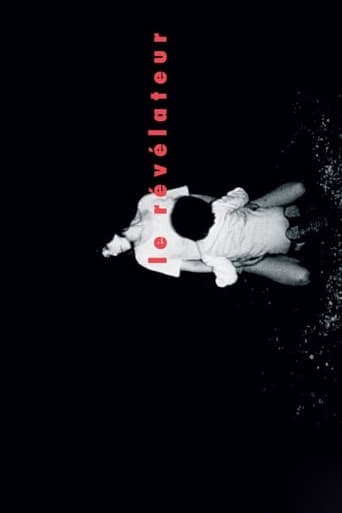 6.5
6.5A 4-year-old child is the element from and around which the action develops, and brings sentiments and emotions to light.
Le Révélateur
1968
In 1972, what does making a film mean? How does a movie make? What is the relationship between the producer of shows and the spectator? How does meaning travel in the story? These are the questions posed and proposed by the film.
Faire la déménageuse
1972
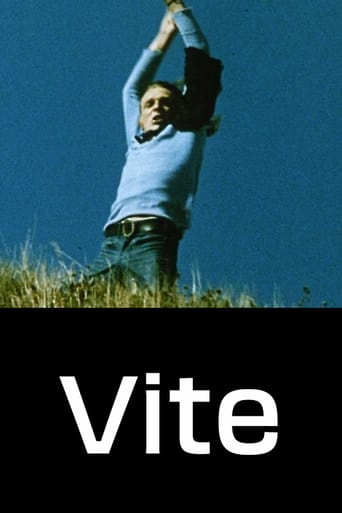 4.0
4.0In 1969, the painter-sculptor Daniel Pommereulle made his third film, this one financed by Sylvina Boissonnas. Although only a short, Vite was one of the most costly of all the Zanzibar productions. It features, for instance, shots of the moon taken by a state-of-the-art telescope, the Questar, that Pommereulle first saw while visiting Marlon Brando in southern California in 1968. In Rohmer’s La Collectionneuse, Pommereulle and his friend Adrien philosophize on how best to achieve le vide (emptiness) during their summer holidays. Three years later, Pommereulle would transform the word “vide” to “vite” (quickly), signifying his profound disenchantment with the aftermath of the revolution of May ’68. —Harvard Film Archive
Vite
1969
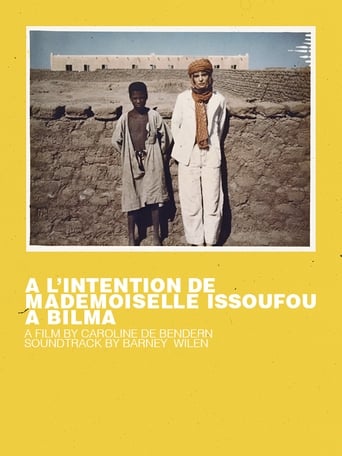 NR
NRA look into Africa that is rarely available to ethnographers or anthropologists. At its heart is the spirit of interaction. It observes, but with the wavering eye of home movie, rather than the fixed formality of a documentary.
A l'intention de Mademoiselle Issoufou à Bilma
1971
 NR
NRMaddening and mysterious,with the elements—ocean, wind, rocky terrain—dominating the scenes.
Ici et maintenant
1969