
Production
Adam Mazo
Known for
Production
Credits
8 titles
Adam Mazo (he/his) is the copresident and creative director for Upstander Project and an Emmy® Award-winning social issue documentarian. Adam has (co)directed and/or produced all of Upstander Project’s films, including Dawnland, which won an Emmy® Award in 2018. His films have been broadcast on domestic and international television (Independent Lens), programmed at film festivals (Sundance, Hot Docs, Camden) and international conferences, and screened at universities and K-12 schools, where they are also often used in curricula. He is Ashkenazi Jewish and lives with his family in the territory of the People of the Blue Hills — the Massachusett Tribe.
Known for
 6.0
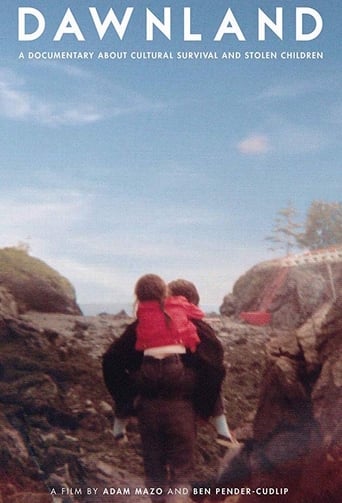
They were forced to assimilate into white society: children ripped away from their families, depriving them of their culture and erasing their identities. Can reconciliation help heal the scars from childhoods lost? "Dawnland" is the untold story of Indigenous child removal in the US through the nation's first-ever government-endorsed truth and reconciliation commission, which investigated the devastating impact of Maine’s child welfare practices on the Wabanaki people.
Dawnland
2018
Coexist tells the emotional stories of women who survived the Rwandan genocide in 1994. They continue to cope with the loss of their families as the killers who created this trauma return from jail back to the villages where they once lived. Faced with these perpetrators on a daily basis, the victims must decide whether they can forgive them or not. Their decisions are unfathomable to many, and speak to a humanity that has survived the worst violence imaginable.
Coexist
2010
 NR
Waponahkik (the people of the dawn land) bring gratitude to the sun where it first looks our way. Song and stories invite us to accept the new day and put behind us any harm done the day before.
Weckuwapok (The Approaching Dawn)
—
For centuries, the United States government has taken Native American children away from their tribes, devastating parents and denying children their traditions, culture, and identity. First Light documents these practices from the 1800s to today, and tells the story of an unprecedented experiment in truth-telling and healing for Wabanaki people and child welfare workers in Maine.
First Light
2015
 NR
Bounty reveals the hidden story of the Phips Proclamation, one of many scalp-bounty proclamations used to exterminate Native people in order to take their land in what is now New England. In the film, Penobscot parents and children resist erasure and commemorate survival by reading and reacting to the government-issued Phips Proclamation’s call for colonial settlers to hunt, scalp, and murder Penobscot people.
Bounty
2021
Behind the camera
6.0They were forced to assimilate into white society: children ripped away from their families, depriving them of their culture and erasing their identities. Can reconciliation help heal the scars from childhoods lost? "Dawnland" is the untold story of Indigenous child removal in the US through the nation's first-ever government-endorsed truth and reconciliation commission, which investigated the devastating impact of Maine’s child welfare practices on the Wabanaki people.
Dawnland
2018
Coexist tells the emotional stories of women who survived the Rwandan genocide in 1994. They continue to cope with the loss of their families as the killers who created this trauma return from jail back to the villages where they once lived. Faced with these perpetrators on a daily basis, the victims must decide whether they can forgive them or not. Their decisions are unfathomable to many, and speak to a humanity that has survived the worst violence imaginable.
Coexist
2010
NRWaponahkik (the people of the dawn land) bring gratitude to the sun where it first looks our way. Song and stories invite us to accept the new day and put behind us any harm done the day before.
Weckuwapok (The Approaching Dawn)
—
For centuries, the United States government has taken Native American children away from their tribes, devastating parents and denying children their traditions, culture, and identity. First Light documents these practices from the 1800s to today, and tells the story of an unprecedented experiment in truth-telling and healing for Wabanaki people and child welfare workers in Maine.
First Light
2015
NRBounty reveals the hidden story of the Phips Proclamation, one of many scalp-bounty proclamations used to exterminate Native people in order to take their land in what is now New England. In the film, Penobscot parents and children resist erasure and commemorate survival by reading and reacting to the government-issued Phips Proclamation’s call for colonial settlers to hunt, scalp, and murder Penobscot people.
Bounty
2021