

Writing
Lennart Meri
Born — Died
1929-03-29 — 2006-03-14
Place of birth
Tallinn, Harju County, Estonia
Known for
Writing
Credits
12 titles
Lennart Georg Meri (Estonian pronunciation: [ˈlenˑɑrt ˈgeorg ˈmeri]; March 29, 1929 – March 14, 2006) was an Estonian politician, writer, and film director. He served as the second president of Estonia from 1992 to 2001. Meri was among the leaders of the movement to restore Estonian independence from the Soviet Union. Meri was born in Tallinn, a son of the Estonian diplomat and later Shakespeare translator Georg Meri, and Estonian Swedish mother Alice-Brigitta Engmann. With his family, Lennart left Estonia at an early age and studied abroad, in nine different schools and in four different languages. His warmest memories were from his school years in Lycée Janson de Sailly in Paris. In addit…
Known for
 6.7
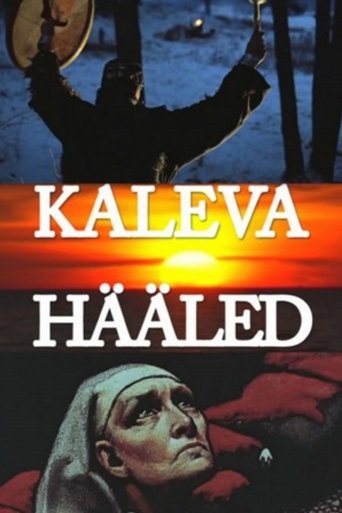
A three-act film-essay about memory and the historical-cultural ties of the Finno- Ugric peoples. The first chapter is dedicated to ancient Bearese of memory, such as Karelian cliff drawings, Kalevala runo song and Khanty bear feast rituals. the second act portrays the visit of Elias Lonnrot, compiler of the Finnish national epic Kalevala, to Estonia and his meetings with local intellectuals. Part three re-enacts an ancient smelting and blacksmith ritual set to Veljo Tormis' cantata 'curse upon iron'. Filmed in 1985 in Uhtuo, Karelia; in Khantia-Mansia at the Agan river, a tributary of the Ob; and in Estonia (Tallinn, Kuusalu, Tartu, Voru, Litsmetsa in Voru county, Lullemae, Karula, Rongu, Narva, and at a bend of the Pirita river). The third documentary in Lennart Meri's "Encyclopaedia Cinematographica Gentium Fenno - Ugricarum" series.
The Sounds of Kaleva
1986
In the same vein as Meri's other documentations, this one takes advantage of the glasnost policy to discuss the social and ecologic impact of the Russian oil industry on the natives and the lands they inhabit.
Son of Torum
1989
 7.5
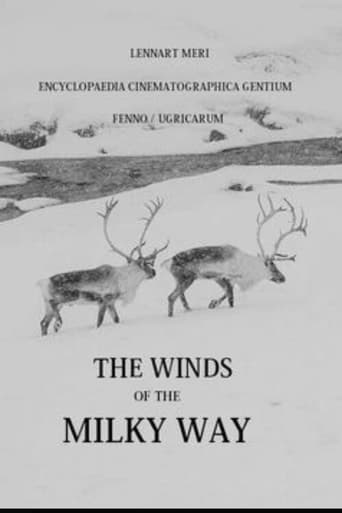
Sequel to the "The Waterfowl People". The author interprets the kinship, linguistic and cultural relationships of the Finno-Ugric peoples. Finns, Vepsians, Votes, Setos, Erzya-Mordvinians, Mansi, Hungarians, Sami, Nganasans, and Estonians appear in the film. The film was shot in 1977 on location in northern Finland, Sapmi, Vepsia, Votia, Mordovia, Khantia-Mansia, Hungary, the Taymyr Peninsula, the Setomaa region in Estonia, and on the Estonian islands of Saaremaa and Muhu. Footage was also shot in 1970 in the Nenets Okrug. The second documentary in Lennart Meri's "Encyclopaedia Cinematographica Gentium Fenno - Ugricarum" series.
The Winds of the Milky Way
1978
 NR
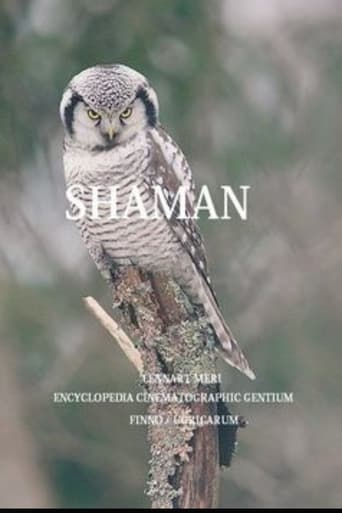
"Shaman" was filmed on July the 16th, 1977 in the northernmost corner of Eurasia, on the Taymyr Peninsula, at the Avam river, concurrently with the shooting of the documentary "The Winds of the Milky Way". The Nganasan Shaman Demnime (1913-1980) was 64 years old at the time. The documentary about Demnime's incarnation ritual was completed 20 years later. The fifth and final documentary in Lennart Meri's "Encyclopaedia Cinematographica Gentium Fenno - Uricarum" series.
The Shaman
1997
 NR
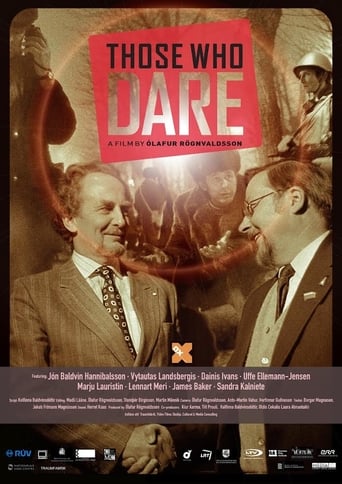
When Mikhail Gorbachev rose to power in 1985, his reform policy sparked an independence movement in Estonia, Latvia and Lithuania. But as cries for help from the Baltic States were met with silence from the international community at large, two small nations – Iceland and Denmark – answered the call, motivated by the personal connections of their foreign ministers, Jón Baldvin Hannibalsson and Uffe Elleman Jensen.
Those Who Dare
2015
 NR
Pikk Street is one of the most important thoroughfares of Tallinn’s Old Town. The picture playfully combines hidden camera footage with more observational images, employing shots from unusual angles; these are accompanied by specific sounds and interesting musical themes. The result is a true cinematic adventure.
Pikk Street
1966
Film credits
Behind the camera
6.7A three-act film-essay about memory and the historical-cultural ties of the Finno- Ugric peoples. The first chapter is dedicated to ancient Bearese of memory, such as Karelian cliff drawings, Kalevala runo song and Khanty bear feast rituals. the second act portrays the visit of Elias Lonnrot, compiler of the Finnish national epic Kalevala, to Estonia and his meetings with local intellectuals. Part three re-enacts an ancient smelting and blacksmith ritual set to Veljo Tormis' cantata 'curse upon iron'. Filmed in 1985 in Uhtuo, Karelia; in Khantia-Mansia at the Agan river, a tributary of the Ob; and in Estonia (Tallinn, Kuusalu, Tartu, Voru, Litsmetsa in Voru county, Lullemae, Karula, Rongu, Narva, and at a bend of the Pirita river). The third documentary in Lennart Meri's "Encyclopaedia Cinematographica Gentium Fenno - Ugricarum" series.
The Sounds of Kaleva
1986
In the same vein as Meri's other documentations, this one takes advantage of the glasnost policy to discuss the social and ecologic impact of the Russian oil industry on the natives and the lands they inhabit.
Son of Torum
1989
7.5Sequel to the "The Waterfowl People". The author interprets the kinship, linguistic and cultural relationships of the Finno-Ugric peoples. Finns, Vepsians, Votes, Setos, Erzya-Mordvinians, Mansi, Hungarians, Sami, Nganasans, and Estonians appear in the film. The film was shot in 1977 on location in northern Finland, Sapmi, Vepsia, Votia, Mordovia, Khantia-Mansia, Hungary, the Taymyr Peninsula, the Setomaa region in Estonia, and on the Estonian islands of Saaremaa and Muhu. Footage was also shot in 1970 in the Nenets Okrug. The second documentary in Lennart Meri's "Encyclopaedia Cinematographica Gentium Fenno - Ugricarum" series.
The Winds of the Milky Way
1978
NR"Shaman" was filmed on July the 16th, 1977 in the northernmost corner of Eurasia, on the Taymyr Peninsula, at the Avam river, concurrently with the shooting of the documentary "The Winds of the Milky Way". The Nganasan Shaman Demnime (1913-1980) was 64 years old at the time. The documentary about Demnime's incarnation ritual was completed 20 years later. The fifth and final documentary in Lennart Meri's "Encyclopaedia Cinematographica Gentium Fenno - Uricarum" series.
The Shaman
1997
NRPikk Street is one of the most important thoroughfares of Tallinn’s Old Town. The picture playfully combines hidden camera footage with more observational images, employing shots from unusual angles; these are accompanied by specific sounds and interesting musical themes. The result is a true cinematic adventure.
Pikk Street
1966
 7.0
A documentary about the histoy and linguistic ties of the Finno-Ugric, and Samoyedic peoples. Speakers of the Kamassian, Nenets, Khanty, Komi, Mari, and Karelian languages were filmed in their everyday settings in the late 1960s and early 1970s. The footage was shot in Altai Krai, the Nenets Okrug, Khantia-Mansia, Uzbekistan, the Komi Republic, Mari el, Karelia, and Estonia. The first documentary in Lennart Meri's "Encyclopaedia Cinematographica Gentium Fenno - Ugricarum (1970 - 1997)" series.
The Waterfowl People
1970
7.0A documentary about the histoy and linguistic ties of the Finno-Ugric, and Samoyedic peoples. Speakers of the Kamassian, Nenets, Khanty, Komi, Mari, and Karelian languages were filmed in their everyday settings in the late 1960s and early 1970s. The footage was shot in Altai Krai, the Nenets Okrug, Khantia-Mansia, Uzbekistan, the Komi Republic, Mari el, Karelia, and Estonia. The first documentary in Lennart Meri's "Encyclopaedia Cinematographica Gentium Fenno - Ugricarum (1970 - 1997)" series.
The Waterfowl People
1970