
Directing
Antoinetta Angelidi
Place of birth
Athens, Greece
Known for
Directing
Credits
14 titles
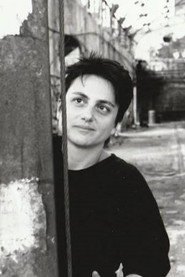
Antoinetta Angelidi (Greek: Αντουανέττα Αγγελίδη, 1950) is Greek artist, challenging and highly experimental film-maker that uses any and all forms of art to deliver the most challenging and unusual films she can make. From surrealism, to dance, performance-art, theatrics, structural film, philology, poetry, tableaux-vivant, concept-art, etc. Her output is low but each film achieves, or tries to achieve, something radically new with a new language for film. Recurring themes include feminism, death as a springboard for meaning and the inner life of characters expressed using all of the above methods. Aesthetically, she carefully controls every detail of her films, using artificial sets to set…
Known for
 6.1
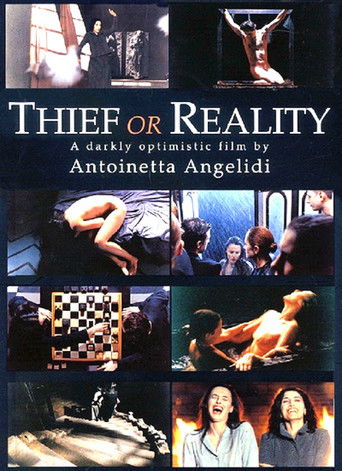
6.1An experimental-allegorical film. Three different people: a sculptress of funereal monuments, an actor preparing for Sophocles’ Antigone, and a mother who has lost her child, experience three different versions of reality - with a fourth character, a thief, providing the connecting link.
Thief or Reality
2001
 2.0
2.0Shot in 1980 and finished in 2008, 121280 Ritual uses heavy breathing, incantatory chanting, and repetition to ritualize the pregnant body.
121280 Ritual
2008
 6.3
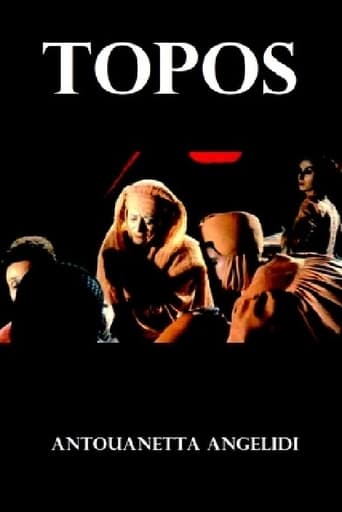
6.3During its 85-minute running time, this jarring experimental film takes a no-holds-barred look at the way women have been treated and depicted in Western art.
Topos
1985
 7.8
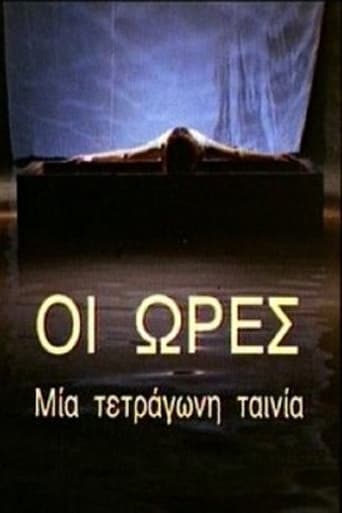
7.8The painful passage from being imprisoned in the extortionate dilemmas of familial and sexual relationships to accepting a personal point of view. A narrative constructed on the associative structure of memory and dream.
The Hours: A Square Film
1996
Inspired by Wilhelm Jensen’s Gradiva and Sigmund Freud’s essay on it, as well as by the empty squares painted by Giorgio de Chirico. The uncanny atmosphere of summer noon in Ermoupolis. The film is a fusion of fiction and documentary, essay and performance. It develops the theme of Grandiva but also records the process of teaching film to young performers during the Summer Academy of the National Theatre of Greece. The narrative units of the film are simultaneously exercises on film acting, as well as live performances that took place in the urban space of Ermoupolis, on the Greek island of Syros, in the summer of 2006.
Noon Hour
2006
 7.5
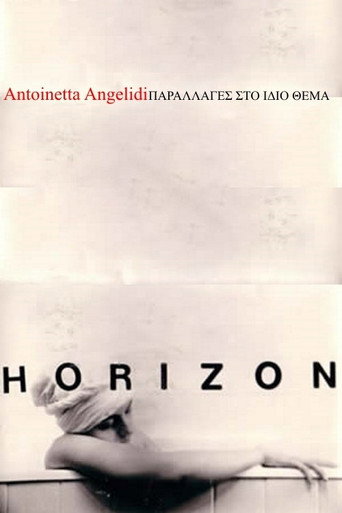
7.5In Variations, Angelidi creatively activates her knowledge of the history of the cinematic image and connects it to a global artistic language of an alternative, poetic cinema, while still preserving the peculiarities of her own tradition and, especially, her personal concerns. Angelidi -who appeared with the film Idees Fixes - Dies Irae (Variations on the Same Theme) in 1977 is classified among the filmmakers who emerged in the seventies with films that were "different", from an aesthetic viewpoint, and who proposed "another" kind of narrative
Variations on the Same Theme
1977
Film credits

Behind the camera
6.1An experimental-allegorical film. Three different people: a sculptress of funereal monuments, an actor preparing for Sophocles’ Antigone, and a mother who has lost her child, experience three different versions of reality - with a fourth character, a thief, providing the connecting link.
Thief or Reality
2001
6.1An experimental-allegorical film. Three different people: a sculptress of funereal monuments, an actor preparing for Sophocles’ Antigone, and a mother who has lost her child, experience three different versions of reality - with a fourth character, a thief, providing the connecting link.
Thief or Reality
2001
6.1An experimental-allegorical film. Three different people: a sculptress of funereal monuments, an actor preparing for Sophocles’ Antigone, and a mother who has lost her child, experience three different versions of reality - with a fourth character, a thief, providing the connecting link.
Thief or Reality
2001
2.0Shot in 1980 and finished in 2008, 121280 Ritual uses heavy breathing, incantatory chanting, and repetition to ritualize the pregnant body.
121280 Ritual
2008
6.3During its 85-minute running time, this jarring experimental film takes a no-holds-barred look at the way women have been treated and depicted in Western art.
Topos
1985
6.3During its 85-minute running time, this jarring experimental film takes a no-holds-barred look at the way women have been treated and depicted in Western art.
Topos
1985
6.3During its 85-minute running time, this jarring experimental film takes a no-holds-barred look at the way women have been treated and depicted in Western art.
Topos
1985
7.8The painful passage from being imprisoned in the extortionate dilemmas of familial and sexual relationships to accepting a personal point of view. A narrative constructed on the associative structure of memory and dream.
The Hours: A Square Film
1996
7.8The painful passage from being imprisoned in the extortionate dilemmas of familial and sexual relationships to accepting a personal point of view. A narrative constructed on the associative structure of memory and dream.
The Hours: A Square Film
1996
Inspired by Wilhelm Jensen’s Gradiva and Sigmund Freud’s essay on it, as well as by the empty squares painted by Giorgio de Chirico. The uncanny atmosphere of summer noon in Ermoupolis. The film is a fusion of fiction and documentary, essay and performance. It develops the theme of Grandiva but also records the process of teaching film to young performers during the Summer Academy of the National Theatre of Greece. The narrative units of the film are simultaneously exercises on film acting, as well as live performances that took place in the urban space of Ermoupolis, on the Greek island of Syros, in the summer of 2006.
Noon Hour
2006
7.5In Variations, Angelidi creatively activates her knowledge of the history of the cinematic image and connects it to a global artistic language of an alternative, poetic cinema, while still preserving the peculiarities of her own tradition and, especially, her personal concerns. Angelidi -who appeared with the film Idees Fixes - Dies Irae (Variations on the Same Theme) in 1977 is classified among the filmmakers who emerged in the seventies with films that were "different", from an aesthetic viewpoint, and who proposed "another" kind of narrative
Variations on the Same Theme
1977
7.5In Variations, Angelidi creatively activates her knowledge of the history of the cinematic image and connects it to a global artistic language of an alternative, poetic cinema, while still preserving the peculiarities of her own tradition and, especially, her personal concerns. Angelidi -who appeared with the film Idees Fixes - Dies Irae (Variations on the Same Theme) in 1977 is classified among the filmmakers who emerged in the seventies with films that were "different", from an aesthetic viewpoint, and who proposed "another" kind of narrative
Variations on the Same Theme
1977
7.5In Variations, Angelidi creatively activates her knowledge of the history of the cinematic image and connects it to a global artistic language of an alternative, poetic cinema, while still preserving the peculiarities of her own tradition and, especially, her personal concerns. Angelidi -who appeared with the film Idees Fixes - Dies Irae (Variations on the Same Theme) in 1977 is classified among the filmmakers who emerged in the seventies with films that were "different", from an aesthetic viewpoint, and who proposed "another" kind of narrative
Variations on the Same Theme
1977