

Directing
Nick Deocampo
Known for
Directing
Credits
46 titles
Nicolas Armada Deocampo (born 1959), best known as Nick Deocampo, is a multi-awarded Filipino filmmaker, film historian, film literacy advocate, film producer, author and the director of the Center for New Cinema.
Known for
 NR
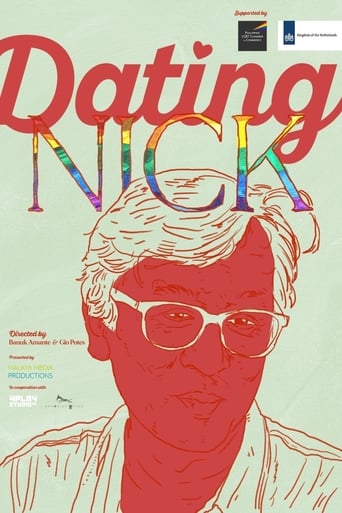
NRNicolas Deocampo--a prominent Filipino filmmaker, academic, historian and activist--goes down memory lane in this intimate vignette and paints through his piercing poetry and gripping visual images—the wins of the LGBTQIA movement as he retells his own struggle in finding love and belonging.
Dating Nick
2019
 NR
NRInterweaving lives of LGBT personalities compose this documentary about the struggles and hopes of a queer community living in the country’s premiere city.
#pinQCity
2014
 8.5
8.5No synopsis available yet.
Baton of Dracula
1971
 10.0
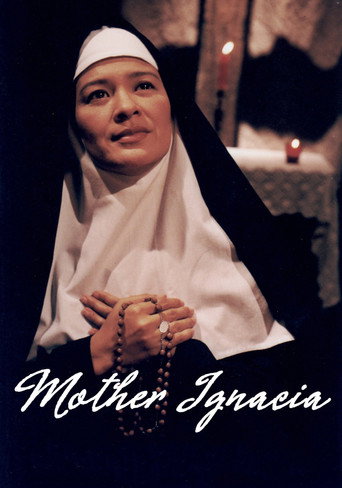
10.0This is the life story of Mother Ignacia del Espiritu Santo, a Chinese-Filipina nun who founded the Congregation of the Sisters of the Religious of the Virgin Mary.
Mother Ignacia: Ang Uliran
1998
A frustrated man discovers that life in the city is no better than the countryside he left behind.
Pedrong Palad
2000
 NR
NRWith interviews with National Artists Lamberto Avellana and Lino Brocka and myriad talents from the Mowelfund community such as Nick Deocampo and Raymond Red, Beyond Mainstream documents the robust energy of nascent independent filmmaking in the country in the 80s. Based on Nick Deocampo's first book Short Film: The Emergence of a New Philippine Cinema (1985), it features the first Independent Film and Video Festival held in the Wave Cinema in Cubao, Quezon City, the first video theater in the country.
Beyond the Mainstream: A Salute to Philippine Independent Cinema
1986
Film credits

2010s · 6 titles
NRNicolas Deocampo--a prominent Filipino filmmaker, academic, historian and activist--goes down memory lane in this intimate vignette and paints through his piercing poetry and gripping visual images—the wins of the LGBTQIA movement as he retells his own struggle in finding love and belonging.
Dating Nick
2019
 NR
NRFilm: American Beginnings of Philippine Cinema is the second episode in Deocampo's evolving saga of the country's history of Philippine cinema. Based on his recent book, Film: American Influences on Philippine Cinema, this 3D-animated documentary ventures from Escolta through Avenida as we discover how film came to be in the Philippines.
Film: American Beginnings of Philippine Cinema
2012
The documentary serves as a tribute to National Artist for Cinema Gerardo de Leon in celebration of his Centennial Year. “Salamat sa Alaala.” is inspired by the music composed by the late film director when he was a teenager playing background music for silent movies in Manila theatres. The video opens up with a capsulated history of the birth of the Filipino movies followed by a series of shots of veteran actresses, the academe and the young generation of filmmakers affirming his unique qualities as a world-class film figure. Then we unravel his private life as a family man. The documentary is one way of thanking him for his lasting legacy in the art form he left behind.
Salamat sa Alaala
2015
 5.6
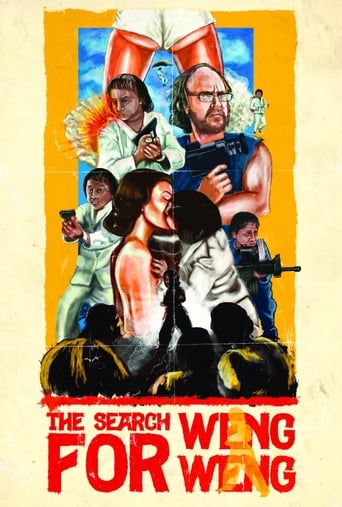
5.6The bizarre history of Filipino B-films, as told through filmmaker Andrew Leavold's personal quest to find the truth behind its midget James Bond superstar Weng Weng.
The Search for Weng Weng
2013
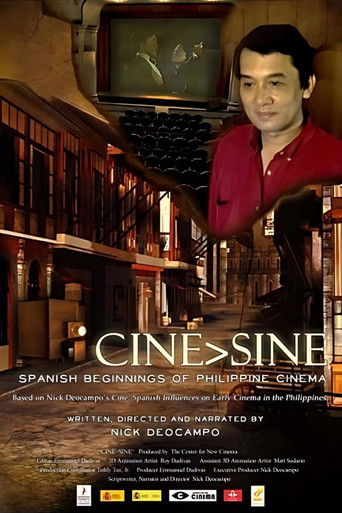 NR
NRBased on Nick Deocampo's award-winning book, Cine: Spanish Influences on Early Cinema in the Philippines, this digital documentary traces the beginning of cinema in the Philippines in 1897 when two Spaniards showed the first moving pictures in Escolta. Against the backdrop of war and revolution, film developed to become the emerging Filipinos' dominant form of public entertainment. The documentary further explores the elements of Spanish culture found in Filipino films as evidenced through the classic films made by three National Artists - Eddie Romero, Lino Brocka, and Ishmael Bernal. This is Deocampo's homage both to Philippine cinema and the Filipino nation that is its twin.
Cine/Sine: Spanish Beginnings of Philippine Cinema
2012
 NR
NRA comprehensive history of early cinema in the Philippines. Told in narration over 3D animation.
Gunita: Mga Alaala sa Pinilakang Tabing
2017
1990s · 2 titles
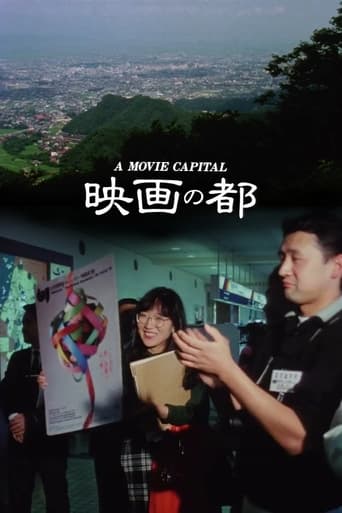 6.0
6.0This film is a record of the first Yamagata International Documentary Film Festival. It reflects the various ways the festival was given shape by nascent global changes embodied by Perestroika, the Tiananmen Square massacre, and many other contemporaneous events.
A Movie Capital
1991
 4.2
4.2A candid story about a Filipino transvestite who works in Japan’s entertainment center in order to support his family. In the daytime, Joan attends to his daily training to prepare him for work as entertainer in Japan. At night, he works as one of the female impersonators in Manila’s gay bars. All these to feed a family of eighteen. Although it will be Joan’s fourth trip to Japan, he still finds it hard to make as much money to make their lives better. Meeting other gay entertainers in the bar where he works, they talk about the difficulties Filipino entertainers experience while working in Japan. The situation is no different though from the life lived by someone like Joan in the Philippines who was once caught in a drug bust operation and sent to jail. Threats and difficulties seem to hound these sex warriors wherever they go.
The Sex Warriors and the Samurai
1995
1970s · 1 titles
Behind the camera
NRInterweaving lives of LGBT personalities compose this documentary about the struggles and hopes of a queer community living in the country’s premiere city.
#pinQCity
2014
10.0This is the life story of Mother Ignacia del Espiritu Santo, a Chinese-Filipina nun who founded the Congregation of the Sisters of the Religious of the Virgin Mary.
Mother Ignacia: Ang Uliran
1998
10.0This is the life story of Mother Ignacia del Espiritu Santo, a Chinese-Filipina nun who founded the Congregation of the Sisters of the Religious of the Virgin Mary.
Mother Ignacia: Ang Uliran
1998
10.0This is the life story of Mother Ignacia del Espiritu Santo, a Chinese-Filipina nun who founded the Congregation of the Sisters of the Religious of the Virgin Mary.
Mother Ignacia: Ang Uliran
1998
A frustrated man discovers that life in the city is no better than the countryside he left behind.
Pedrong Palad
2000
NRWith interviews with National Artists Lamberto Avellana and Lino Brocka and myriad talents from the Mowelfund community such as Nick Deocampo and Raymond Red, Beyond Mainstream documents the robust energy of nascent independent filmmaking in the country in the 80s. Based on Nick Deocampo's first book Short Film: The Emergence of a New Philippine Cinema (1985), it features the first Independent Film and Video Festival held in the Wave Cinema in Cubao, Quezon City, the first video theater in the country.
Beyond the Mainstream: A Salute to Philippine Independent Cinema
1986
NRWith interviews with National Artists Lamberto Avellana and Lino Brocka and myriad talents from the Mowelfund community such as Nick Deocampo and Raymond Red, Beyond Mainstream documents the robust energy of nascent independent filmmaking in the country in the 80s. Based on Nick Deocampo's first book Short Film: The Emergence of a New Philippine Cinema (1985), it features the first Independent Film and Video Festival held in the Wave Cinema in Cubao, Quezon City, the first video theater in the country.
Beyond the Mainstream: A Salute to Philippine Independent Cinema
1986
 9.0
9.0A historian travels through time from the swampland that one day turned into the squalor that it has become in contemporary time.
Memories of Old Manila
1993
9.0A historian travels through time from the swampland that one day turned into the squalor that it has become in contemporary time.
Memories of Old Manila
1993
9.0A historian travels through time from the swampland that one day turned into the squalor that it has become in contemporary time.
Memories of Old Manila
1993
NRFilm: American Beginnings of Philippine Cinema is the second episode in Deocampo's evolving saga of the country's history of Philippine cinema. Based on his recent book, Film: American Influences on Philippine Cinema, this 3D-animated documentary ventures from Escolta through Avenida as we discover how film came to be in the Philippines.
Film: American Beginnings of Philippine Cinema
2012
NRFilm: American Beginnings of Philippine Cinema is the second episode in Deocampo's evolving saga of the country's history of Philippine cinema. Based on his recent book, Film: American Influences on Philippine Cinema, this 3D-animated documentary ventures from Escolta through Avenida as we discover how film came to be in the Philippines.
Film: American Beginnings of Philippine Cinema
2012
 8.0
8.0A documentary film, which focuses on the subject of women’s movement in the Philippines. Myth and legend overlap with history and politics as the women’s struggle is laid to bear in the individual stories and achievements of those featured in the film. The fragmented mosaic of voices and scenes allow for a plurality of views and opinions to account for the multifaceted and complex nature of Filipinas. From poetry to dance, politics to poetry – women chart their own lives in the auspicious event of change happening with the ascent of a woman to the country’s pinnacle of power.
Ynang-Bayan: To be a Woman is to Live at a Time of War
1991
8.0A documentary film, which focuses on the subject of women’s movement in the Philippines. Myth and legend overlap with history and politics as the women’s struggle is laid to bear in the individual stories and achievements of those featured in the film. The fragmented mosaic of voices and scenes allow for a plurality of views and opinions to account for the multifaceted and complex nature of Filipinas. From poetry to dance, politics to poetry – women chart their own lives in the auspicious event of change happening with the ascent of a woman to the country’s pinnacle of power.
Ynang-Bayan: To be a Woman is to Live at a Time of War
1991
 NR
NRNick Deocampo looks into the life of Filipino visual artist Victorio C. Edades. Recognized as the father of Philippine modernism, Edades is known for his formative influence among local artists with strong modernist leanings. In 1976, Edades was conferred National Artist for Visual Arts for his contributions to the development of Philippine art.
Edades: Victorio C. Edades and Modernism in Philippine Art
2004
NRNick Deocampo looks into the life of Filipino visual artist Victorio C. Edades. Recognized as the father of Philippine modernism, Edades is known for his formative influence among local artists with strong modernist leanings. In 1976, Edades was conferred National Artist for Visual Arts for his contributions to the development of Philippine art.
Edades: Victorio C. Edades and Modernism in Philippine Art
2004
NRNick Deocampo looks into the life of Filipino visual artist Victorio C. Edades. Recognized as the father of Philippine modernism, Edades is known for his formative influence among local artists with strong modernist leanings. In 1976, Edades was conferred National Artist for Visual Arts for his contributions to the development of Philippine art.
Edades: Victorio C. Edades and Modernism in Philippine Art
2004
4.2A candid story about a Filipino transvestite who works in Japan’s entertainment center in order to support his family. In the daytime, Joan attends to his daily training to prepare him for work as entertainer in Japan. At night, he works as one of the female impersonators in Manila’s gay bars. All these to feed a family of eighteen. Although it will be Joan’s fourth trip to Japan, he still finds it hard to make as much money to make their lives better. Meeting other gay entertainers in the bar where he works, they talk about the difficulties Filipino entertainers experience while working in Japan. The situation is no different though from the life lived by someone like Joan in the Philippines who was once caught in a drug bust operation and sent to jail. Threats and difficulties seem to hound these sex warriors wherever they go.
The Sex Warriors and the Samurai
1995
4.2A candid story about a Filipino transvestite who works in Japan’s entertainment center in order to support his family. In the daytime, Joan attends to his daily training to prepare him for work as entertainer in Japan. At night, he works as one of the female impersonators in Manila’s gay bars. All these to feed a family of eighteen. Although it will be Joan’s fourth trip to Japan, he still finds it hard to make as much money to make their lives better. Meeting other gay entertainers in the bar where he works, they talk about the difficulties Filipino entertainers experience while working in Japan. The situation is no different though from the life lived by someone like Joan in the Philippines who was once caught in a drug bust operation and sent to jail. Threats and difficulties seem to hound these sex warriors wherever they go.
The Sex Warriors and the Samurai
1995
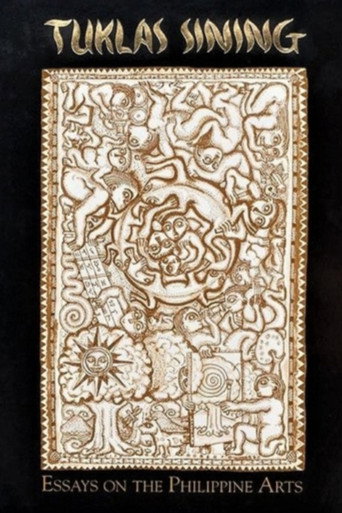 NR
NRA collection of video documentaries that trace, through the major periods of Philippines history, the evolution of the seven arts in the country: architecture, dance, literature, film, theater, music and visual arts. Written and directed by renowned scholars and artists in the country, the documentaries illustrate the importance of arts and culture in creating a Filipino national consciousness and identity and in nation-building.
Tuklas Sining
1992
 NR
NRShot during Deocampo’s year as a scholar in France under Atelier du Formacion Au Cinema Direct. His first documentary provides a glimpse of three Filipino painters residing in Europe: Nena Saguil, Macario Vitalis, and Ofelia Gelvezon-Tequi. The featured artists commentate on their daily practices as artists and migrants, all uniting at the end for an intimate gathering.
Adieu Philippines
1981
Underground video was an important tool during the Marcos era and contributed to the Aquino revolution. In the rejuvenated atmosphere within traditional Philippine media institutions, President Aquino has become the protagonist in a soap opera and the brunt of ribald satiric humor. A skit on a weekly comedy show Six O'Clock News, where a genial Bush twists Aquino's arm for continued U.S. military bases. Next, an emotional melodrama uses double exposure and surreal juxtapositions to address the current military repression. The debates about U.S. bases in the Philippines are played out in TV genres marked by a unique display of national character.
The Philippines: A Legacy of Violence
1990
 9.0
9.0Based on a painting by Rembrandt, “The Sacrifice of Isaac,” the film is a meditation on the complex relations between fathers and sons. In two parallel stories, a son’s desire to be free is shown as he struggles from his father’s oppressive domination. This is shown on the one hand by a boy who watches over his father in his sickbed wishing to free himself from his father’s domineering presence; and on the other, a biblical Isaac who frees himself from Abraham’s intent to kill his own son.
Isaak
1993
9.0Based on a painting by Rembrandt, “The Sacrifice of Isaac,” the film is a meditation on the complex relations between fathers and sons. In two parallel stories, a son’s desire to be free is shown as he struggles from his father’s oppressive domination. This is shown on the one hand by a boy who watches over his father in his sickbed wishing to free himself from his father’s domineering presence; and on the other, a biblical Isaac who frees himself from Abraham’s intent to kill his own son.
Isaak
1993
9.0Based on a painting by Rembrandt, “The Sacrifice of Isaac,” the film is a meditation on the complex relations between fathers and sons. In two parallel stories, a son’s desire to be free is shown as he struggles from his father’s oppressive domination. This is shown on the one hand by a boy who watches over his father in his sickbed wishing to free himself from his father’s domineering presence; and on the other, a biblical Isaac who frees himself from Abraham’s intent to kill his own son.
Isaak
1993
 4.7
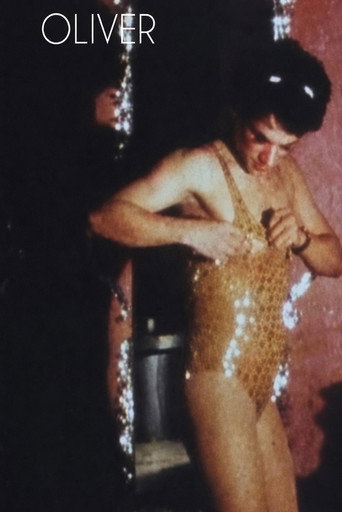
4.7A documentary about a gay nightclub performer with an especially lurid "Spider-man" act. Oliver is a female impersonator who supports his family by performing in Manila's gay bars.
Oliver
1983
4.7A documentary about a gay nightclub performer with an especially lurid "Spider-man" act. Oliver is a female impersonator who supports his family by performing in Manila's gay bars.
Oliver
1983
NRBased on Nick Deocampo's award-winning book, Cine: Spanish Influences on Early Cinema in the Philippines, this digital documentary traces the beginning of cinema in the Philippines in 1897 when two Spaniards showed the first moving pictures in Escolta. Against the backdrop of war and revolution, film developed to become the emerging Filipinos' dominant form of public entertainment. The documentary further explores the elements of Spanish culture found in Filipino films as evidenced through the classic films made by three National Artists - Eddie Romero, Lino Brocka, and Ishmael Bernal. This is Deocampo's homage both to Philippine cinema and the Filipino nation that is its twin.
Cine/Sine: Spanish Beginnings of Philippine Cinema
2012
NRBased on Nick Deocampo's award-winning book, Cine: Spanish Influences on Early Cinema in the Philippines, this digital documentary traces the beginning of cinema in the Philippines in 1897 when two Spaniards showed the first moving pictures in Escolta. Against the backdrop of war and revolution, film developed to become the emerging Filipinos' dominant form of public entertainment. The documentary further explores the elements of Spanish culture found in Filipino films as evidenced through the classic films made by three National Artists - Eddie Romero, Lino Brocka, and Ishmael Bernal. This is Deocampo's homage both to Philippine cinema and the Filipino nation that is its twin.
Cine/Sine: Spanish Beginnings of Philippine Cinema
2012
 4.3
4.3Narrated by Deocampo in English, the film documents the anti-Marcos revolution, the life of Oliver (a transvestite who was the subject of the first film in the trilogy), child prostitution, and the filmmaker's own personal history, including his homosexuality, his filmmaking, and his travels abroad.
Revolutions Happen Like Refrains in a Song
1987
NRA comprehensive history of early cinema in the Philippines. Told in narration over 3D animation.
Gunita: Mga Alaala sa Pinilakang Tabing
2017
NRA comprehensive history of early cinema in the Philippines. Told in narration over 3D animation.
Gunita: Mga Alaala sa Pinilakang Tabing
2017
NRA comprehensive history of early cinema in the Philippines. Told in narration over 3D animation.
Gunita: Mga Alaala sa Pinilakang Tabing
2017
 NR
NRThe filmmaker goes in search of his father, a former guerilla soldier who had walked out of the family a decade ago, and in the process discovers new things about himself, his family and the national legacy of war.
Private Wars
1997
A frenetic collage of scenes with a commentary provided by the pioneer of the independent film, Nick Deocampo, serves as a film manifesto for New Cinema – the movement lead by young filmmakers who lived under the dictatorship for 20 years and who rebelled against the propagandist cinema. The committed film speaks about the social change, the new film and the new world.
Let This Film Serve as a Manifesto For a New Cinema
1990